The Year of Science 2022 was a so-called “idea run”: citizens could ask researchers questions. In Future Space 04, “The Relationship Between Humans and Nature,” one of these questions is: How do we shape cultures of coexistence? We passed this question on to Sandra Dullau for an interview on Anhalt University of Applied Sciences’ climate blog:
Biodiversity in the Year of Science 2022: How Do We Shape Cultures of Coexistence?
-
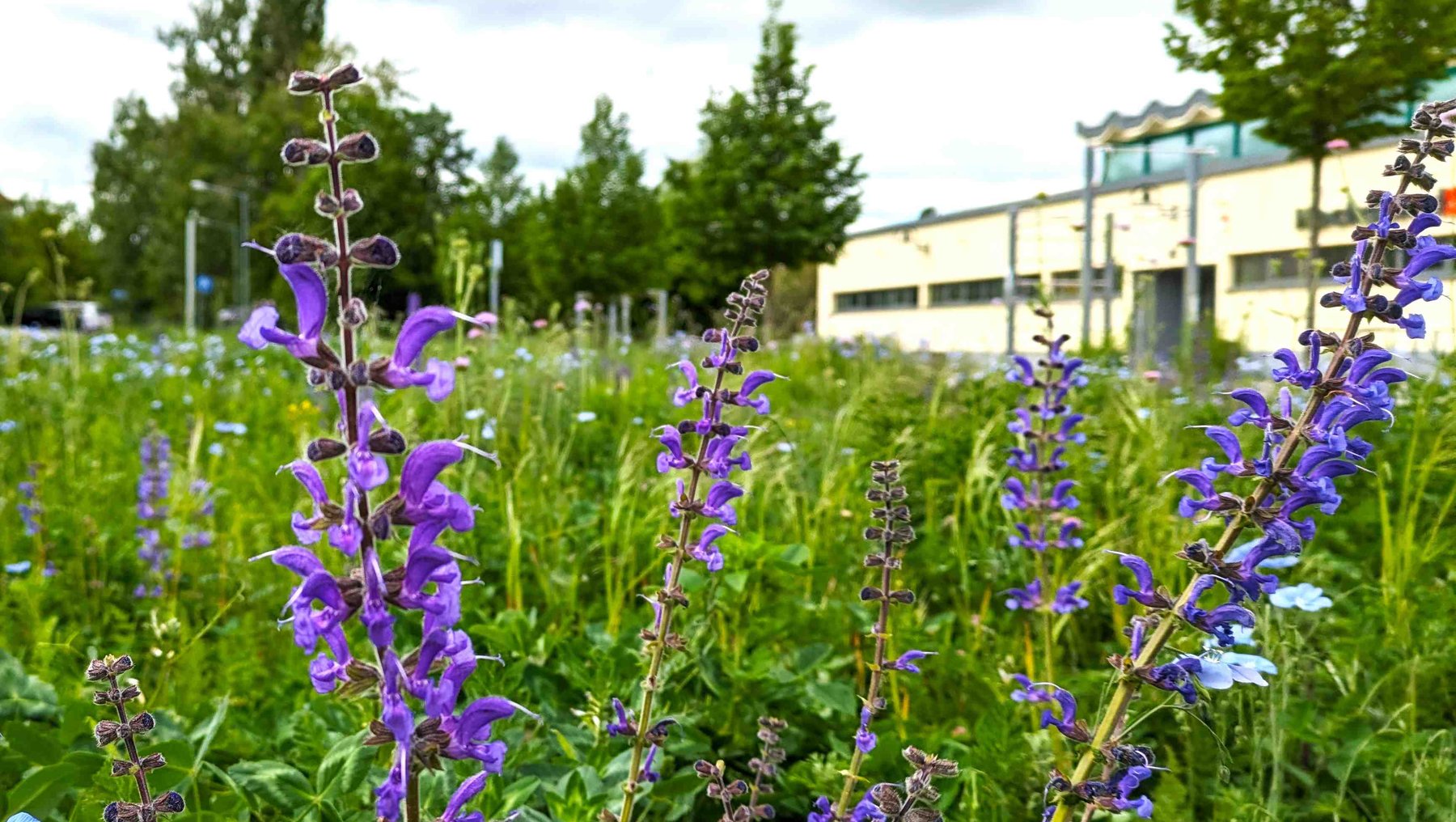 © HS Anhalt
"How do we shape cultures of coexistence?" – This question from the Year of Science 2022 suggests that there is currently no culture of coexistence between humans and nature—at least not a good one. Would you agree with that, Ms. Dullau?
Nature would prefer it if human influence were as minimal as possible—an idea that no longer seems feasible today. The effects of human activity are so powerful that even seemingly untouched nature bears its marks very clearly. Therefore, it is essential to reduce this impact and, wherever humans use resources, to leave less drastic traces behind. For me, a culture of coexistence means using nature sustainably, restoring destroyed habitats, and preserving or reviving the functions of the natural ecosystem. We already have a great deal of knowledge at our disposal for this purpose—putting it into widespread practice would, at the very least, improve the culture of coexistence that creates values and sustains their foundation. Cultivated landscapes that are highly structured and used in diverse ways serve as a wonderful example of this.
There are now many concrete examples showing that the loss of biodiversity affects our lives. Which example most recently caught your attention?
It wasn’t a specific case, but rather the state of the landscapes as I recently experienced them in Hungary. I was deeply impressed by the extreme lack of structural diversity, the high intensity of land use, and the incredibly high proportion of non-native trees and shrubs. But also the spread of the silk plant, native to North America, which copes very well with increasing drought, or dogtooth grass, a grass species also native to North America. Both species are altering the composition of valuable grassland communities, shifting them toward species-poor, dominant stands. Dedicated staff at protected area administrations are working to counteract this; together with scientists and often with only limited resources at their disposal, they are undertaking restoration efforts and achieving internationally recognized scientific successes. This is a ray of hope, but given the extent of the degradation, many times the current amount of land and resources would be needed for ecosystems—whether forests or open lands—to regain their full functionality.
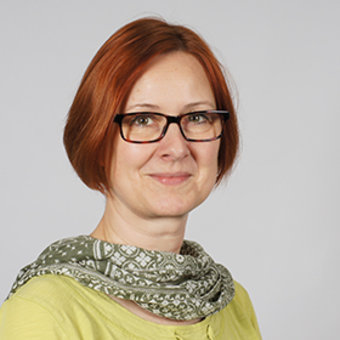
Every project leads to something; no effort was in vain—even if creating positive examples often requires a great deal of strength and perseverance.
Sandra Dullau
What might a culture of coexistence look like? In your view, what should it include?
Since there is only one actor—humans—in the coexistence between nature and humans, it is humanity’s responsibility to strive for the highest possible level of sustainability. If damaged ecosystems cease to function, everything is thrown into turmoil.
I believe the most important thing is recognizing the value that nature holds as the foundation of human life. This is where education for sustainable development plays a key role—one that must be given much greater emphasis in all educational institutions. In economics, all decisions must be guided by sustainability criteria that necessarily take into account the impacts on nature. Policymakers must set the course for this much more strongly than before and reward sustainability. I’m also quite in favor of factoring environmental damage into the price of products. That would be extraordinarily helpful in financing the immense need for restoration.
Do you have a leading example?
I think the “Wild Pastures” initiative is fantastic; it implements sustainable management of open to semi-open landscapes across very large areas. A pioneering example of this is the year-round grazing on the former military training area in the Oranienbaumer Heide in Saxony-Anhalt. There, valuable habitats have been restored across approximately 800 hectares; a large number of endangered and protected species are on the rise; and, as a side benefit, meat is produced. It doesn’t get any more sustainable than that.
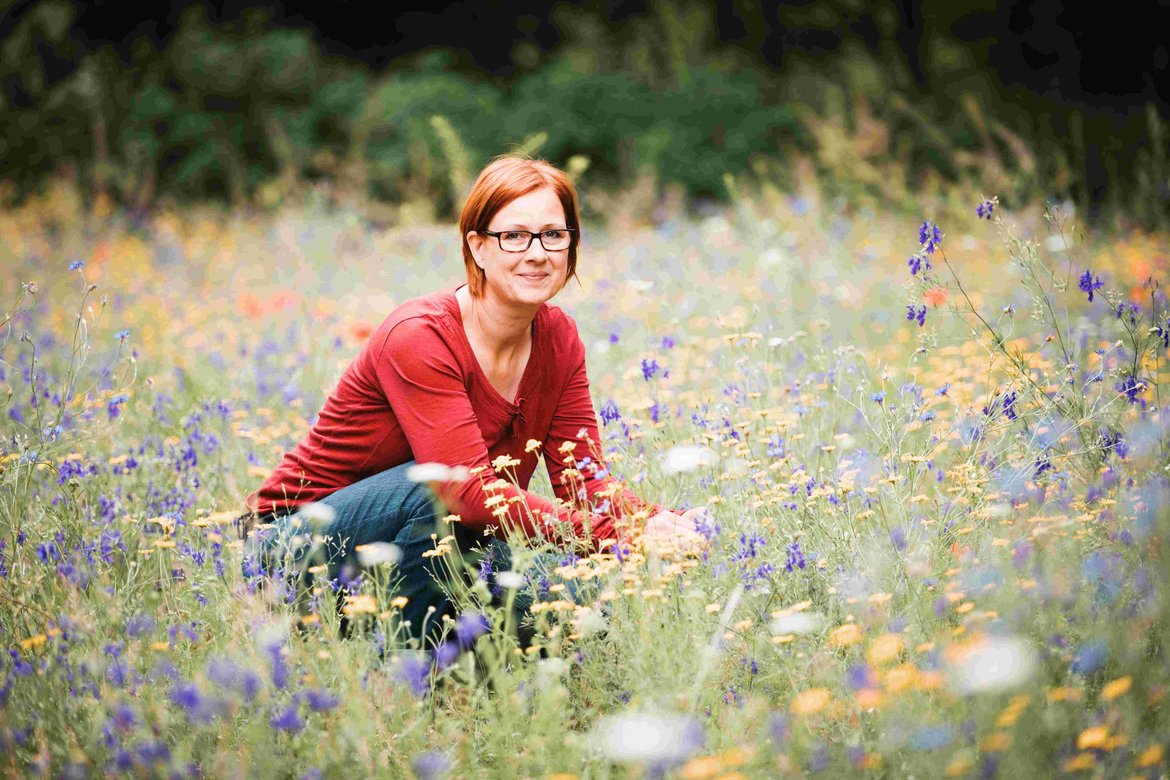 © Maik Preißer
Sandra Dullau in one of the wildflower meadows she has created. She regularly explains on her LinkedIn profile how this can lead to greater biodiversity and a better quality of life. Photo: Maik Preißer.
Suppose we create more positive examples. What role could these play in addressing global challenges such as climate change and food security?
I see two main effects here. First, people are inspired to follow suit, develop their own ideas and projects with positive impacts, or change their farming practices. Second, with the right public outreach, the actions of each individual can be influenced—do I buy beef from Argentina or from the Oranienbaumer Heide? Every project leads to something new; no effort was in vain—even if creating positive examples often requires a great deal of energy and perseverance.
The Ideas Run during the Year of Science 2022:
Involving citizens in research has become a staple topic in science communication. Citizen science—or participatory research—is widely discussed and, in some places, is already being practiced. That is why the Federal Ministry of Education and Research (BMBF) and the “Science in Dialogue” initiative chose “Ask Away!” as the theme for the Year of Science 2022. Citizens were able to submit their questions to the scientific community as part of a so-called “Ideas Run.” The results of this participatory campaign are available for download here: https://www.wissenschaftsjahr.de/2022/ideenlauf.html
Research and Knowledge Transfer at Anhalt University of Applied Sciences on Biodiversity and Species Diversity:
Every year, Sandra Dullau shares her expertise at numerous national and international events and is active in various networks. You can find out exactly where on the website www.offenlandinfo.de.
Sandra Dullau...
conducts research and teaches at Anhalt University of Applied Sciences in the following areas of focus:
- Grassland restoration and grassland management
- Biodiversity in solar parks
- Multifunctional agri-photovoltaics
Learn more on her personal website or on her LinkedIn profile.
More from her research group on Anhalt University of Applied Sciences’ KlimaBlog:
The Oranienbaumer Heide Pastoral Landscape: From a Military Training Area to a Biodiversity Hotspot
Redaktion
Claudia Aldinger
Sandra Dullau... can be reached for questions and inquiries by phone at +49 (0) 3471 355 1228 or by email at sandra.dullau(at)hs-anhalt.de
... Recent publication: Effects of fertilizer levels and drought conditions on species assembly and biomass production in the restoration of a mesic temperate grassland on ex-arable land / Dullau, Sandra. - Published in: *Global Ecology and Conservation*, Vol. 48 (2023), pp. 1–15.
... more about her research topics and responsibilities at Anhalt University of Applied Sciences at the end of the interview. Anyone interested in following Sandra Dullau’s activities can do so via her personal LinkedIn profile.
