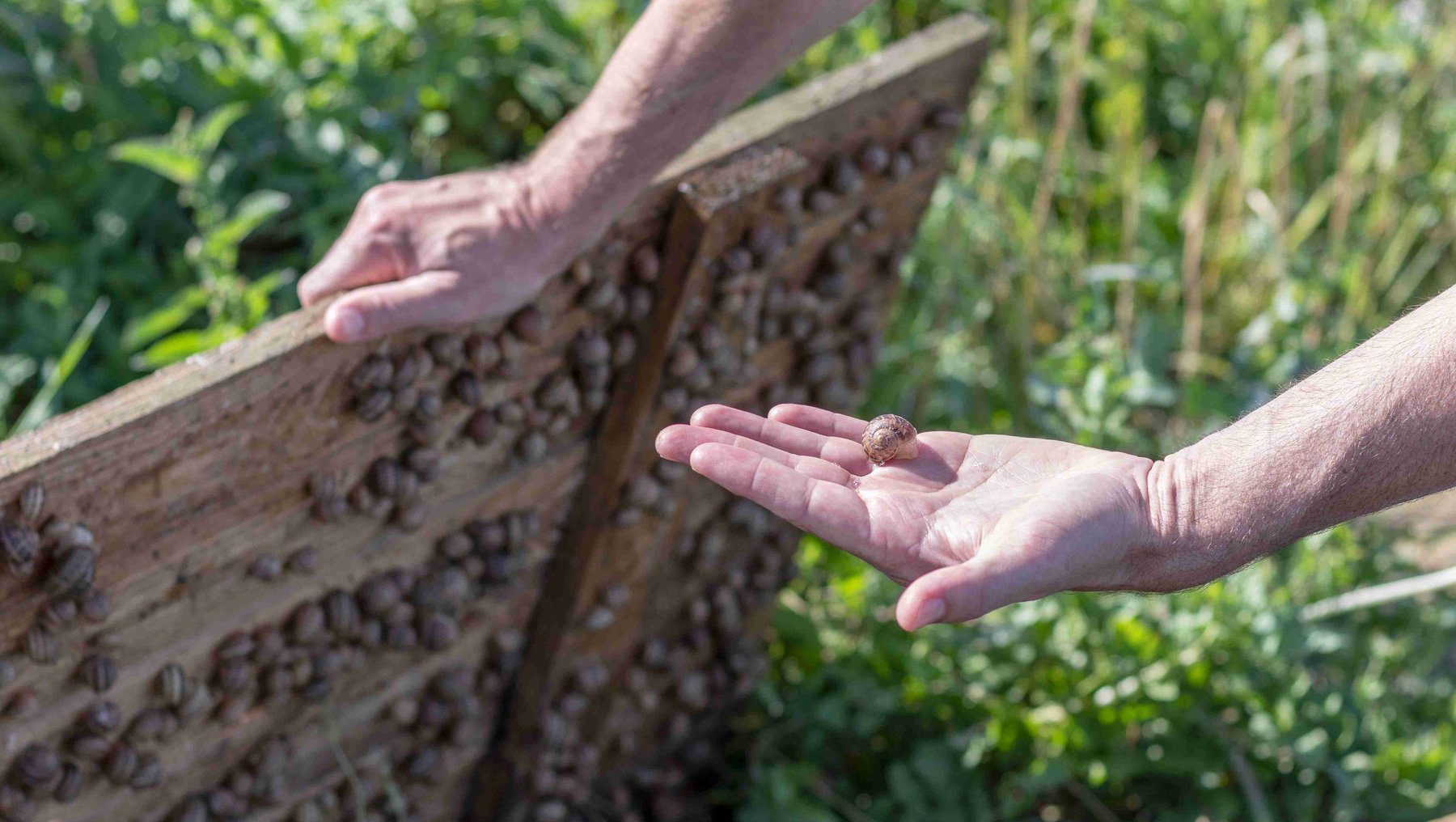
Transforming a traditional business is a workload. This was clear to the owners of an asparagus farm in the Altmark region from the very beginning, when they decided to start offering products made from vineyard snails. That’s why they ventured into uncharted territory with the help of food technologists from Anhalt University of Applied Sciences—and in doing so, opened the door to new research questions for them as well.
Transformation in Agriculture: From Asparagus to Snails
-
 © HS Anhalt
Prof. Schnäckel, what research experience do you have with vineyard snails?
This project is our first experience of this kind. Until now, we've focused on meat and sausage products from other animals. Still, we found the idea very interesting.
Is the meat of snails similar to the meat of other animals?
There are already significant differences, which ultimately now also pose challenges for us when it comes to new products made from vineyard snail meat. We are dealing with cold-blooded animals whose meat contains a specific microflora. This creates special requirements for sterilization in order to offer the products as shelf-stable canned goods. However, we are on a good track to overcoming this challenge, as well as validating and implementing production on an industrial scale. Other issues have already been resolved, such as the slaughter of the animals in accordance with EU and animal welfare regulations, the extraction of the meat from the shell, and the elimination of the earthy flavor—a characteristic that is particularly distinctive of vineyard snails and had to be taken into account in the recipes.
 © HS Anhalt
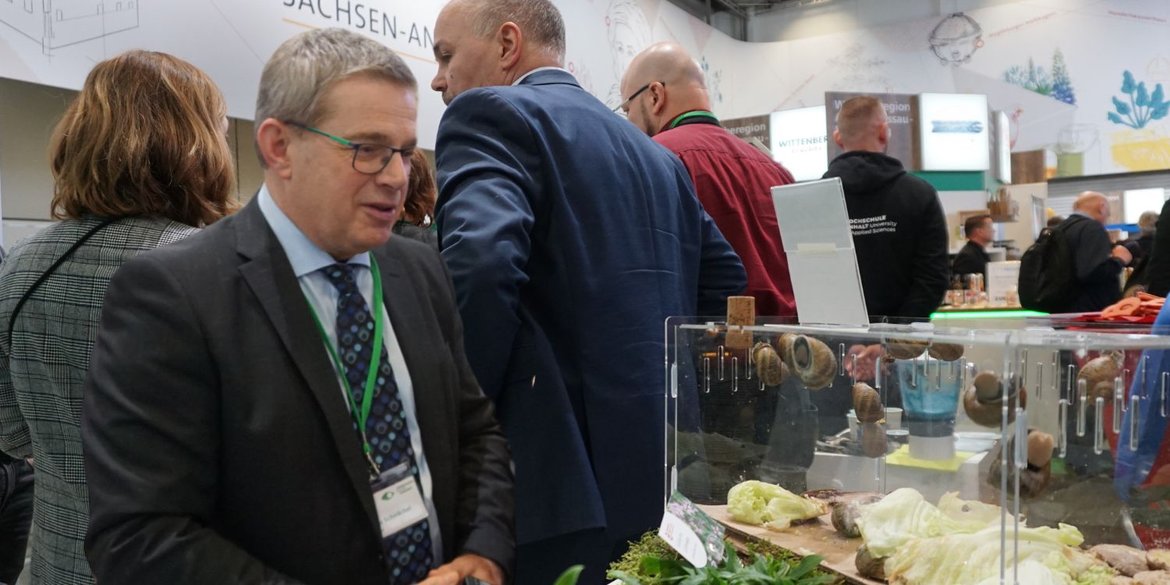
Green Week 2024: Prof. Wolfram Schnäckel and the Kalkofen family will present their project to the trade show audience—including the first tastings of snail meat pâtés.
Three goals...
... the research partners have set the following goals for the two-year project: establishing a snail farm, optimizing breeding conditions, and developing a value chain for full utilization—funded by the EU and the Saxony-Anhalt Ministry of the Environment, Agriculture, and Energy (formerly). Other scientific institutions are exploring the potential of snail mucus and snail shells. Prof. Wolfram Schnäckel and Dr. Janet Krickmeier are focusing on snail meat at the Campus Bernburg. Their work involves much more than just the product itself.
Dr. Krickmeier, you’ve already offered samples of the snail meat pies you developed at the State Harvest Festival and Green Week. What was the reaction?
Consumers were surprised to learn that snails can be used to make pâté, for example. Until then, most had only ever eaten snails served with herb butter in their shells. As a result, despite their skepticism, most visitors were open to tasting the products on offer. Understandably, many of them pointed out that the mere thought of trying “slimy snail meat” was a personal challenge. But after tasting it, the majority of consumers were very impressed with the pâté and expressed openness to further product developments.
Will you be adjusting the recipes for the snail products again?
Some adjustments to the recipes will certainly still be necessary, since the pâtés on offer are merely examples of a wide range of other product developments that have been implemented to date. The recipe for the pâté with turmeric and marjoram was optimized following a tasting at the State Harvest Festival and now appears to be well-balanced, as confirmed by consumers at Green Week. Minor adjustments are still needed for other products, such as snail ragout or pickled snail liver. And, of course, development continues—for example, to combine our project partner’s asparagus and snails into a single product.
To develop these products, you drew inspiration from France and Italy, where eating snails is a common part of daily life. Do you think that could also become a reality in Germany in the future?
In my view, consumer behavior in Germany will not follow a similar pattern. This is because, in the countries mentioned, a wide variety of snail species—in addition to vineyard snails—have always been consumed, and processed products play hardly any role at all. Traditionally, German consumers are mostly familiar only with vineyard snails. Our surveys show that even when consumed in the form of processed products, they are viewed as a special treat that people indulge in only occasionally. In my opinion, this will remain the case for the foreseeable future, as the raw snail material produced in Germany is available only seasonally and in limited quantities, and regional production is associated with higher costs. Consequently, vineyard snails and products made from them will increasingly find a market in the premium segment.
-
 © HS Anhalt
-
 © HS Anhalt
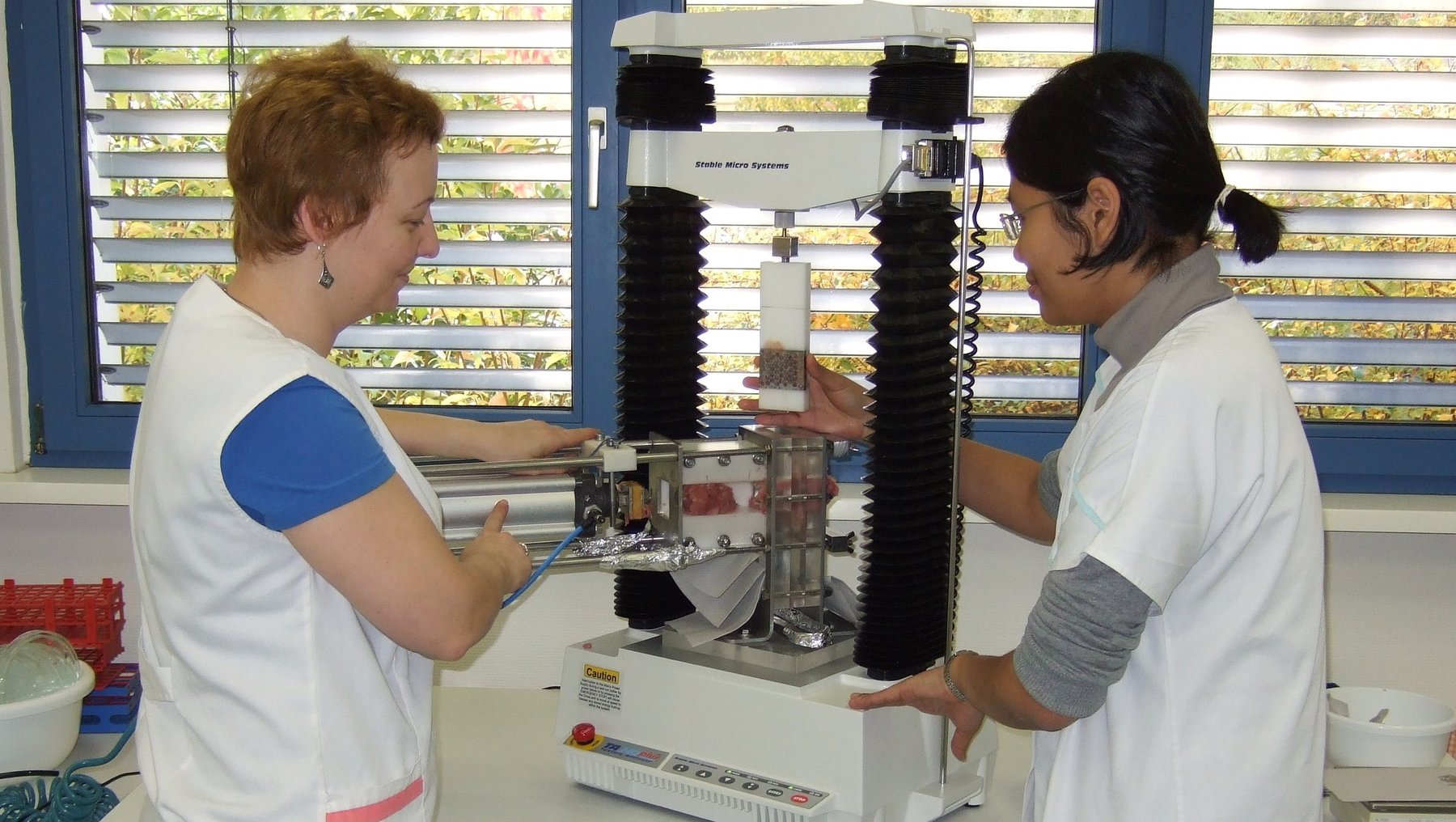
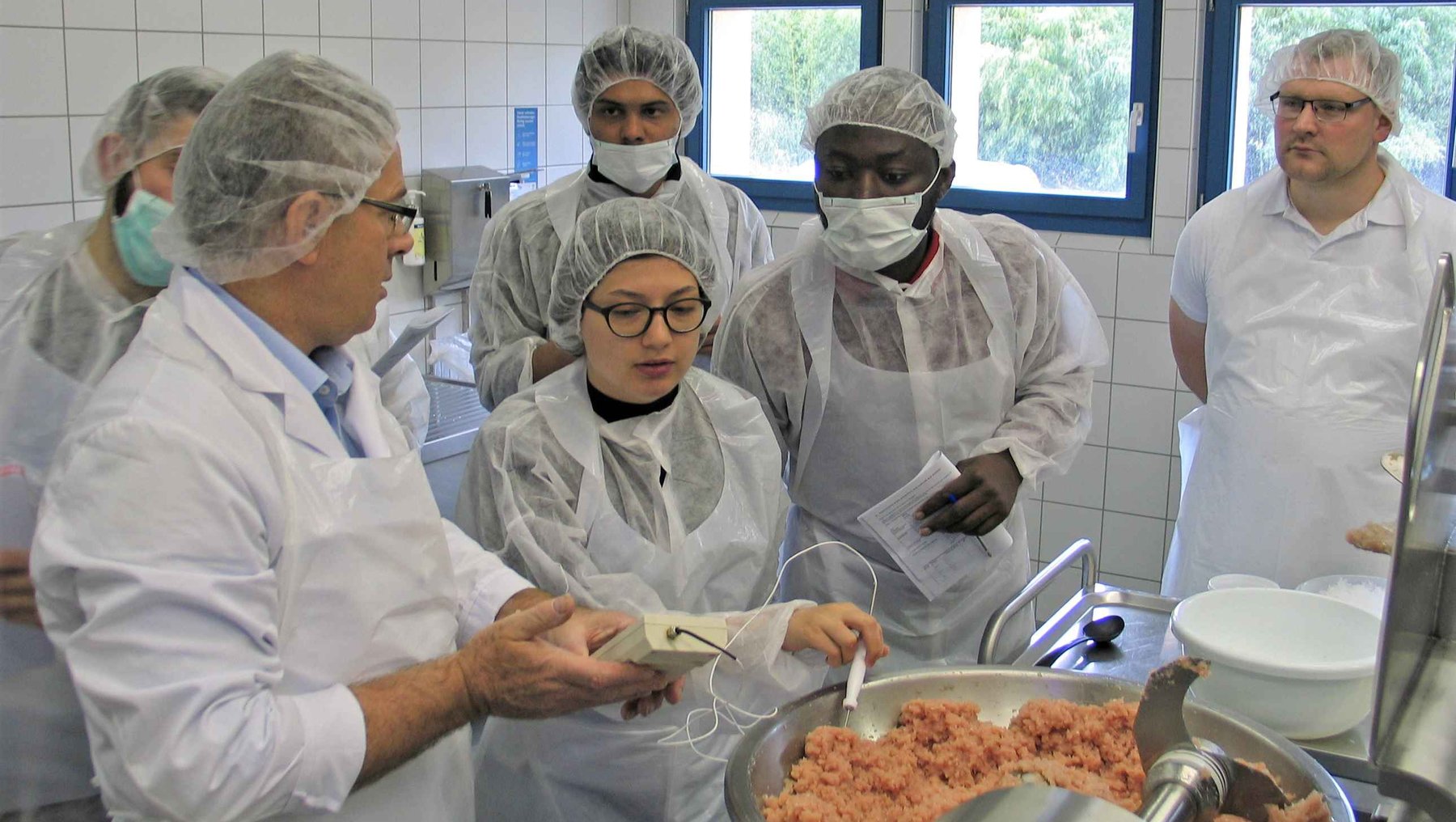
Applied research on topics in Food Technology has played an important role at Anhalt University of Applied Sciences for 30 years. Dr. Janet Krickmeier (first photo, left) and Prof. Wolfram Schnäckel (second photo, center) also incorporate the results into their teaching.
Vineyard snails are considered undemanding...
... and their farming methods are considered fairly climate-friendly. The sandy soils of the Altmark region in northern Saxony-Anhalt and green waste are all they need. The Kalkofen family’s farm has already had its first good year of snail farming: the population has grown, and so has interest in the project. The coming years will show to what extent this translates into serious interest in the new products.
Ms. Kalkofen, what motivated you to set up a snail farm on part of your property? Was it to offer a healthy product? Sustainable Agriculture? Or perhaps the future of your farm?
One motivation was certainly to create another opportunity in our economically disadvantaged and predominantly agricultural region to secure our farming livelihood for the next generation as well. So far, our main source of income has come from asparagus production, for which our sandy soils offer a locational advantage. However, the market environment and conditions for this production are becoming increasingly challenging, and establishing another source of income in a new and, in our region, as yet untapped area of Agriculture seemed both interesting and exciting. After thoroughly researching this topic, we became convinced that by establishing a snail farm, we could offer local consumers sustainably and resource-efficiently produced food with high nutritional value and make it appealing to them. Furthermore, harvesting snail mucus can also meet the demand for such renewable raw materials. Ultimately, this is what convinced the jury to award the highly competitive grant.
We've already reached the halfway point of the project. How would you assess the progress? How satisfied are you?
We were able to establish contacts for gathering information and securing supplies of snails and materials for production. Setting up the outdoor facility was very labor-intensive, and we were proud when we finished everything in time for the snails to be put to use last spring. The snails have reproduced well here and have grown up healthy. In the process, we have gained a great deal of valuable experience in organizing and carrying out the work processes and can now accurately estimate the workload required for further production. Our collaboration with our project partners—including Anhalt University of Applied Sciences for the development of snail meat products, as well as the Leibniz Institute for Polymer Research in Dresden for research and development involving snail mucus—is proceeding in a very collegial manner and is already yielding good initial results. We were also very pleased with the interest shown in us by the press, as well as by radio and television. This, along with our participation in trade shows and events, has already helped raise awareness of our project and also serves as a form of promotion for our region. We are quite pleased with these results and are therefore very satisfied with the progress made so far.
Have your plans changed based on the initial project results, or are you sticking to your original plans?
Our overall plans have not changed so far, but we have had to make some minor adjustments to the schedule.
Do you already know how many snails you'll be raising and processing each year?
The number of snails that can grow on one hectare of open land is certainly in the millions. We still need to gain experience in processing such a large number of snails. At this point, we cannot yet say whether and how we can organize this ourselves, or whether some of the snails will have to be sold unprocessed.
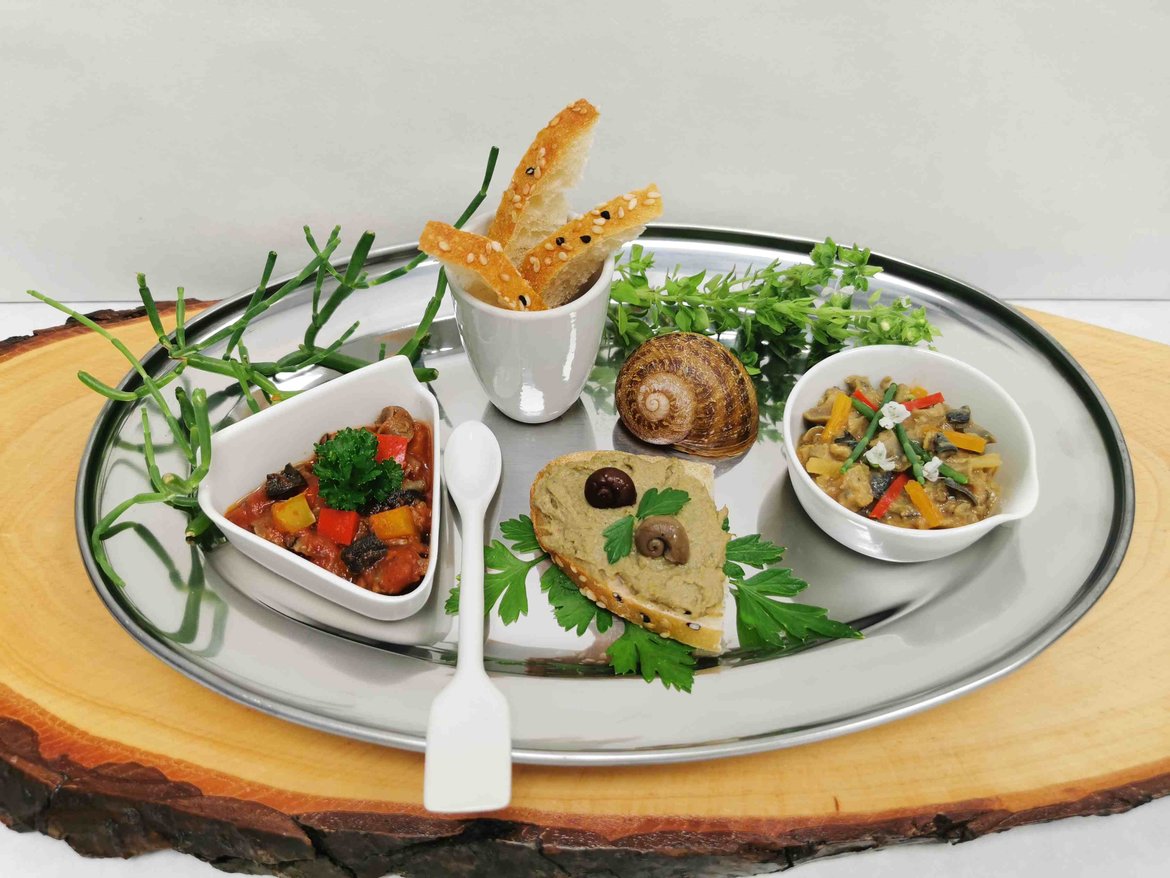 © CFSE | Hochschule Anhalt
Here's what it's all about: products made from snail meat that have already been tested at various trade shows. The response was positive. Photo: CFSE | Anhalt University of Applied Sciences.
More about the project:
The project “Product Development in the Food Sector Based on Snails” is described in detail on the website of the Department of “Agriculture, Ecotrophology and Landscape Development” at Anhalt University of Applied Sciences, including all the latest news. You can also find information here about research and knowledge transfer at the Department, as well as relevant degree programs: https://www.hs-anhalt.de/hochschule-anhalt/loel/uebersicht.html
Prof. Dr. Wolfram Schnäckel...
... has been conducting research in the field of Food Technology for more than 30 years. His focus is on animal-based products such as meat and sausage products. After his retirement in 2023, he was appointed to a senior professorship—the first of its kind at a university in Saxony-Anhalt. This will allow him to continue advising students at Anhalt University of Applied Sciences and conducting research with industry partners. In addition to the snail farming project, the “Food and Nutrition Research” working group under his leadership is currently also working on: a project on salt reduction in raw ham products, the more effective and efficient processing of plant-based blends in the production of meat substitutes, and innovative solutions for processing in vitro meat. New publications can be found on his personal website: https://www.hs-anhalt.de/hochschule-anhalt/service/personenverzeichnis/person/prof-dr-wolfram-schnaeckel.html
Dr. Janet Krickmeier...
... studied Ecotrophology at Anhalt University of Applied Sciences and earned her Ph.D. from Martin Luther University Halle-Wittenberg. She has been a member of the "Food and Nutrition Research" research group at Anhalt University of Applied Sciences since 2004 and also supports student education. New publications can be found on her personal page: https://www.hs-anhalt.de/hochschule-anhalt/service/personenverzeichnis/person/dr-janet-krickmeier.html
Altmark Snail Farm GbR...
... has been in operation since May 2023. On a one-hectare plot in Cobbel in the Altmark region, two species are being raised: Helix aspersa, the spotted vineyard snail, and Helix pomatia, a native vineyard snail. In 2022, Schneckenzucht-Altmark GbR won over both research partners and funding agencies with its project. A total of 890,000 euros is being invested through the European Innovation Partnership for Agricultural Productivity and Sustainability (EIP-Agri). Regional collaborations are also planned, for example to source feed or to assist with individual production steps for snail products. Updates and information about the project can also be found online at: http://www.schneckenzucht-altmark.de/
Additional topics by Prof. Dr. Wolfram Schnäckel on Anhalt University of Applied Sciences’ KlimaBlog:
Food in Transition: For Healthy and Sustainable Protein Sources
From Waste Product to Special Ingredient: Rosehip Pomace in Foods
Redaktion
Many thanks to Carmen Kalkofen, Dr. Janet Krickmeier, and Prof. Dr. Wolfram Schnäckel for the conversations and insights into their research.
Additional explanatory websites and contacts are linked in the article.
Cover image: Serhii/stock.adobe.com
