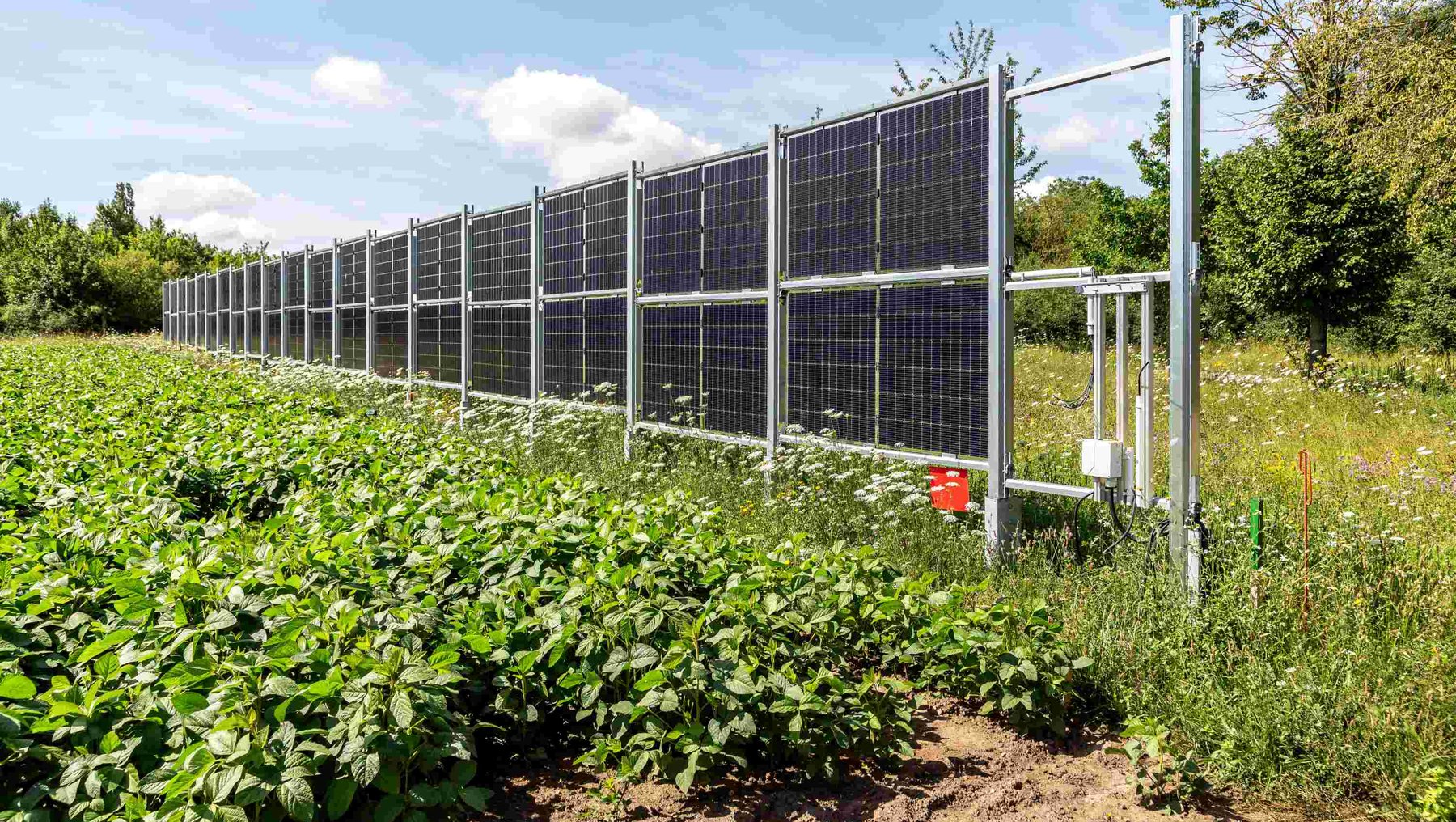
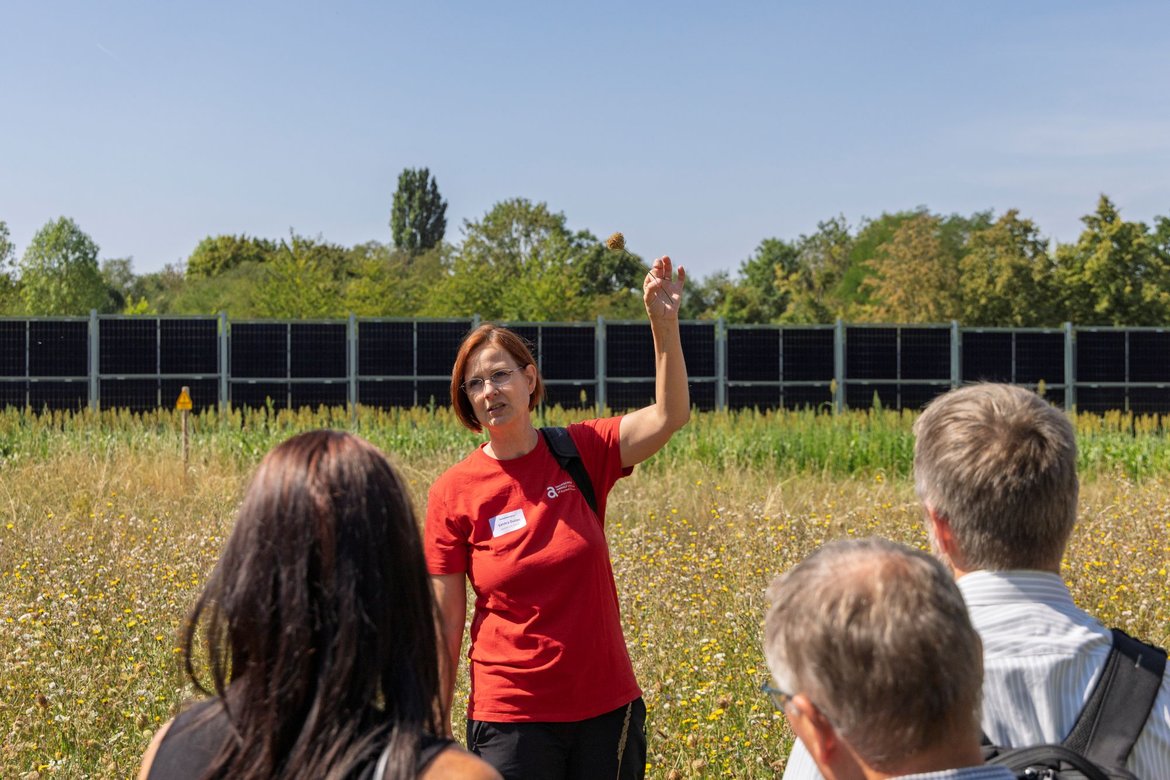
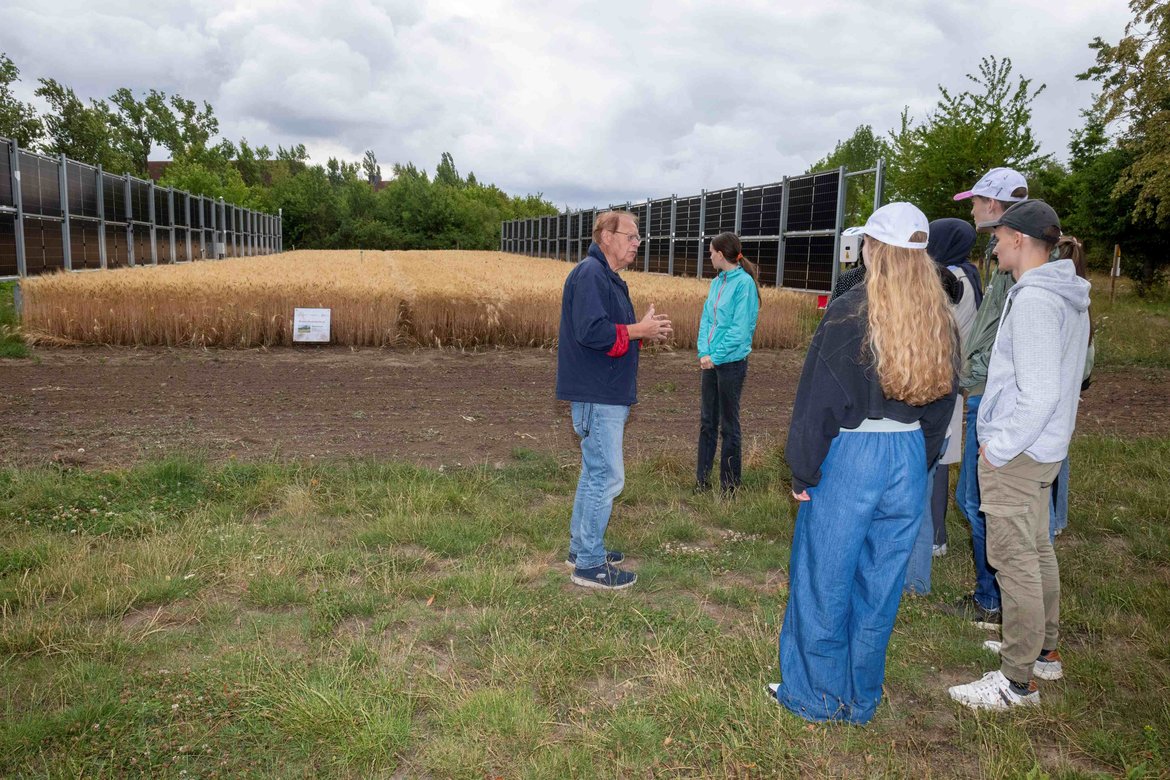
Photovoltaic modules cast shadows and create varying humidity conditions, which can affect plant growth. The extent of these effects depends on the crop, the PV module and system geometry, the location, and annual weather conditions. Initial results from the project show that the yield losses can be more than offset economically by the amount of electricity generated in parallel.
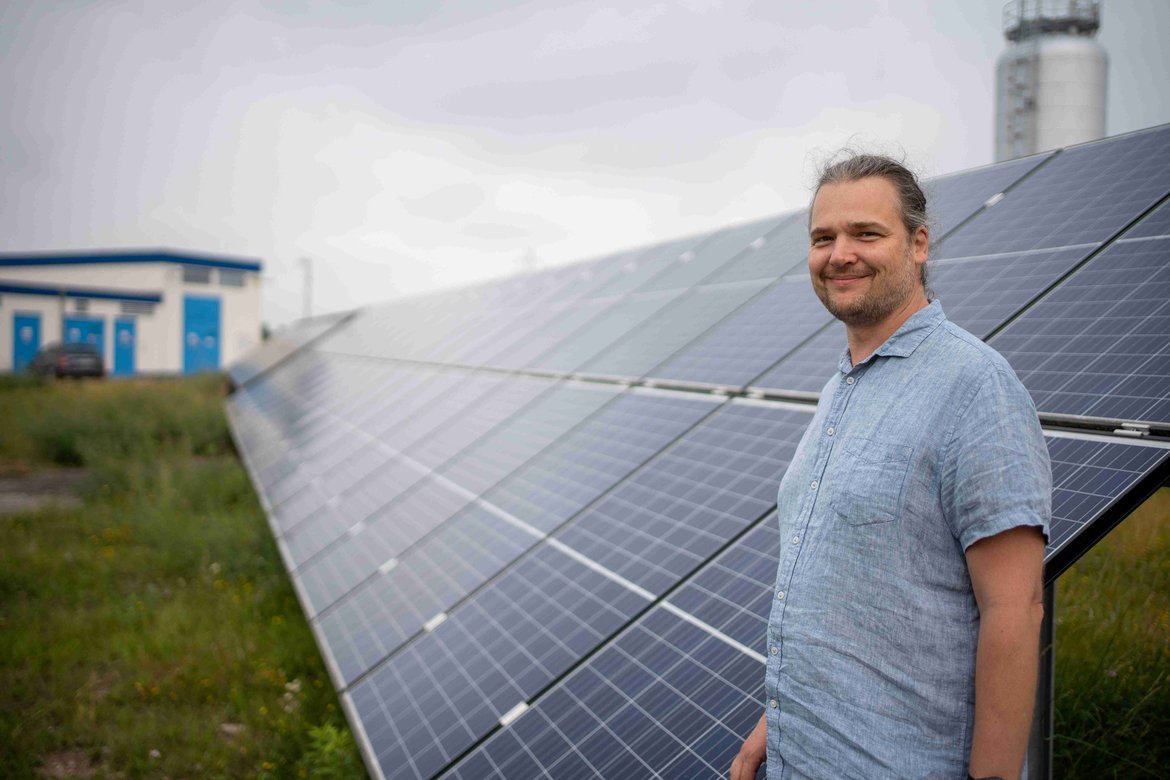
“For the three crops studied so far, there were yield reductions of between 5 and 15 percent in the areas directly in the shade,” says Sebastian Dittmann. When considering the total area—and especially taking into account the land rendered unusable for agriculture due to the mounting of the PV modules—the economic return from agriculture is reduced by 200 to 300 euros per hectare. However, recent studies show that such systems can generate up to 4,800 euros per hectare from electricity production. “Farmers can generate a steady income through the electricity produced—up to 230 MWh/ha—and thus become more resilient in the face of increasing global warming,” Sebastian Dittmann continues.
Agriculture remains the starting point. The project’s goal is for economic viability and ecosystem services to support one another.