Discover fields and wine
Innovative field crops, regional specialties and the question of how Agriculture and viticulture can adapt to climate change.
What awaits you:
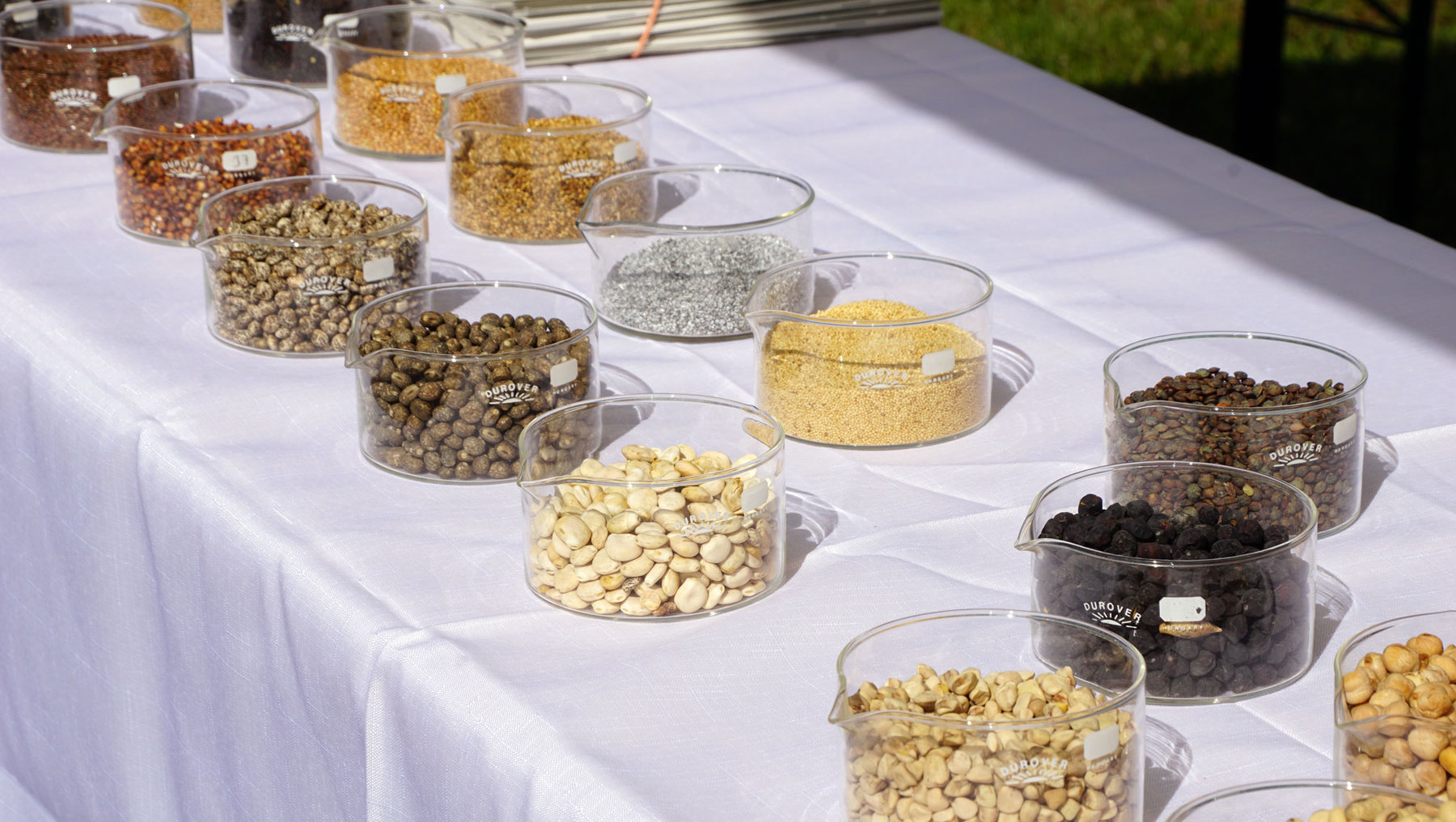
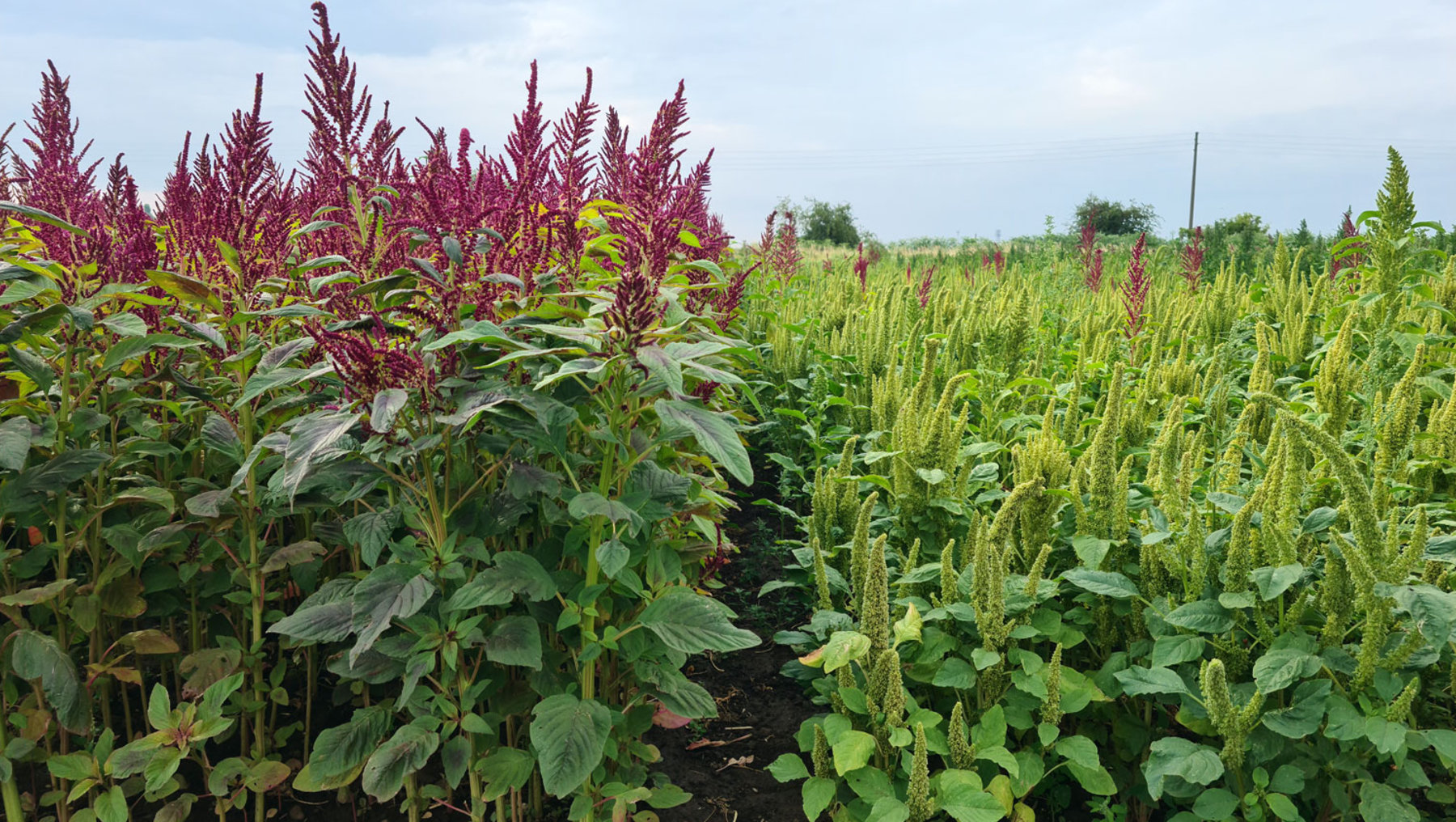
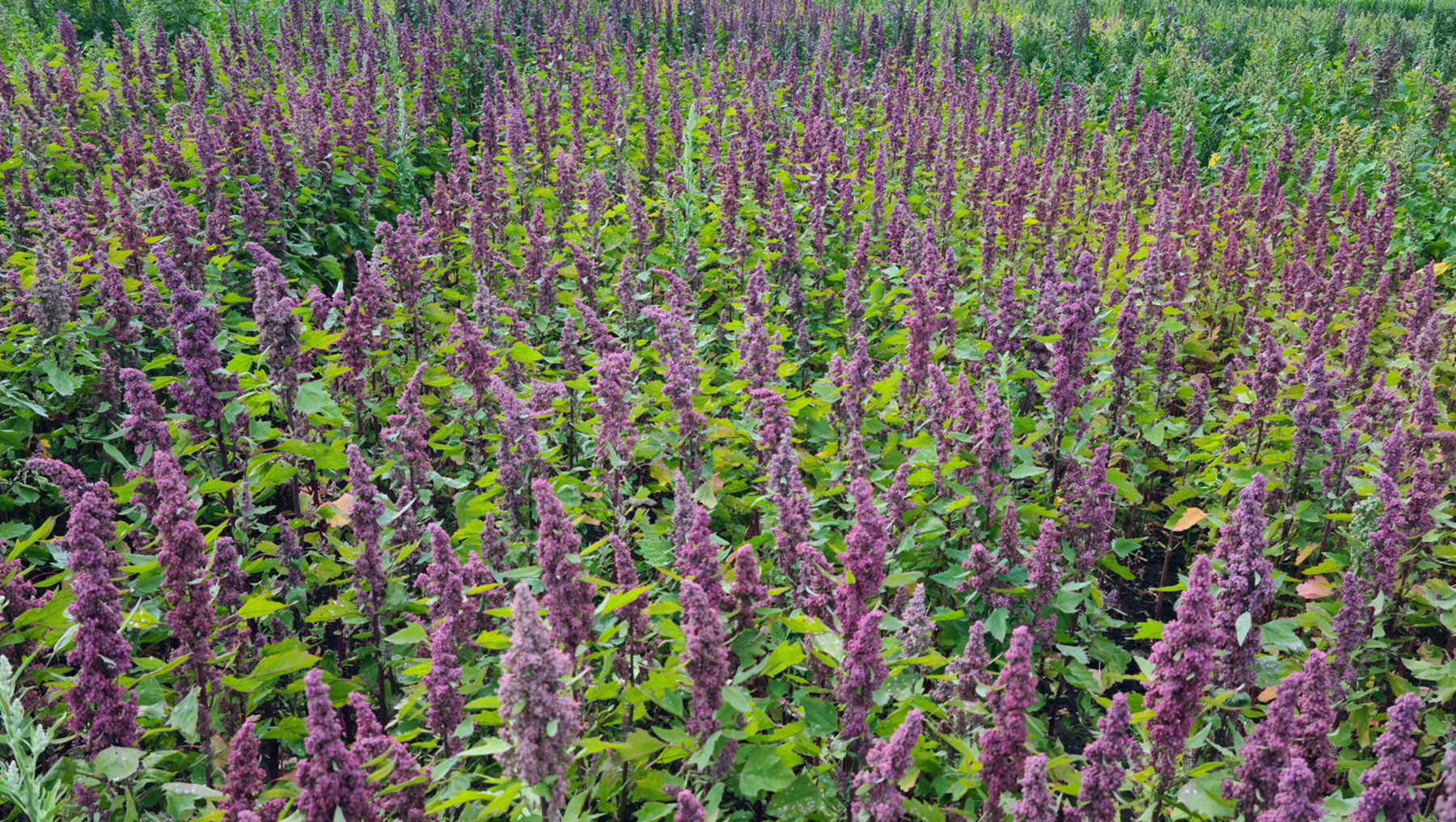
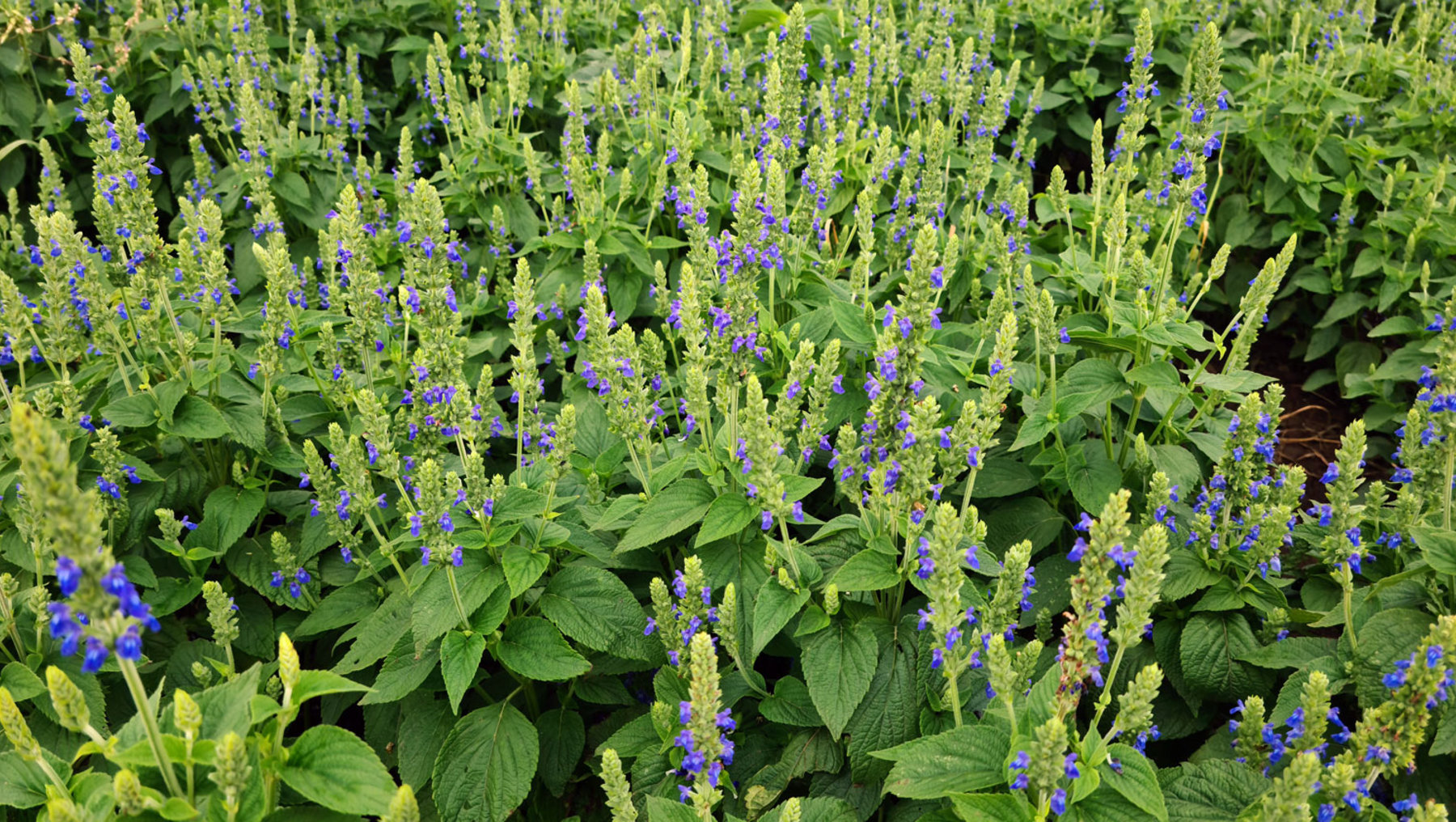
- Get to know superfoods such as quinoa, amaranth and chia
- Knowledge test about seeds and agricultural crops
- Exciting insights into sustainable nutrition and alternative raw materials
- Discover winegrowing in the Lower Saale Valley
Creative workshop Agriculture & Viticulture
-
 © HochschuleAnhalt/RenateGeue
-
 © Hochschule Anhalt / Renate Geue
Amaranth-Pflanzen auf dem Feld auf dem Campus Bernburg -
 © Hochshcule Anhalt / Renate Geue
Quinoa-Pflanzen auf dem Feld auf dem Campus Bernburg -
 © Hochschule Anhalt / Renate Geue
Chia-Pflanzen auf dem Feld auf dem Campus Bernburg
Which plants will grow in our fields in the future? What is behind the term "superfood"? And what opportunities does the lower Saale valley offer for the viticulture of tomorrow?
In the Agriculture Pavilion, Anhalt University of Applied Sciences will be presenting special crops from the Bernburg trial program that have only been cultivated on small areas so far, but have great potential. These include quinoa, amaranth and chia - plants that are known to many as "superfoods". As these crops are heat-loving, they could also become more important in Saxony-Anhalt in the future under changing climatic conditions. Visitors can learn more about the cultivation, use and processing possibilities of these crops.
Participation is also expressly encouraged: visitors can test their knowledge of seeds and Agriculture crops in a quiz. Those who like it hands-on can process oats themselves in an oat crusher to make fresh flakes for muesli. In addition, various products clearly demonstrate what can be produced from the experimental crops - from roasted soybeans to fresh popcorn, which can of course also be tasted.
-
 © Hochschule Anhalt / Renate Geue
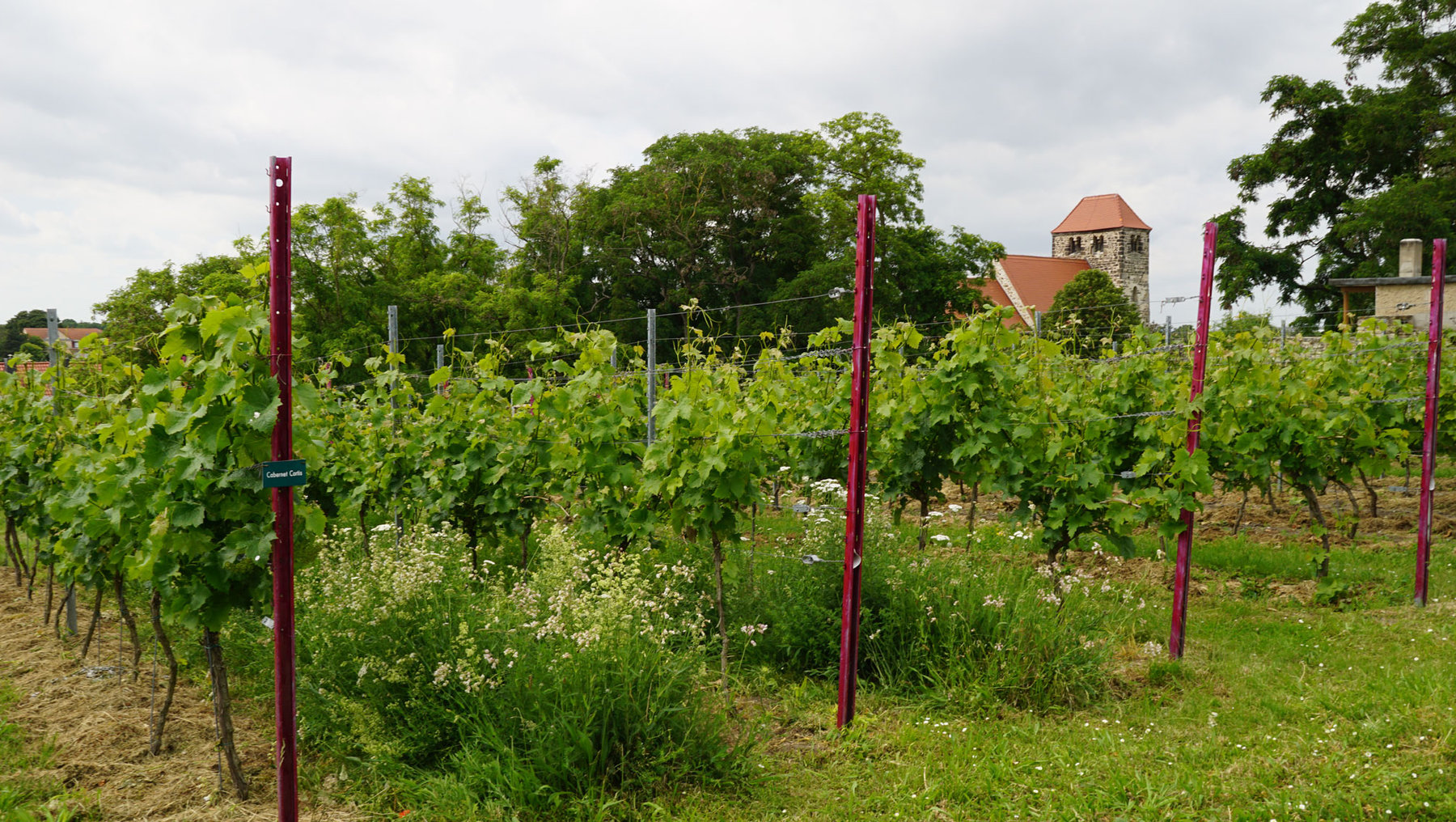
Weinberg Waladala in Bernburg -
 © Hochschule Anhalt / Olaf Loos
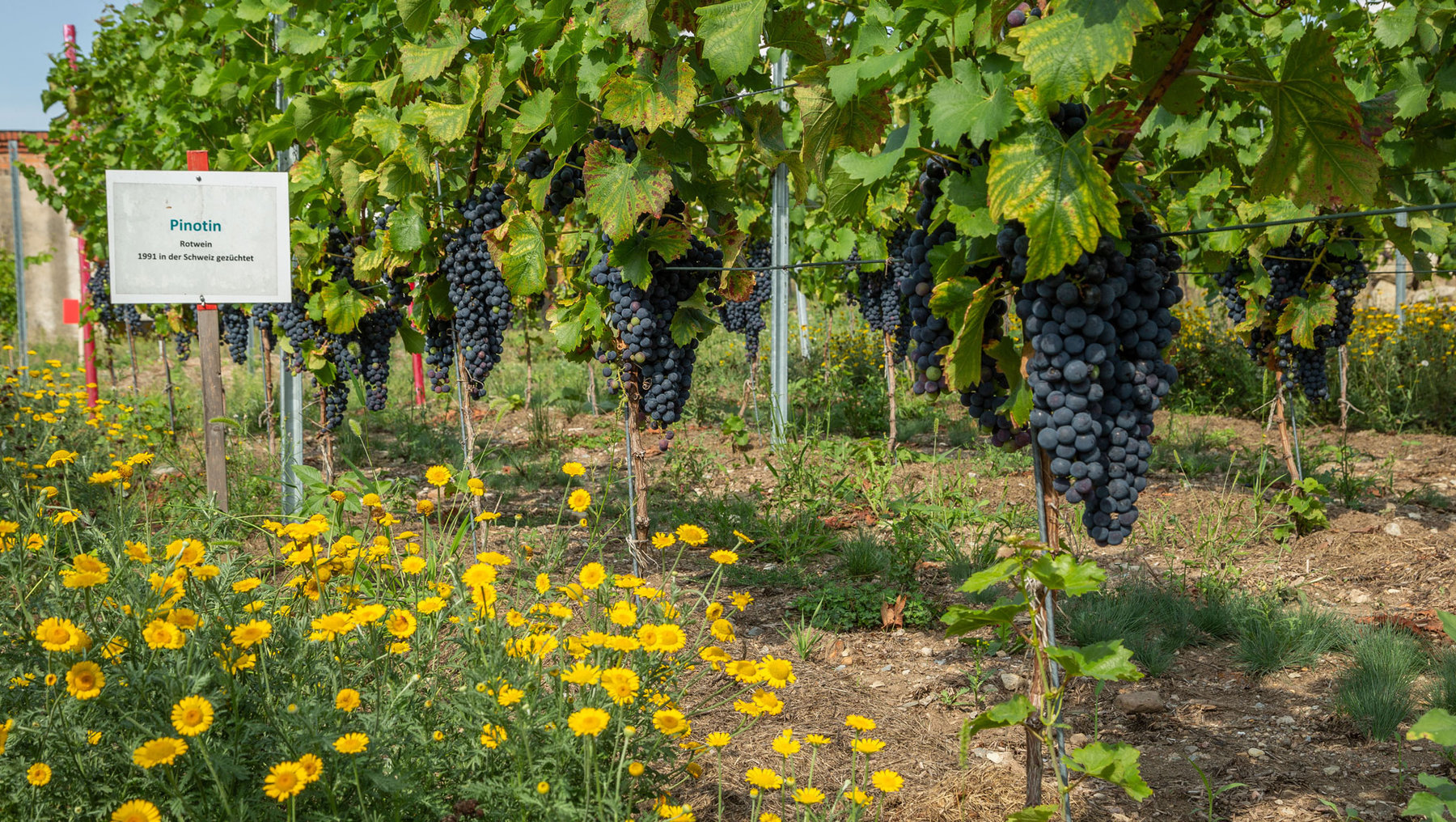
Rebsorte Pinotin am Weinberg Waladala -
 © Hochschule Anhalt / Olaf Loos
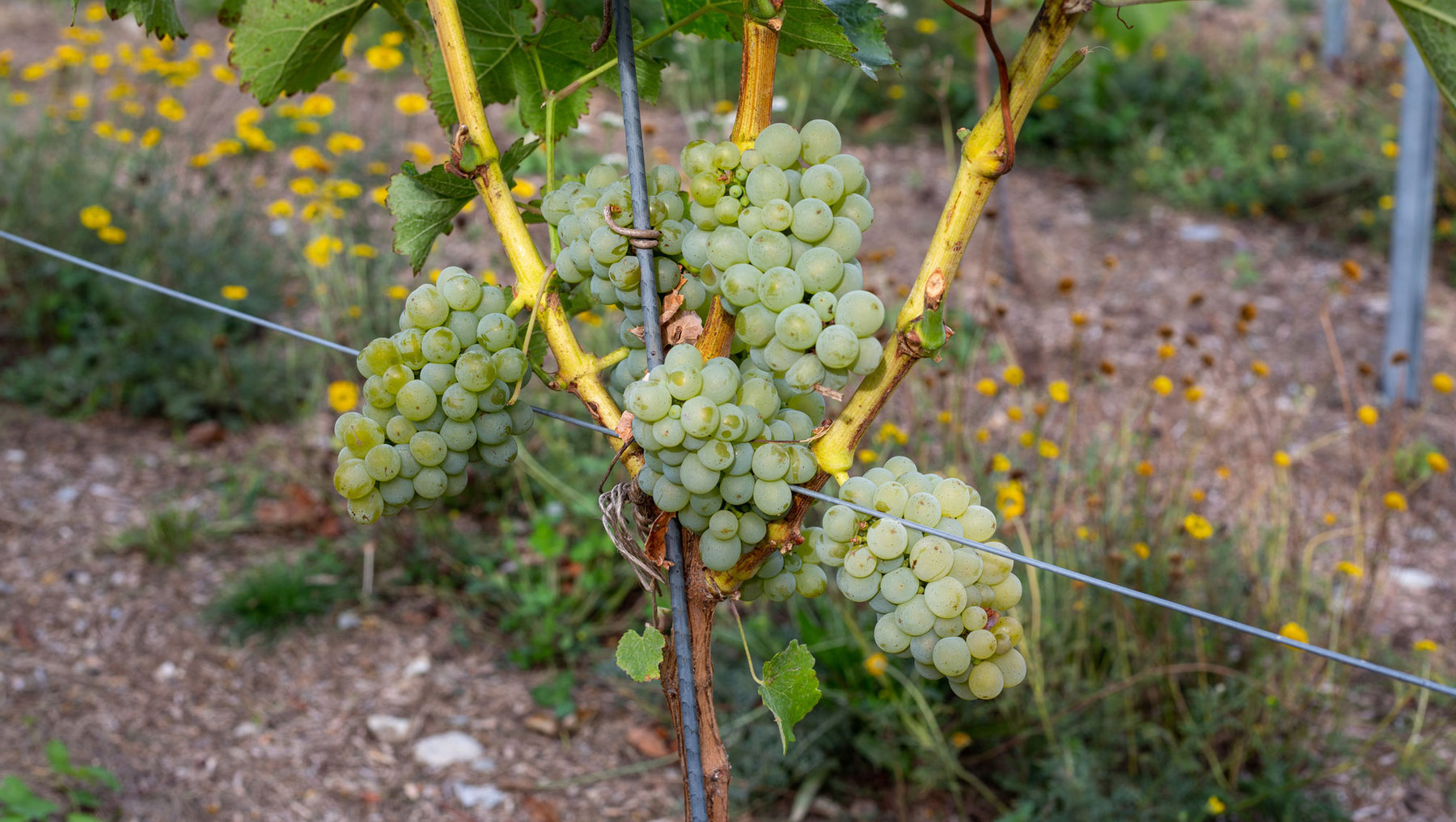
Weißer Wein am Weinberg Waladala -
 © Hochschule Anhalt/Uwe Jacobshagen
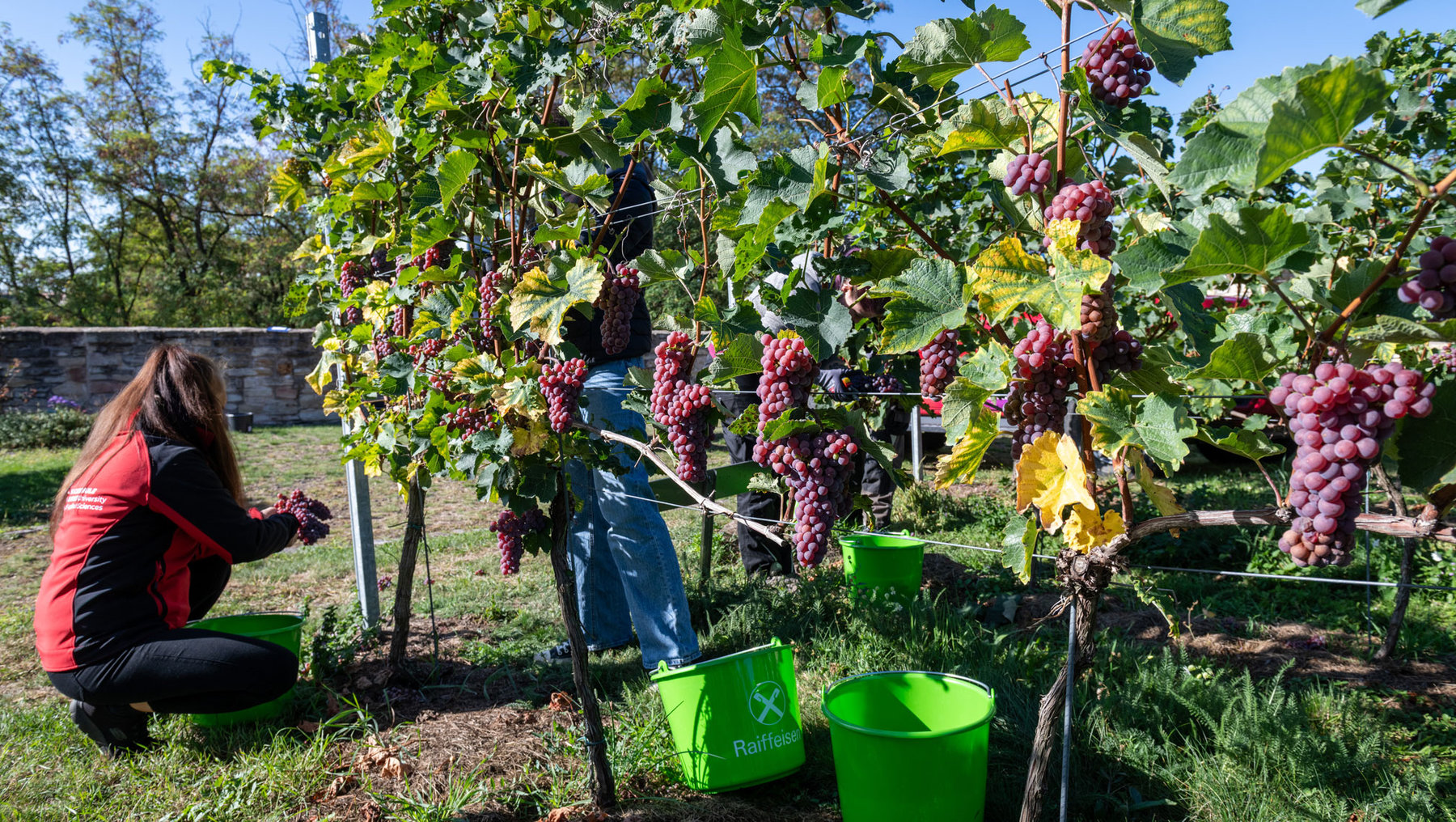
Weinlese am Weinberg Waladala -
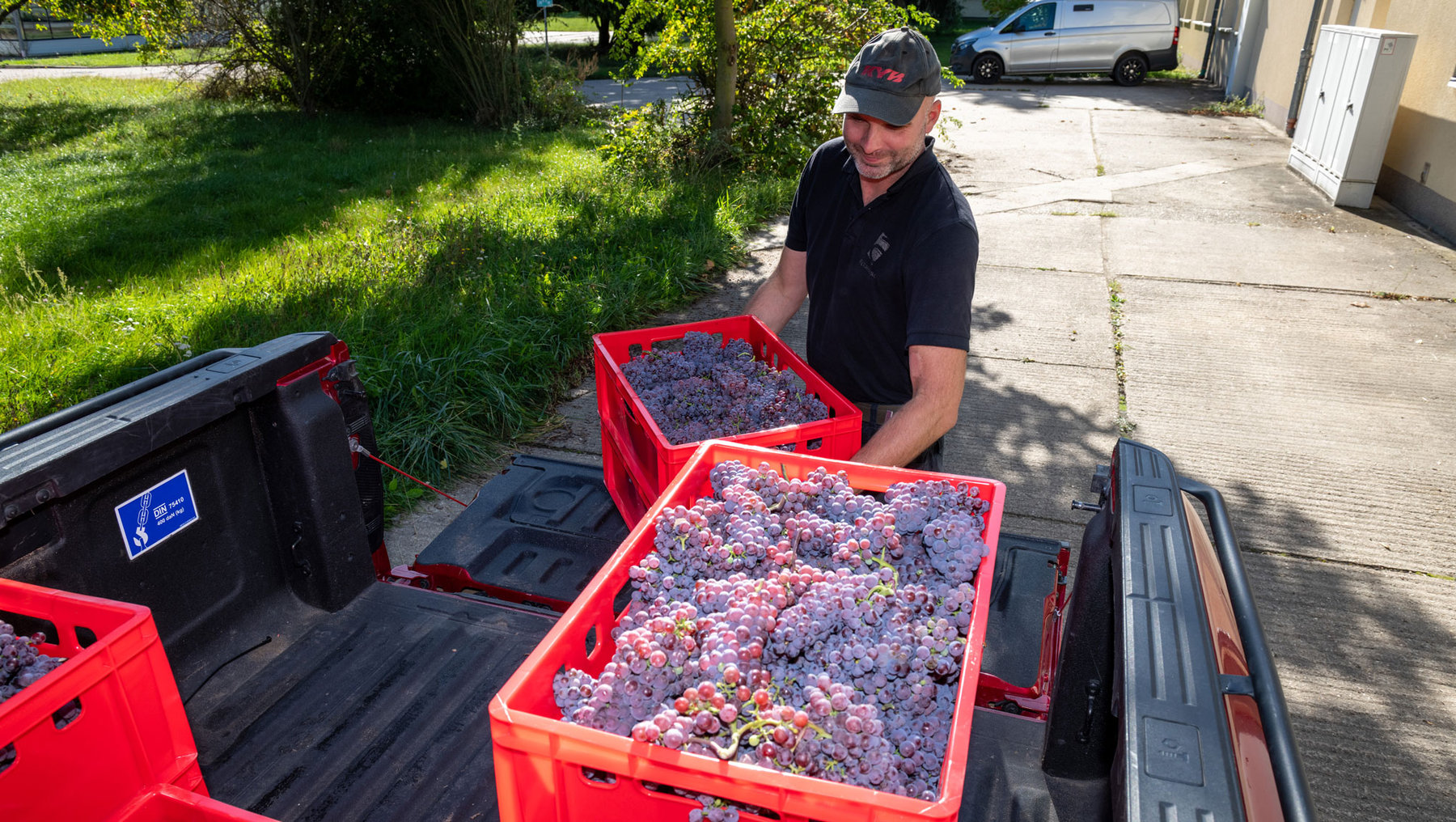 © Hochschule Anhalt/Uwe Jacobshagen
Weinlese am Weinberg Waladala
A second focus is dedicated to viticulture in the lower Saale valley. With its teaching and experimental vineyard, Anhalt University of Applied Sciences is building on a long regional tradition and researching how viticulture can be successfully carried out on the slopes of the lower Saale under today's climatic conditions. Visitors can gain an insight into current research findings and taste regional specialties at the same time. Among other things, wine spritzers, typical regional wine varieties and a newly developed Bernburg liqueur wine are on offer. The experimental distillery also produces a fine herbal liqueur.
Photo & video note
Photographs were taken on our festival grounds for documentation and advertising purposes.
>> further information

Studying agriculture at Anhalt University of Applied Sciences offers a wide range of opportunities - dual, part-time and from Bachelor's to Master's degrees. Practical degree programs such as Agriculture, Food and Agribusiness or the MBA Agriculture / Agricultural Management prepare students specifically for the challenges of a modern agricultural and food industry.
Further information can be found at
www.hs-anhalt.de/loel
