Lara Boye of Artenglück
-
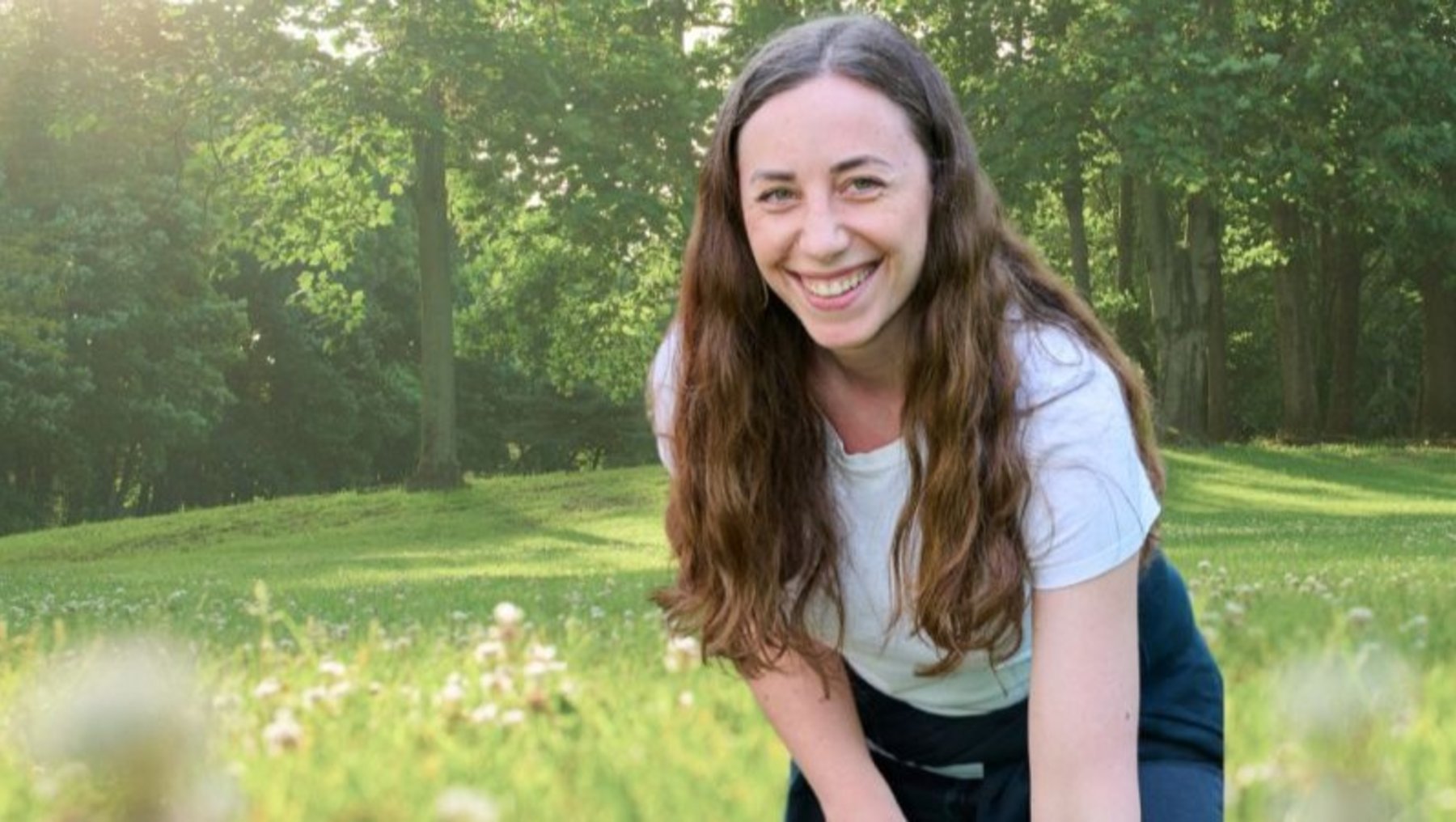 © Artenglück
From College to Startup: An Interview with Lara Boye
Whether it’s wildflower meadows, reforestation, or wetland restoration— Lara Boye, co-founder of Berlin-based Artenglück GmbH, is committed to increasing biodiversity and promoting sustainable nature conservation. A graduate of the master's degree program in Online Communications at Anhalt University of Applied Sciences, she combines digital expertise with ecological knowledge and demonstrates how entrepreneurship can be aligned with environmental responsibility.
Lara, what’s the story behind Artenglück?
“Artenglück offers customized nature conservation solutions such as perennial flower fields, forest reforestation, and wetland projects. From the very beginning, it was important to us to promote biodiversity where companies themselves want to take action—on their own properties, in the immediate vicinity of their facilities, or together with their own employees through team-building events.”
You appeared on the well-known VOX startup show *Die Höhle der Löwen* . How was your experience pitching the idea?
“That was a very exciting experience for Felix and me, and one from which we were able to learn a lot. Fortunately, we prepared very well with pitch training and clear agreements on our negotiation limits. In the end, we did receive an offer, but we turned it down because the terms didn’t suit us. That’s exactly what showed us how important it is to be confident and steadfast.”
Many students are toying with the idea of starting a business. What advice would you give them?
“The good tip is: just do it! Many people interested in starting a business hide behind all the planning and never take action. As a student, you have the best prerequisites: few obligations, plenty of freedom, and an environment where you’re allowed to experiment.”
Where do you see Artenglück in five years—and what role can universities and companies in Central Germany play in that?
“Our vision is to become the go-to provider for nature conservation-as-a-service in the German-speaking world. Universities are a key part of this—through projects, theses, and networks. Companies in Central Germany can also become pioneers if they open themselves up to pilot projects and thereby help shape the region in a sustainable way.”
Curious to learn more about Lara’s startup story, her experiences as a female founder, and her vision for sustainable entrepreneurship?
You can read the full interview in our Landvernetzen newsletter!
