XR-Hackathon 10.03. bis 13.03.2025
-
 © praxwerk
-
 © praxwerk
-
 © praxwerk
-
 © praxwerk
-
 © praxwerk
-
 © praxwerk
-
 © praxwerk
-
 © praxwerk
-
 © praxwerk
-
 © praxwerk
XR Hackathon 2025
→ hier gehts zu einem kurzen Video-Rückblick
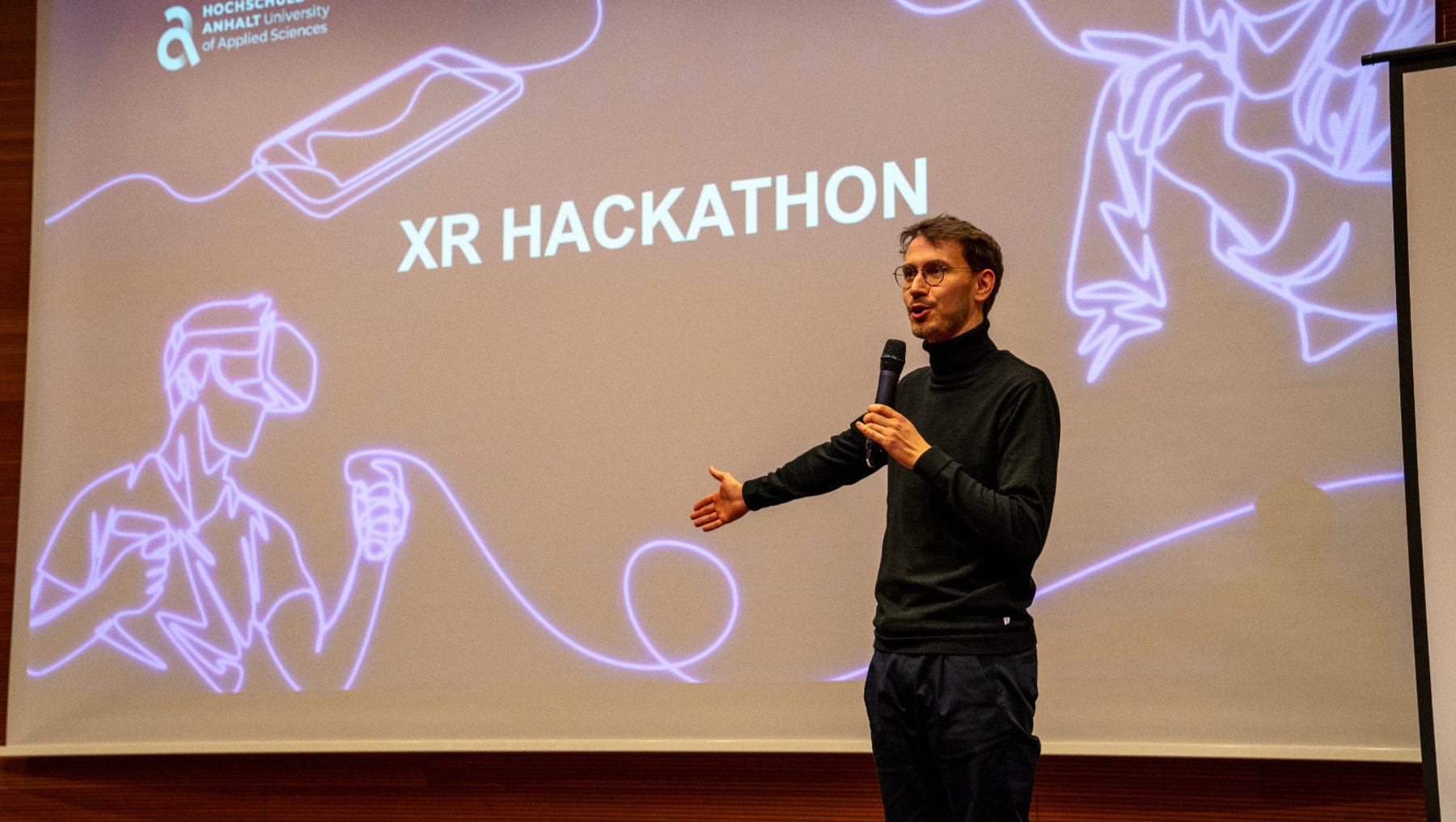
From March 10 to 13, 2025, the XR Hackathon took place at the Dessau Campus of Anhalt University, organized by the praxwerk project of Anhalt University.
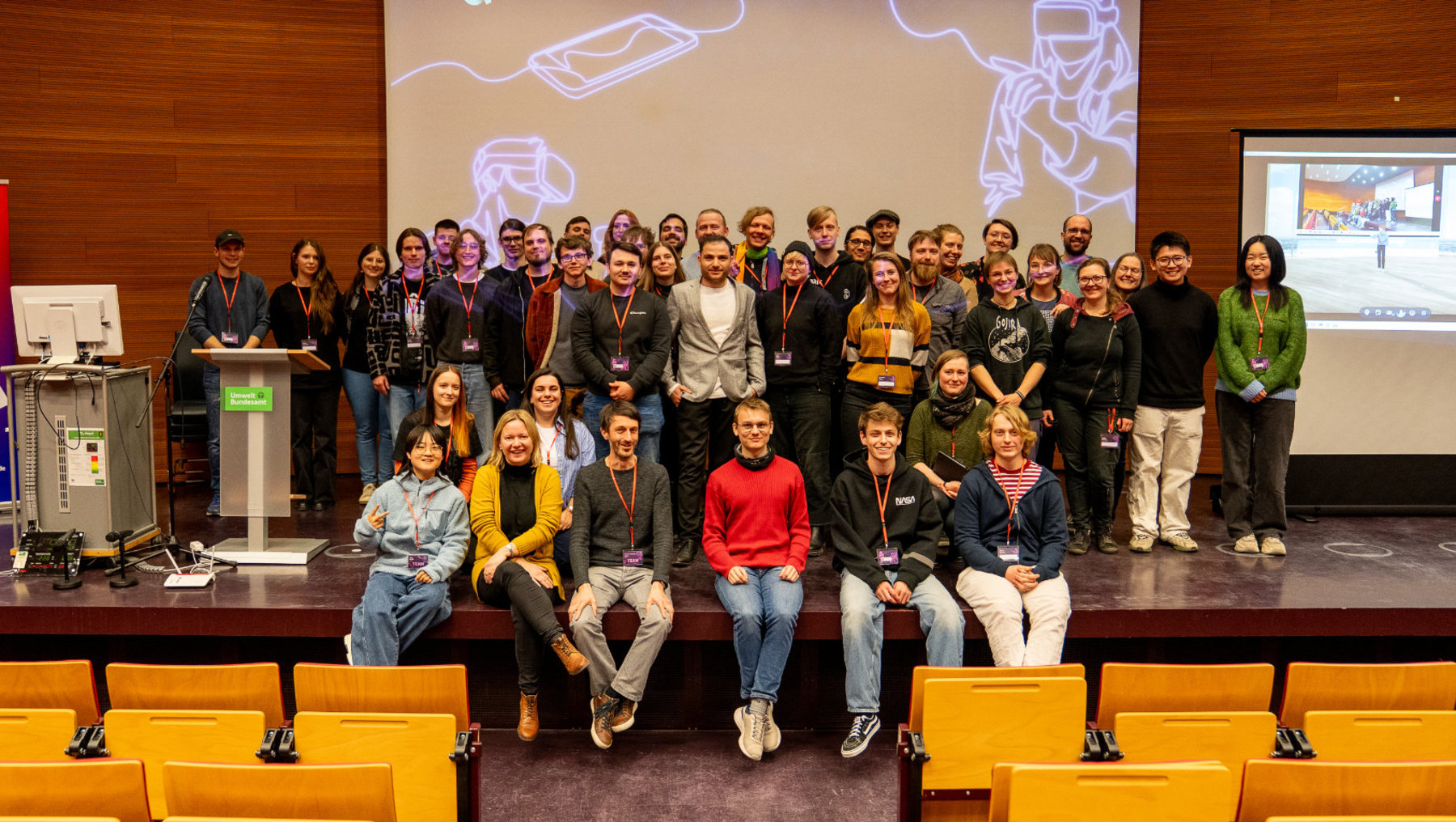
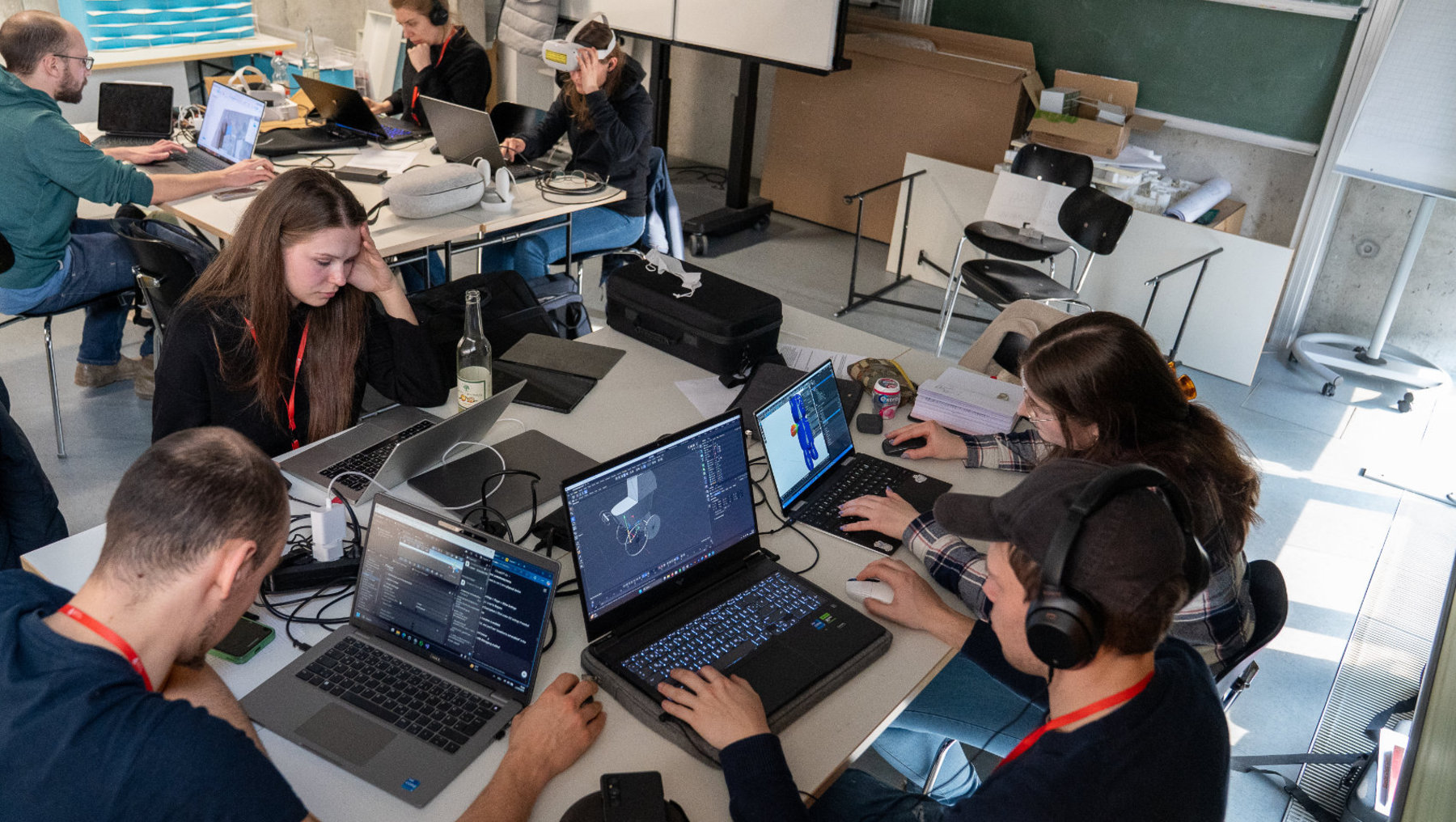
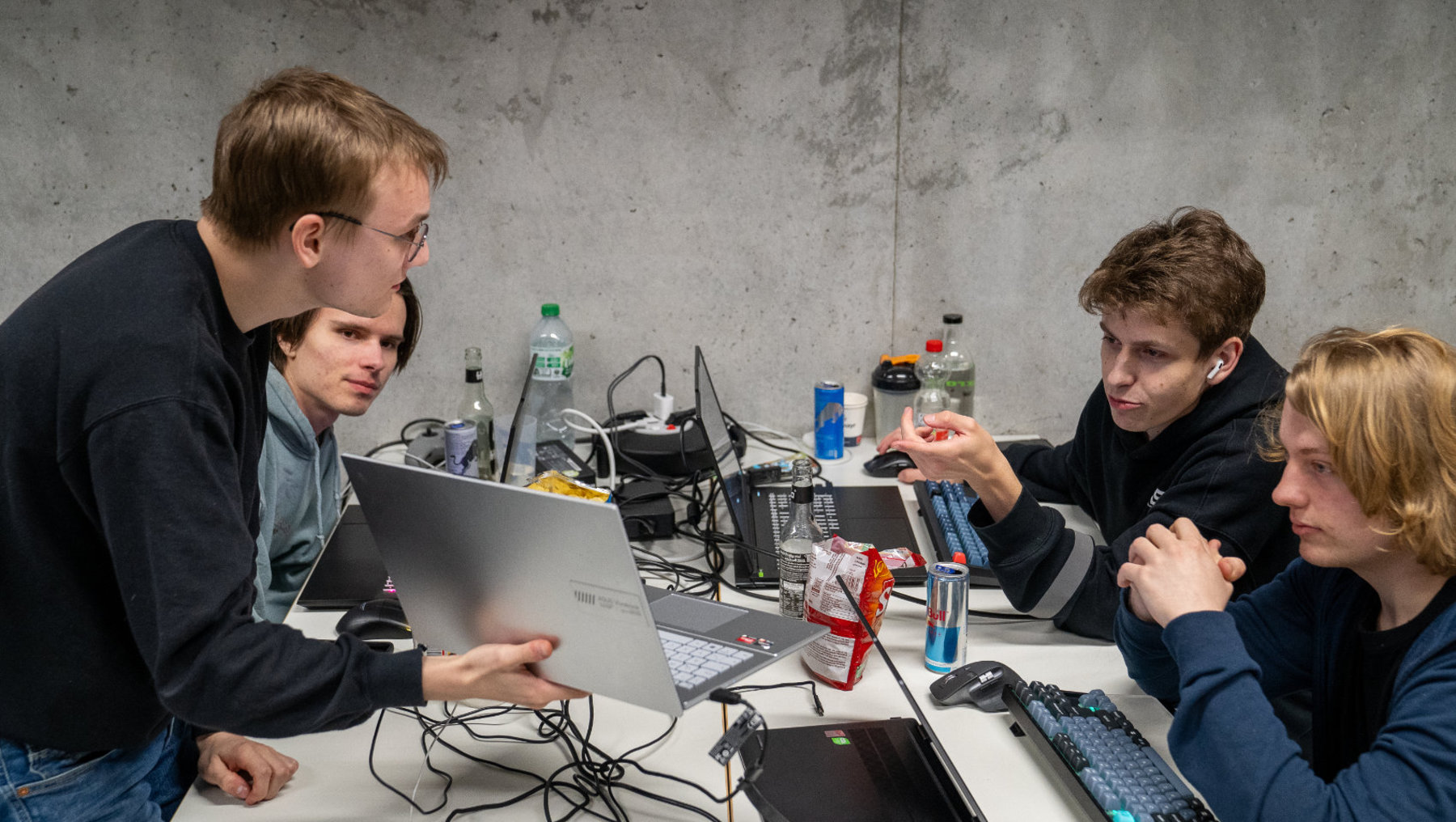
The aim of the hackathon was to provide participants from different disciplines with a platform to develop innovative solutions using Extended Reality (XR) technologies. In 11 teams, 42 participants worked on 8 topics in the areas of education, sustainable living, and environmental protection.
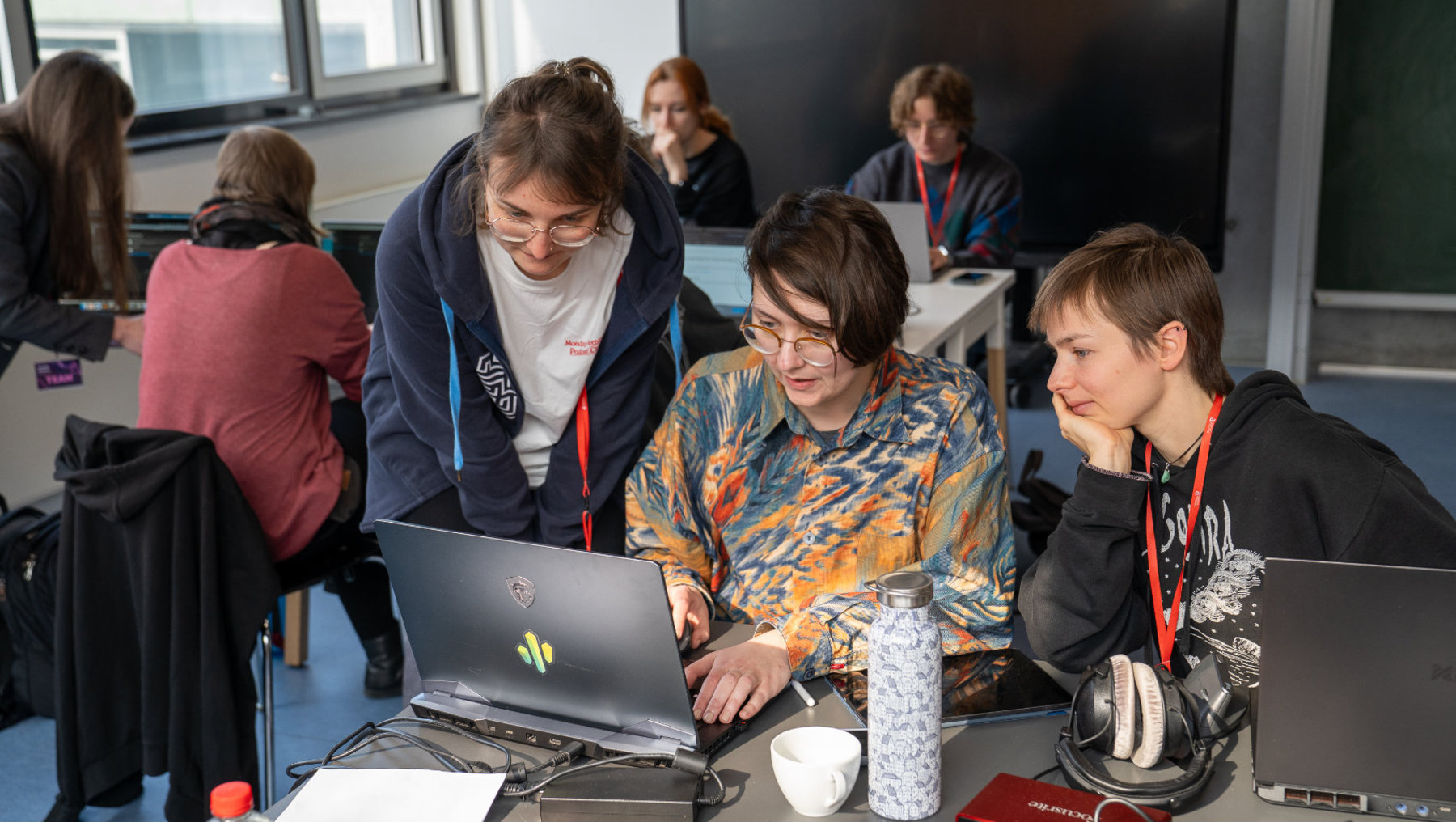
The participants had varying levels of technical knowledge: while some were already experienced XR developers, others gained their first practical experience with Unity and VR technologies at the hackathon. In addition to students, industry professionals also participated to contribute their expertise and collaboratively develop practical solutions.
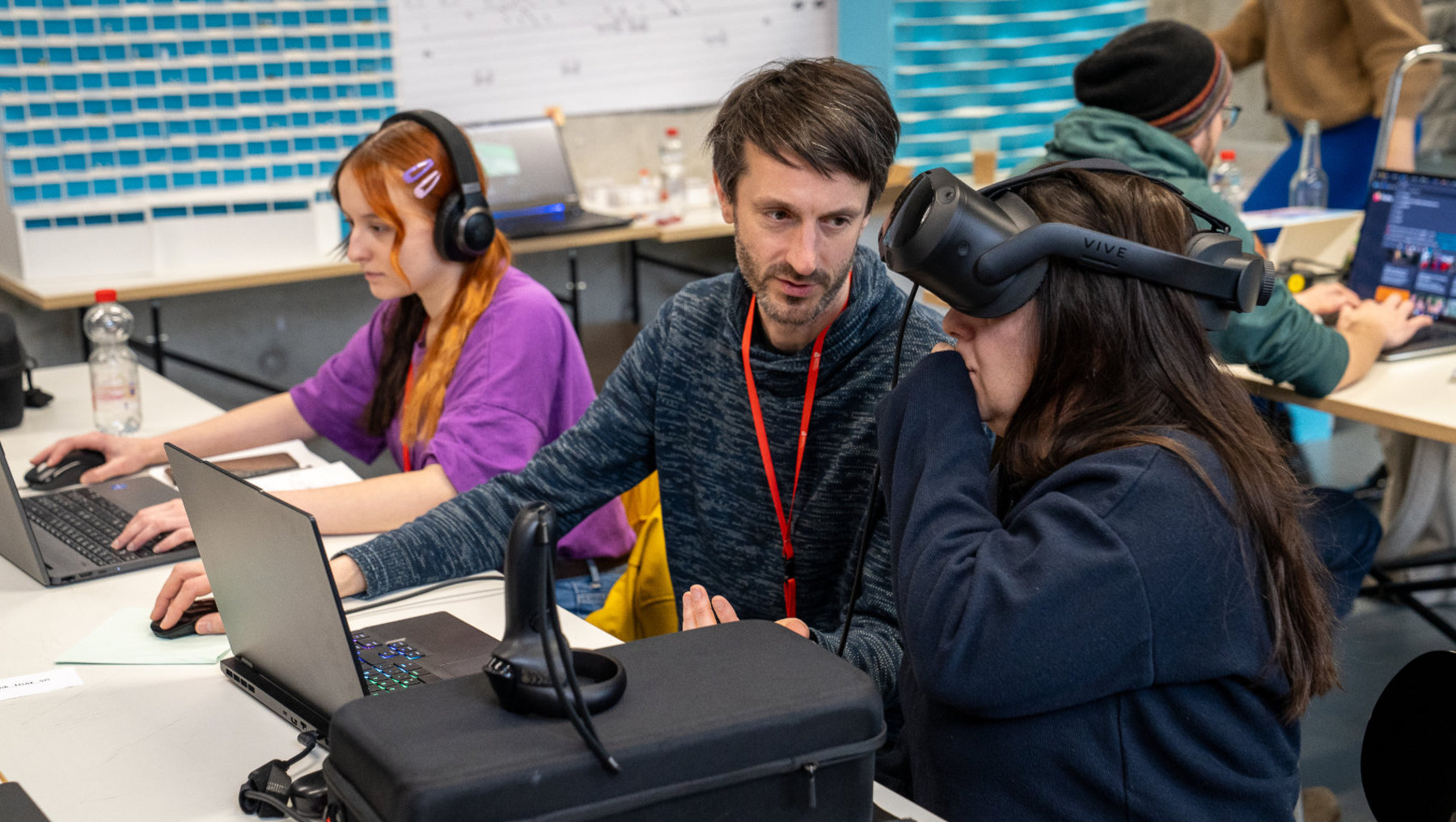
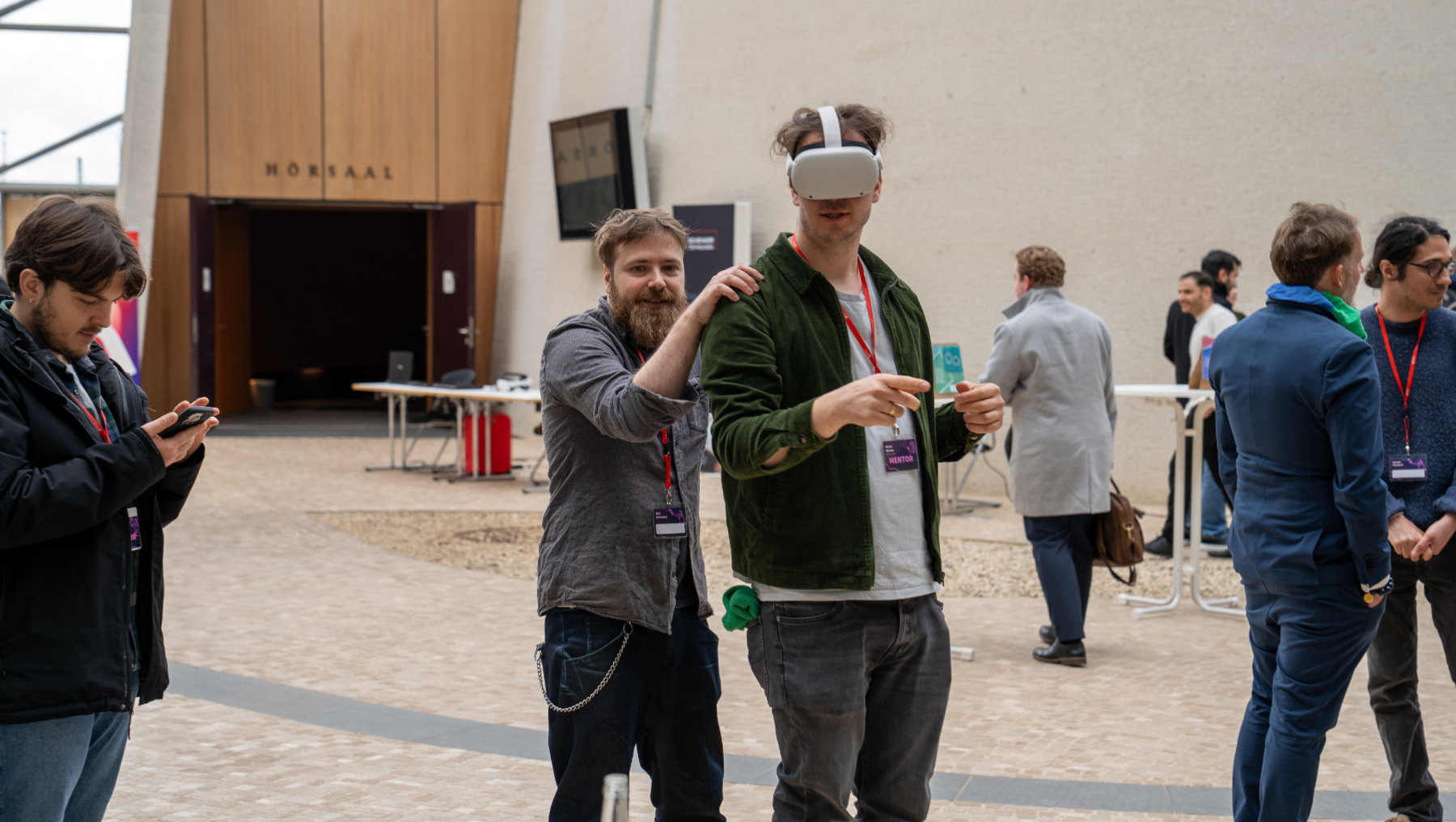
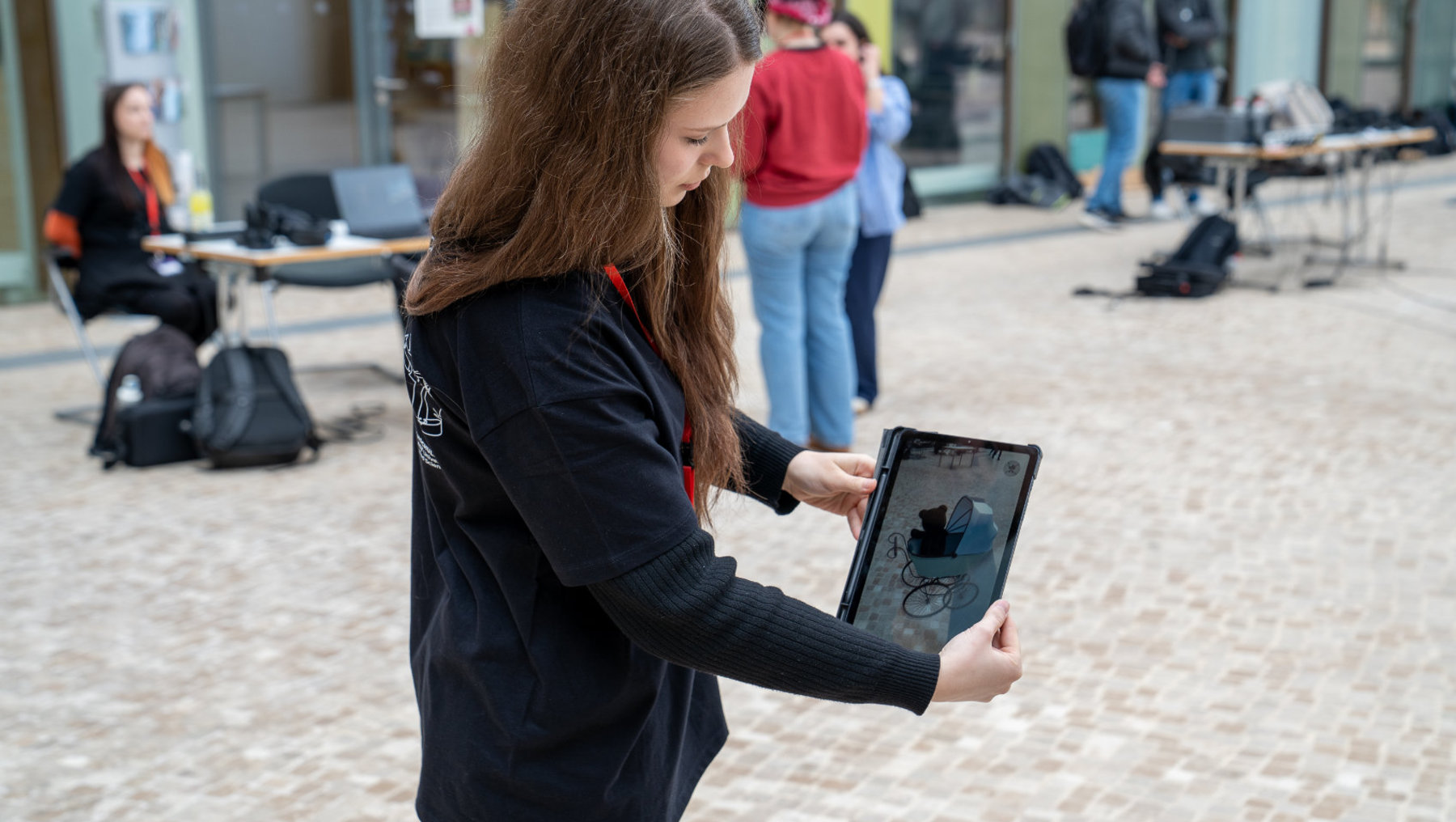
Various XR technologies were used for the different topics: while some teams developed an AR solution for mobile devices, others worked with virtual reality approaches. An example of this is two teams that developed virtual campus applications to give new students a better overview of the campus and the available services.
Alongside the hackathon, workshops on Unity & Git, 3D modeling, and pitch training were offered. These were intended to deepen technical knowledge and prepare participants for the final presentation of their projects. The teams received support from mentors from the Umweltbundesamt (German Environment Agency), the Bauhaus Dessau Foundation, and Anhalt University.
However, the event not only included VR but also partially took place in VR. Together with HTC, a virtual Anhalt University was created in Viverse – HTC's immersive platform. Here, the morning stand-up meeting was held, models and content could be shared virtually with other participants, and the final presentation was broadcast in Viverse, making remote participation possible.
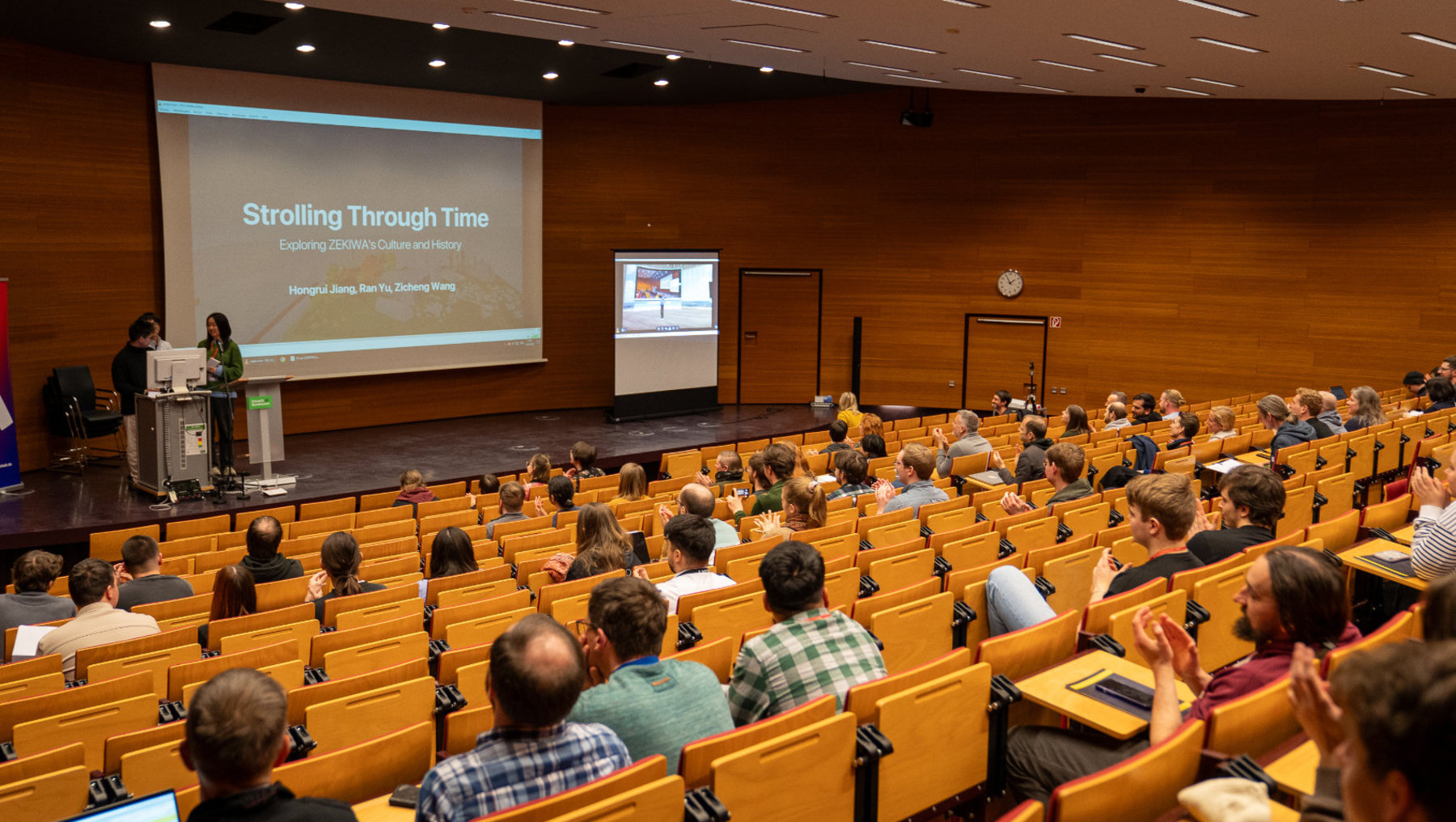
Within two days of intensive work, creative prototypes and concepts were developed. The final presentation took place on March 13 in the lecture hall of the German Environment Agency. The teams presented their results and showcased various solutions for the use of XR technologies in their areas. The first-place team developed the VR application "What's in the Box." It conveys concepts of sustainability and the innovative power of Bauhaus furniture. Users have the opportunity to virtually assemble the parts of Bauhaus furniture into sculptures.
The hackathon was supported by Unity, HTC Viverse, Schenker, the Umweltbundesamt (German Environment Agency), the Bauhaus Dessau Foundation, and the Stiftung Innovation in der Hochschullehre (Foundation for Innovation in University Teaching). A heartfelt thank you to all participants, mentors, and organizers for their commitment.
Der Hackathon wurde von Unity, HTC Viverse, Schenker, dem Umweltbundesamt, der Stiftung Bauhaus Dessau und der Stiftung Innovation in der Hochschullehre unterstützt. Ein herzliches Dankeschön an alle Teilnehmenden, Mentoren und Organisatoren für ihr Engagement.


