Professional Training Center (PTC) Bambi – Berufsbildung für Jugendliche in Zentral‑Unguja, Sansibar
 © Hochschule Anhalt
Entwerfen, Bauen, Verantwortung übernehmen
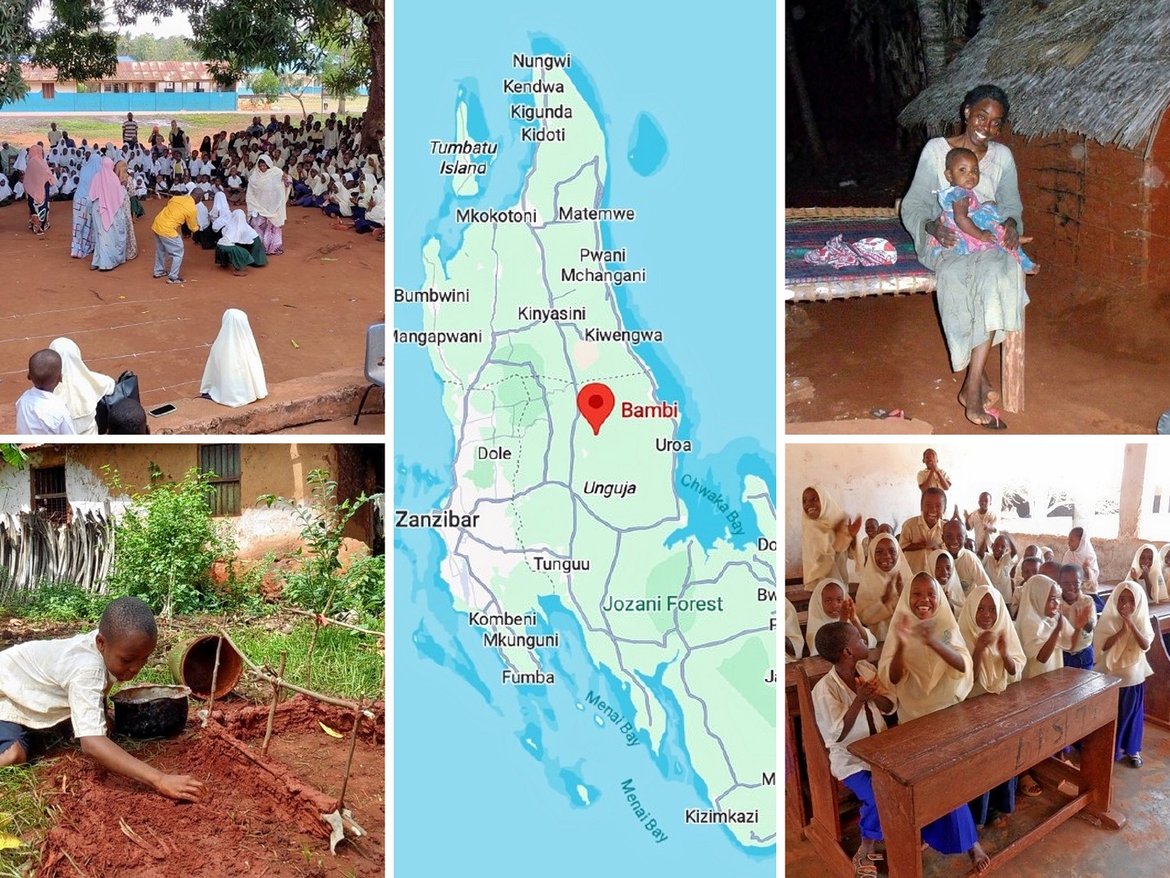
Dieses Projekt bietet euch die Möglichkeit, Teil eines internationalen Design‑Build‑ und Entwicklungsprojekts zu werden – mitten im Herzen der Insel Sansibar (Distrikt Unguja, Sansibar, Tansania). In der Gemeinde Bambi existiert bereits eine solide schulische Infrastruktur mit Kindergärten sowie einer Primary‑ und Secondary School. Was bislang fehlt, ist der entscheidende nächste Schritt: konkrete berufliche Perspektiven für junge Menschen nach dem Schulabschluss.
Genau hier setzt das Projekt an. Gemeinsam mit lokalen Akteur:innen – darunter das Village Development Committee, Jugendinitiativen und erfahrene Partner der Entwicklungszusammenarbeit – arbeiten wir am Aufbau eines Professional Training Centers (PTC). Ziel ist es, Jugendlichen praxisorientierte berufliche Fähigkeiten zu vermitteln, die ihnen den Weg in ein eigenes Einkommen, Selbstständigkeit oder ein kleines Gewerbe eröffnen. Das Trainingszentrum versteht sich als sinnvolle Ergänzung zur bestehenden Bildungslandschaft und als langfristiger Impuls für die soziale und wirtschaftliche Entwicklung der Gemeinde.
Für Studierende eröffnet das Projekt ein außergewöhnliches Lernfeld: Hier greifen Entwurf, Konstruktion, Organisation, Bildung und soziale Verantwortung unmittelbar ineinander. Ausgangspunkt ist eine intensive Auseinandersetzung mit dem Ort: Klima, Ressourcen, Baukultur, soziale Strukturen und Bedürfnisse der Menschen. Daraus entsteht Schritt für Schritt ein räumliches, funktionales und organisatorisches Gesamtkonzept für das Trainingszentrum – weit über das reine Gebäude hinaus.
Ein zentraler Schwerpunkt liegt auf einfachen, klimaangepassten und robusten Bauweisen, die mit lokal verfügbaren Materialien umgesetzt werden können. Europäische Standards werden kritisch hinterfragt, lokale Baupraktiken ernst genommen und weitergedacht. Nachhaltigkeit bedeutet hier nicht nur ökologisches Bauen, sondern auch Wartungsarmut, langfristige Nutzbarkeit und echte lokale Verantwortung (Ownership).
Das Projekt ist als mehrstufiger Prozess angelegt: von Analyse und Konzeptentwicklung über Entwurf und Ausarbeitung bis hin zu einer möglichen Umsetzung vor Ort. Gearbeitet wird in interdisziplinären Teams, im engen Austausch mit den lokalen Partner:innen. Workshops, fachliche Inputs und gemeinsame Reflexion begleiten den Prozess und eröffnen neue Perspektiven auf Architektur, globales Lernen und internationale Zusammenarbeit.
Angesprochen sind alle Studierenden, unabhängig von Fachrichtung oder Vorerfahrung, die Lust haben, sich auf einen neuen Kontext einzulassen und an einer realen Aufgabe mit gesellschaftlicher Relevanz zu arbeiten. Gefragt sind Neugier, Engagement, Offenheit und Teamgeist – ebenso wie die Bereitschaft, Verantwortung zu übernehmen und den eigenen fachlichen Horizont zu erweitern.
Wer Architektur nicht nur entwerfen, sondern wirksam einsetzen möchte – an der Schnittstelle von Gestaltung, Technik, sozialem Engagement und globalem Lernen – findet im Projekt Bambi die Chance, aktiv an einer nachhaltigen Zukunft mitzuwirken.
Projektstandort
Weitere Informationen
 © Hochschule Anhalt
Entwurfsprojekt WS 2026/27
Prof. Dr. Claus Dießenbacher
M.A. Michael Bieler
WiSe 2026/27
Machbarkeitsstudie
SoSe 2027
Entwurfsplanung
WiSe 2027/28
Ausführungsplanung
SoSe 2028
Baumanagement und Vorbereitung
Semesterferien 2028
Projektumsetzung
Die Teilnahme an diesem internationalen DesignBuild‑Projekt bedeutet, aktiv an realen Veränderungen mitzuwirken – und erfordert daher ein hohes Maß an persönlichem Engagement.
Die Teilnehmenden übernehmen Verantwortung nicht nur für die gemeinsame Zeit vor Ort in Tansania/Sansibar, sondern auch für den Weg dorthin.
Reise‑ und Aufenthaltskosten während der Umsetzungsphase sind grundsätzlich selbst zu tragen. Gleichzeitig bestehen verschiedene Möglichkeiten zur Unterstützung, etwa durch Anträge beim Akademischen Auslandsamt, Auslandsstipendien oder eine gemeinsame studentische Spendenakquise im Projektteam. Darüber hinaus sollten auch für die Entwurfs‑ und Vorbereitungsphase des Bauvorhabens ausreichend Ressourcen eingeplant werden, um eine fundierte und nachhaltige Umsetzung zu ermöglichen.
Im Gegenzug bietet das Projekt die Chance, intensiv in einem internationalen Team zu arbeiten, direkt mit lokalen Partner:innen zusammenzuarbeiten und einen langfristig wirksamen Beitrag zu leisten, der weit über den akademischen Kontext hinausgeht.
