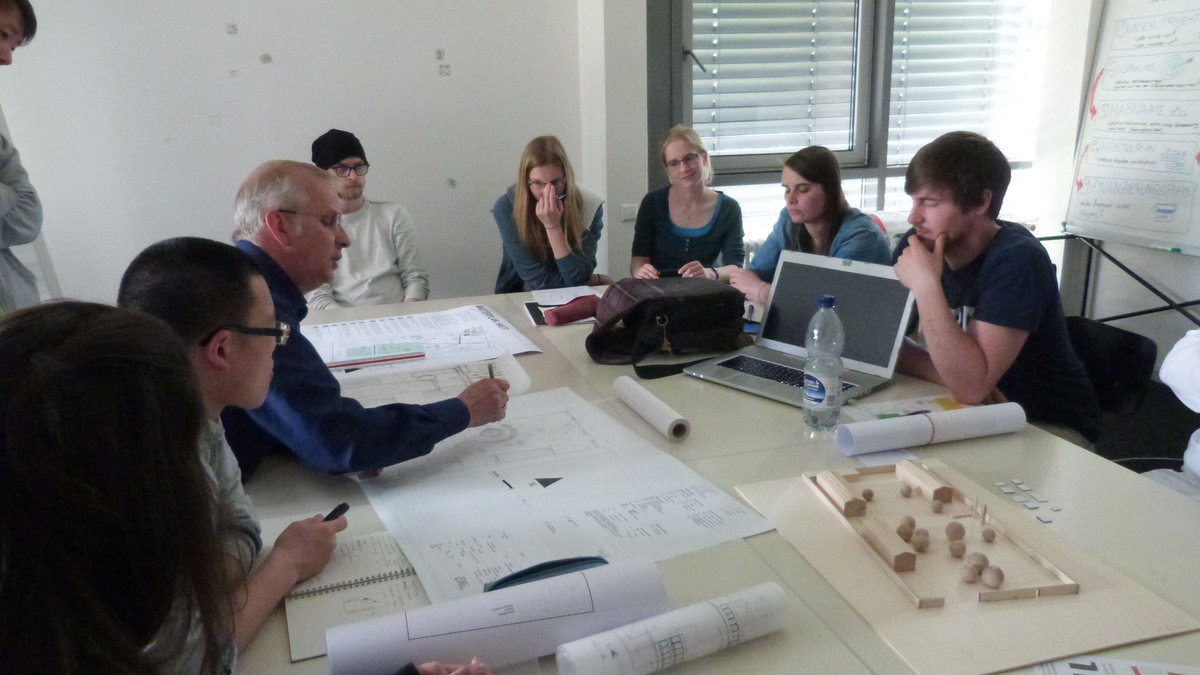
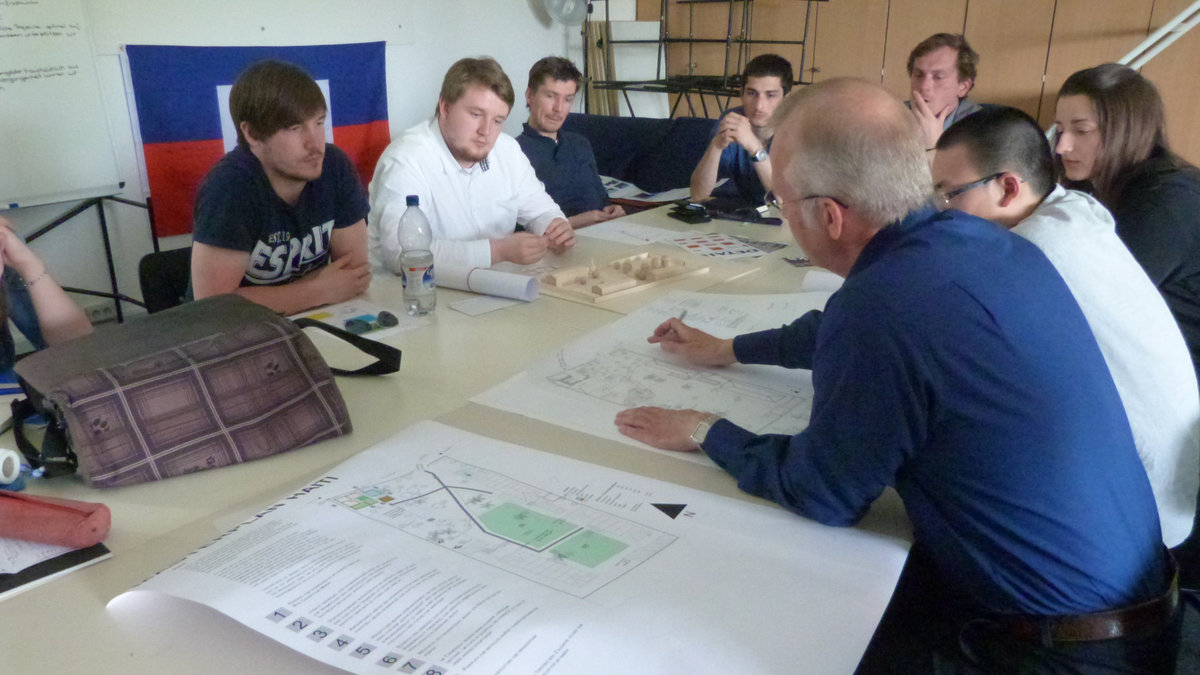
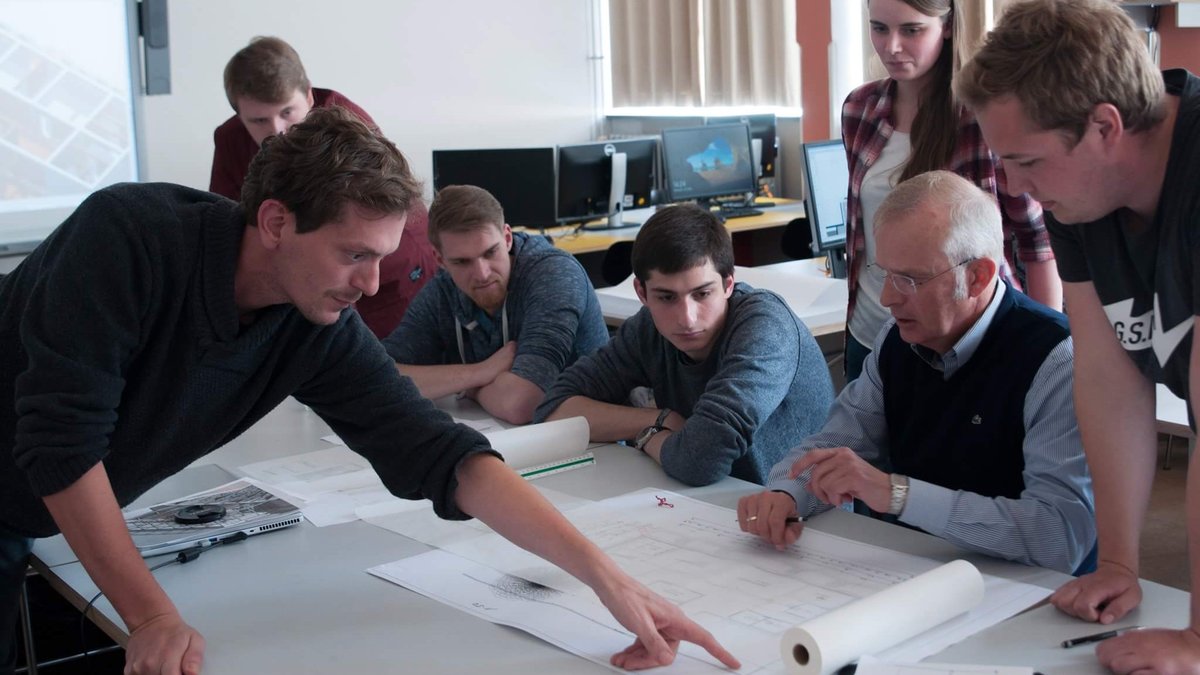
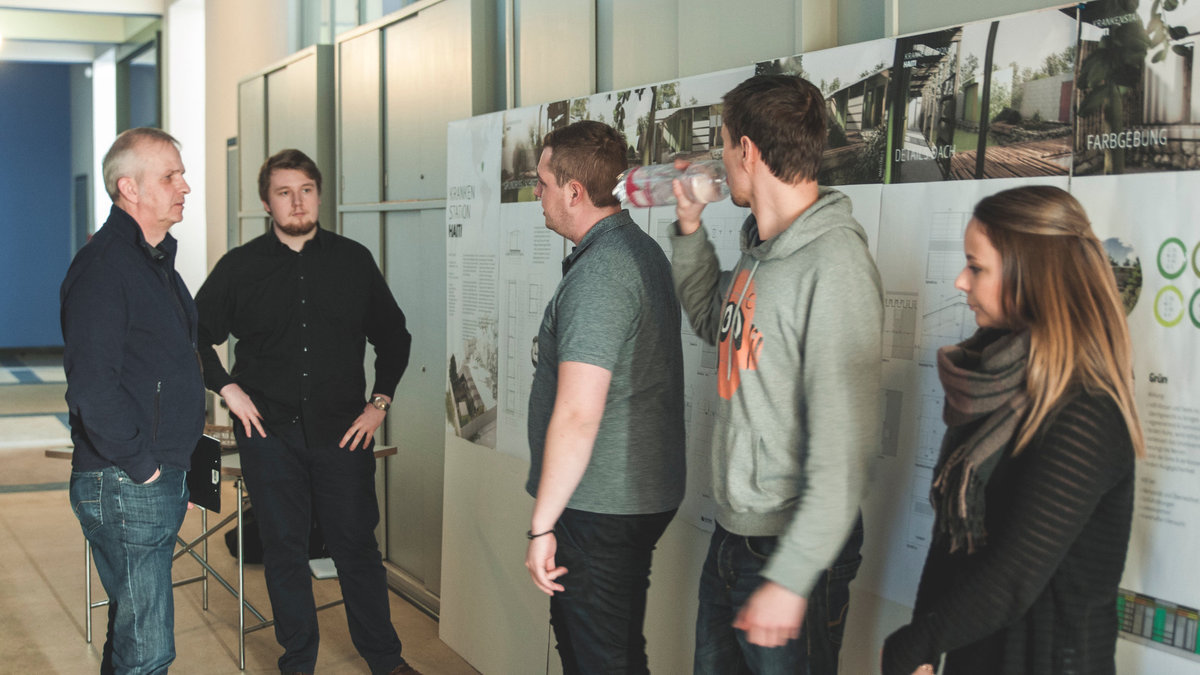
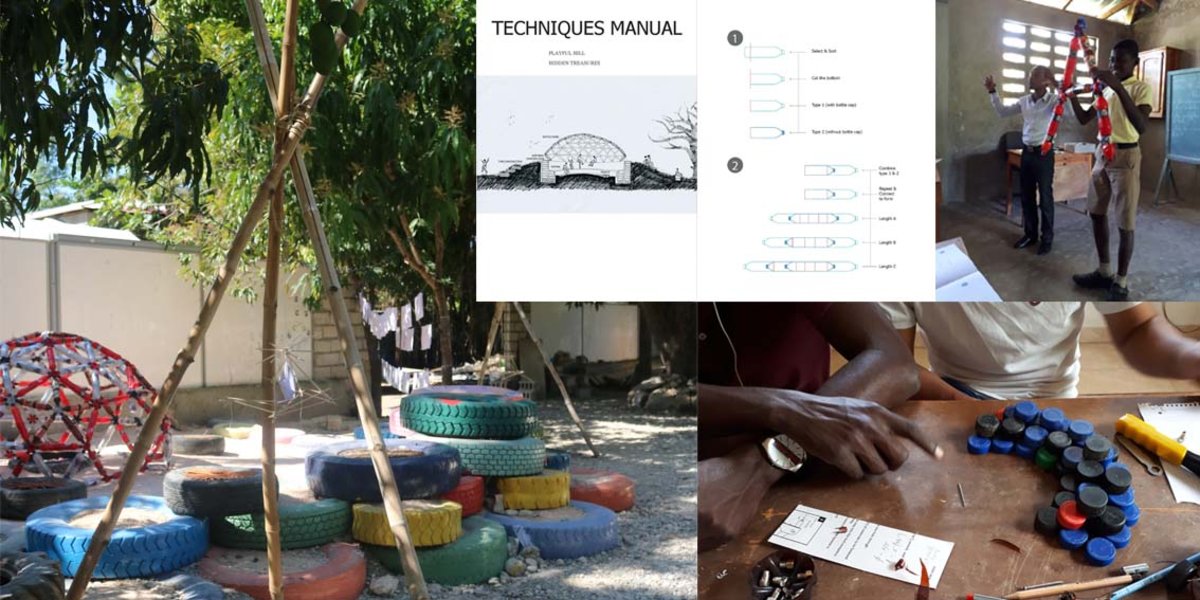
„Haiti“ Project, Haiti 2018
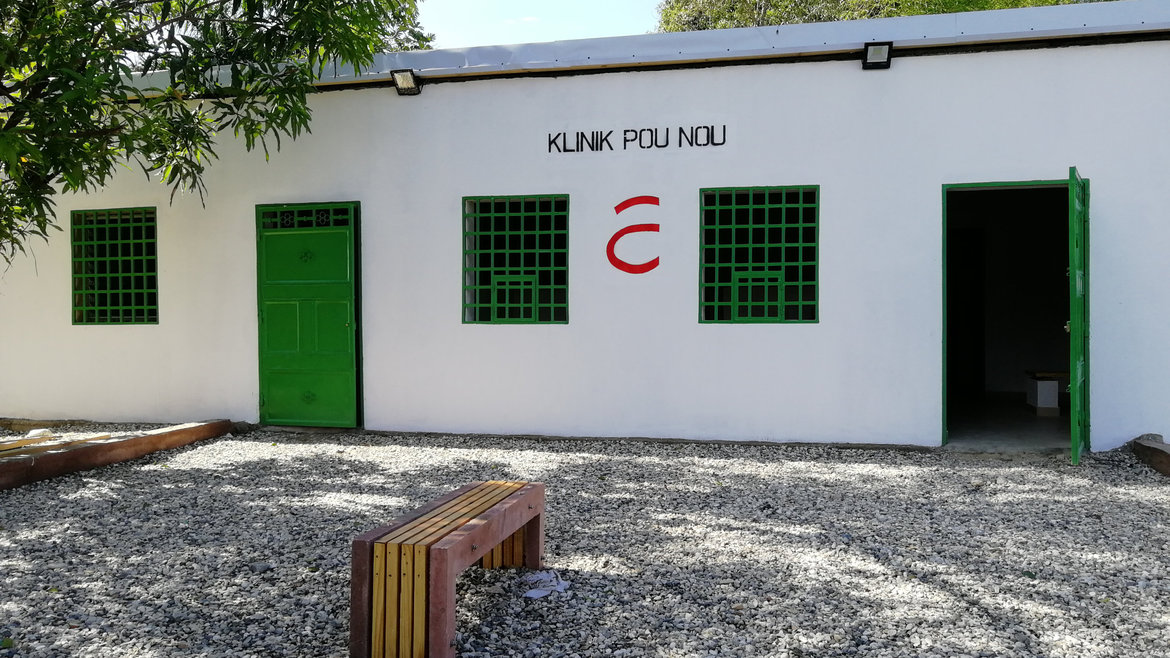 © Hochschule Anhalt
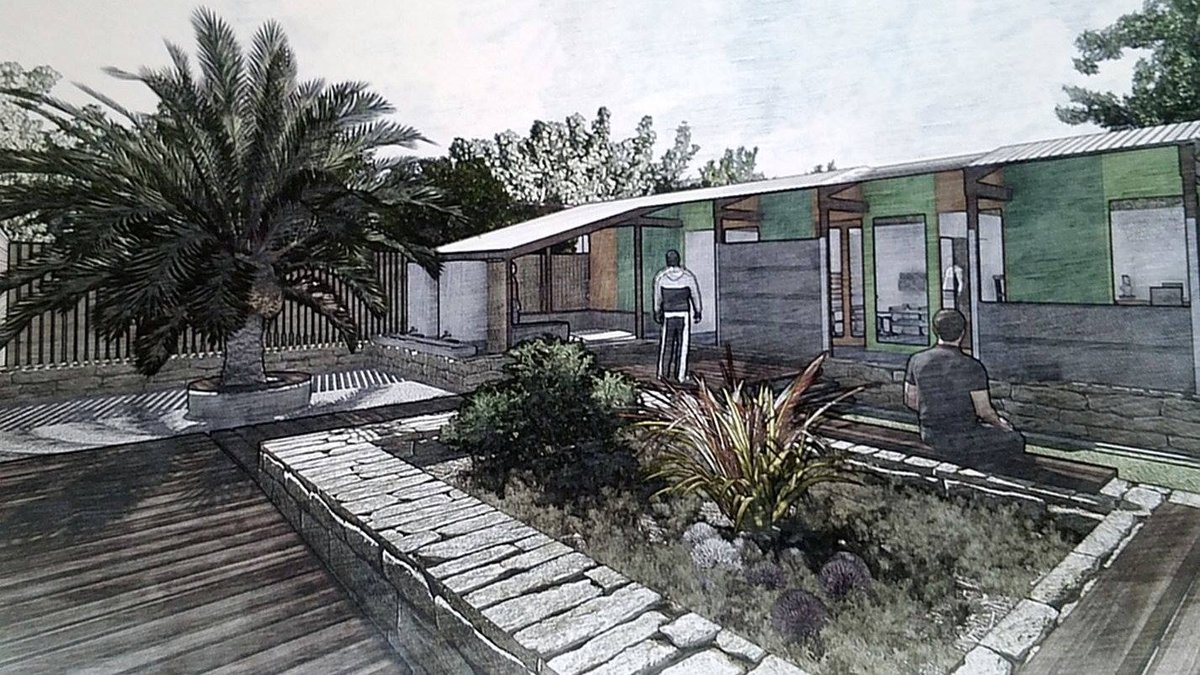
A Health Clinic for Jacmel
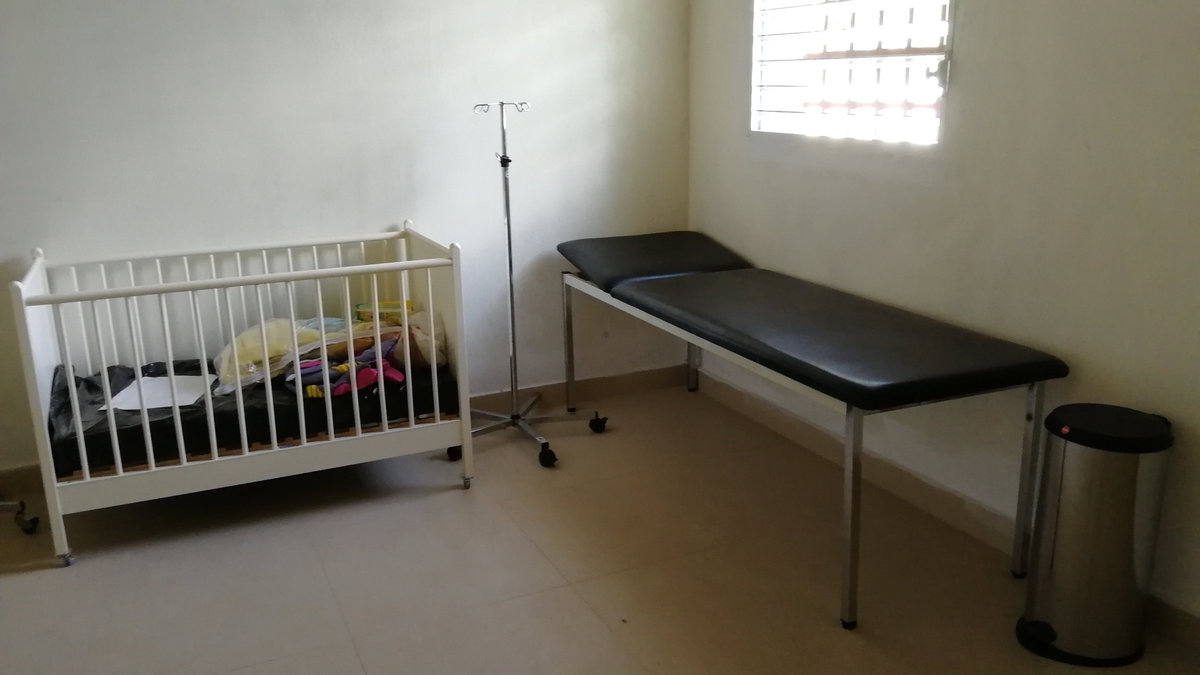
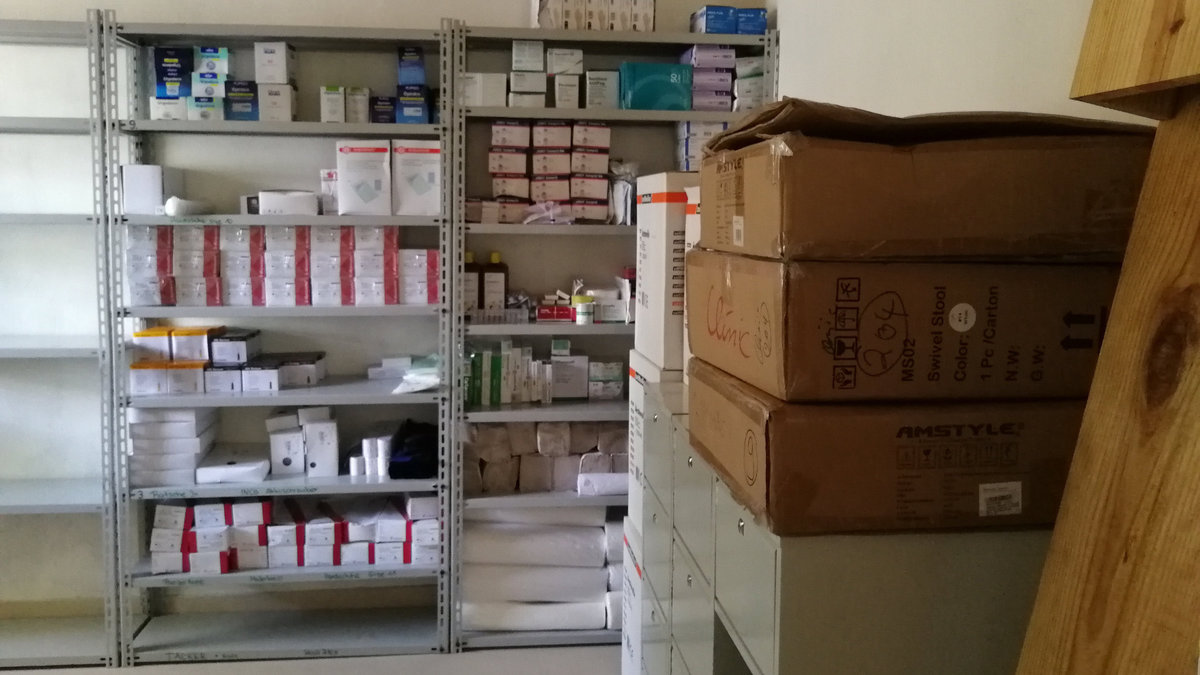
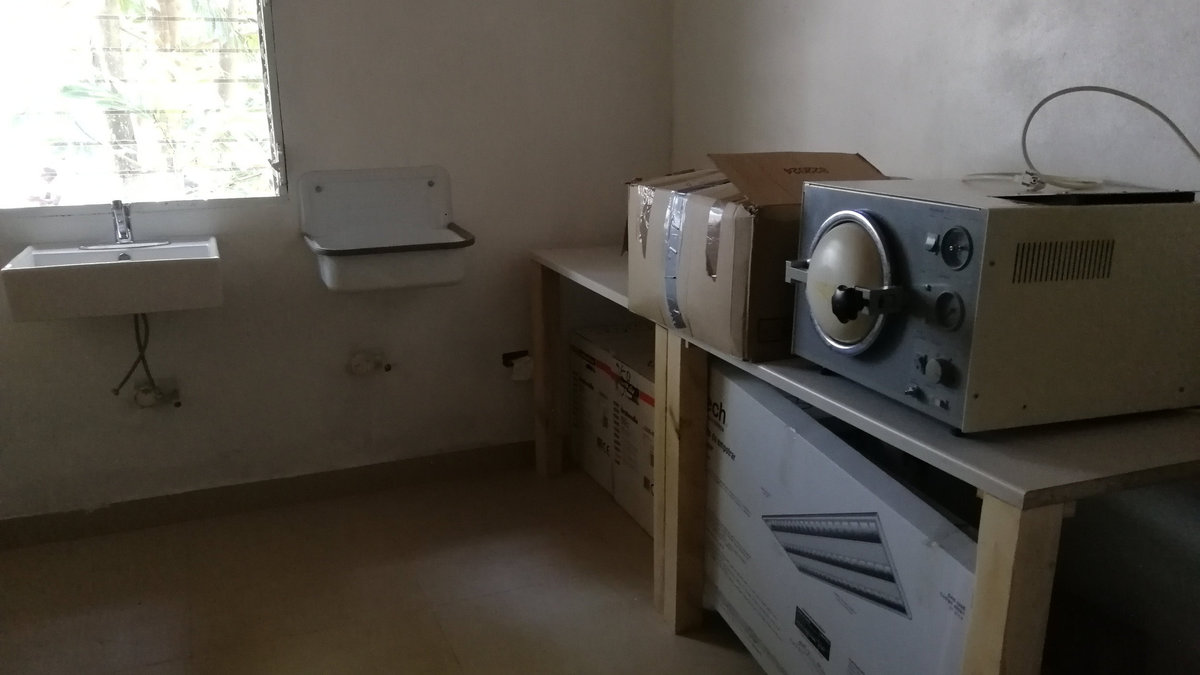
Haiti, as the most socio-economically disadvantaged country in the Western Hemisphere, is characterized by recurring natural disasters such as hurricanes and earthquakes, as well as by unstable and corruption-prone governmental structures. These factors significantly hinder the sustainable development of essential infrastructure. The small town of Jacmel, located south of the capital Port-au-Prince, exemplifies the challenges faced by the country. The devastating earthquake of 2010 forced numerous residents to leave their destroyed homes and seek refuge in temporary shelters on the outskirts of the city. To this day, these newly formed settlements lack adequate medical care.
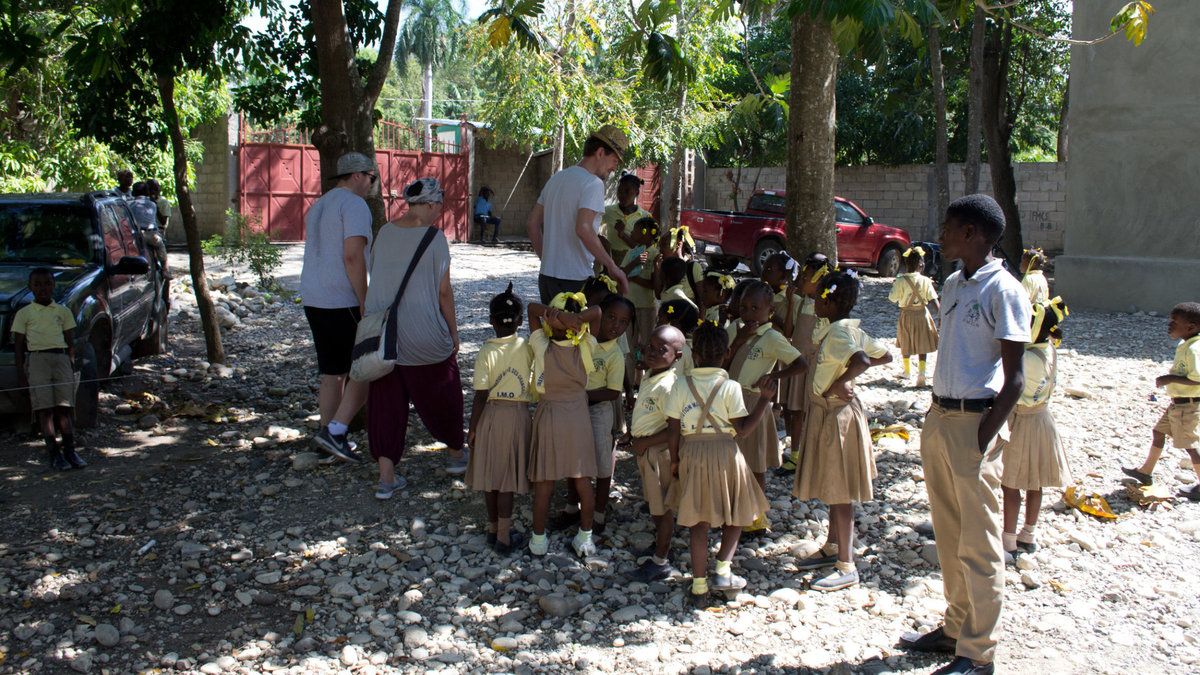
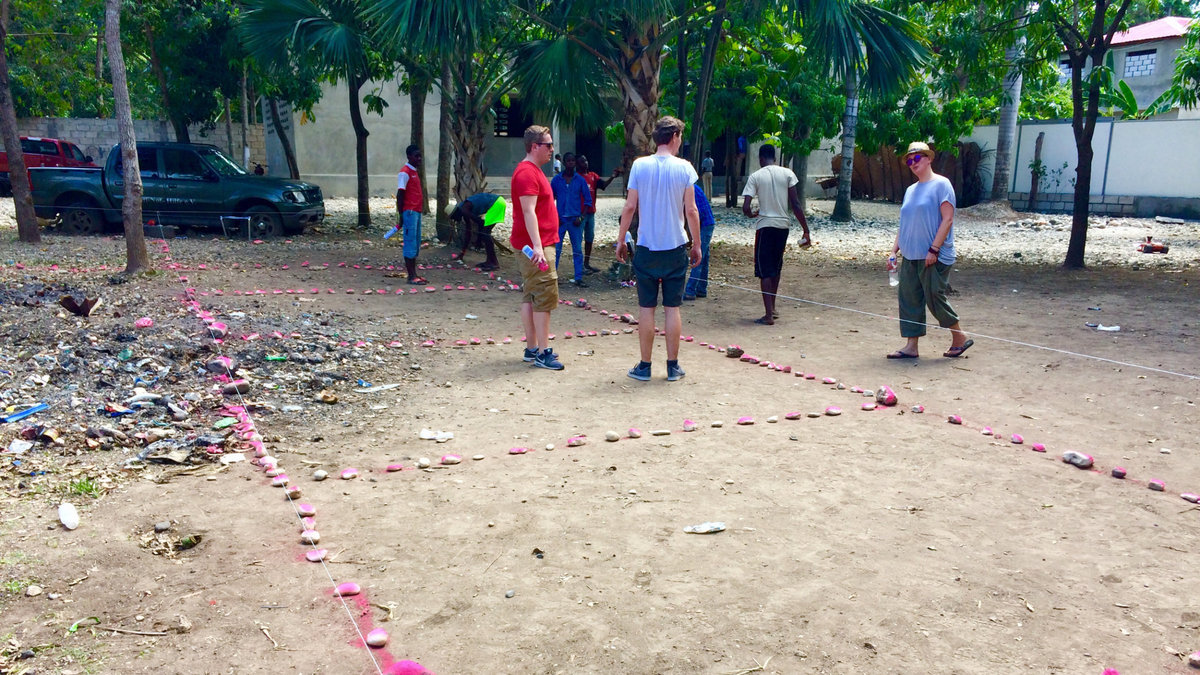
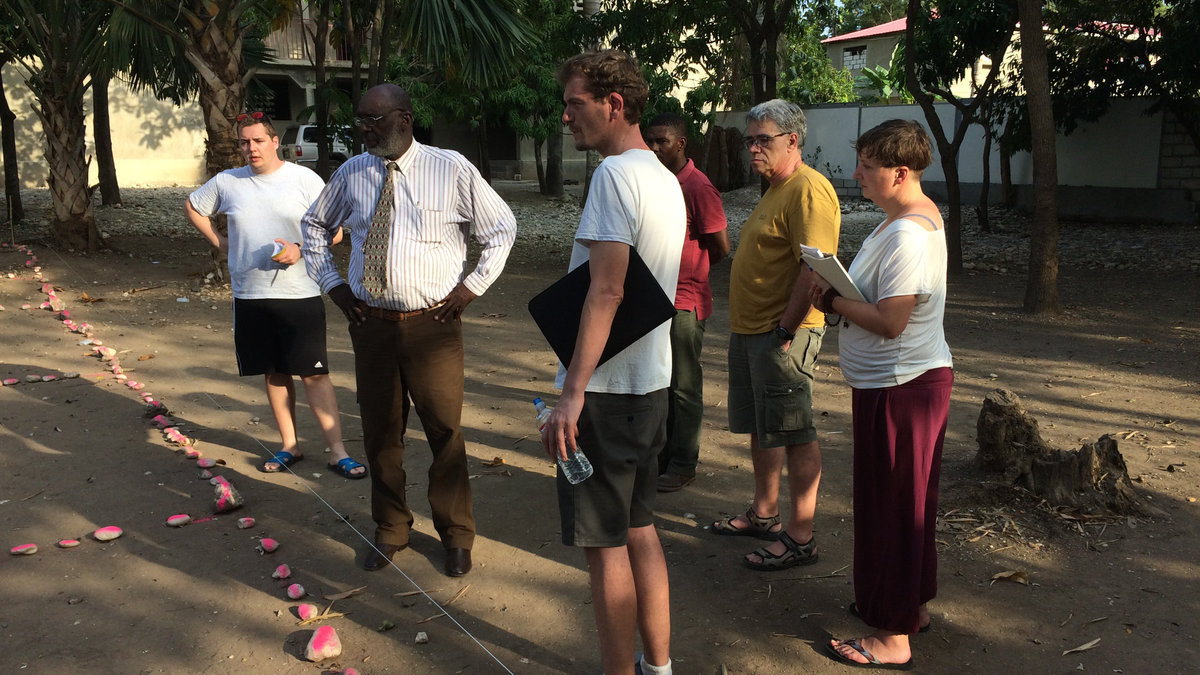
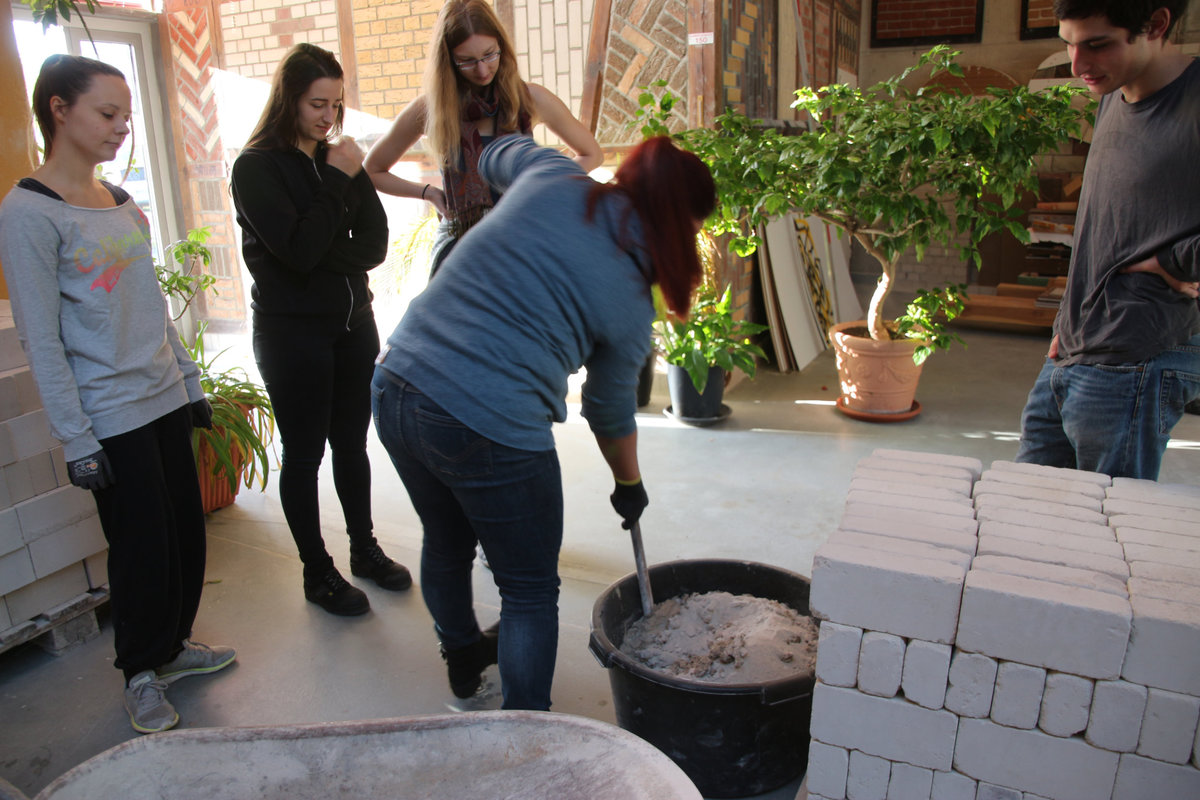
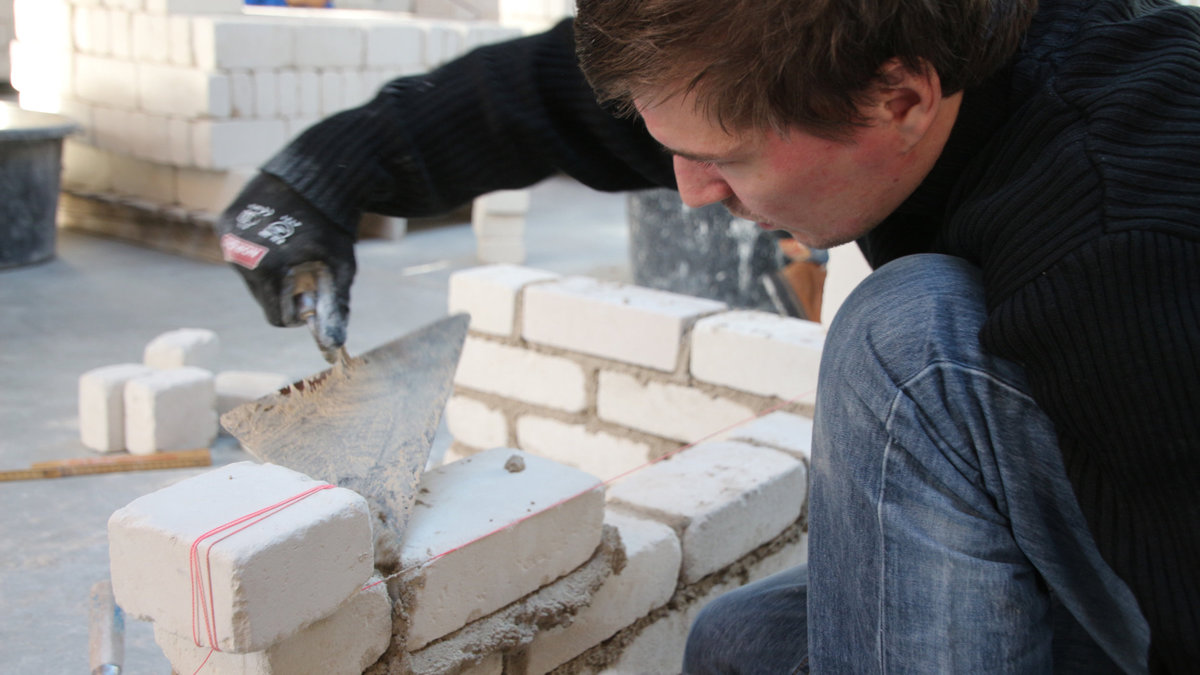
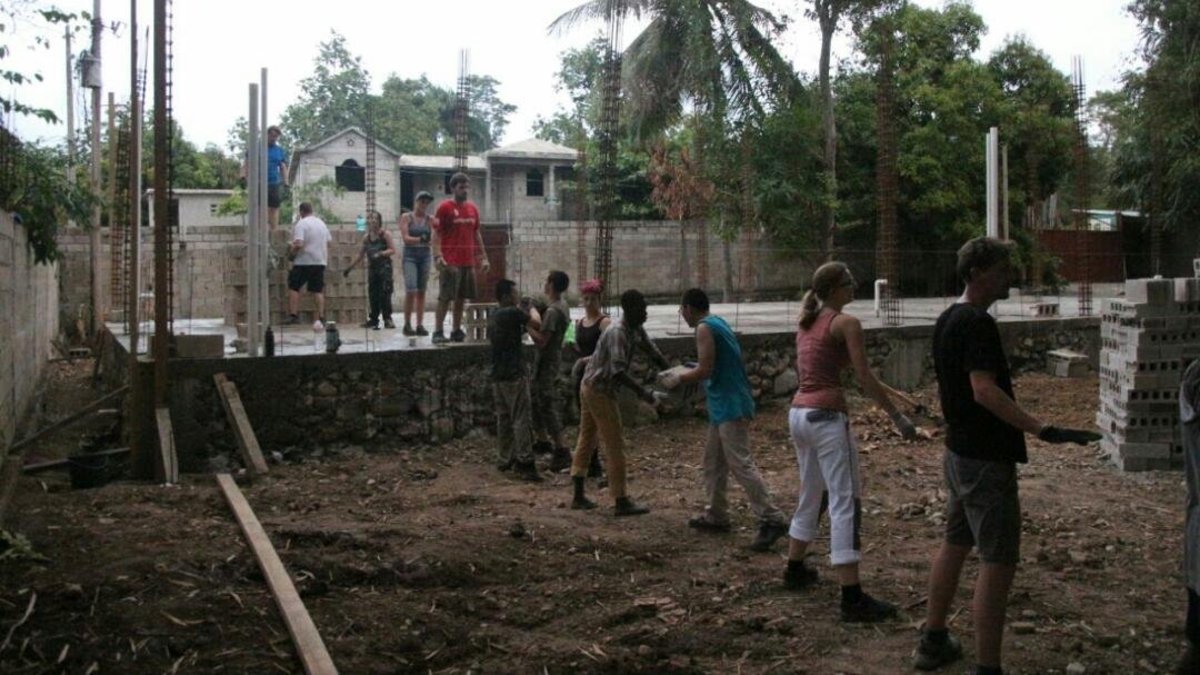
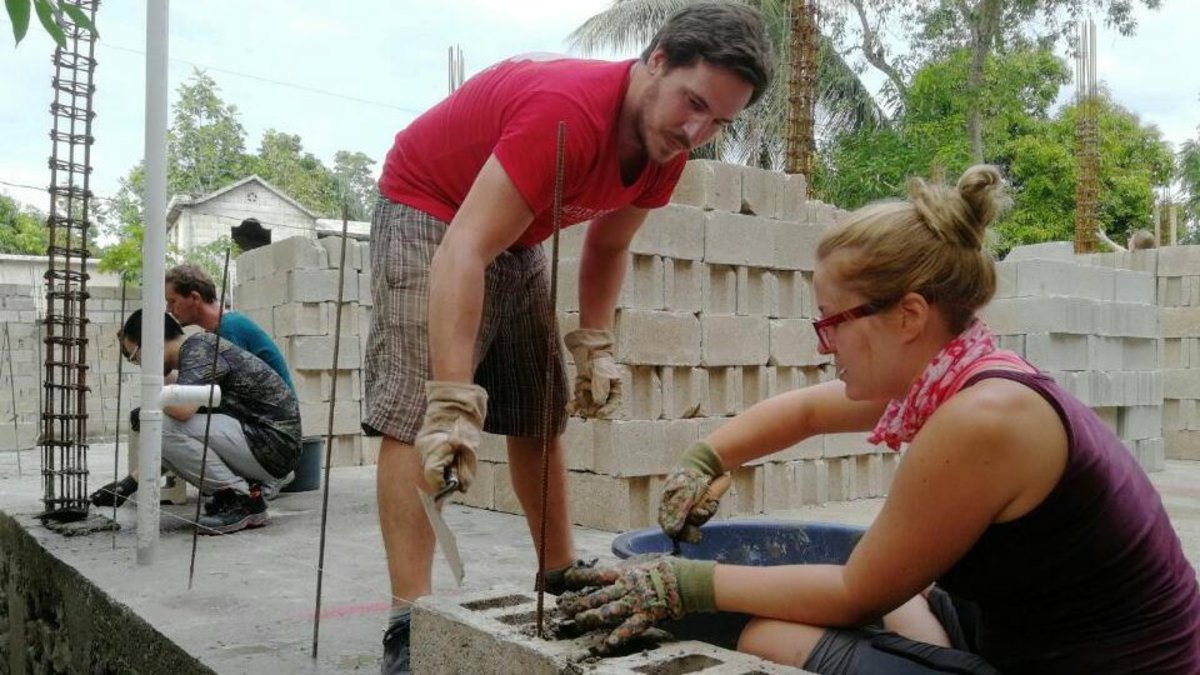
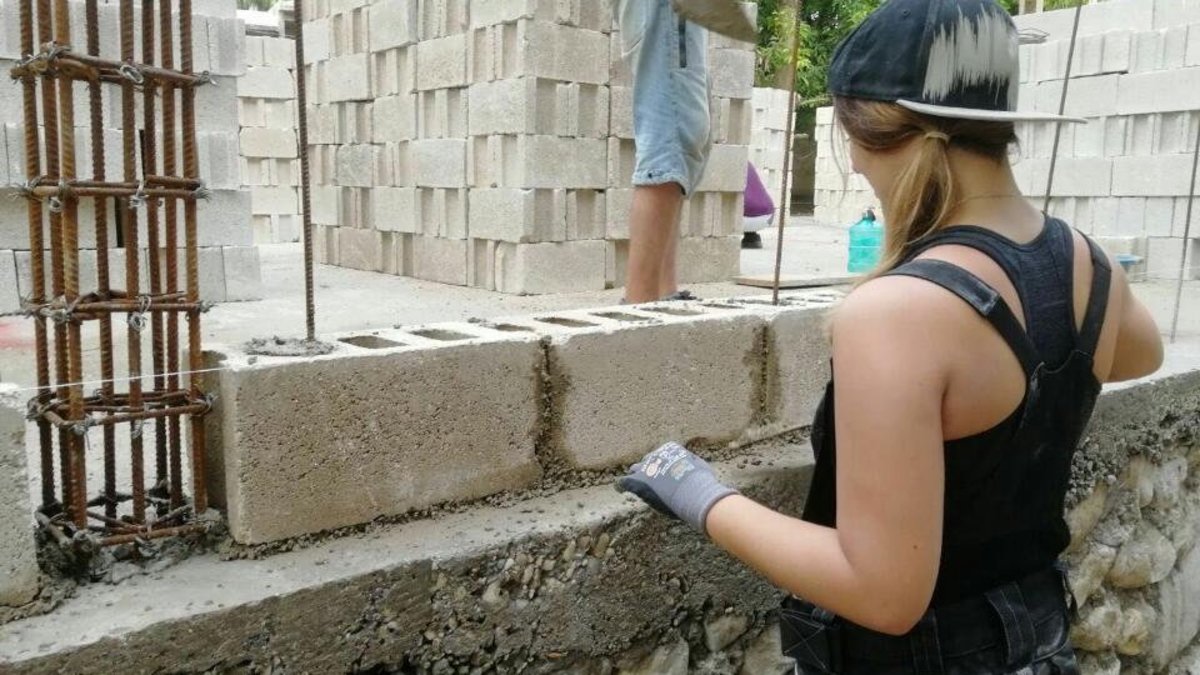
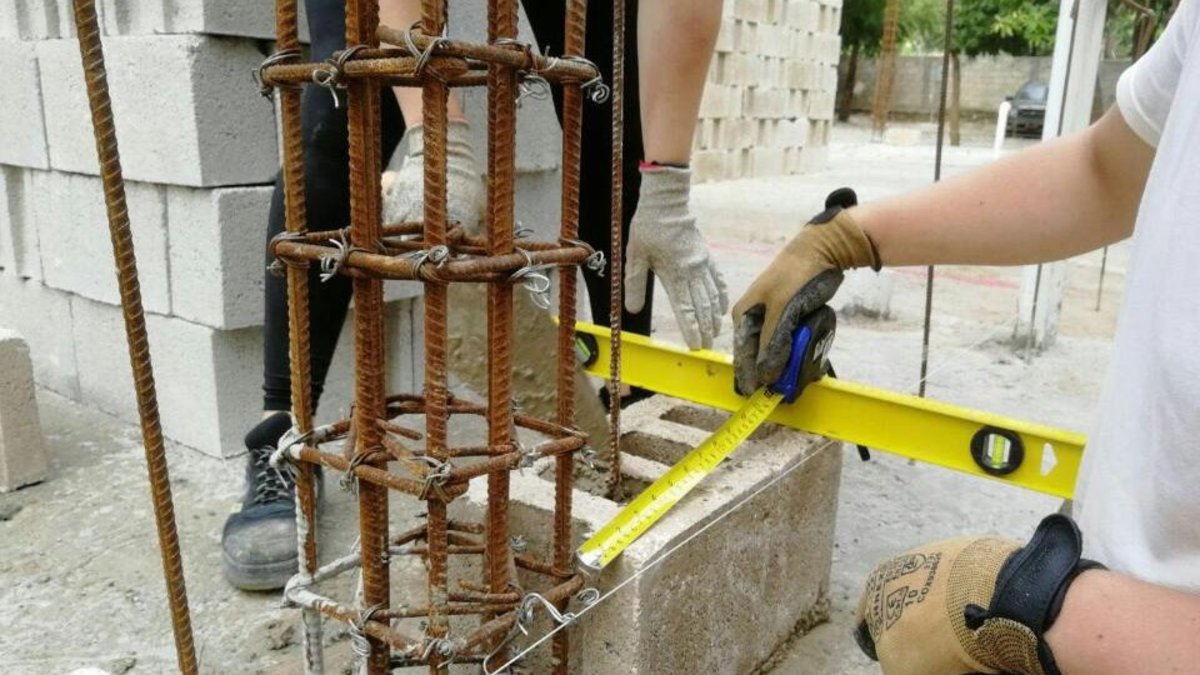
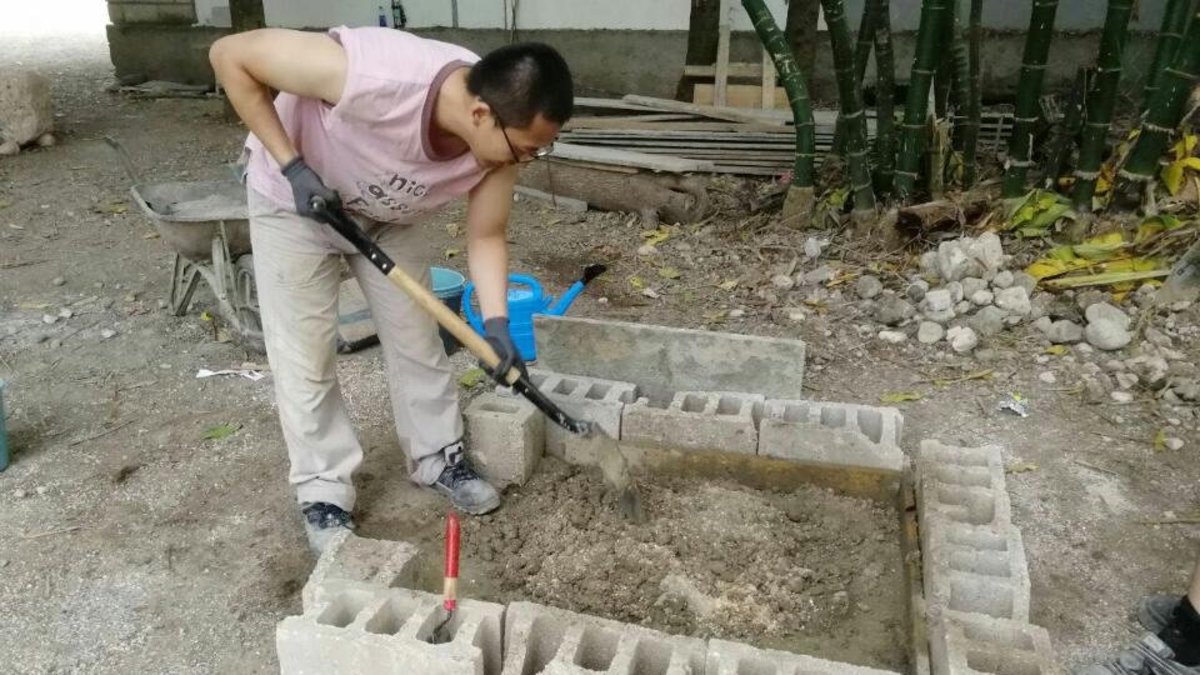
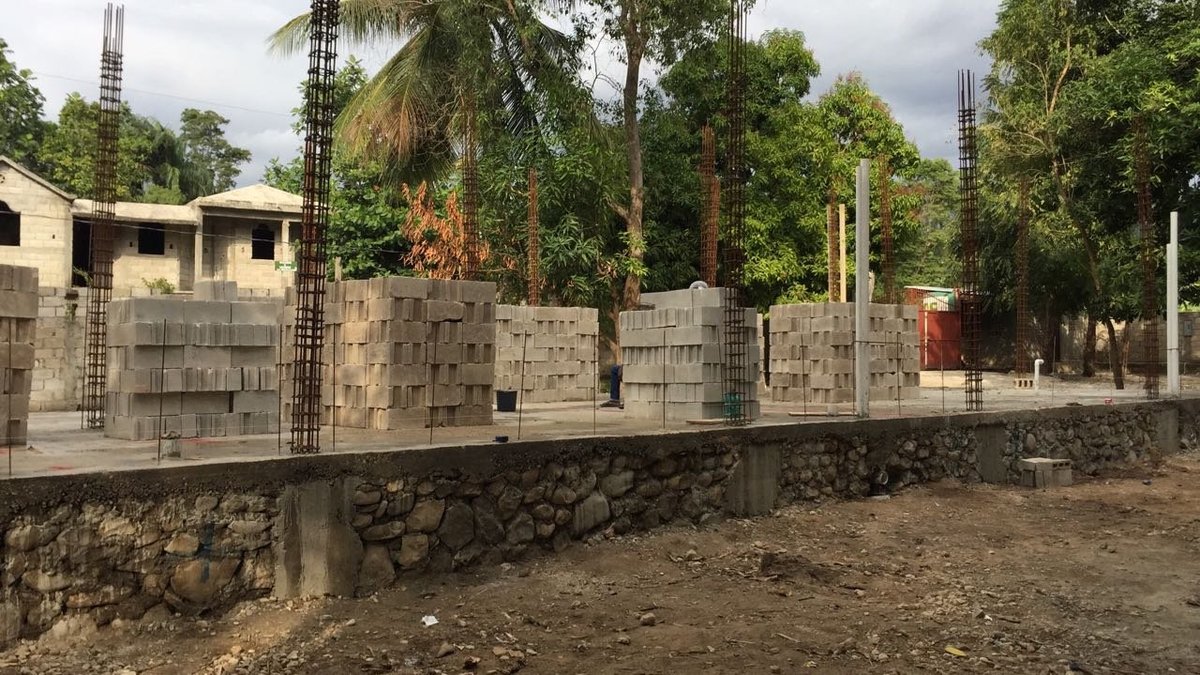
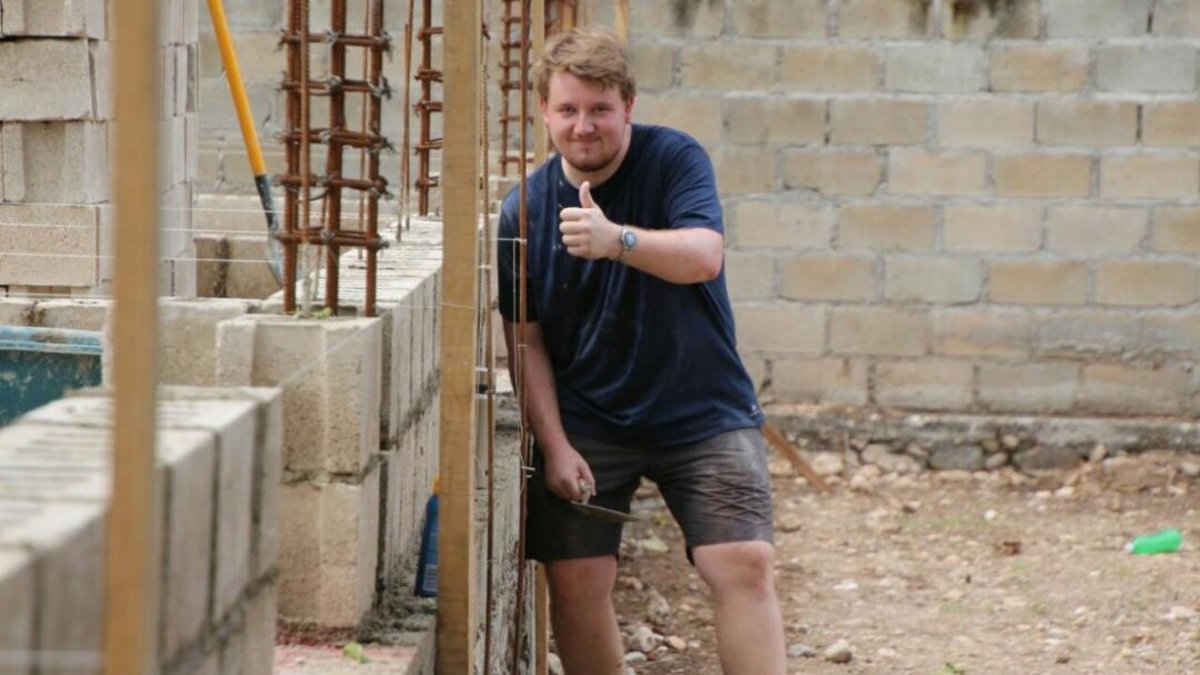
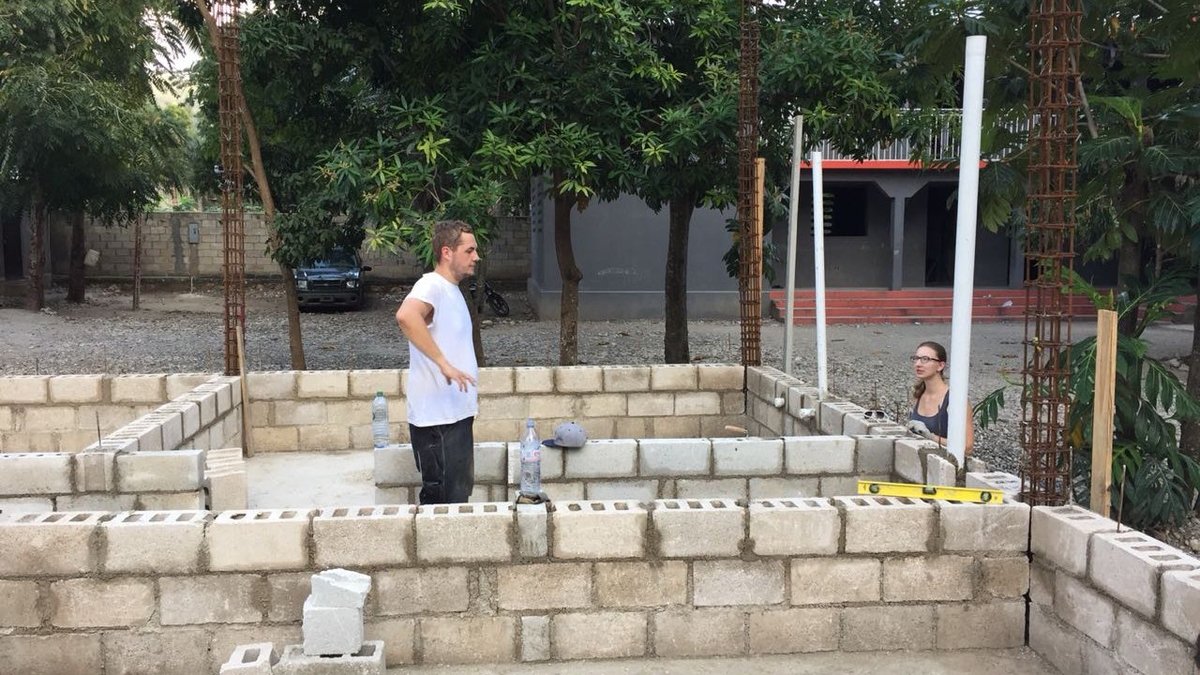
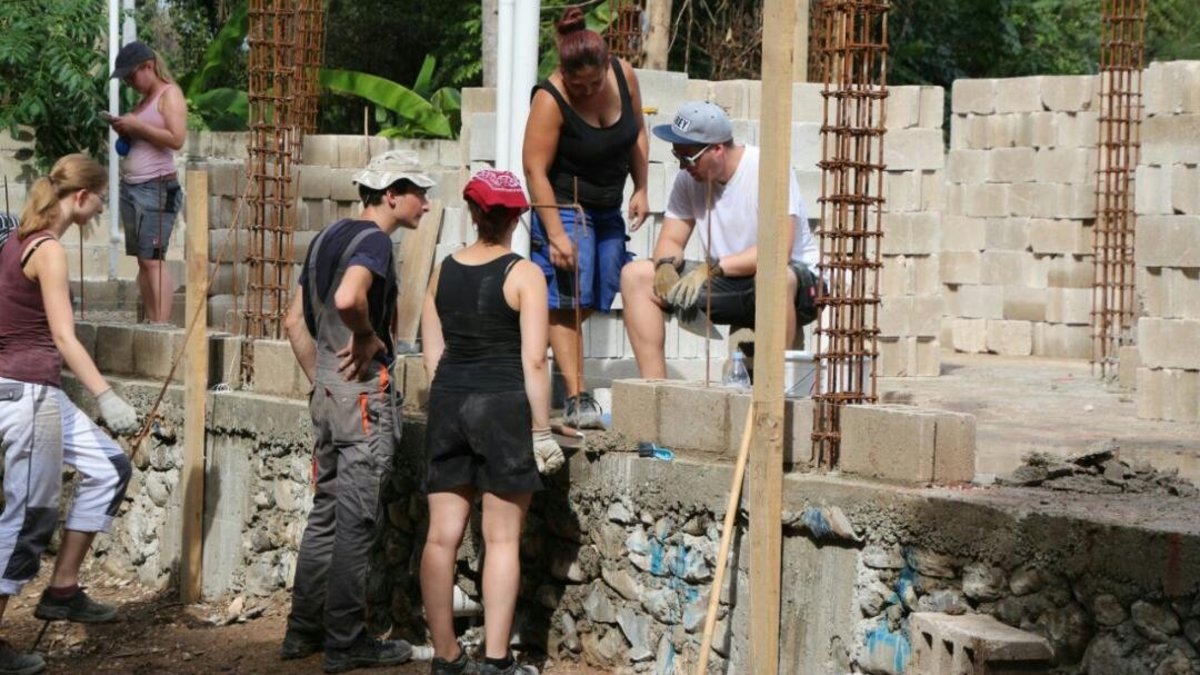
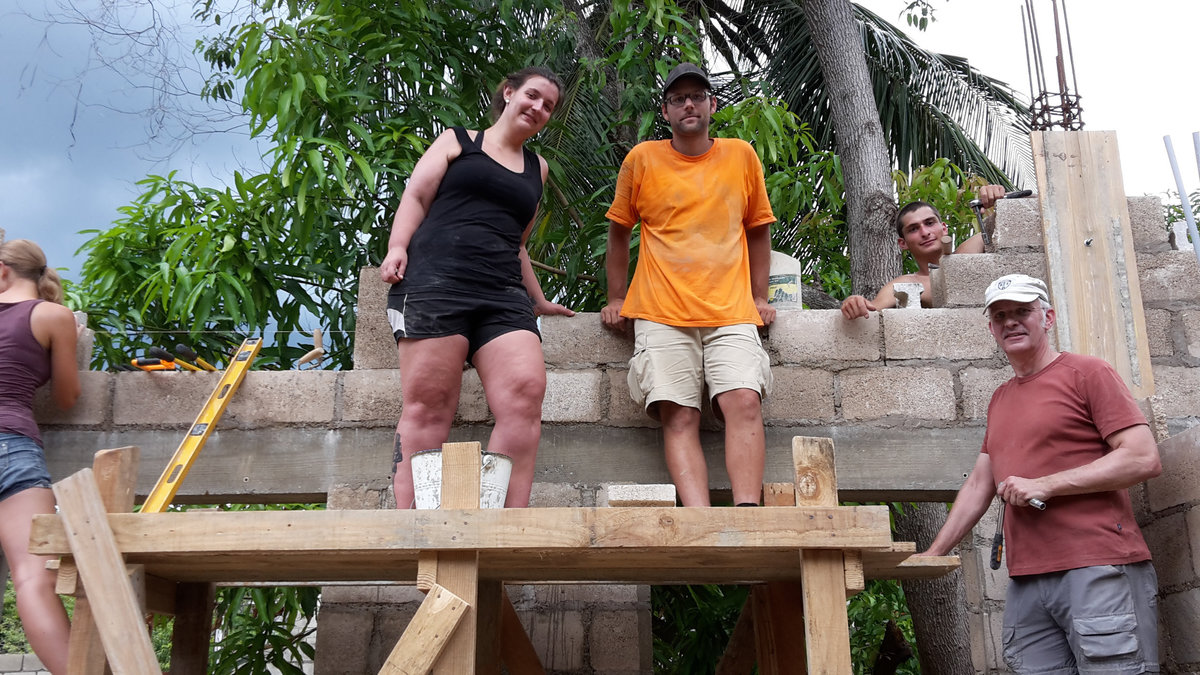
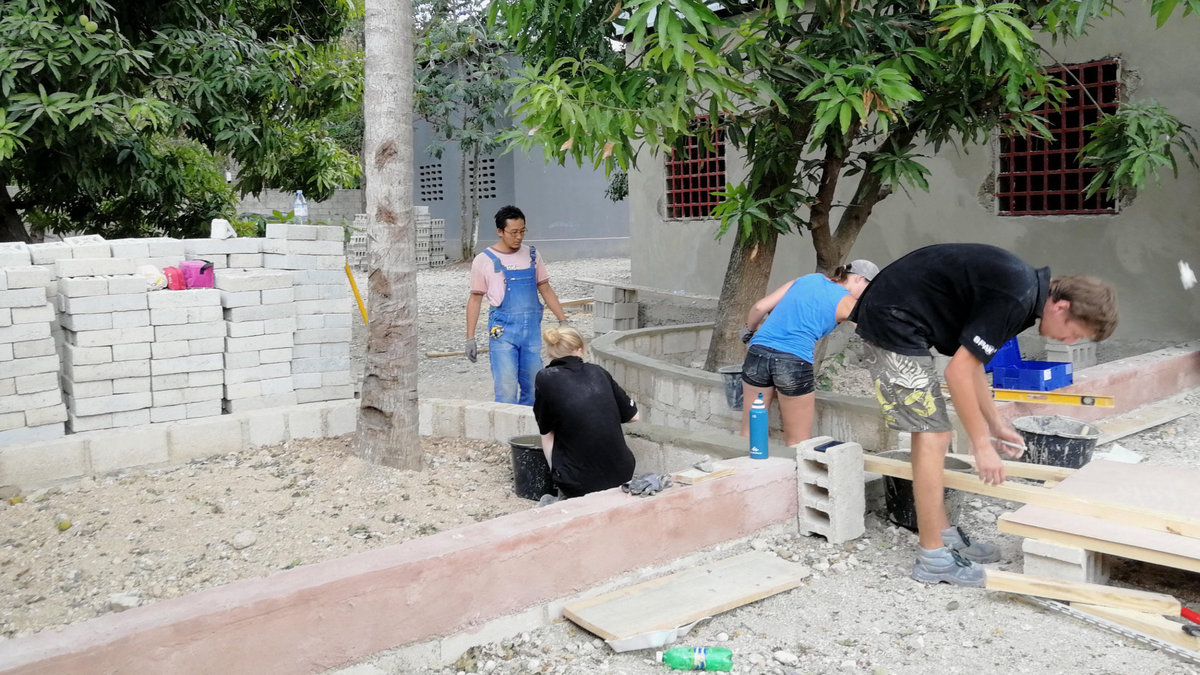
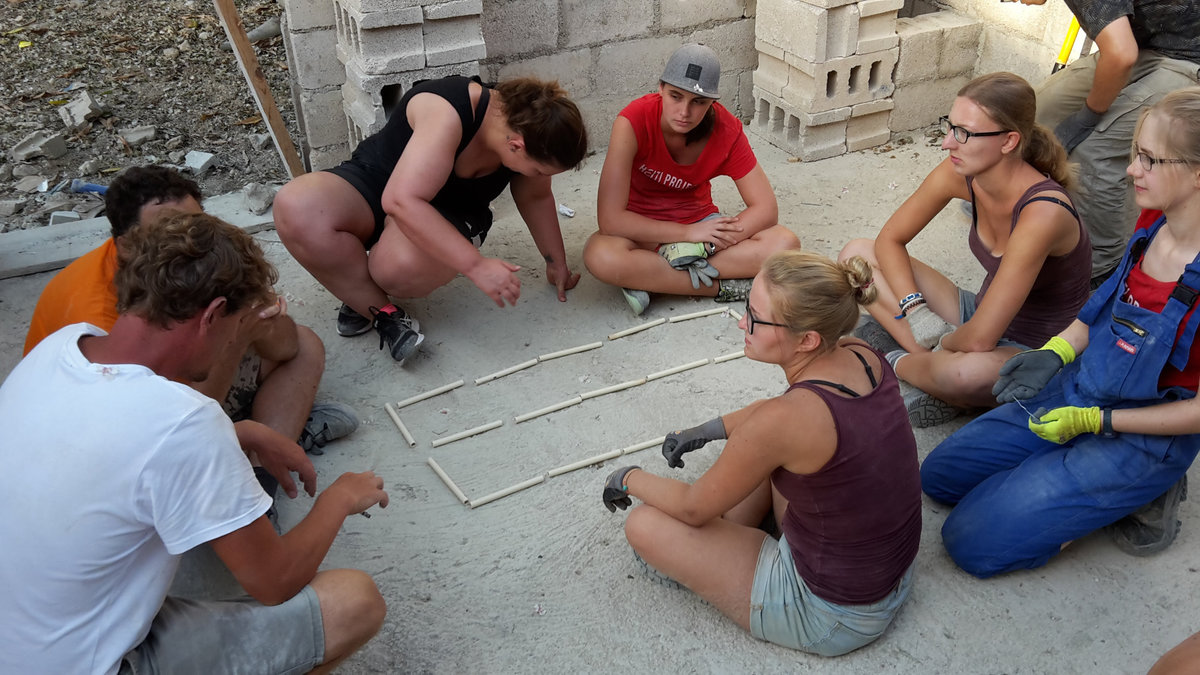
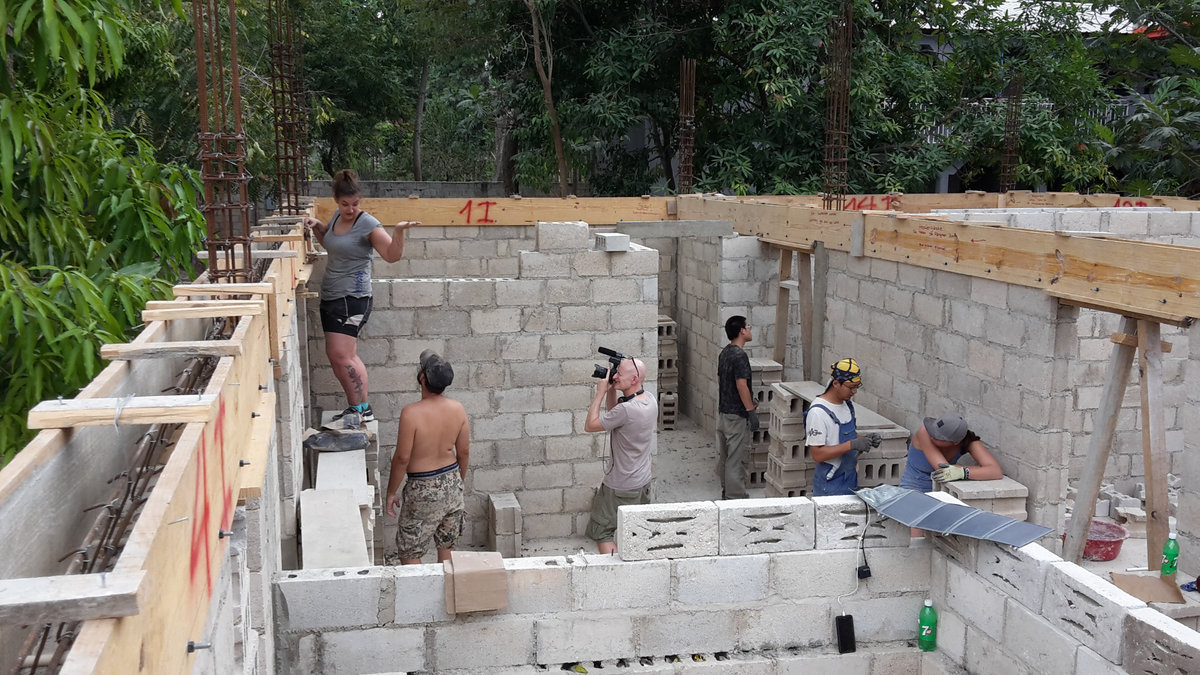
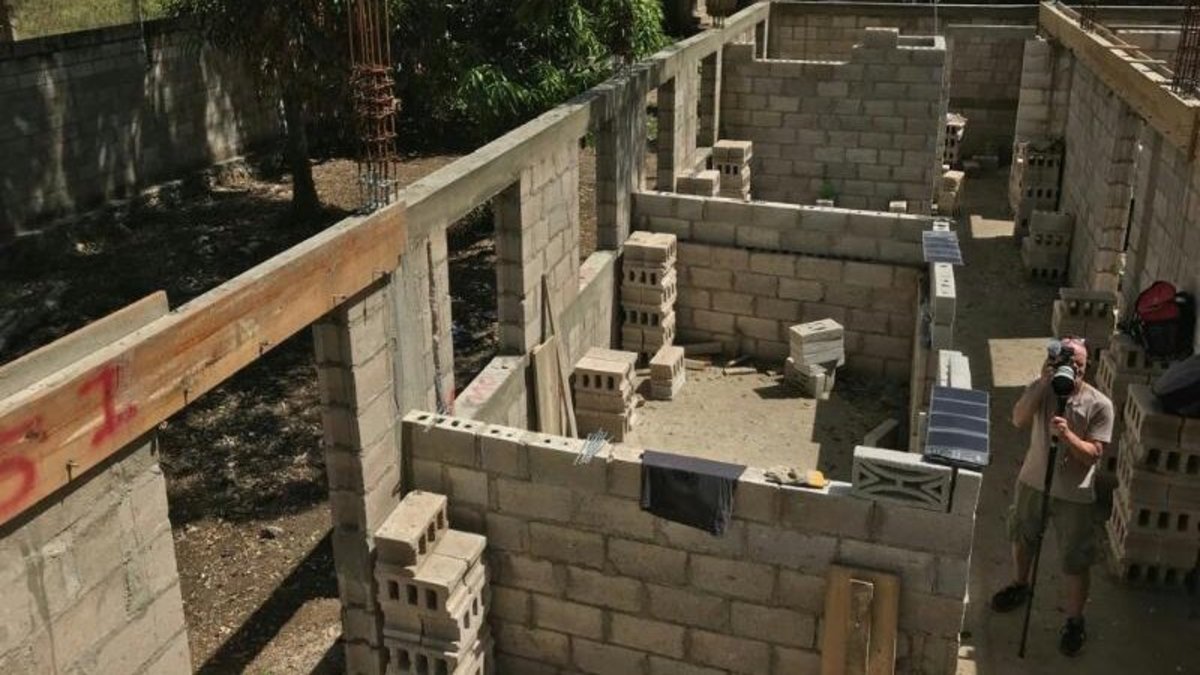
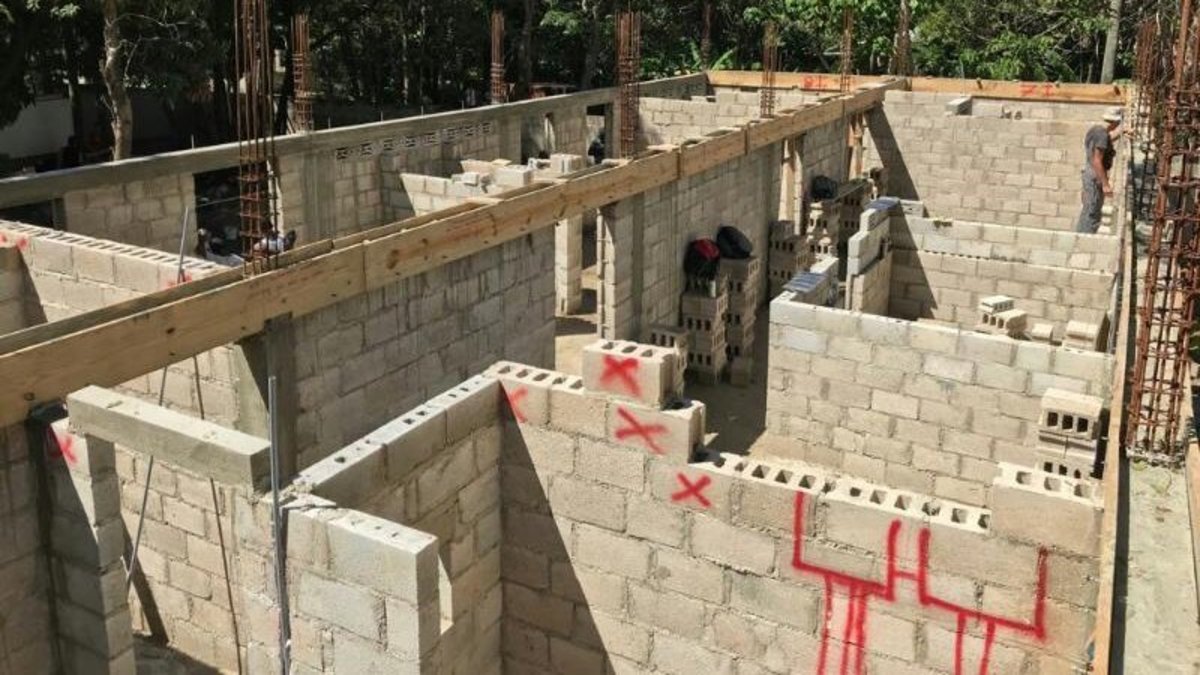
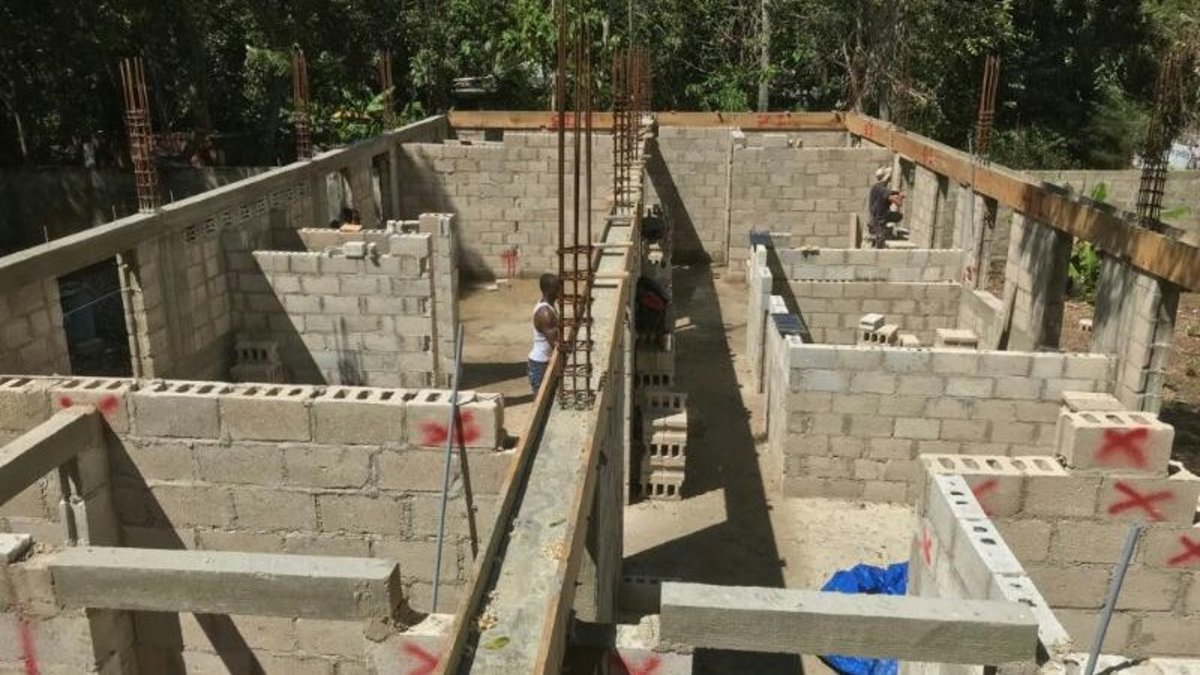
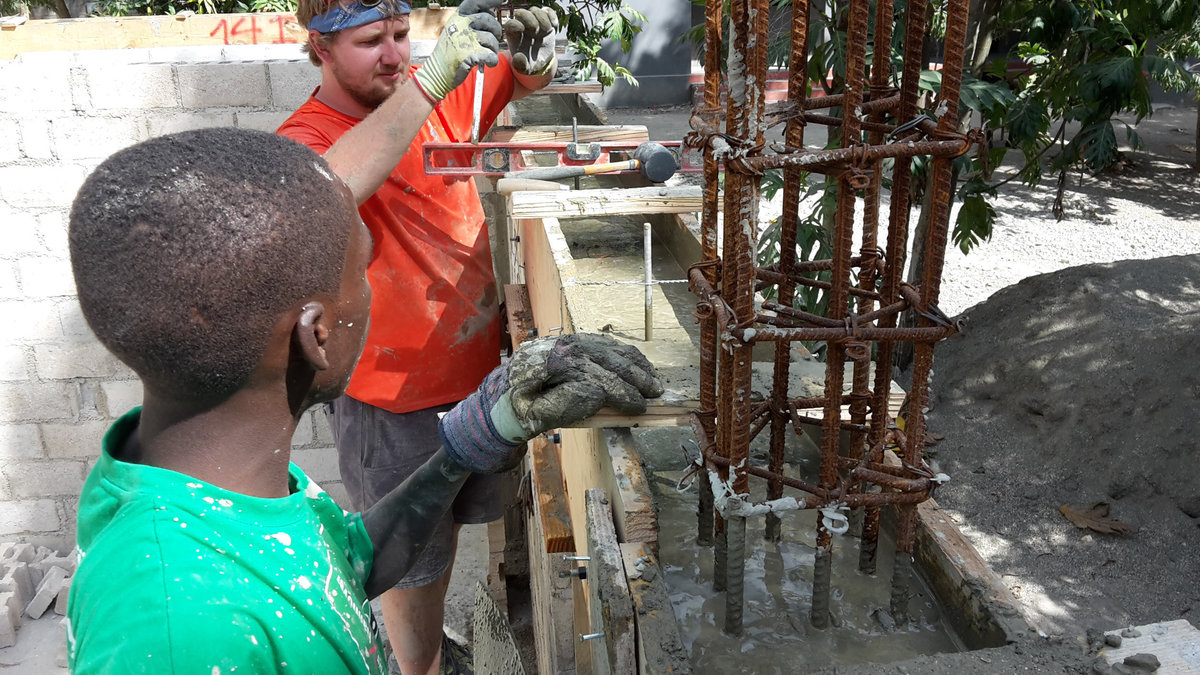
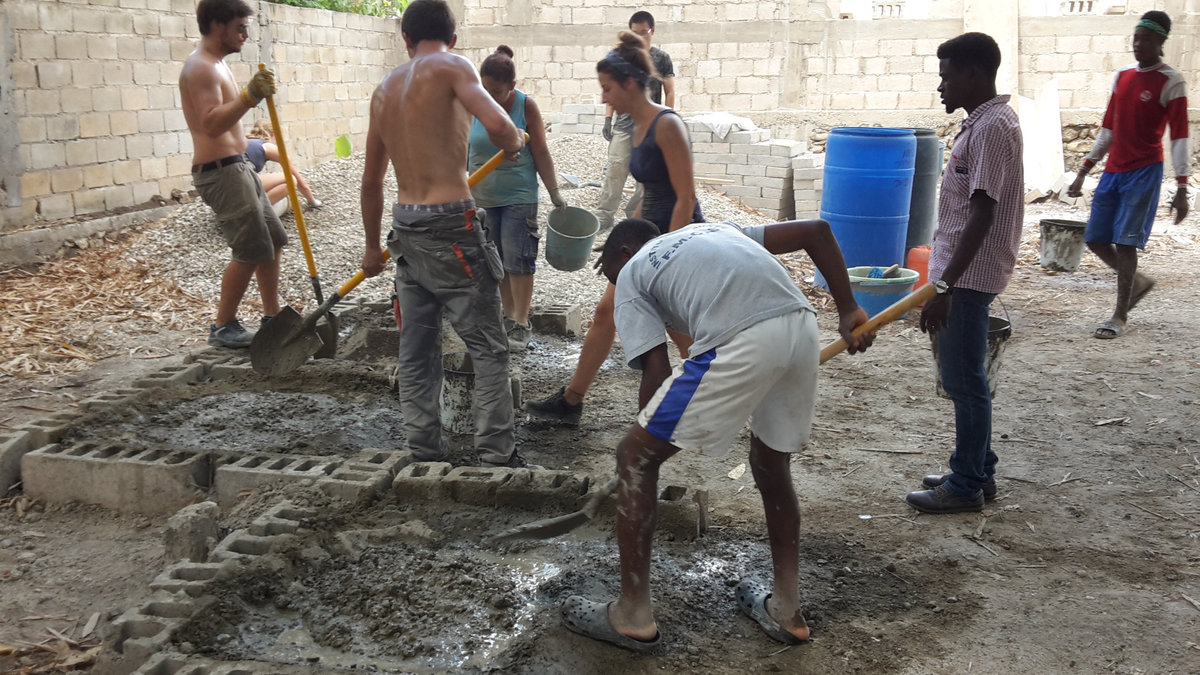
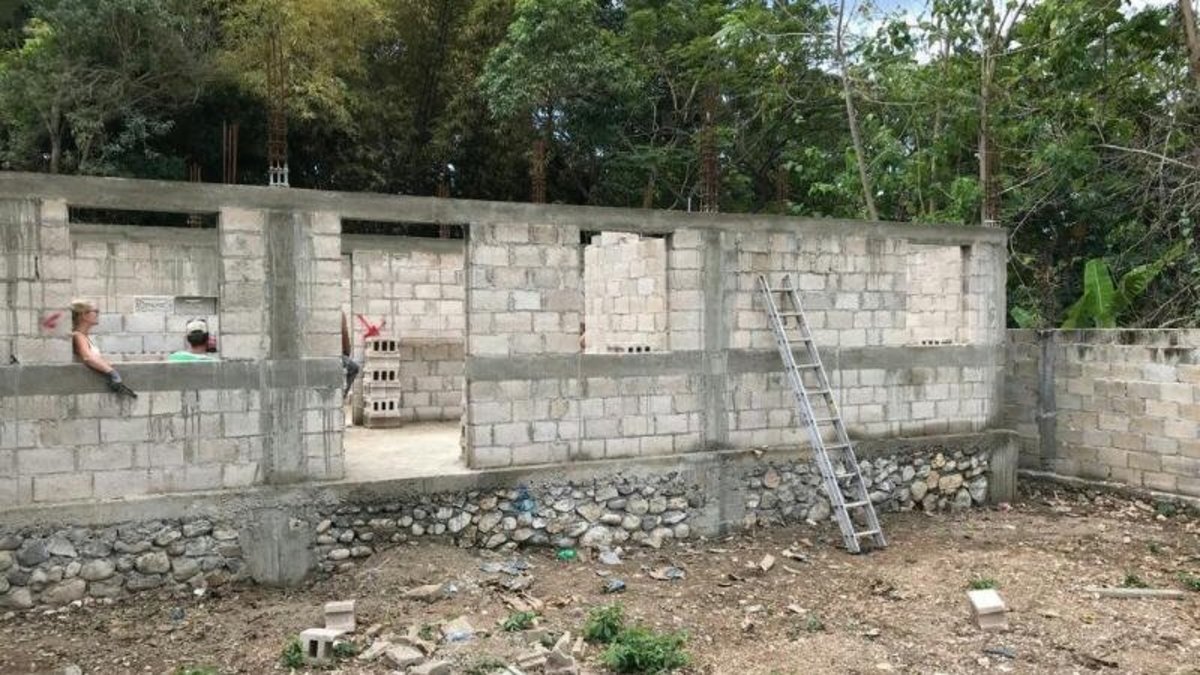
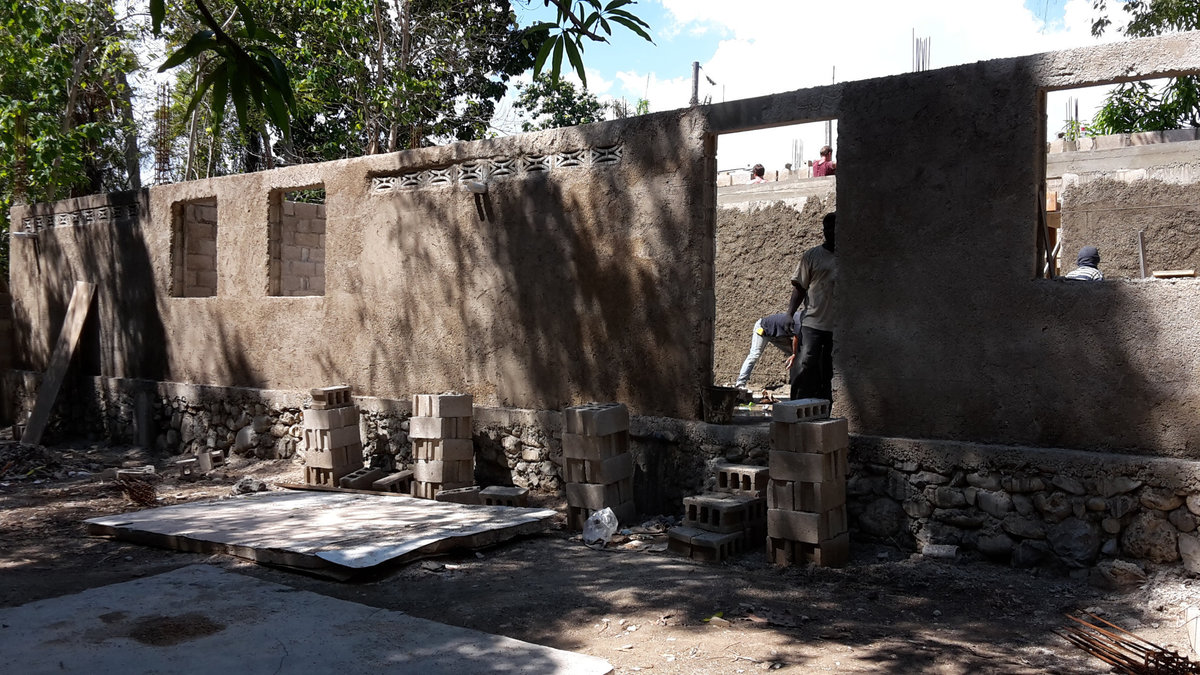
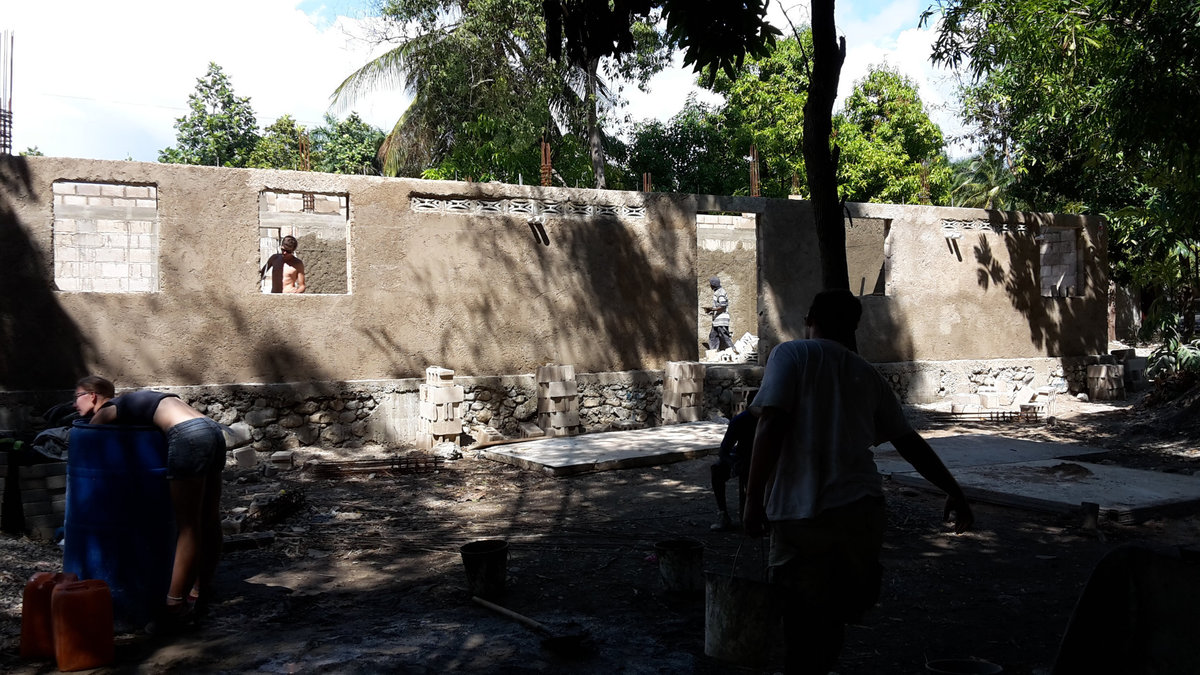
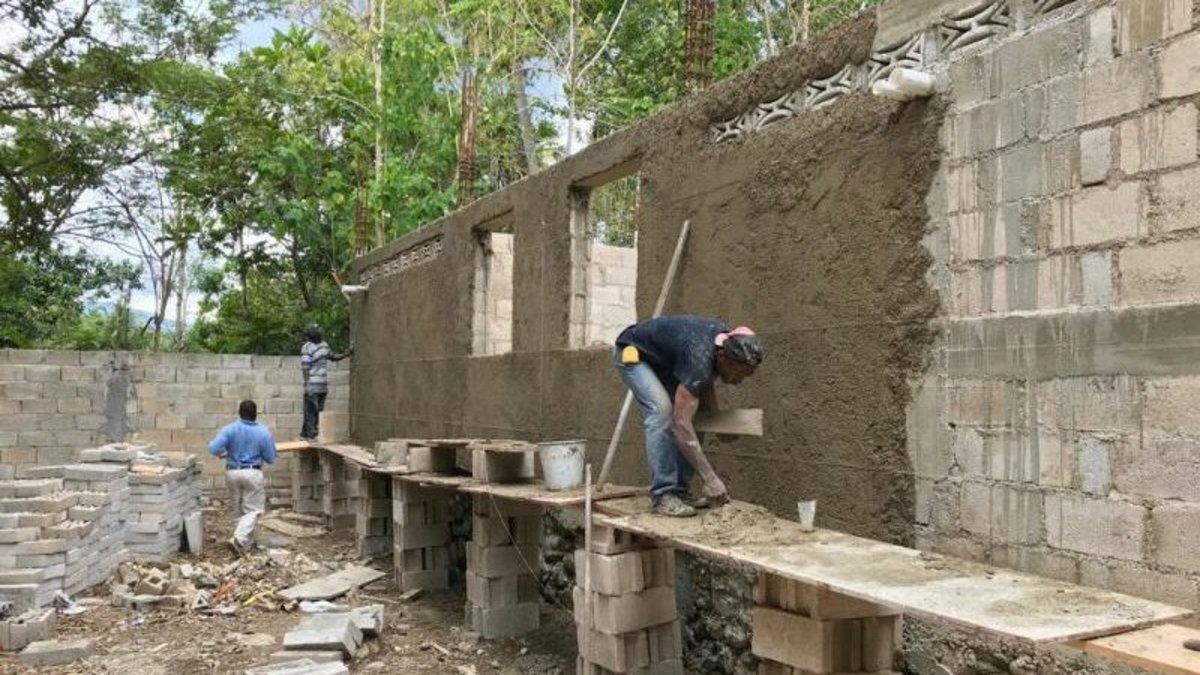
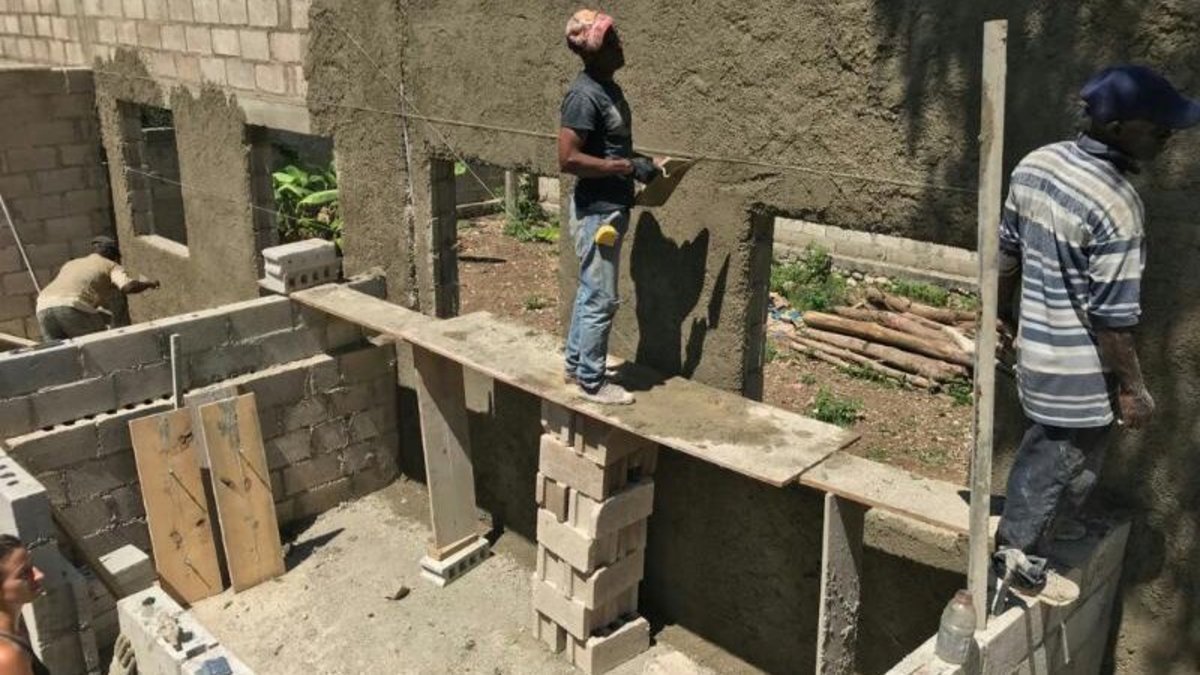
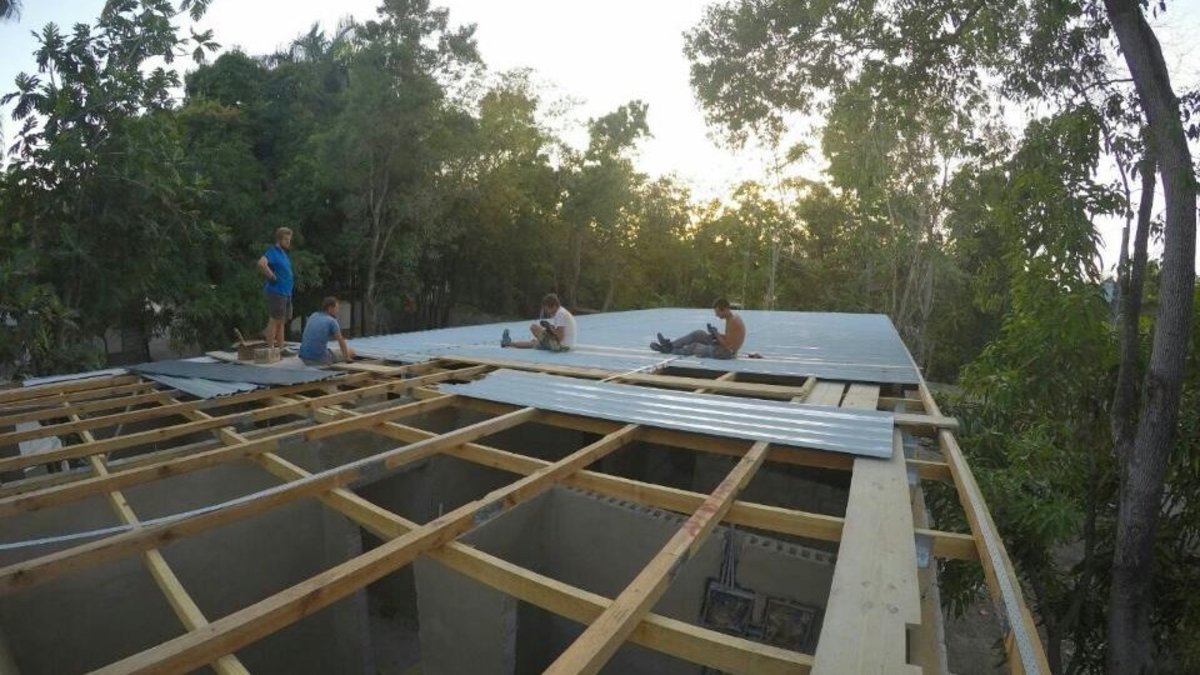
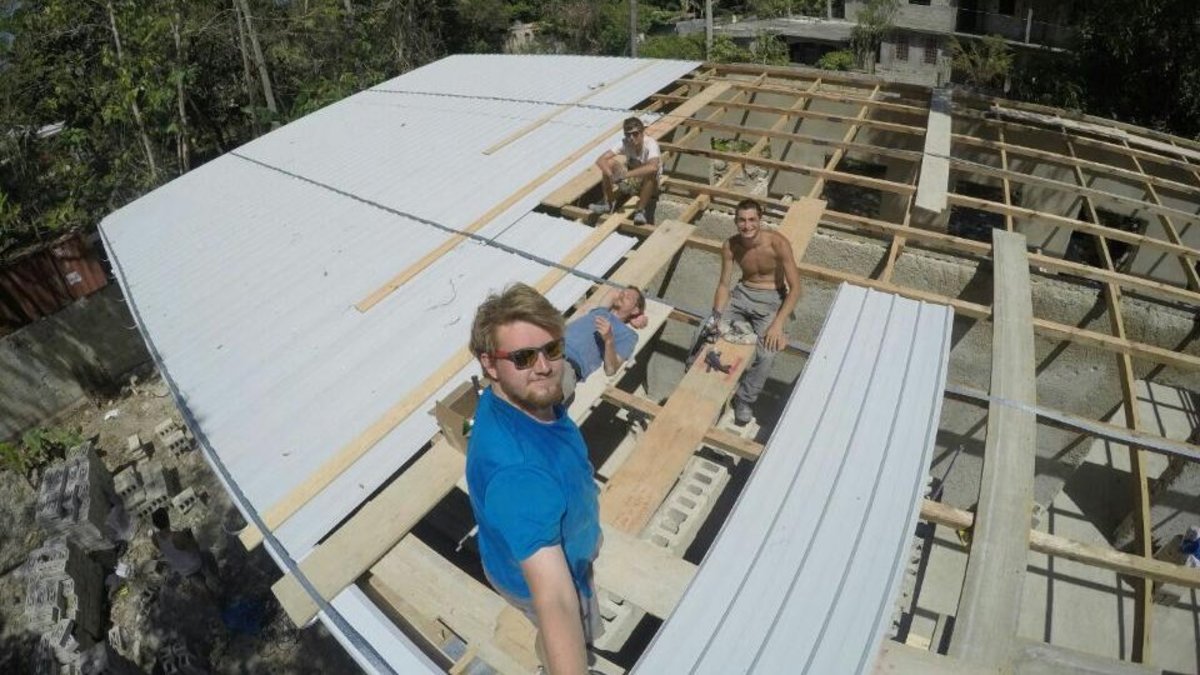
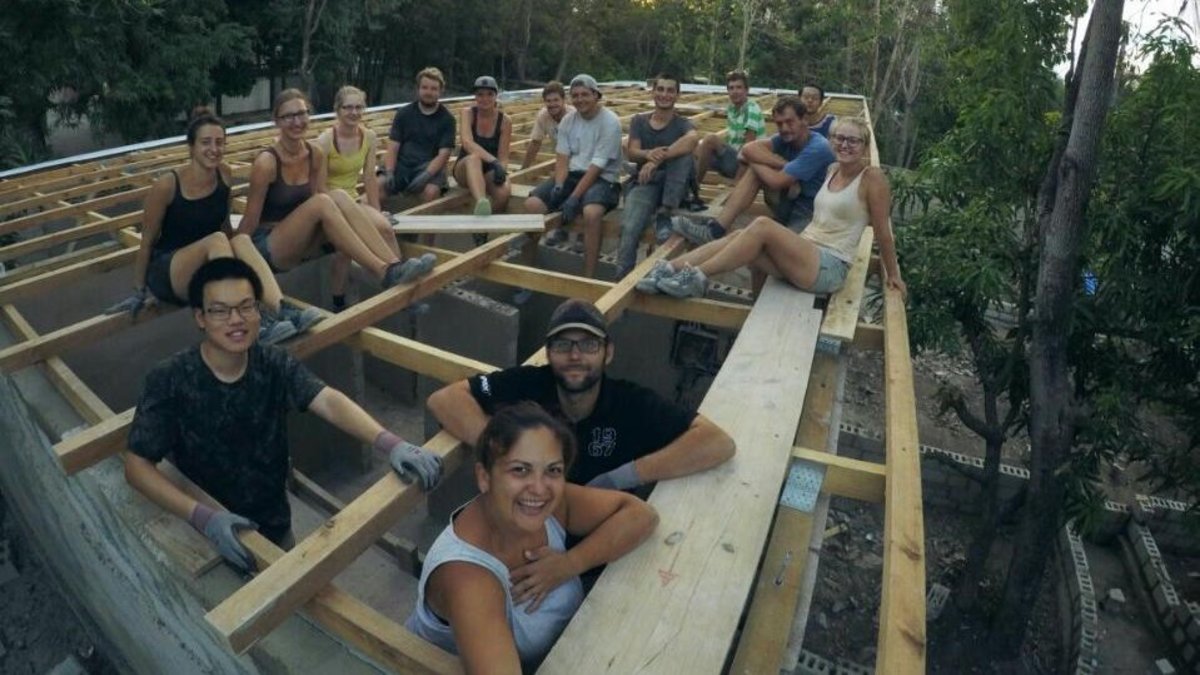
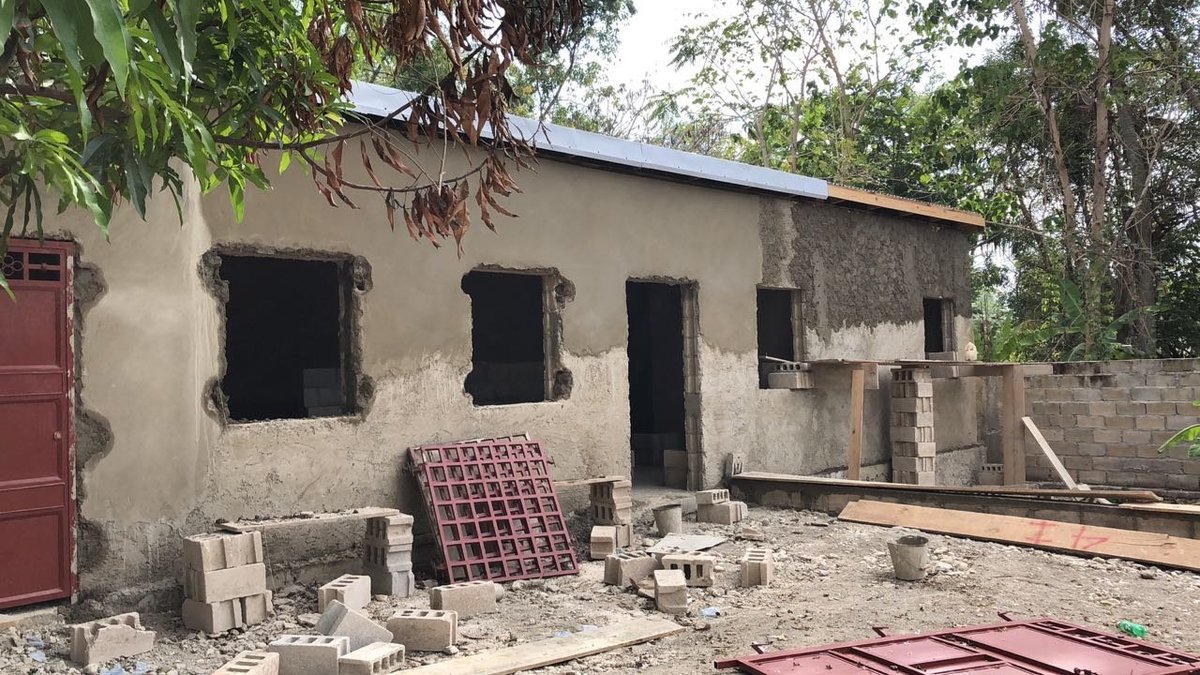
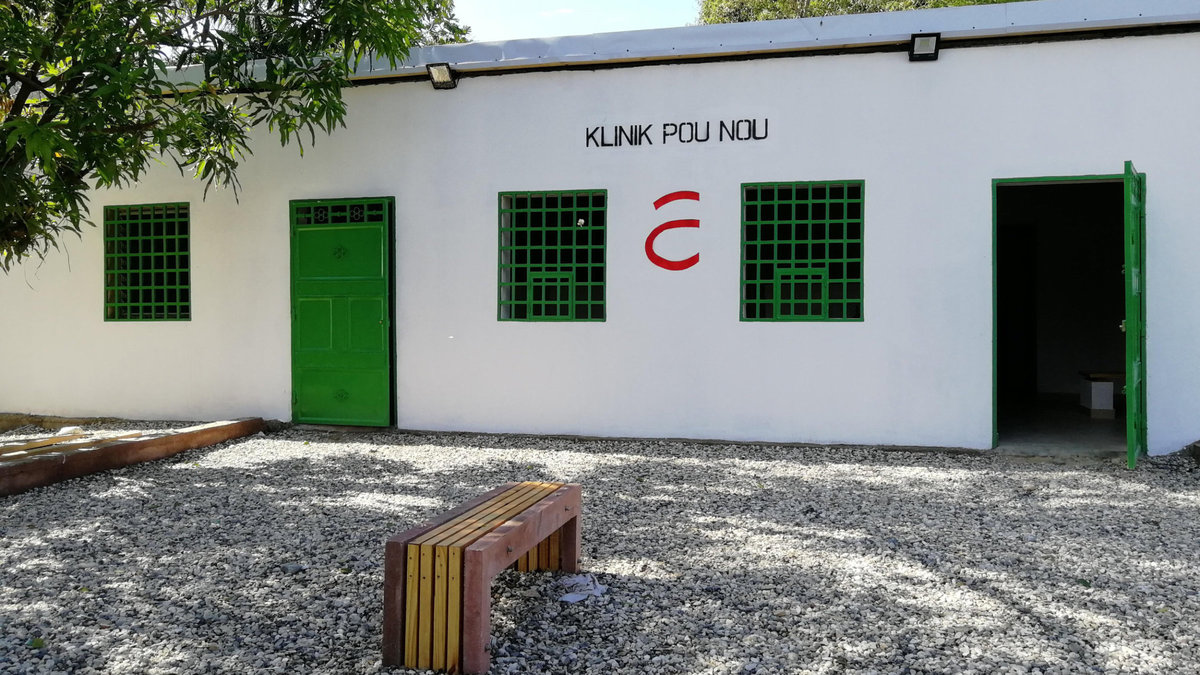
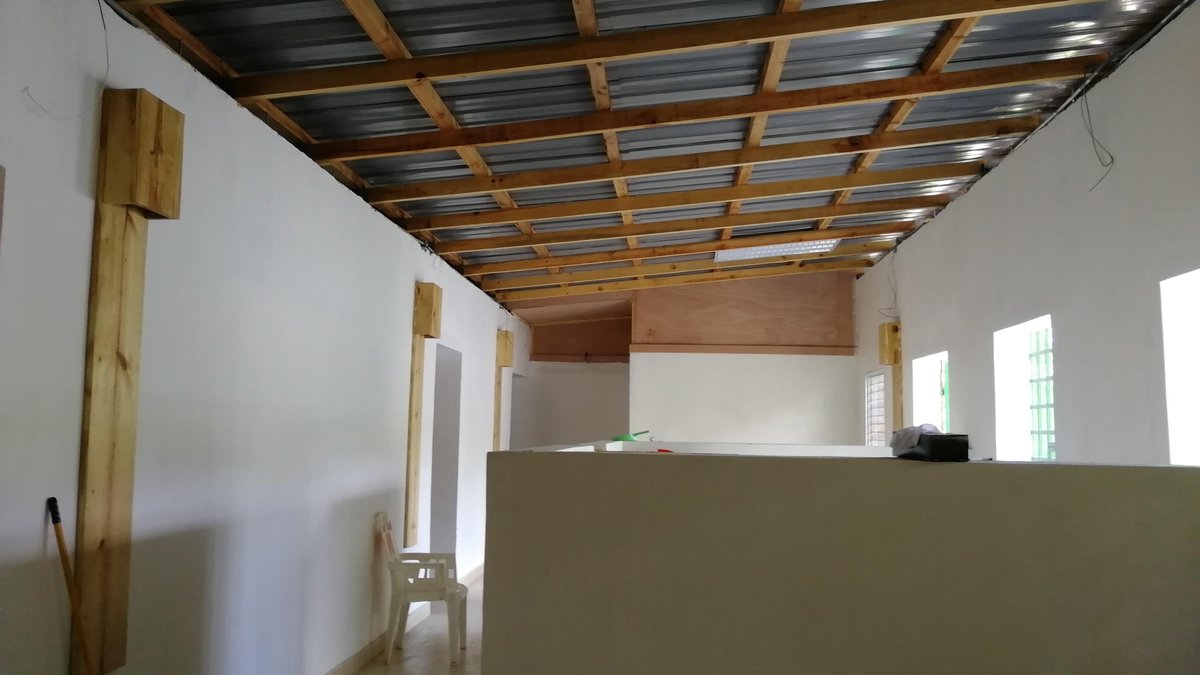
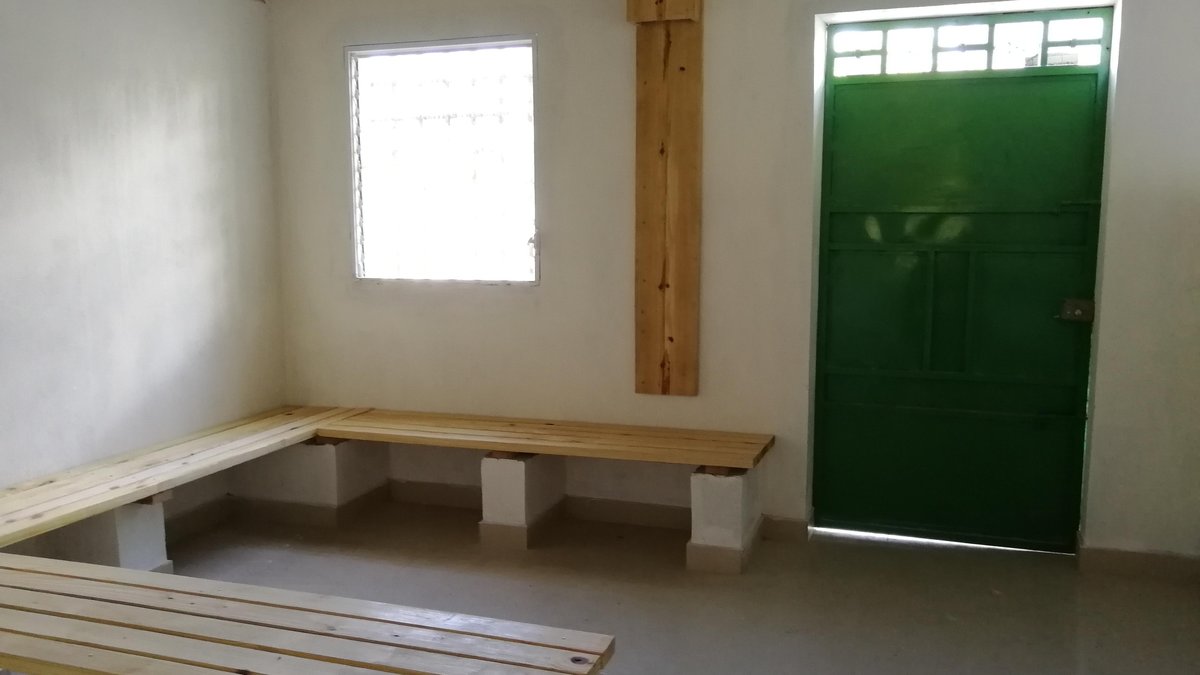
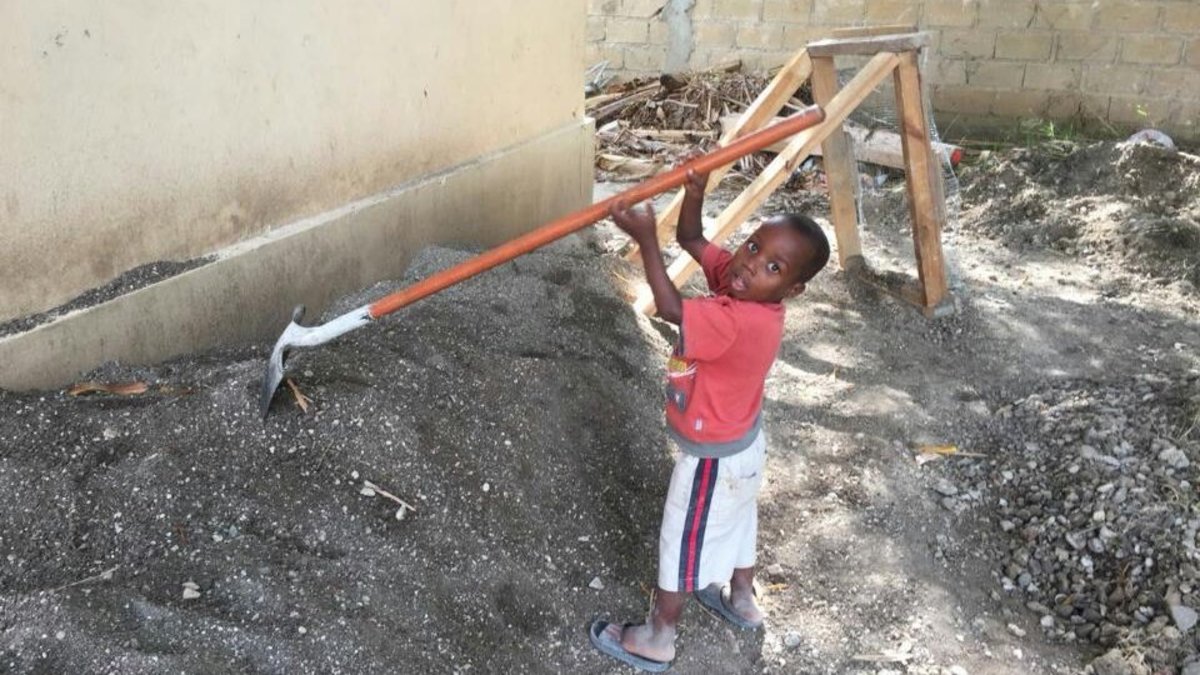
Within the framework of a design-build project at Anhalt University of Applied Sciences, carried out in cooperation with the organization “Haiti-Nothilfe e.V.,” a health clinic was constructed on the grounds of the FMCS (Foundation “Make Children Smile”) orphanage, which was established by the organization. The project pursued a participatory approach by actively involving children and adolescents from the orphanage in the construction processes. Due to the absence of a formal vocational training system in Haiti, this provided young people with the opportunity to acquire basic manual skills. They participated in various phases of construction, such as mixing mortar and concrete, masonry and painting, as well as producing ring beams and woodworking, which also enabled them to independently build furniture.
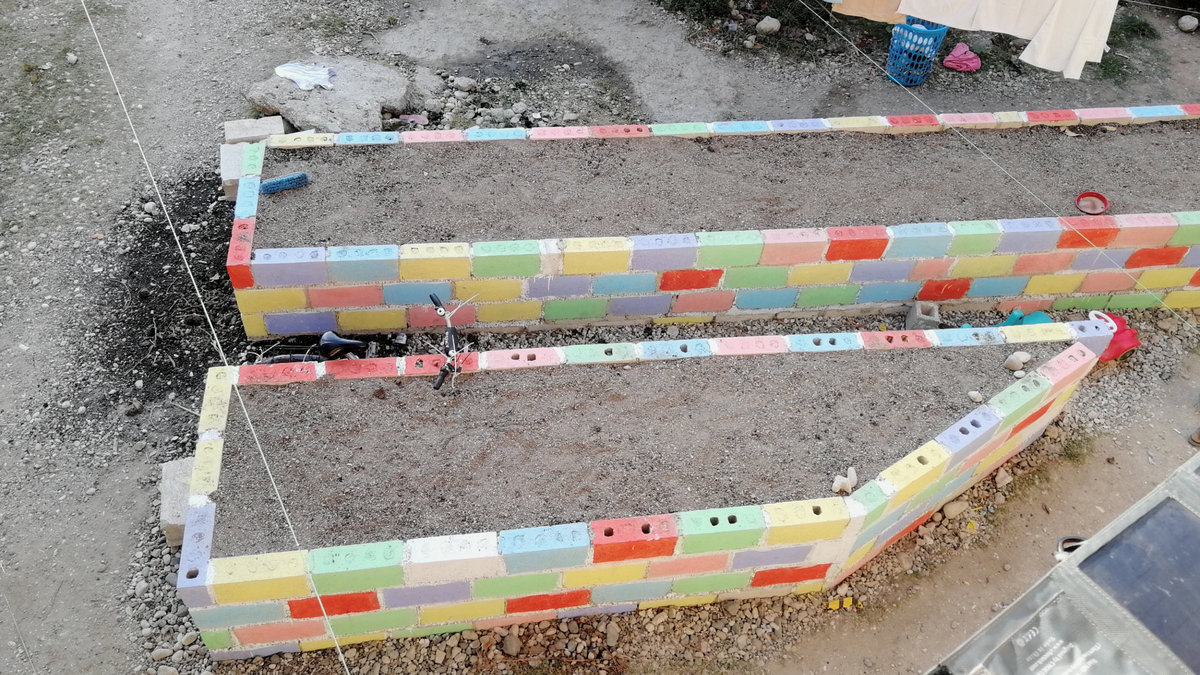
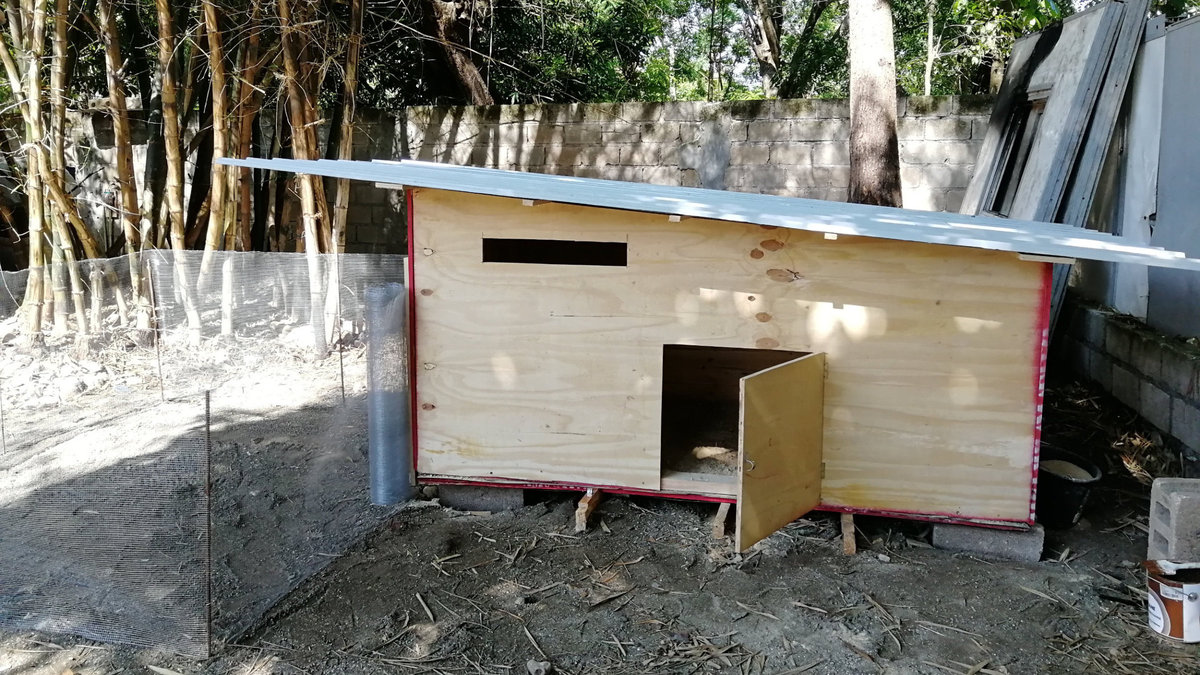
To promote food security and generate additional sources of income, a school garden for growing fruits and vegetables and a chicken coop were also established. These measures help reduce the ongoing operating costs of the orphanage and strengthen self-sufficiency.
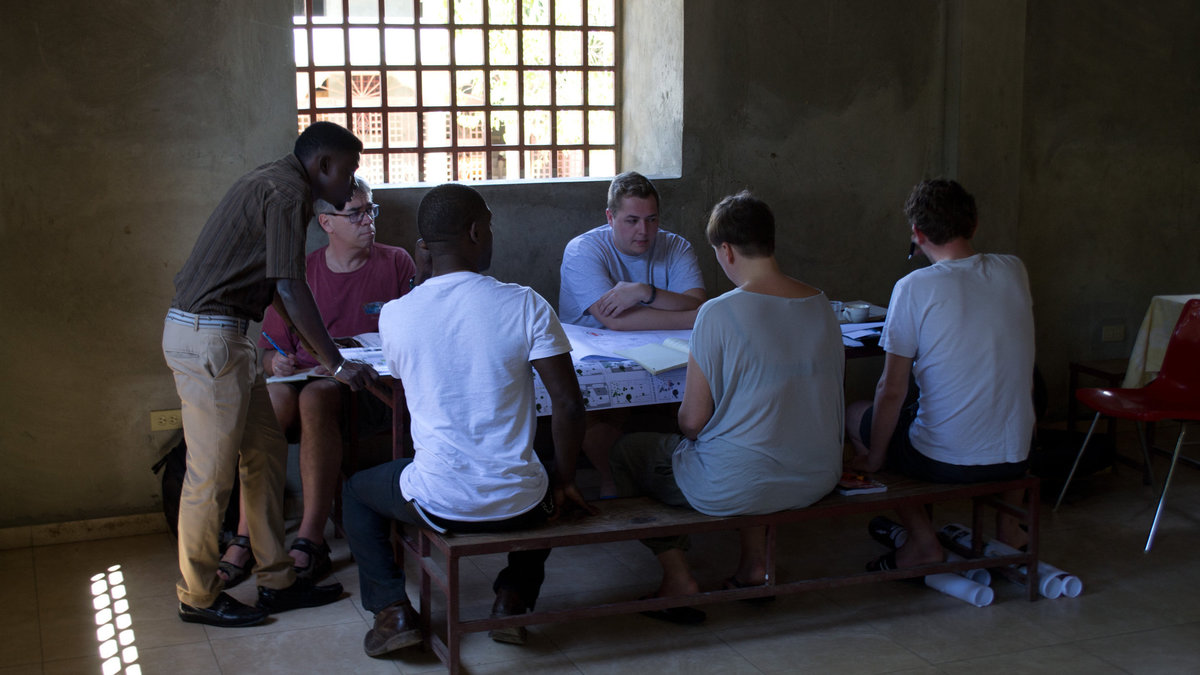
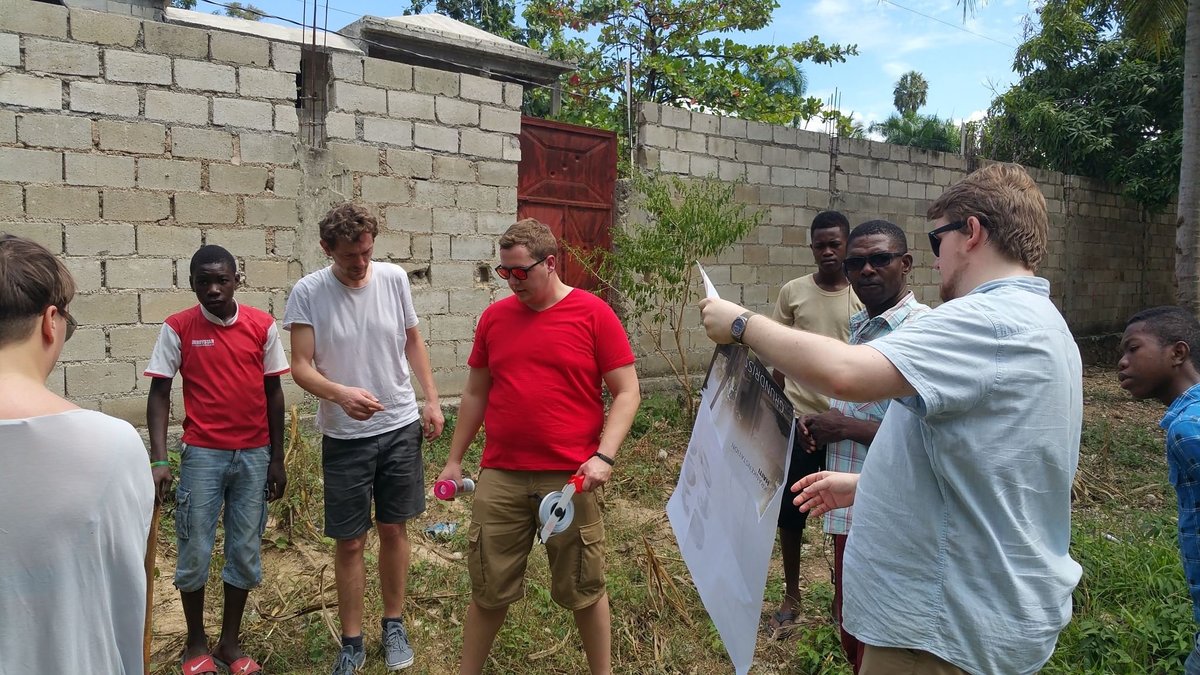
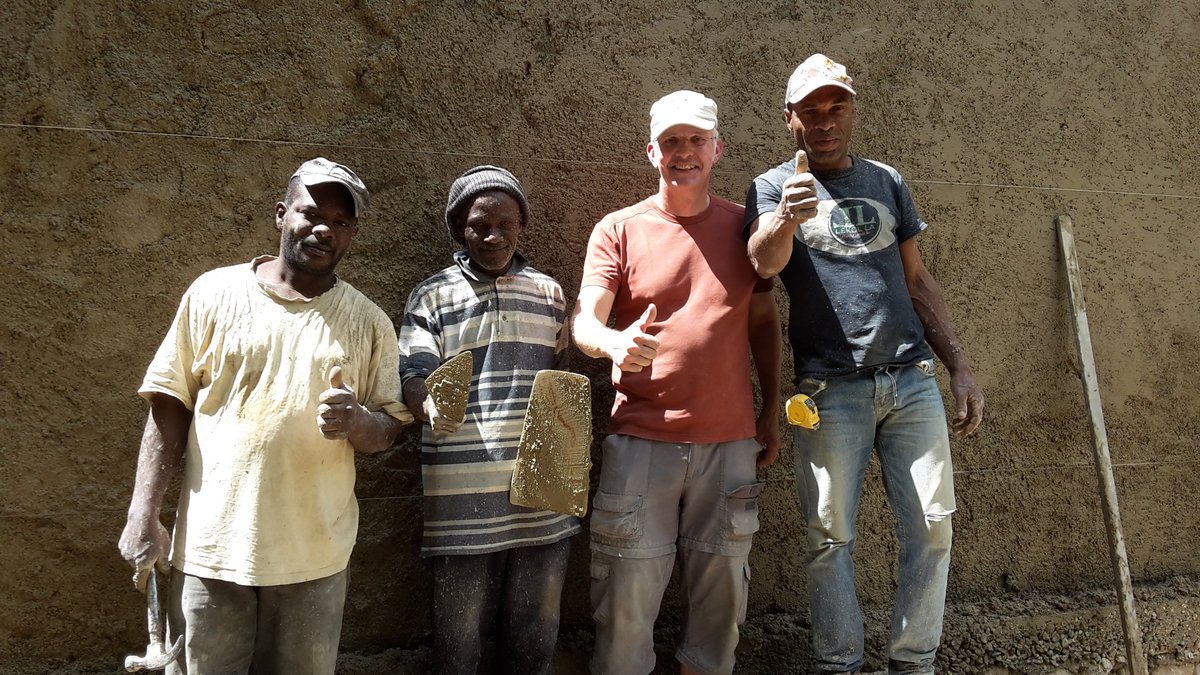
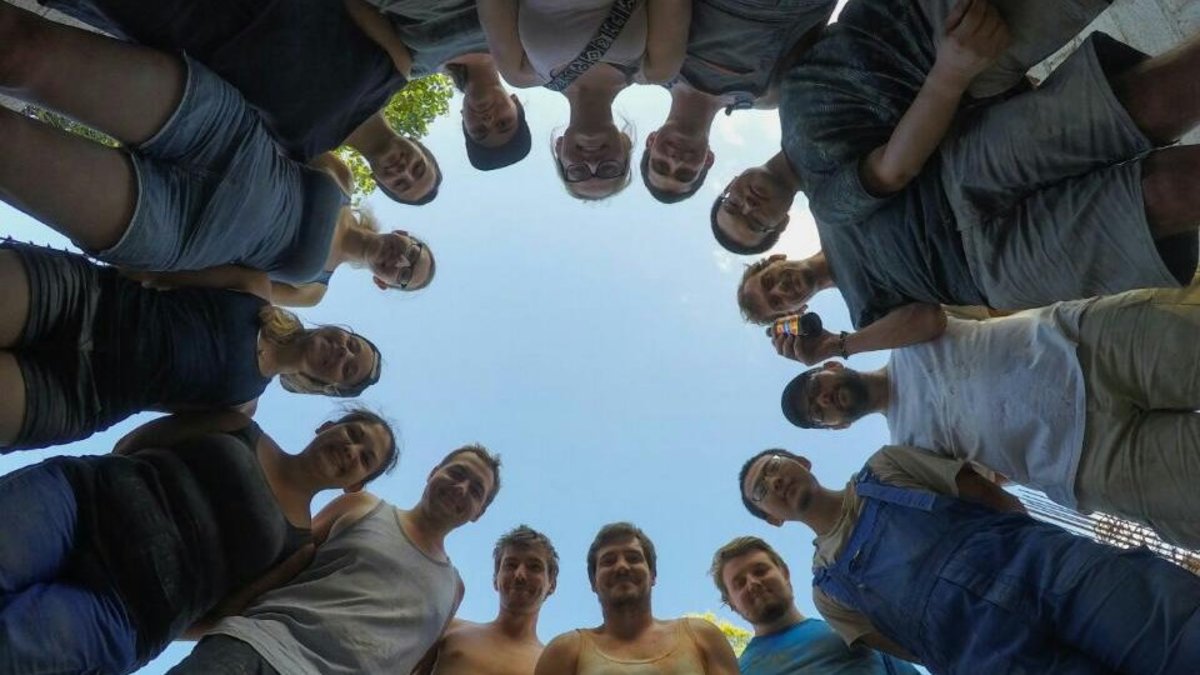
The project is particularly distinguished by the close collaboration between the students, the residents of the orphanage, and other local stakeholders. It stands as an example of a holistic development approach that addresses not only construction-related infrastructure but also social, educational, and economic aspects, thereby making a sustainable contribution to improving local living conditions.
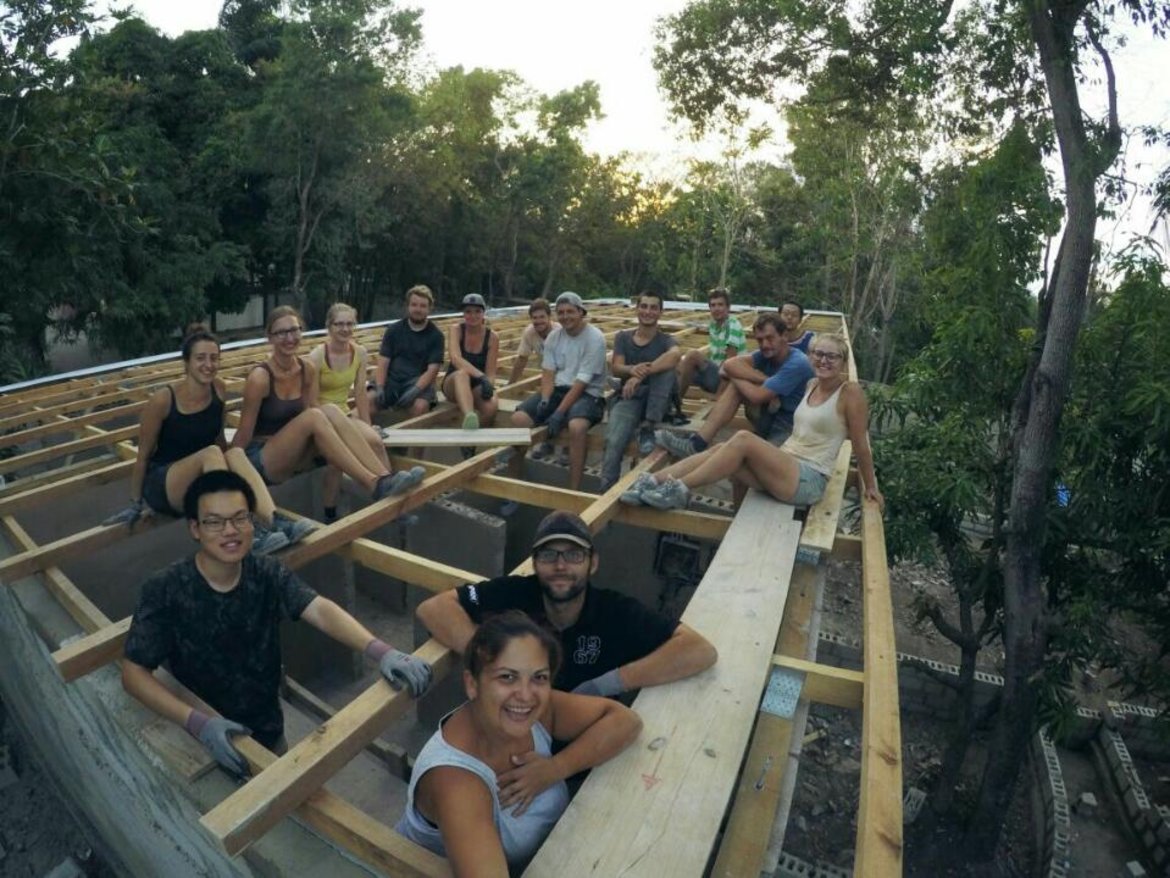 © Hochschule Anhalt
Project Objective
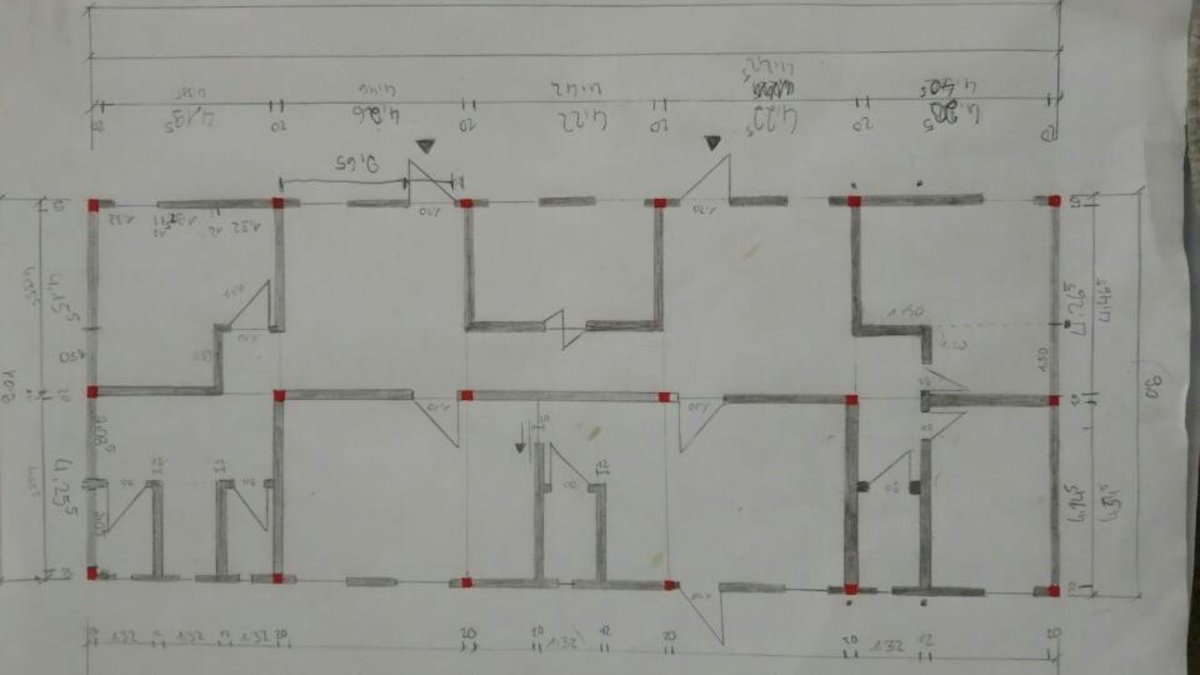
Financing, planning, and construction of a health clinic
Scope of Construction
Floor area: 200 m²
Timeline
Planning phase: 25 months
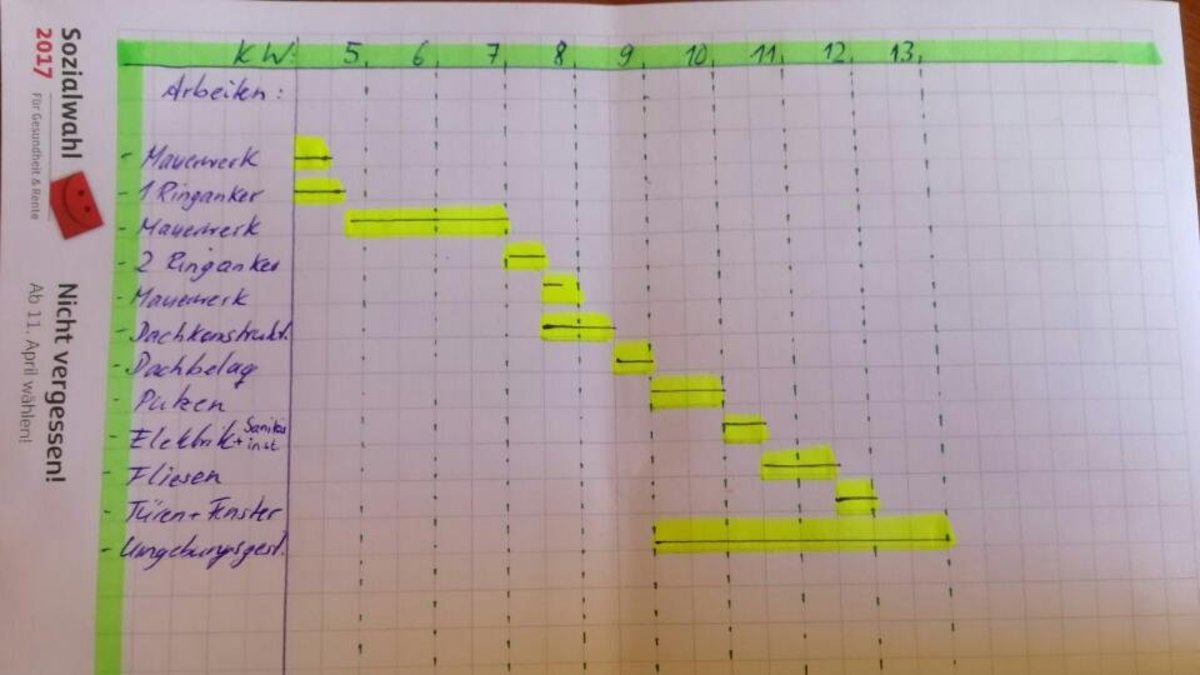
Construction phase: 4 months
Financial Conditions
Total costs: €101,279.47
Construction costs: €67,075.83
Incidental costs: €34,203.64
Organization
Interdisciplinarity: Architecture, Design, and Facility Management
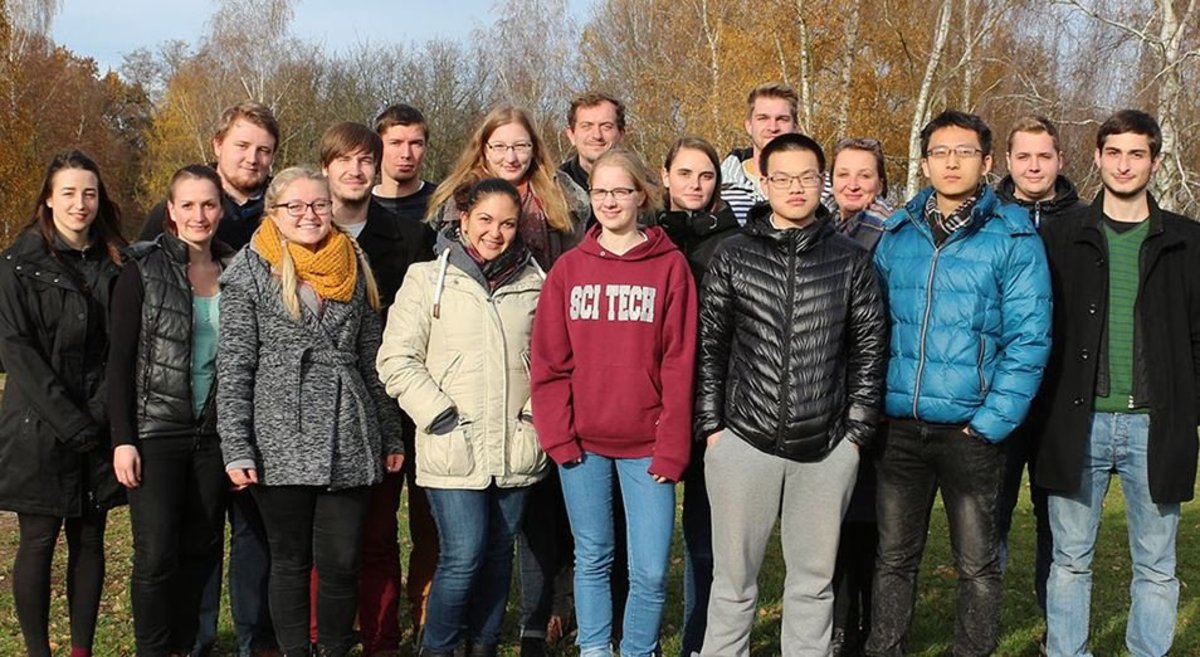
Participants in planning phase: 19 students
Participants in construction phase: 15 students
Project Supervision
Project management: Prof. Dr. Claus Dießenbacher
Project coordination: B.A. Michael Bieler
Organization: Canan Yildiz
Construction management: Tobias Rümmler
Structural engineering, statics: Dipl. Ing. Susanne Herz
Project preparation, design, planning: Dipl.-Ing. Beeke Bartelt
Networking
Mirador e.V., Haiti-Not-Hilfe e.V., Sto Foundation, Soroptimist International Germany
Specialising Architecture
Tobias Rümmler, Maria-Luisa Günther, Marcel Kahmann, Canan Yildiz
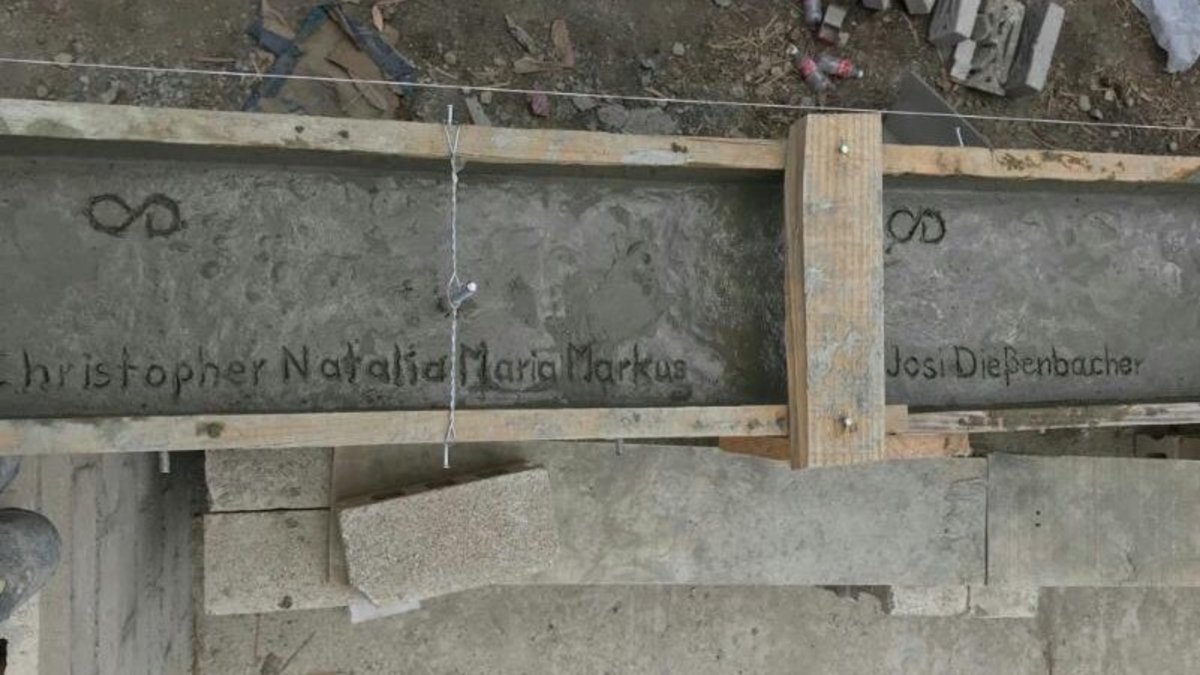
Christopher Jakobasch, Markus Passeck, Konstantin Hofmann
Deyong Shen, Natalia Cieslik, Nathalie Feist
Clara Trost, Lukas Bachsoliani, Anne Haberland
Zhao Lingyue, Caspar-Konrad Haase, Philipp Gribl
Specialising Design
Julia Roder, Julia Mendrok, Linda Schulze
Specialising Facility Management
Michael Arens
Picture gallery