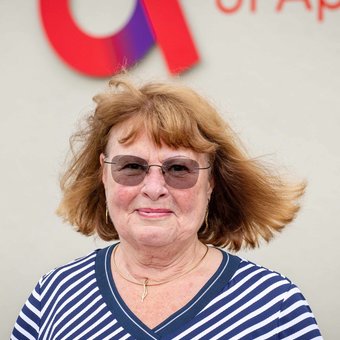
In 1975, Gerda Hättasch completed her degree program in chemical plant engineering in Köthen. At the time, it was by no means common for a woman to choose a technical degree program. She later returned to the Köthen campus as a lecturer and taught design engineering.
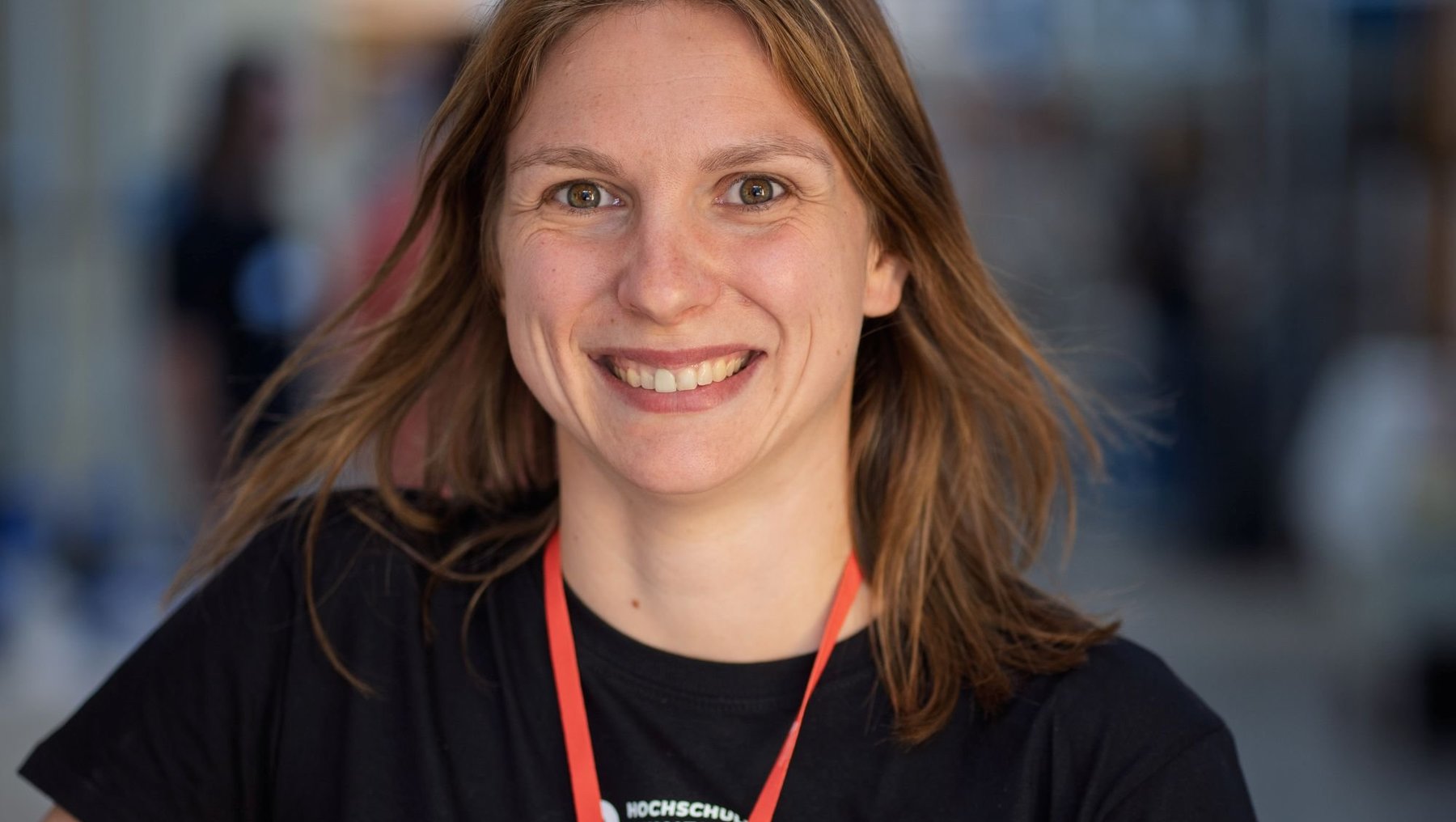
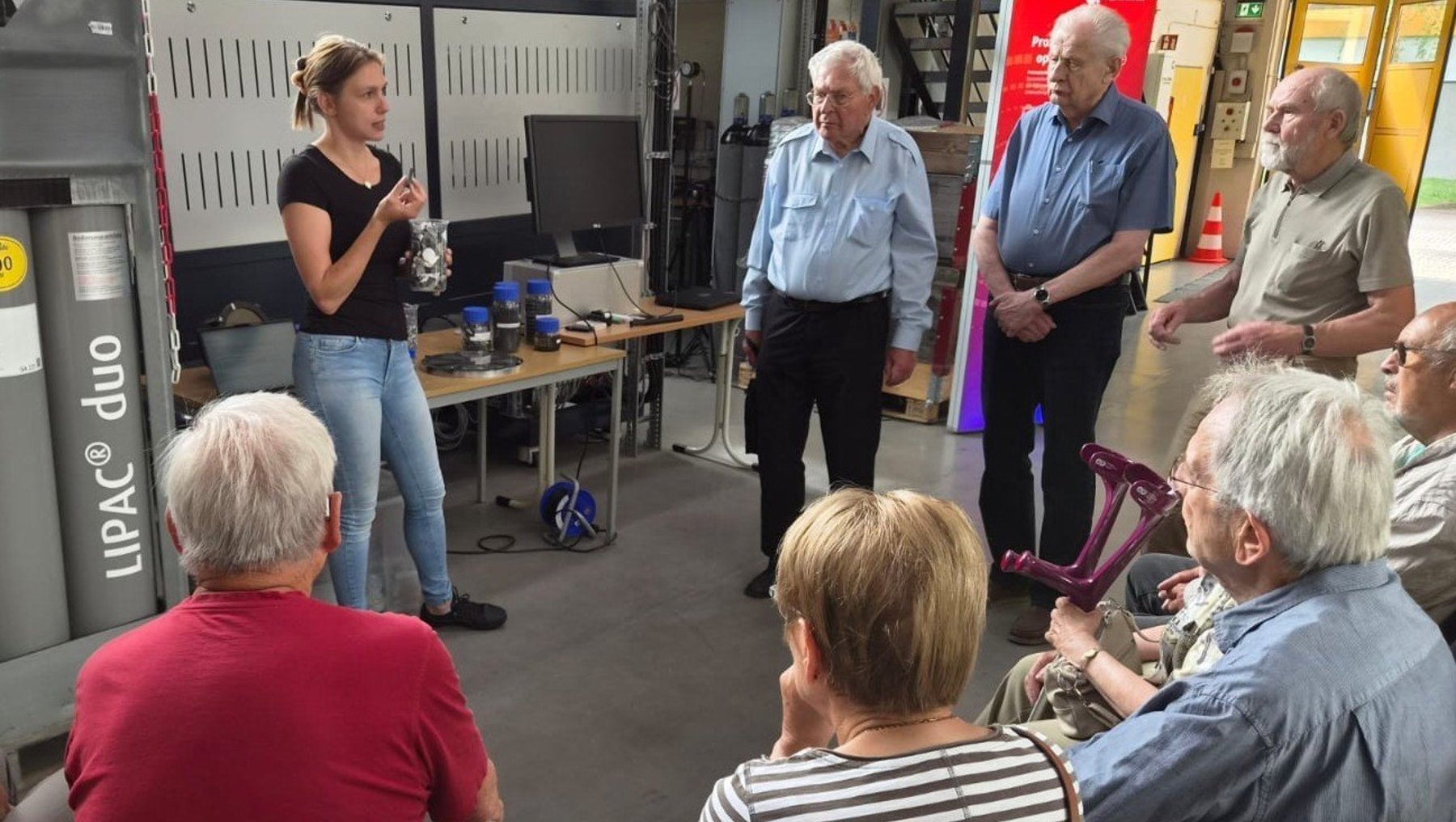
About 50 years later, Nancy Knaust also studied in Köthen—now the site of Anhalt University of Applied Sciences—first Pharmaceutical Engineering, then Process Technology. Today, she works as a research assistant investigating how industrial processes can be electrified and made more sustainable.
Five decades separate these two life stories. During this time, degree programs, research topics, and technical possibilities have changed fundamentally.
In 1971, Köthen offered programs in plant engineering, Process Engineering, and socialist business administration. Today, engineering disciplines with a wide variety of specializations define the campus’s profile.
The world of work has also changed. “In my day, it wasn’t yet commonplace for a woman to earn such a technical degree. But I’ve always been interested in mathematics, and I was determined to succeed,” says Gerda Hättasch. “For me, the question wasn’t so much whether I would pursue a technical field, but rather which one. And I’m very grateful that I was able to balance my professional goals and family life so well at the university,” says Nancy Knaust.
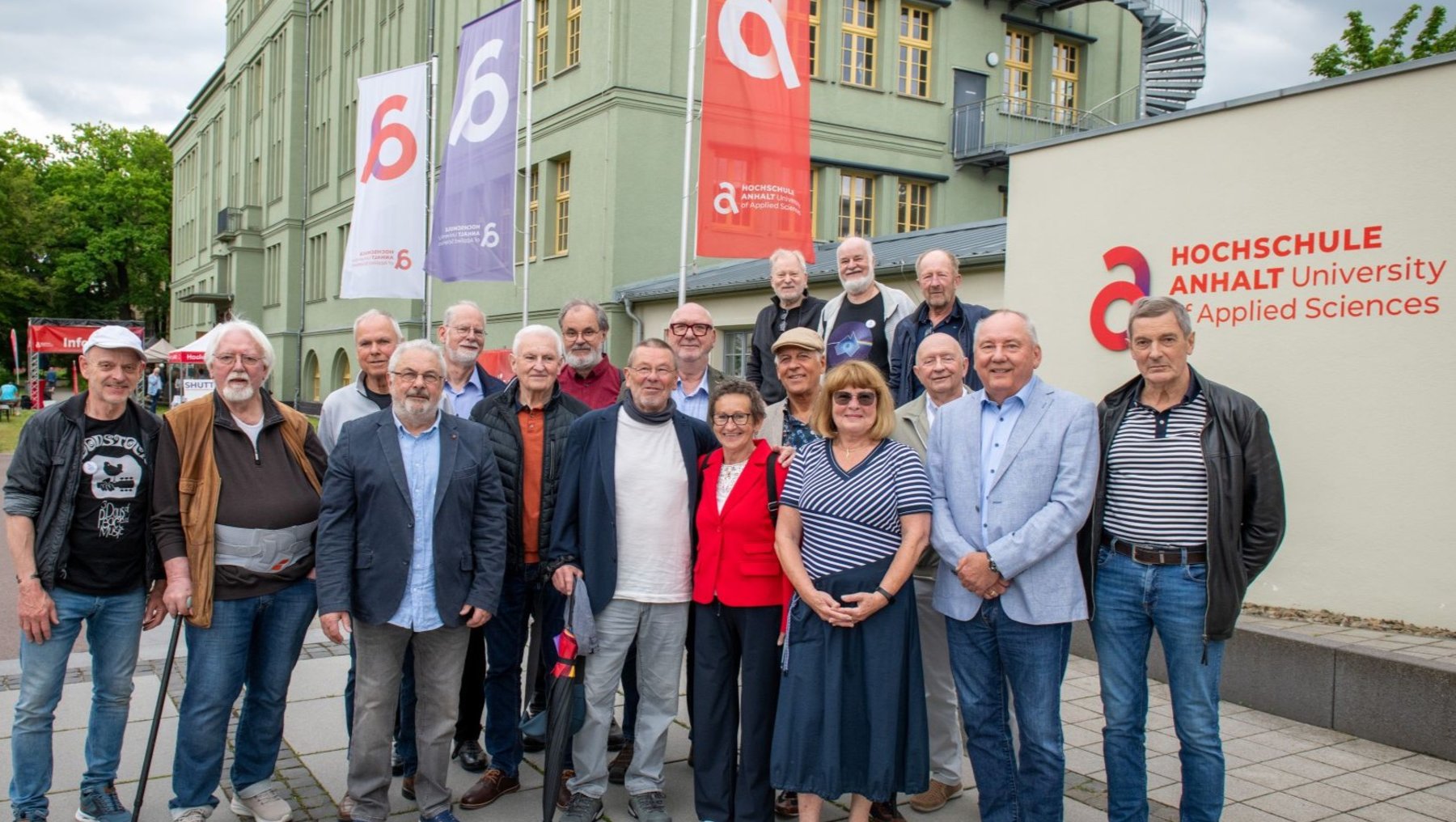
Despite their different life paths, Gerda Hättasch and Nancy Knaust also share common experiences: Both speak of a time marked by high academic standards, dedicated lecturers, and an atmosphere characterized by mutual support. That was one reason why they carried their enthusiasm for technical challenges into their professional lives. At the university information day, this connection between tradition and the present came to life for a day.