Pursuing a Doctorate at Anhalt University of Applied Sciences
At Anhalt University of Applied Sciences, you can pursue a doctorate either through the university’s own doctoral centers or through a doctoral program in cooperation with a university in Germany or abroad. In both cases, we support early career researchers at every stage of their doctorate: from the initial idea, through its implementation, to the defense of their dissertation.
Open Letter from Doctoral Students – Universities Take a Stand
In light of Anhalt University of Applied Sciences’ participation in the “Universities Take a Stand” initiative, we, as doctoral students, would also like to take a stand for academic freedom, diversity, democratic participation, and an open university culture.
With this open letter, we wish to remind everyone how fundamental these values are to research, teaching, and our shared university life—and why it is important not to take them for granted.
Your Representation of Doctoral Candidates at Anhalt University of Applied Sciences
Basics of the Doctorate
A doctorate is characterized by “one’s own independent and original research that contributes to the advancement of knowledge in the respective field. [...] The purpose of the doctoral phase is to deepen one’s ability to conduct independent scholarly work. Learning good practices in scholarly work, on the other hand, is part of the undergraduate program [...].”
(German Science Council 2011: Requirements for Quality Assurance in the Doctorate—Position Paper of the German Science Council, p. 8)
A doctorate consists of a written component and an oral component: the dissertation and the defense.
Dissertation: At the doctoral centers, you can pursue a monographic or cumulative doctoral program. A monograph is a coherent, “major” scholarly work. A cumulative dissertation consists of several closely related publications in internationally recognized journals and a framework text that ties the publications together.
Oral Defense: During the oral examination, the dissertation is presented to a broad audience and defended before a doctoral committee. At some universities, a “Rigorosum” is conducted. This is an examination that goes beyond the dissertation and also tests the content of the course of study. There is no “Rigorosum” at doctoral centers.
Immediately following the defense, candidates receive their final grade, which is composed of the grade for the dissertation and the grade for the defense. This concludes the doctoral process. However, in order to be permitted to use the doctoral title, the dissertation must first be published. At doctoral centers, dissertations can be published online and made freely accessible.
At Anhalt University of Applied Sciences, you can pursue a customized doctorate, meaning you can plan and carry out your doctorate project independently in consultation with your advisor. There are no structured doctoral programs or degree tracks that lead to a doctorate.
There are two ways to pursue a doctorate at Anhalt University of Applied Sciences:
- At a doctoral center at the university: In Saxony-Anhalt, five doctoral centers (PZ) were established in 2021, where early career researchers can pursue their doctorates directly at universities of applied sciences. Anhalt University of Applied Sciences has two doctoral centers of its own: the PZ Architecture and Design Research and the PZ Life Sciences. It also participates in the inter-university doctoral centers PZ IWIT (Engineering Sciences and Information Technologies) and PZ SGW (Social, Health and Economic Sciences).
- In cooperation with a university: Your doctorate program is administered by the university where your primary advisor is affiliated. Your secondary advisor is at Anhalt University of Applied Sciences. You will then earn your doctorate through the university and are therefore bound by the university’s doctoral regulations and subject to the decisions of its doctoral committee. However, you can still take advantage of the free services offered to doctoral students at Anhalt University of Applied Sciences and, if necessary, enroll there as well.
The duration of a doctorate varies depending on the field of study and the student’s personal circumstances. On average, a doctorate takes about 4.5 to 5 years. Depending on the field of study, the student’s personal circumstances, and the type of funding for the doctorate, this timeframe may be shorter or longer. However, it is generally not feasible to complete a doctorate in less than three years. At the doctoral centers of Anhalt University of Applied Sciences, the doctorate should be completed within 5 years at the latest.
Doctoral degrees vary depending on the field of study in which one earns a doctorate. The following doctoral degrees are awarded at the doctoral centers:
Engineering (Dr.-Ing.), awarded at the PZ:
- Architecture and Design Research,
- Engineering and Information Technologies,
- Life Sciences,
- Environment and Technology
Philosophy, General Humanities, and Social Sciences (Dr. phil.), awarded at the PZ:
- Architecture and Design Research,
- Social, Health, and Economic Sciences
Natural Sciences (Dr. rer. nat.), awarded at the PZ:
- Engineering and Information Technologies,
- Life Sciences,
- Environment and Technology
Economics and Social Sciences (Dr. rer. pol.), awarded at the PZ:
- Social, Health, and Economic Sciences
At the universities of applied sciences in Saxony-Anhalt, you can choose between two types of dissertations:
- Monograph: A coherent scholarly work on a specific topic.
- Cumulative dissertation: A collection of at least three scholarly articles, thematically linked by an introductory and concluding framework text.
The choice of dissertation format is made in consultation with your advisor and in accordance with the doctoral regulations of the respective doctoral center.
The universities of applied sciences offer a wide range of events to support students during their doctorate, including:
Qualification Program: The universities of applied sciences in Saxony-Anhalt offer various events designed to help students acquire key skills essential for an academic career—interdisciplinary, practical, and networking-oriented. Participation is free of charge. Doctoral candidates can apply for educational leave to attend these events if their employer is based in Saxony-Anhalt.
Doctoral students at Otto von Guericke University Magdeburg (OvGU) and Martin Luther University Halle-Wittenberg (MLU) may also participate in these events—just as HAW doctoral students can take advantage of the programs offered by OvGU and MLU free of charge.
You can find our current program here.
Bibliothek and Teachers Time Programs: The library offers numerous workshops and professional development courses that are open to doctoral students. You can find the offerings here. In addition , Teachers Time offers semester-based events for Anhalt University of Applied Sciences staff.
Colloquia: Each doctoral center offers colloquia for its doctoral students. These serve as forums for academic exchange and provide the opportunity to present to a specialist audience and receive feedback. Colloquia are thus good opportunities for networking and exchange with other doctoral students and professors.
Financing
There are various ways to finance a doctorate. You can find more information here.
In Germany, the doctorate at public universities, universities of applied sciences (HAWs), and research institutions is generally tuition-free.
However, if you wish to enroll as a student during your doctoral studies, you would be required to pay semester fees. Enrollment is voluntary for doctoral students. It is up to you to decide whether enrollment is an option for you. You can find more information on this topic on the websites of the doctoral centers.
No, employment at the university is not automatic . You can find information about funding here.
Prerequisites for a Doctoral Degree
Important prerequisites for a doctorate include, among other things,
- a high level of self-motivation,
- proficiency in scientific research methods,
- an enjoyment of science,
- a strong interest in addressing research questions,
- very good communication skills,
- good English language skills,
- perseverance,
- emotional resilience,
- good time management and self-management skills.
If you’re unsure whether pursuing a Ph.D. is right for you, you can take this self-assessment. The self-assessment was developed by Academics in collaboration with Heidelberg University and is available after free registration with Academics.
You can also seek advice from the contact person at the Graduate Academy .
If you want to pursue a Ph.D., you must first find a topic and a faculty advisor who is able and willing to supervise your dissertation project.
However, you may already have a good relationship with a professor with whom you can work together to develop a dissertation topic.
Once your topic and advisor have been finalized, contact the coordinator who oversees the doctoral center to discuss the steps toward admission.
As a rule, you need a master’s degree with a minimum grade to be admitted to a doctorate program. The details are governed by the doctoral regulations of the respective doctoral centers.
Yes, it is possible to pursue a doctorate while working.
No, you do not necessarily have to be physically present or reside in Saxony-Anhalt to pursue a doctorate at a university in Saxony-Anhalt.
You can begin your doctorate immediately after completing your undergraduate degree, or after gaining professional experience outside of an academic institution.
As a general rule, you can pursue a doctorate with a master’s degree or a degree that is equivalent to a master’s degree. This also applies to foreign degrees, which are evaluated for equivalence to a German master’s degree. The degree must be relevant to the field, meaning it must align with the doctoral center and your chosen dissertation topic.
In exceptional cases and following an examination, other degrees may also be suitable for pursuing a doctorate.
Foreign certificates must be reviewed for equivalence. This may take a little more time. If necessary, certified translations and explanations of the grading systems must be included. Further information can be found in the doctoral regulations of the respective doctoral centers.
In terms of the degree itself, there are no differences; doctoral degrees from a university and a university of applied sciences are equivalent.
The advisors for the promotion of early career researchers at the universities will be happy to assist you on site. You can find the contact persons here.
Failing a doctorate does not automatically preclude a student from pursuing a doctorate again. However, the doctoral centers reserve the right to conduct individual examinations for each case.
Pursuing a Ph.D. at a doctoral center in Saxony-Anhalt
The contact persons for all questions regarding the doctorate are the advisors at the doctoral centers. Please note that, in the case of inter-university doctoral centers, each university has its own advisors at the doctoral centers. Here you will find the contact persons at Anhalt University of Applied Sciences.
Information on the required documents and deadlines can be found on the websites of the respective doctoral centers.
The research proposal outlines the doctoral project in writing. It should describe the dissertation topic, outline the current state of research, and specify the objectives of the work. In addition, the approach and planned methods must be presented. In consultation with the advisors, the resource and time plans must be outlined.
Details are governed by the specific doctoral center.
During my doctorate
After being accepted into the doctoral center, you must register by submitting an application to the Student Service Center.
In addition, you may also enroll. Enrollment is voluntary and is also done by submitting an application to the Student Service Center along with your letter of acceptance from the doctoral center. Enrollment at the Köthen (Departments 5, 6, and 7) and Dessau (Departments 3 and 4) campuses includes the Germany Semester Ticket, access to HSA’s digital services (e.g., your own email address), and the student ID card (for the cafeteria, Bibliothek (Building 17 - Dessau), and discounts). A semester fee must be paid for these services.
Contact person: Susanne Steinmann at the Student Service Center.
The doctoral regulations stipulate a period of five years, although a doctorate may take longer in justified cases.
Conference attendance is governed by the doctoral regulations and the supplementary implementing provisions of the doctoral centers. Doctoral students should also consult with their advisors regarding this matter.
The colloquia organized by the doctoral centers are designed to facilitate academic exchange with other doctoral students and professors. They provide a good opportunity to practice presenting the current status of one’s research to a specialized audience. In addition, they offer the chance to network with other doctoral students and professors.
Anhalt University of Applied Sciences has a Representation of Doctoral Candidates. You can find more information here.
Doctorate Supervision
At HSA, doctorates are always supervised by professors who are members of one of our doctoral centers. You can find them on the website of the respective doctoral center.
Contact the members of the doctoral center where you plan to pursue your doctorate. Make sure your dissertation topic aligns with the research focus areas of your potential advisor.
The supervision agreement sets out the legal framework for your doctorate and ensures that all parties involved are aware of their rights and obligations. It defines the expectations for you and your advisor regarding the terms of supervision, such as the frequency and format of meetings.
By providing a structured framework for supervision, the supervision agreement contributes to the quality assurance of your doctorate and serves as a reference point for assessing your progress and goals throughout the doctorate.
Therefore, make sure that the provisions in your supervision agreement are precise enough to serve as a good foundation for a successful supervisory relationship from your perspective.
If your advisor is no longer able to supervise you—for example, due to illness or death—the Doctoral Committee will select a new advisor from among the professors at the doctoral center.
In justified cases, the doctoral committee may appoint additional advisors during the course of the doctorate, particularly in cases where the advisor is no longer able to fulfill their supervisory duties.
Doctoral students may request a change of advisor at any time.
If you have disagreements or conflicts with your caregiver, you have several options:
- Direct conversation: First, try to discuss the problem directly with your advisor. Misunderstandings can often be resolved through open communication.
- Seek advice, find allies: If the conversation with your advisor is unsuccessful, you can seek out allies, such as the student representative body or the university’s ombudspersons
Change of advisor: If you cannot find a solution to your conflict, you can request a change of advisor.
The evaluation of your dissertation is conducted by the doctoral committee based on at least two reviews. The oral defense is evaluated by the appointed doctoral committee, which includes the reviewers and the advisor(s). The doctoral committee calculates the final grade based on the credits for the dissertation and the outcome of the oral defense.
Publications and Cumulative Dissertations
The publication of scholarly articles during the doctoral program is governed by the doctoral regulations and implementing provisions of the doctoral centers.
The publication of scholarly articles during the doctoral program is governed by the doctoral regulations and implementing provisions of the doctoral centers.
The publication of scholarly articles during the doctoral program is governed by the doctoral regulations and implementing provisions of the doctoral centers.
 © HAW LSA
Don't miss any more events or news! Click here to sign up for our PhD newsletter.
 © Adobe Stock @ Markus Mainka

How would you describe your dissertation topic to someone who isn't an expert in the field?
-
 ©Paulina Schröder
Marvin Gabler -
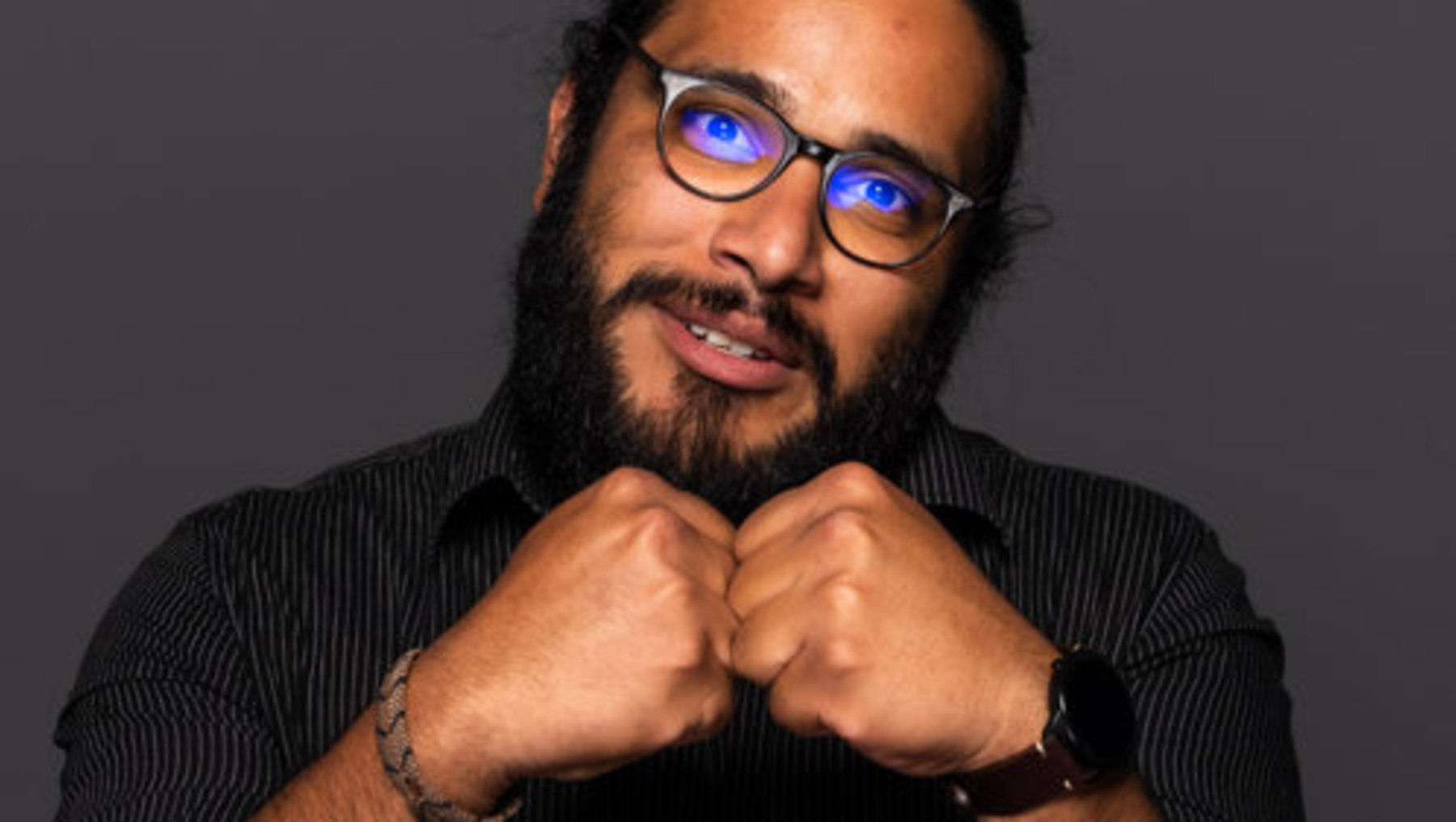 ©Paulina Schröder
Hugo Sanchez -
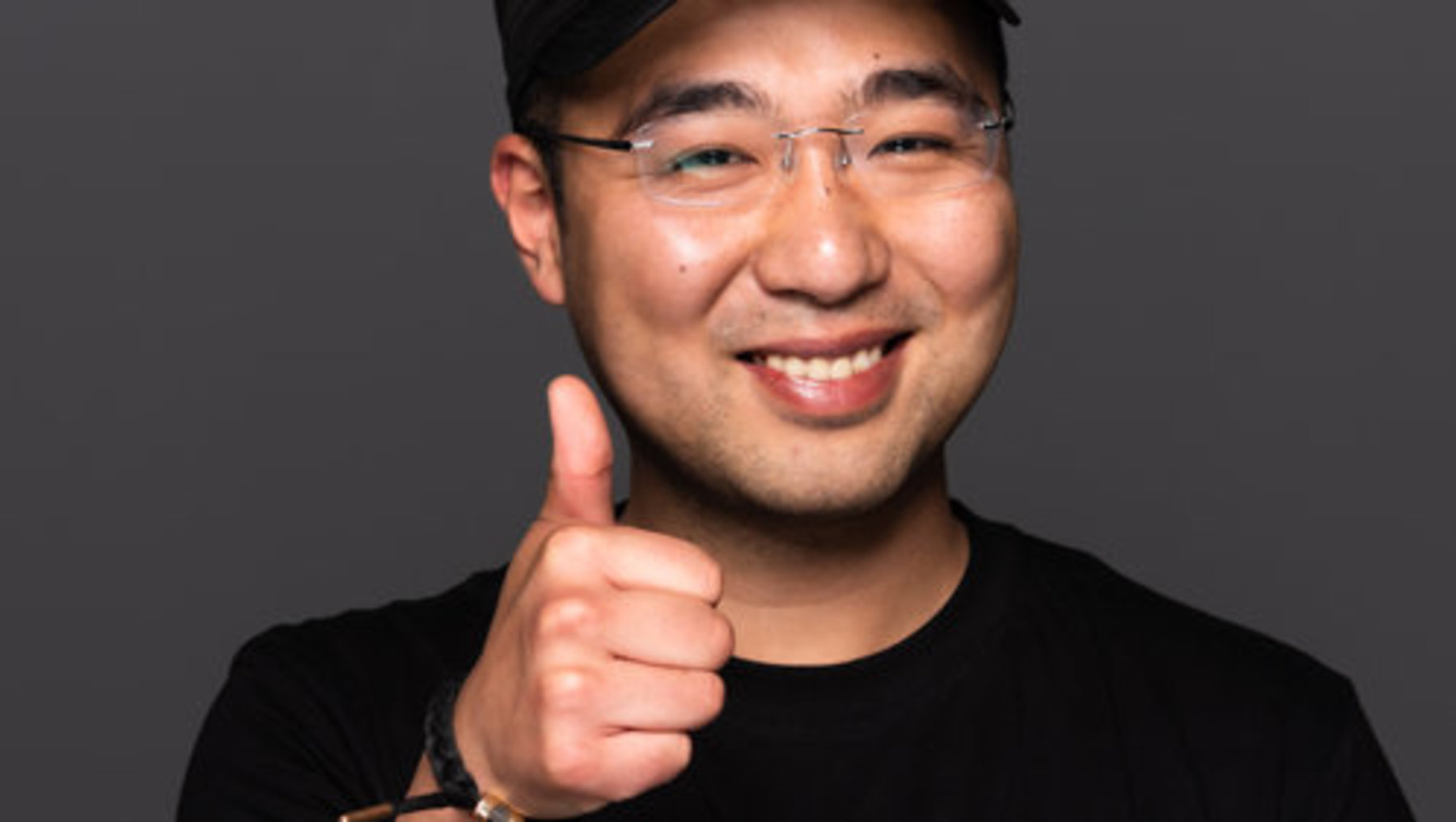 ©Paulina Schröder
Zonghan Jiang
©Paulina Schröder
What will you do first when you finish your doctorate?
-
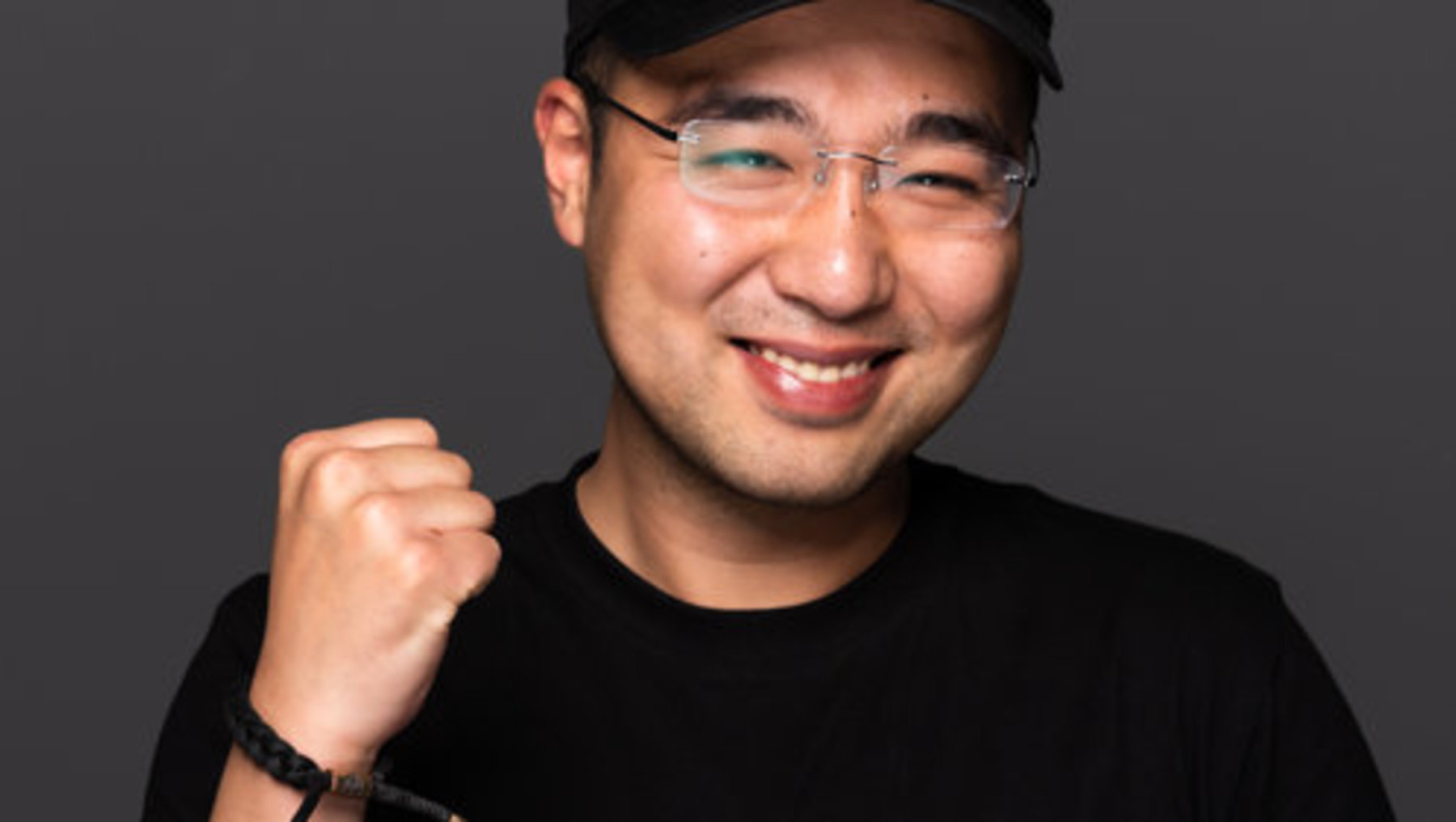 ©Paulina Schröder
Zonghan Jiang -
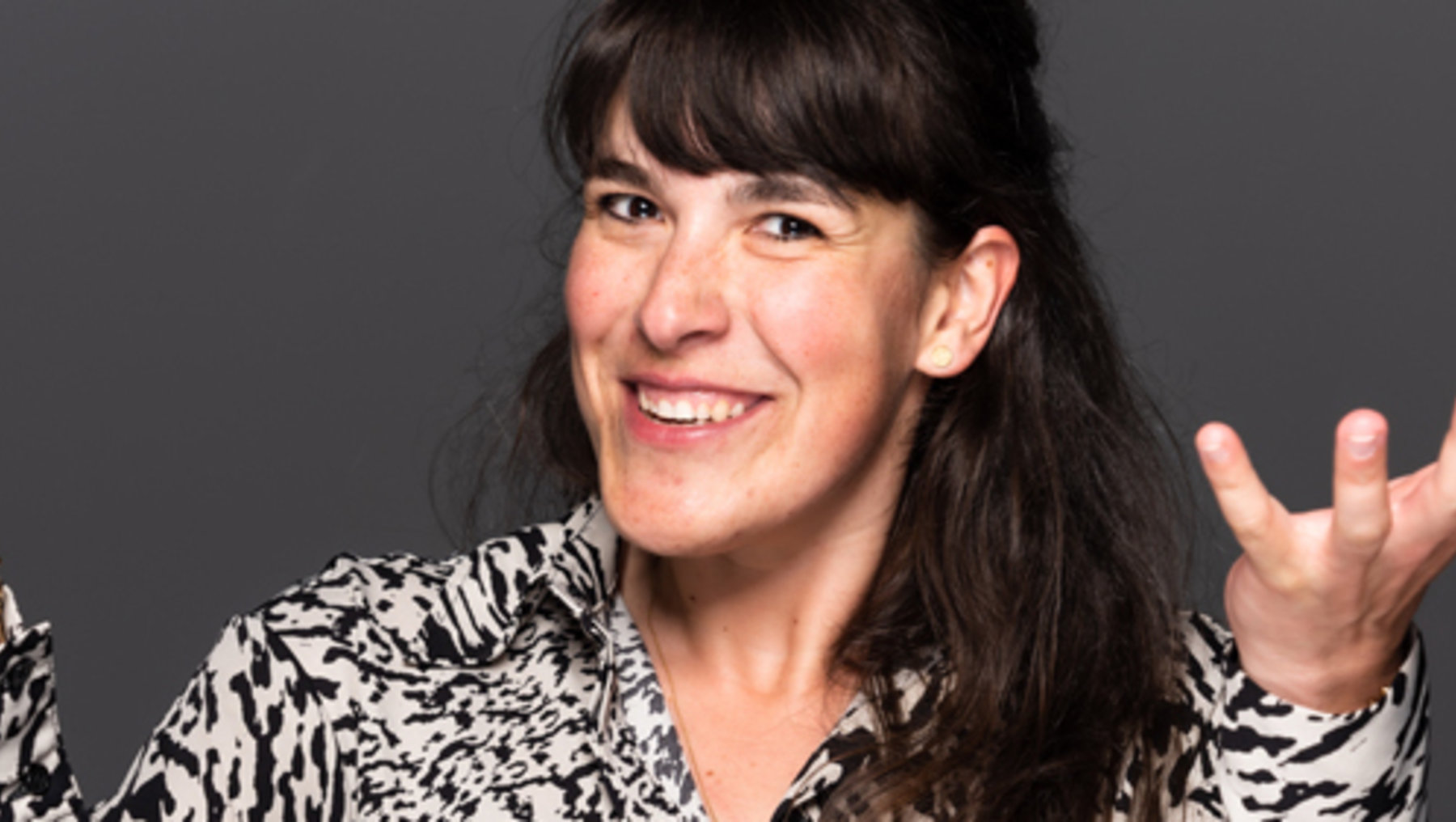 ©Paulina Schröder
Josefine Singer -
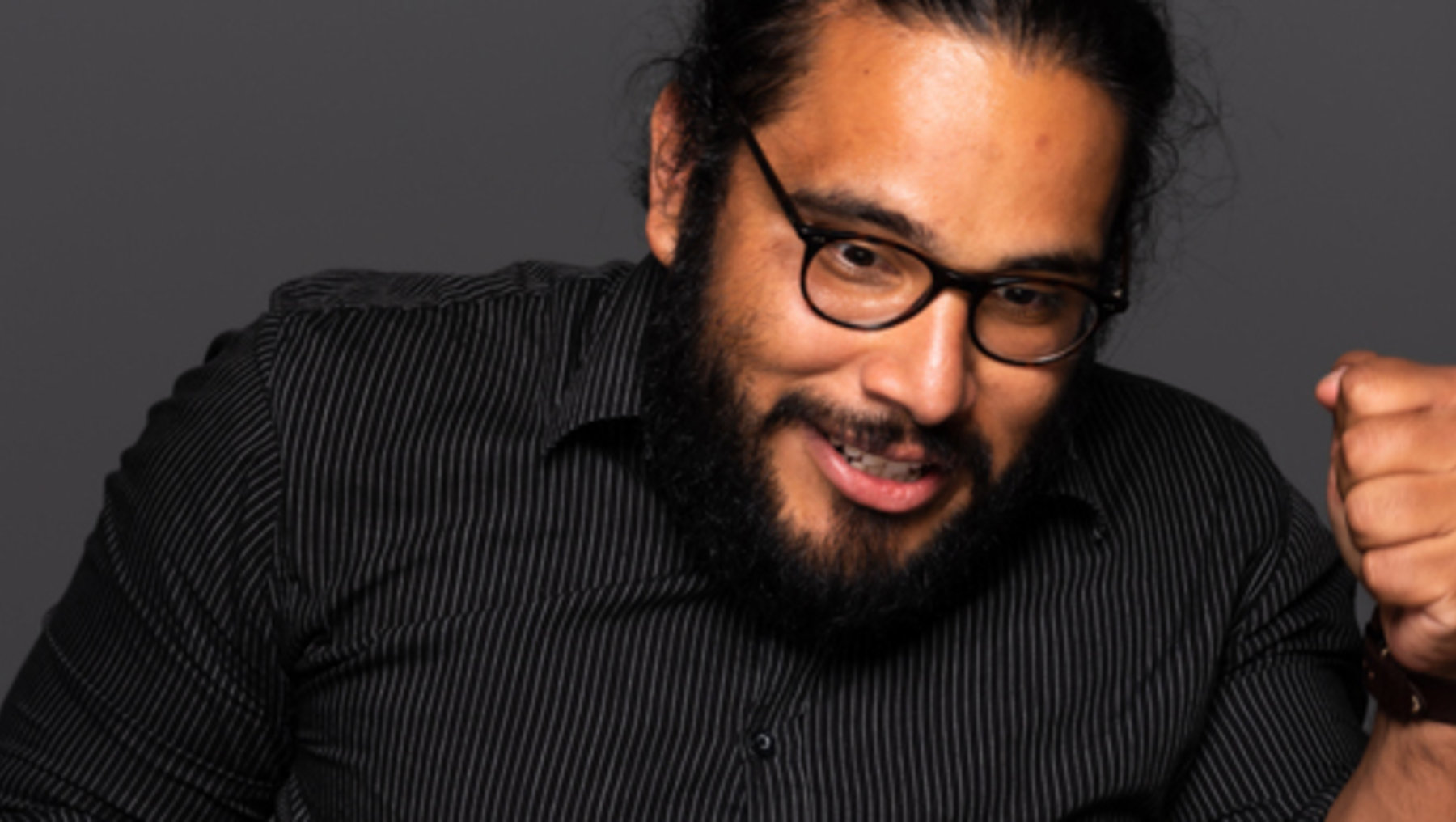 ©Paulina Schröder
Hugo Sanchez
©Paulina Schröder
Psychological Counseling for Doctoral Students
Anxiety, stress, pressure, writer's block? Sometimes we just need someone to talk to. Dr. Elke Eckhardt's psychological counseling services are also available to all doctoral students. You can find more information here.
News on the Topic of the Doctorate


"Earning a doctorate is a confirmation of the spirit."
Georg Christoph Lichtenberg
