Activities
-
 © Fachbereich Design, Hochschule Anhalt
-
 © maid
-
 © maid
-
 © (C) 2016 Sam Sanchez
-
 © maid
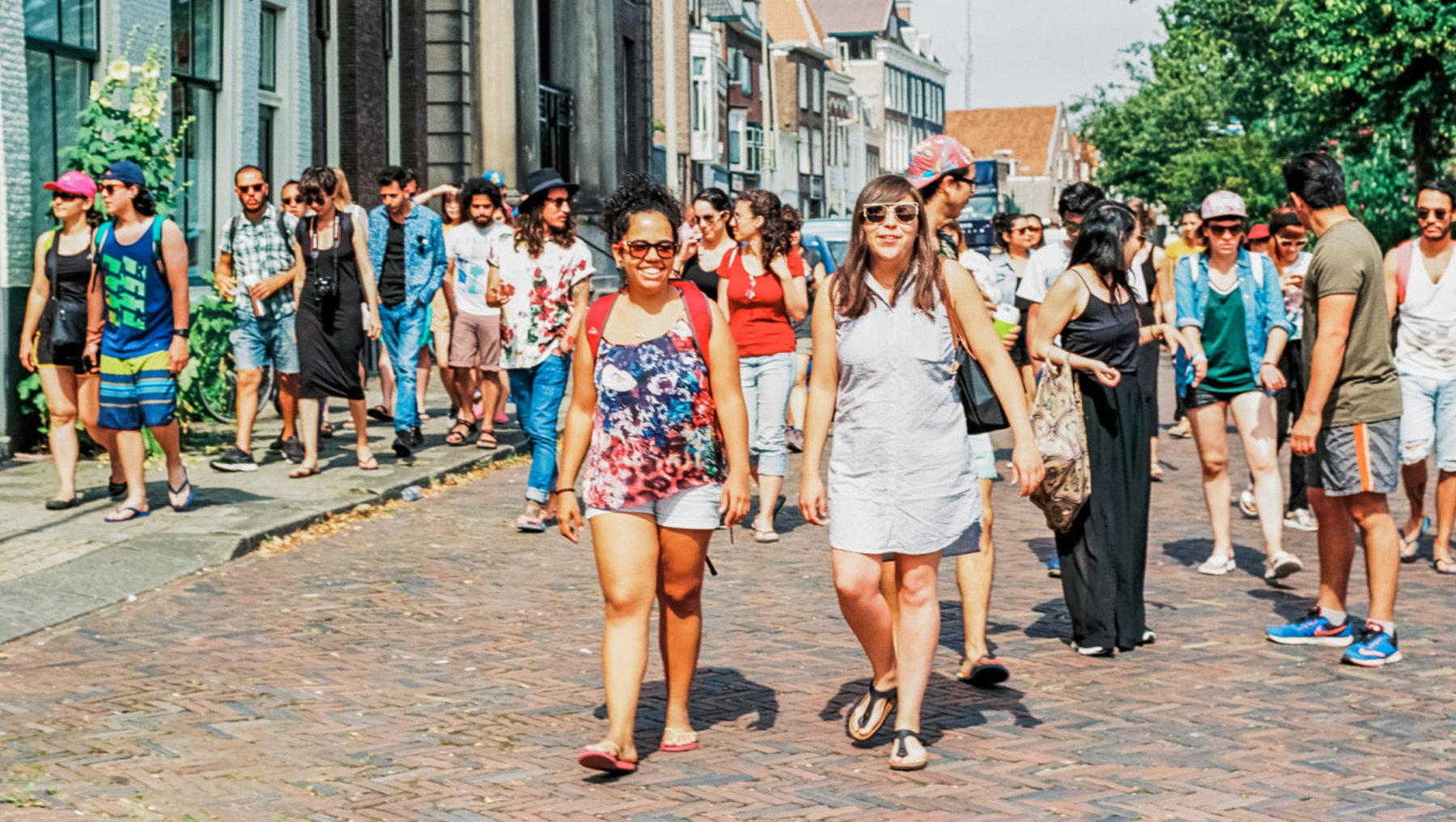
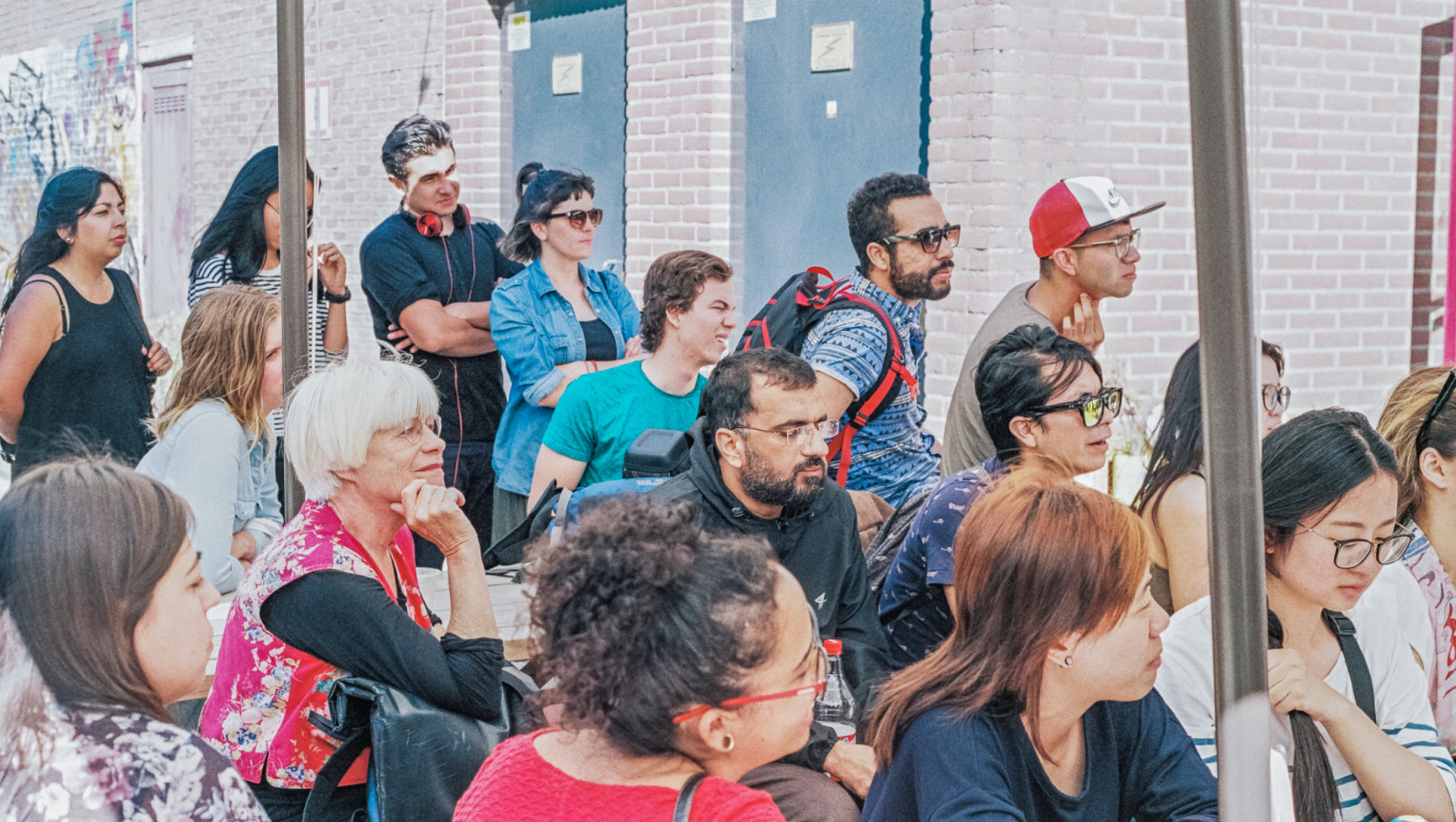
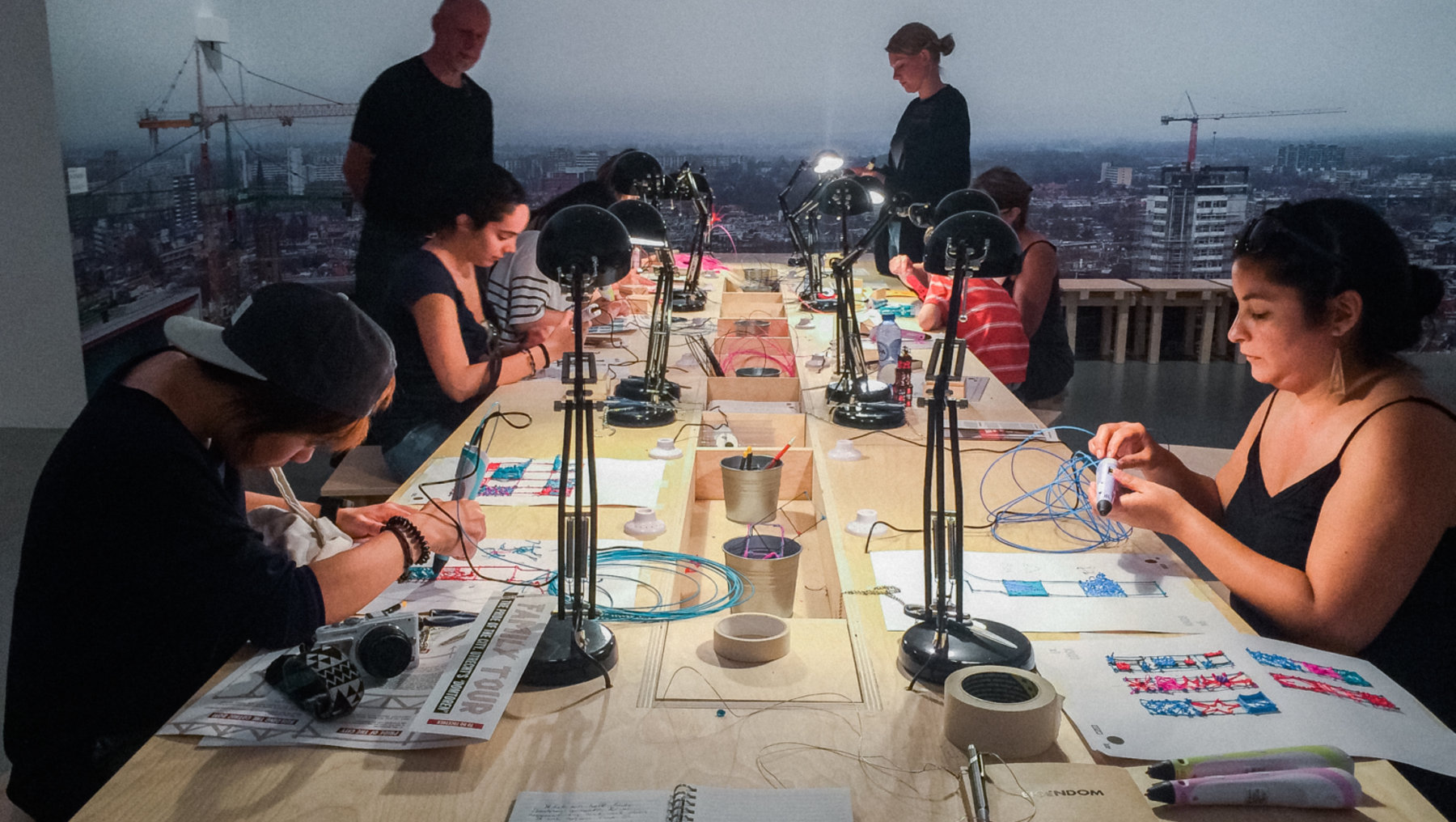
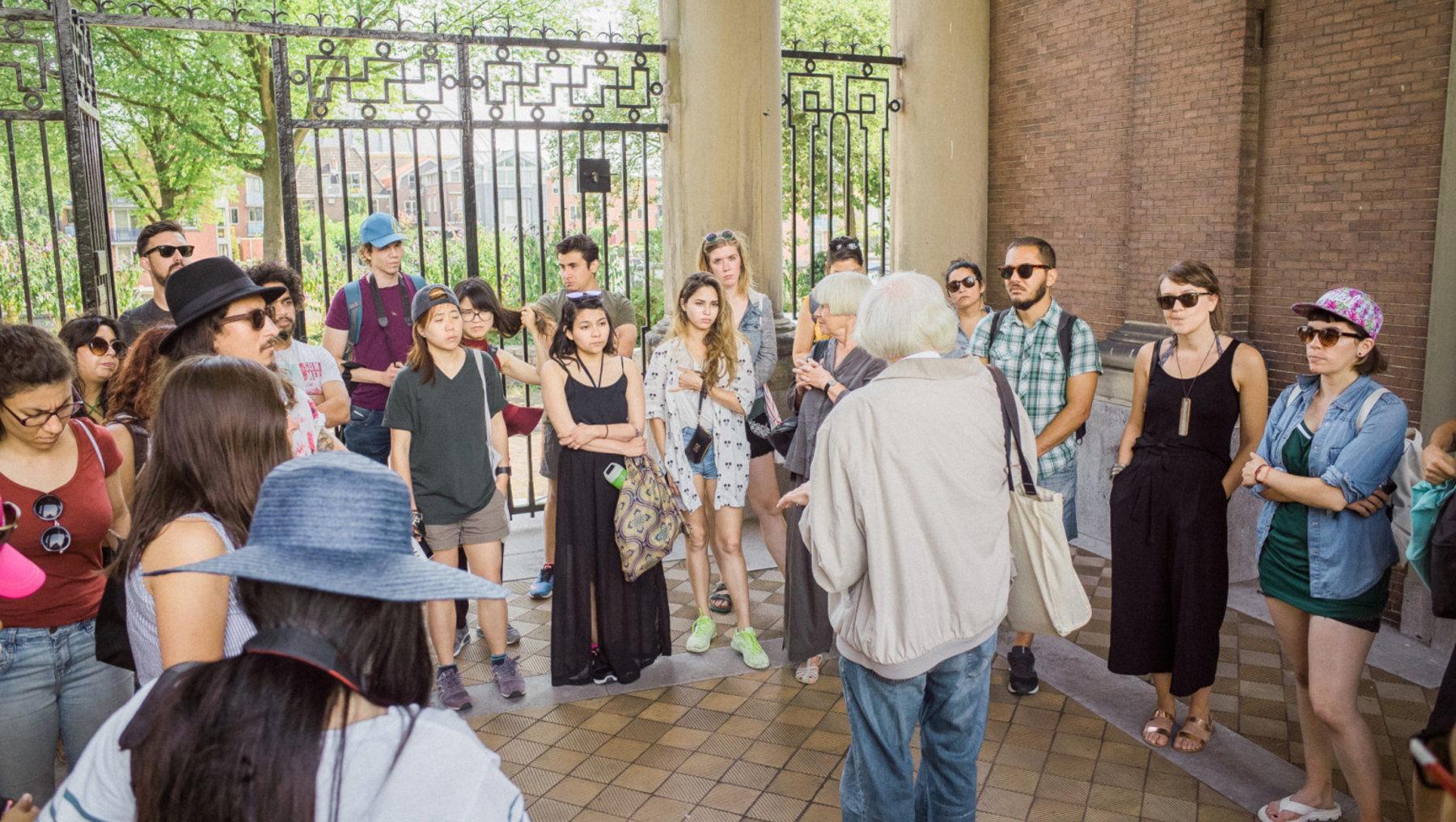
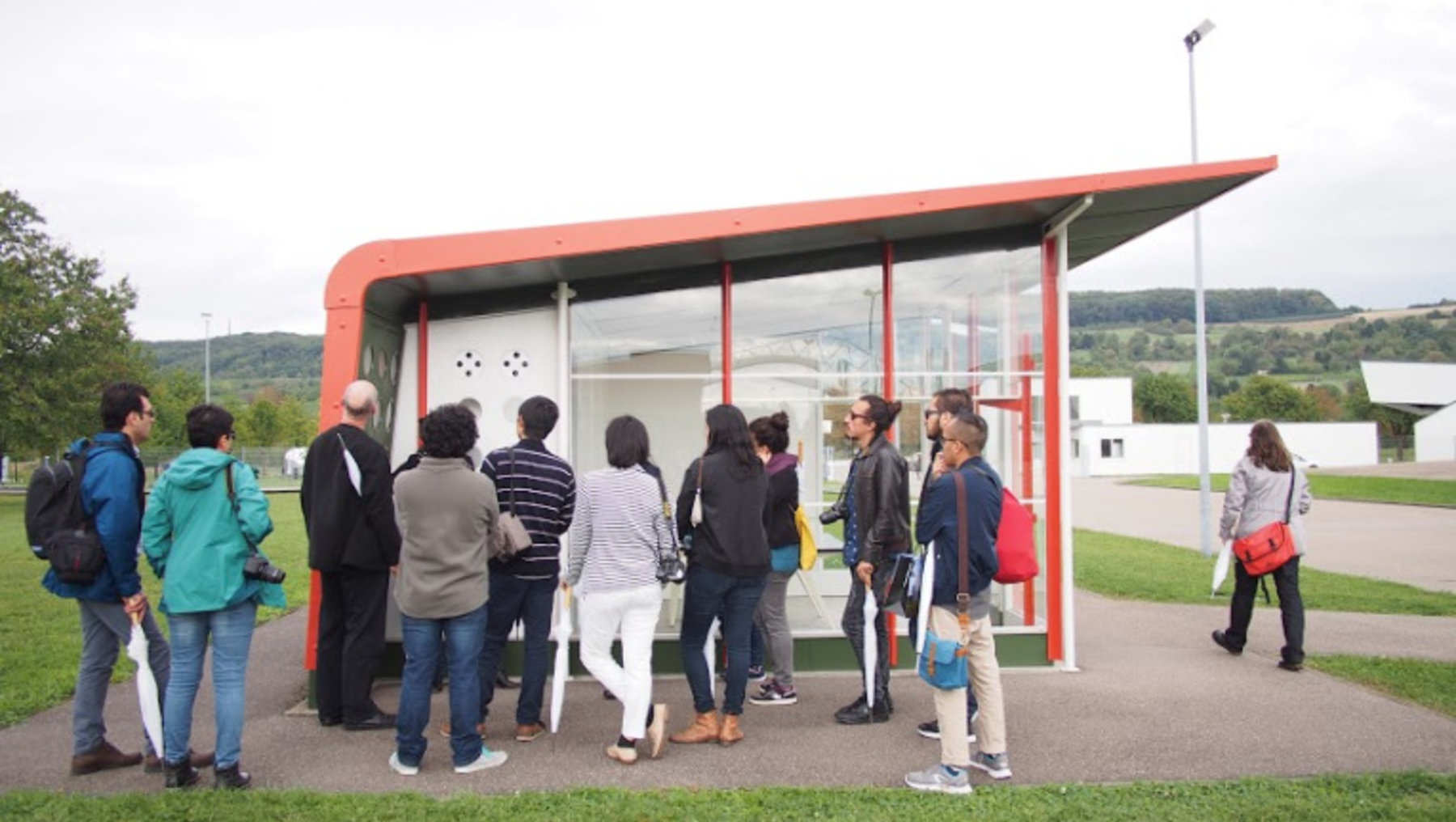
As part of its Integrated Design philosophy, the MAID program seeks to create an interdisciplinary and multicultural environment, which allows students not only to develop original projects while gaining insights from other design disciplines and world cultures, but also to come together and enjoy student life beyond the academy, as a family.
soft- and hardware as well as material requirments for the degree program
The soft- and hardware market is extremely fluid and experiences constant changes and improvements. Hence the school can only provide basic and limited software and hardware. You are therefore required to bring your own laptop including the software that you need for your projects. Specialised soft- and hardware for 3D-printing and movie editing is available.
During your studies the university and the program will provide basic material in the workshops such as metal and wood for all students. Special material must be ordered through the workshops and must be paid for by the students as each project is very individual and it is neither possible nor fair to cover all model making costs by the program. Drawing and other materials and tools must also be covered individually by each student. Basic printing is available in the class rooms at no cost. The university also has a professional printing workshop offering letter press, offset and silk-screen printing as well as large size plotters and a digital printing machine. The program provides a basic coverage for such printing additional printing costs are covered by the students. Prints for final semester presentations of the studio class will be covered by the program.
The program also tries to offer excursions, mostly within the classes. Museum tickets and accommodation if applicable, can covered by the program.
Please know and understand these conditions before you apply or accept the admission. Costs for projects per semester and other activities, depending on the sophistication of your projects, can be estimated on average at about €150.
How we teach and why
Our international students are coming from various educational backgrounds and even fields of design. This is a great challenge which we gladly accept and which has a big influence on our understanding of the program. Because of the different ways of teaching applied in countries over the world, we have experienced that the teaching style dominant in Germany and particularly at our school, needs a few words of explanation in order to avoid disappointed expectations on both sides.
Most of our classes are offered as projects where topics and themes are provided by the teacher or are developed together with the students. The necessary knowledge transfer is embedded in the seminars and takes place through discussions, consultations, student presentations and suggested reading. Knowledge transfer only rarely is done through instructional classroom lectures. We also see you and your experiences and previously acquired knowledge as vital components of our teaching and hence involve you into the transfer of knowledge which hence does not only happen from teacher to student but also from student to student under our guidance. This form of teaching is very common in design schools in Germany especially on master level where you are asked to apply and if necessary improve your methodological as well as research skills. We are of course always open to your needs in terms of specific design and research methods and are asking you to voice such needs so they can be implemented into the program if possible. We are not simply feeding you with more or less necessary pieces of knowledge, instead we are guiding you in learning what it takes to become a responsible and successful integrated design professional. For that we offer a lot of freedom on our classes in terms of the how things are done and are always available for guidance and consultation.
Please know that with students coming to us from pretty much all over the world, the common base might not be as common as you expect it to be. Some programs are very research and theory based, others are very hands-on and ready-to-market oriented with less theoretical background. It is our joy to take you all to a respectable master level in the field of design.
Embrace and enjoy the differences.
Curriculum
The curriculum is based on an interlinked structure which allows an education in essential design fields – creating comprehensive knowledge, methodic diversification and creative specialization. Throughout the course of study, product design, communication design and media design are the main fields, accompanied by supporting design disciplines. The Studio Module is the center of the MAID courses. Under a principal topic progressive research and creative methods are applied to complex design projects in order to develop strategic and relevant design solutions.
Based on the idea to build a bridge between our master's degree program in Intermedia Design (language of instruction: German) and our international master's degree program in Integrated Design (language of instruction: English) we will be able to offer interdisciplinary studies and interactivity between the two programs.
The Elective Module (two courses per study semester) focuses on applied and advanced technologies, experimental approaches or fundamental skills. Professional German is among the Electives offered.
The Expertise Module is a compact class of one week and includes specialized workshops, synchronizing classes to gain further qualifications or courses offering professional competences.
Design Sciences such as theory and mentoring introduce scientific and theoretical discourses and reflections.
The four semester program includes a mobility semester (3rd semester) in which students can either take up professional internships, organized by the students themselves or can enjoy an exchange semester with one of our many international partners.
Program outline:
• summer semester starts in the first week of April, lecture period: April 1st – middle of July
• winter semester starts in the first week of October, lecture period: October 1st – middle of February
• four semesters, including one for the master's thesis
• language of instruction is English
