formnext 2025
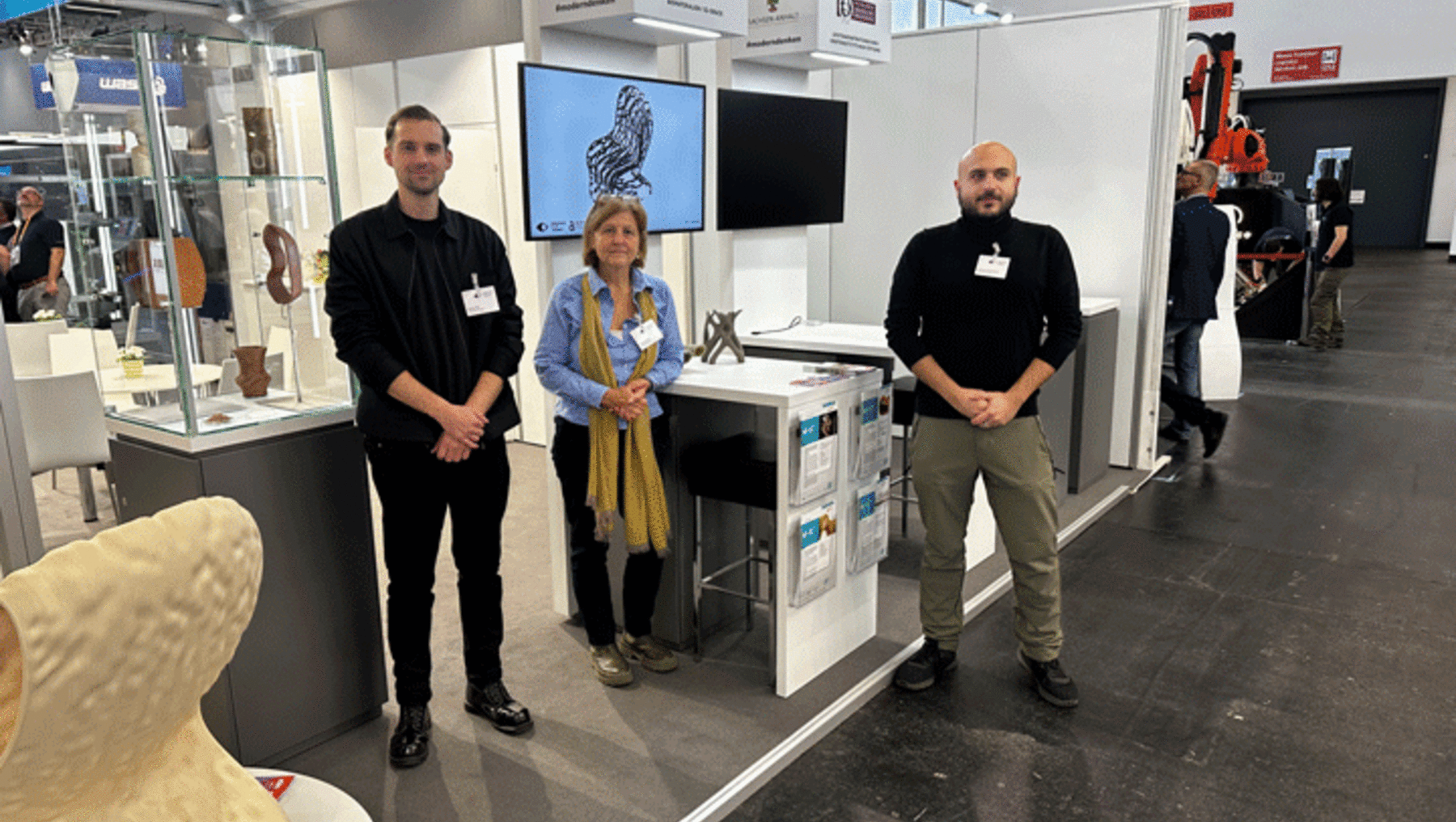
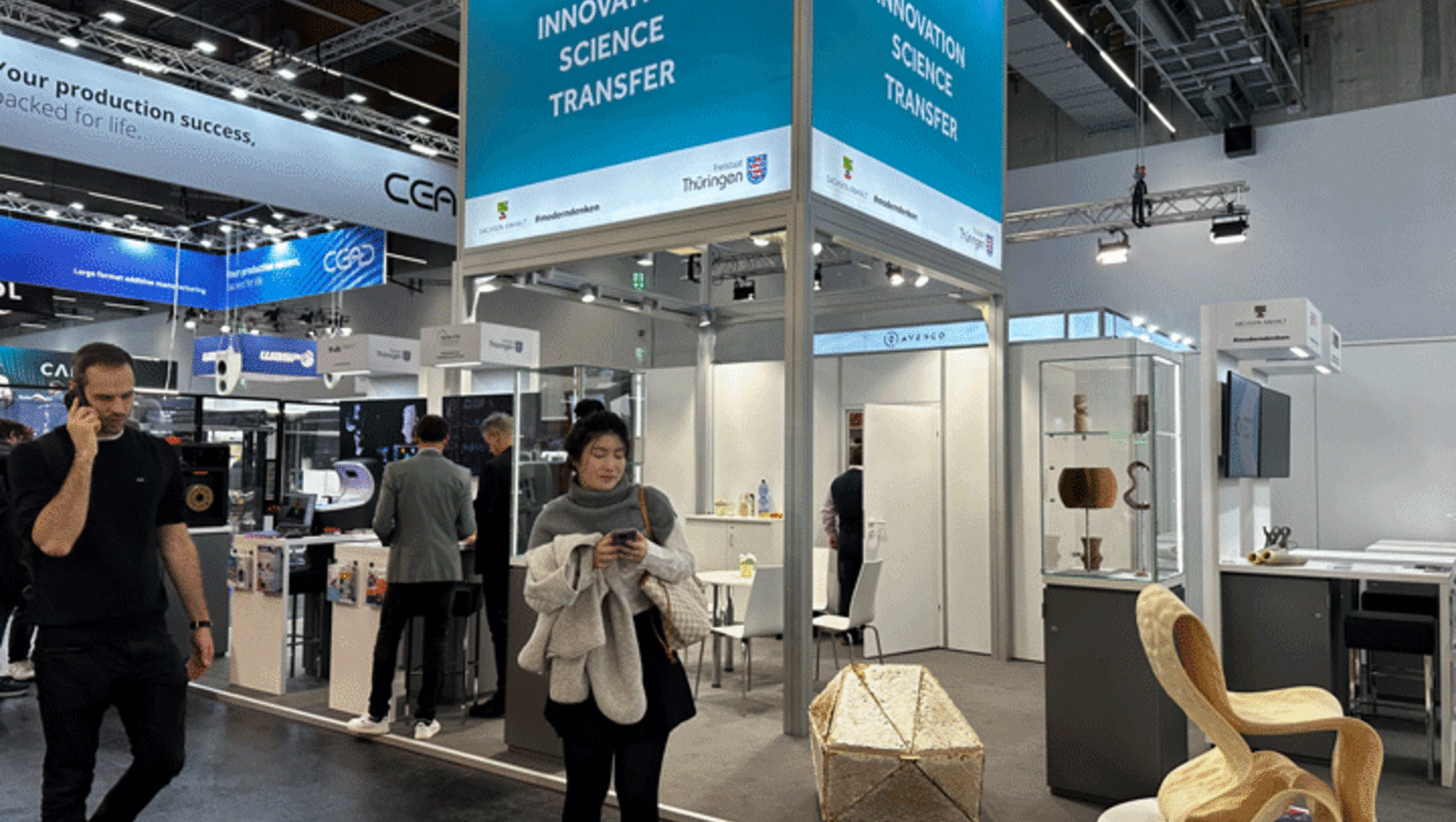
In the Department of Design, the working group led by Prof. Dr. Manuel Kretzerfocuses on smart technologies, bio-based and sustainable materials as well as digital, parametric design and fabrication methods, in particular 3D printing. The Materiabilty Lab is represented at formnext for the first time and will be presenting the following topics:
 © HS Anhalt/FB Design/AG Prof. Kretzer
Problem definition
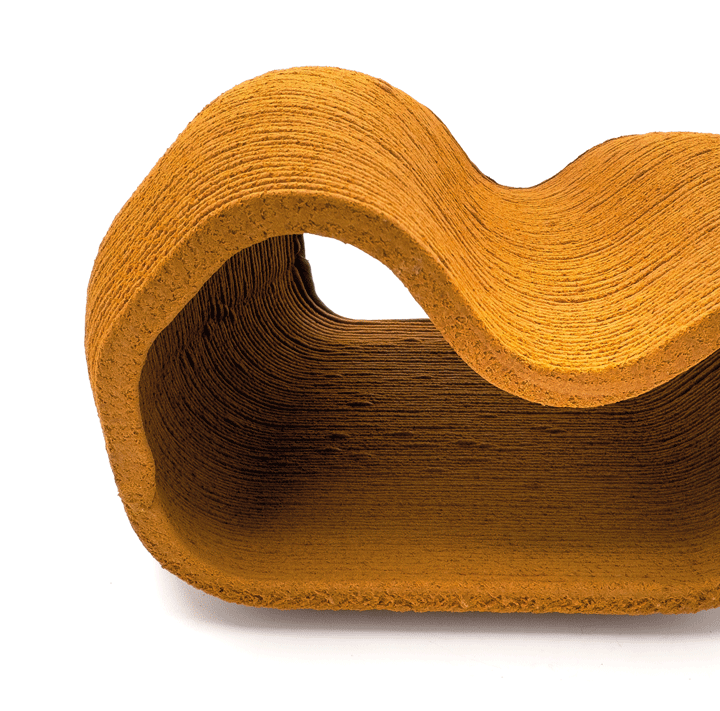
The focus of the study is on researching and establishing 100% biologically based and potentially biodegradable natural fiber composites based on the biopolymer lignin. The aim is to provide materials for the use of new technologies such as additive manufacturing (3D printing) in order to replace petroleum-based plastics in suitable areas. A robotically controlled FGF 3D printer is used for the research.
Results, checkpoints, next steps
100% bio-based, potentially biodegradable natural fiber composites for FGF 3D printing are being developed on the basis of lignin. The composite is already printable; current formulations contain approx. 50-60% lignin. Plasticizers, fiber type/length, crosslinker content and flow agents are varied in test series. The thermal transitions and process windows are recorded using DSC; SEM analyses test the embedding of the fibers in the polymer matrix. Initial mechanical results (partly tensile tests) are available; the compression/compression properties are currently being determined. Next checkpoints: (1) design and application scenarios with FGF printing, (2) disintegration tests and biodegradability studies, (3) three-point bending tests, (4) extended fiber variations. The aim is to develop a scalable, petroleum-free material system as an alternative to conventional plastics.
Contact Prof. Dr. Manuel Kretzer
 © Benjamin Kemper
Problem definition
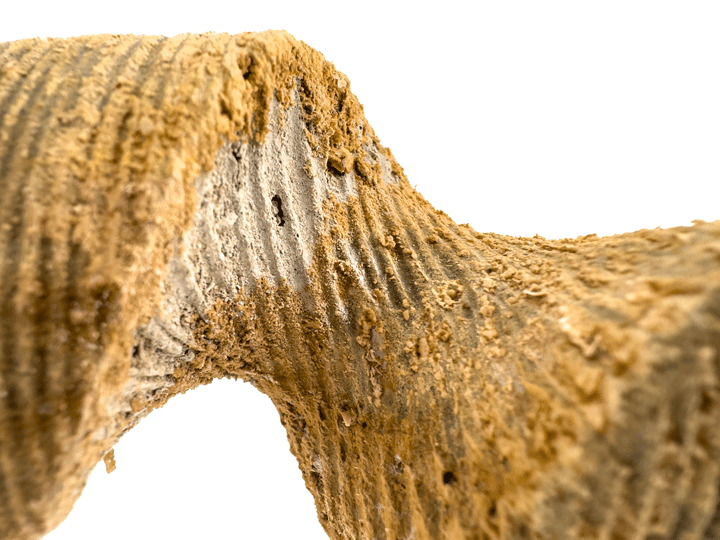
The "Bio Formwork" research project is investigating the use of thermoplastic starch (TPS) for non-standardized, single-use concrete formwork in Architecture. Two prototypes are shown: (a) a robotically printed formwork made of pure TPS, and (b) a component cast from ultra-high performance fiber reinforced concrete (UHPFRC). The study investigates the potential of TPS as a sustainable formwork material in the digital construction industry.
Results
The results show that starch as a biopolymer can be converted into compostable TPS by the action of heat and mechanical stirring as well as by the addition of bioplasticizers and solvents. The material can be converted into pellets by subsequent mechanical post-treatment. These pellets can be processed into complex three-dimensional objects using the Fused Granular Fabrication (FGF) printing process by applying heat and pressure.
Contact:
Prof. Dr. Manuel Kretzer
Benjamin Kemper
 © HS Anhalt/FB Design/AG Prof. Kretzer
Problem definition
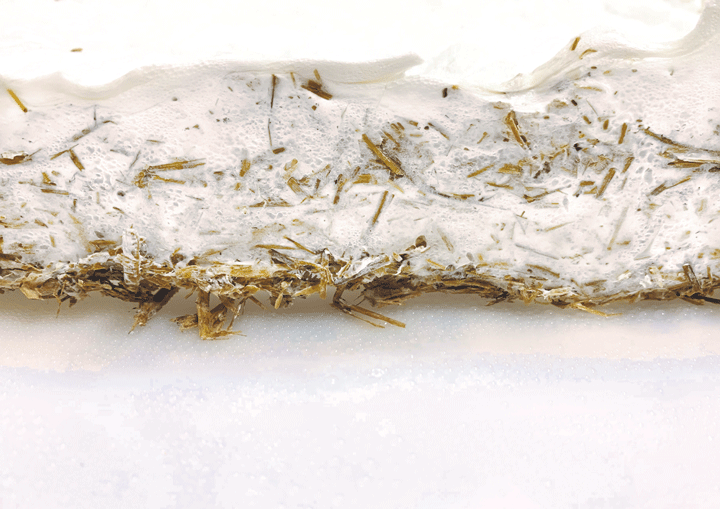
The Myzel Bike Box is a modular transport box made of mycelium - the root network of mushrooms - combined with a lightweight PLA frame. It exemplifies the symbiosis of sustainable material research and functional design in an urban context. Grown instead of produced, the box is biodegradable, has a water-repellent coating and is stabilized by the frame. Its modular design enables repair, replacement and complete recycling. Developed for cargo bikes, the MycoBox combines ecological responsibility with aesthetic innovation.
Results, checkpoints, next steps
The results of the Myzel Bike Box so far show significant progress in material and process development. The stability of the mycelium panels has been significantly improved through the ingrowth of fibers and structural reinforcements. A water-repellent coating also ensures increased weather resistance and extends the range of applications in urban areas. At the same time, work was carried out on optimizing the growth conditions in order to make the manufacturing process more efficient and scalable.
The current prototype of a functional bike box demonstrates both the technical feasibility and the design potential of the concept.
The next steps will focus on further optimizing the material, particularly with regard to
resilience, moisture resistance and weight, in order to further advance its use in the bicycle logistics sector. The focus will remain on the set goal of biodegradability of the modules.
Contact:
Problem definition
As part of the New European Bauhaus (NEB), this research project investigates large-scale additive manufacturing with Fused Granular Fabrication (FGF) for the production of parametrically designed, structurally optimized furniture. A chair made from a bio-based PLA-cellulose composite illustrates how agent-based modeling and FEM analysis guide virtual agents to follow force paths and form "tectonic protrusions" that reinforce load-bearing areas. In addition to this case, the project also explores advanced printing processes and sustainable composite systems, expanding the possibilities for digital craftsmanship that balances resource efficiency, structural performance and aesthetic innovation.
Results, checkpoints, next steps
This study demonstrates the potential of large-scale additive manufacturing with bio-based and recycled materials for parametrically optimized furniture. Next steps focus on hybrid and non-planar printing processes to further increase resource efficiency, structural performance and design diversity and promote sustainable design processes.
Contact Prof. Dr. Manuel Kretzer
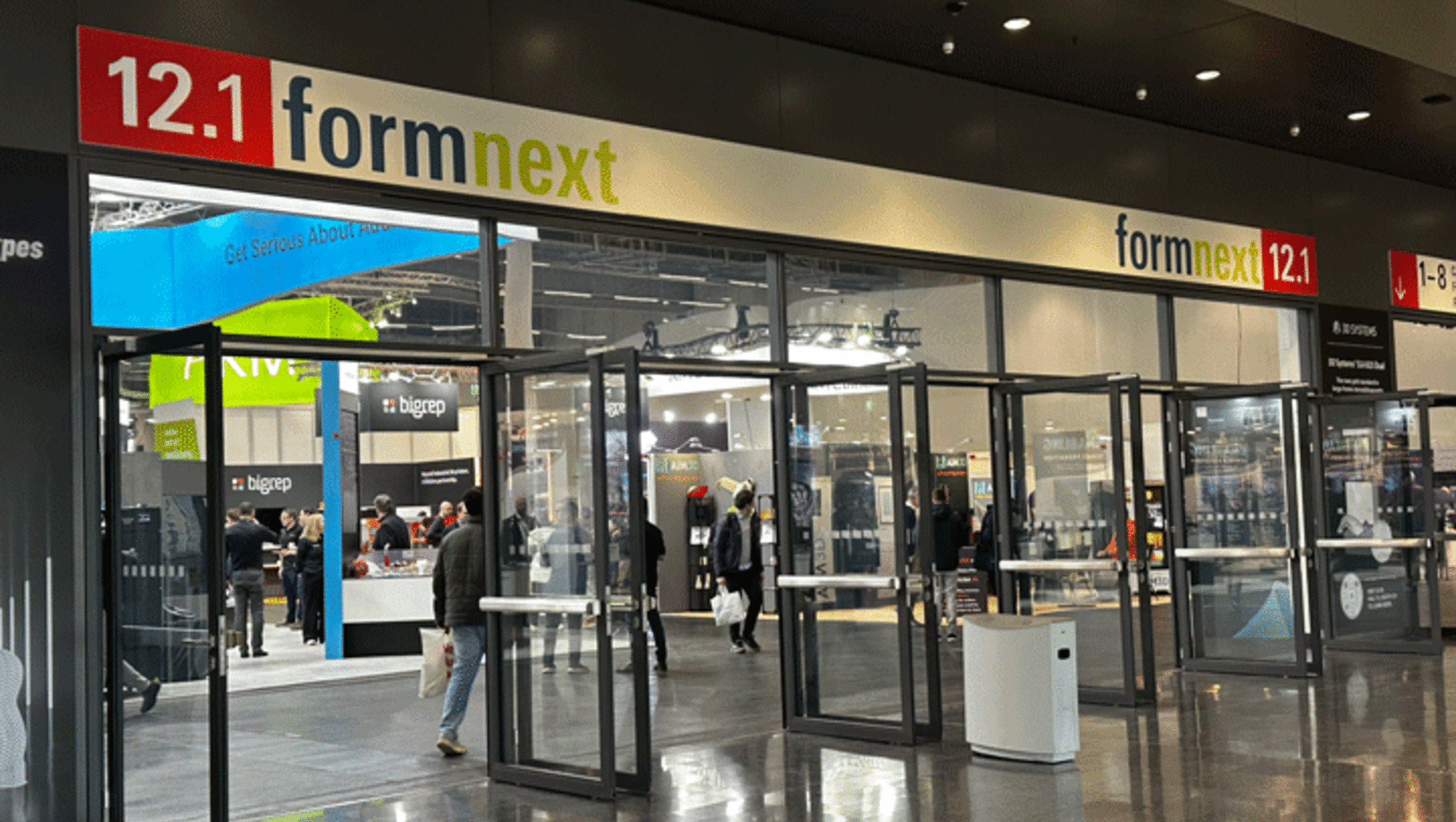
Trade fair impressions 2025
-
 © HS Anhalt/MuK/SK
-
 © HS Anhalt/MuK/SK
-
 © HS Anhalt/MuK/SK
-
 © HS Anhalt/MuK/SK
-
 © HS Anhalt/MuK/SK
-
 © HS Anhalt/MuK/SK
-
 © HS Anhalt/MuK/SK
