News-Detail

On the way to a green university

  • © Sam Sanchez; DokuTeam, Fachbereich Design Dessau, Hochschule Anhalt

Mindful and responsible cooperation, resource conservation and alignment with the sustainability goals of the United Nations - Sabine Thalmann, Head of Administration, and Professor Sabine Tischew, Vice-President for Research, Transfer and Sustainability at Anhalt University of Applied Sciences on how the university sees itself as a place of the future.

At Anhalt University of Applied Sciences, we are passionately committed to environmental protection together with the "Sustainability" working group - passion means not losing our cool. We take a strategic approach. Our measures, our projects and our goals are based on the United Nations (UN) 2030 Agenda - the global community's treaty for the future in the 21st century. To this end, we have set ourselves eight points in particular that should get us to our goal.
At Anhalt University of Applied Sciences, we are passionately committed to environmental protection together with the "Sustainability" working group.

Sabine Thalmann

Sustainability in studies

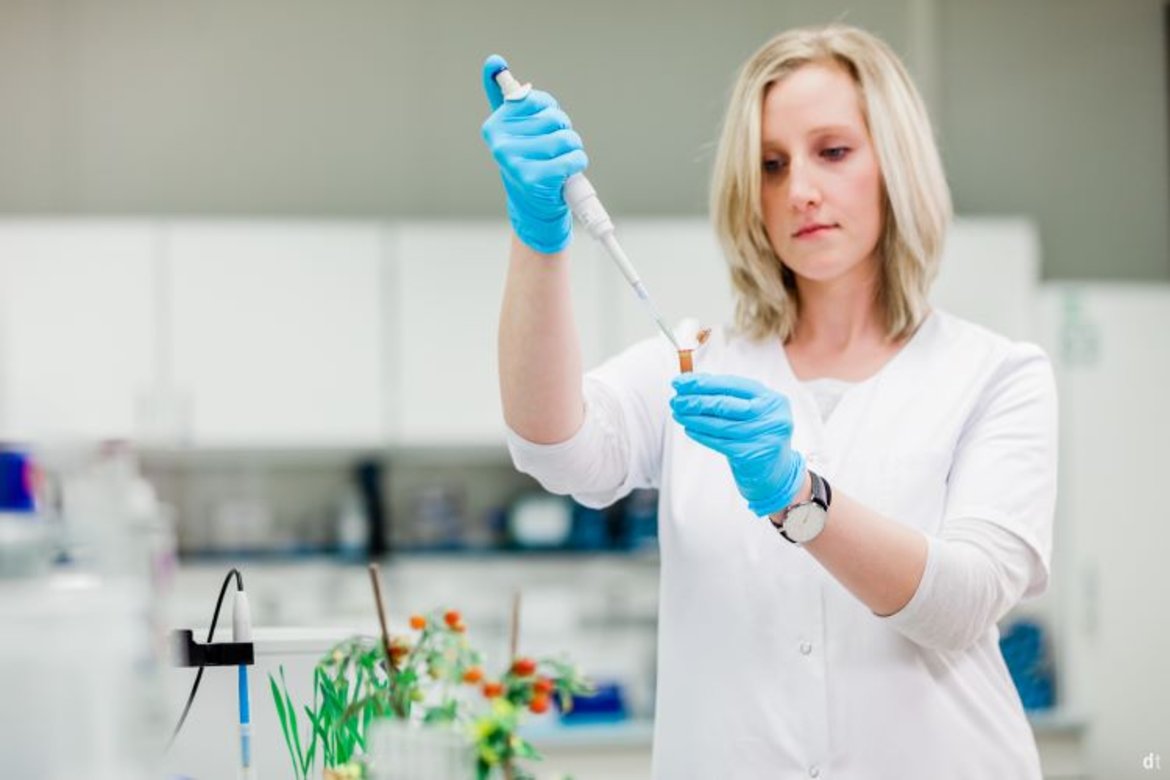
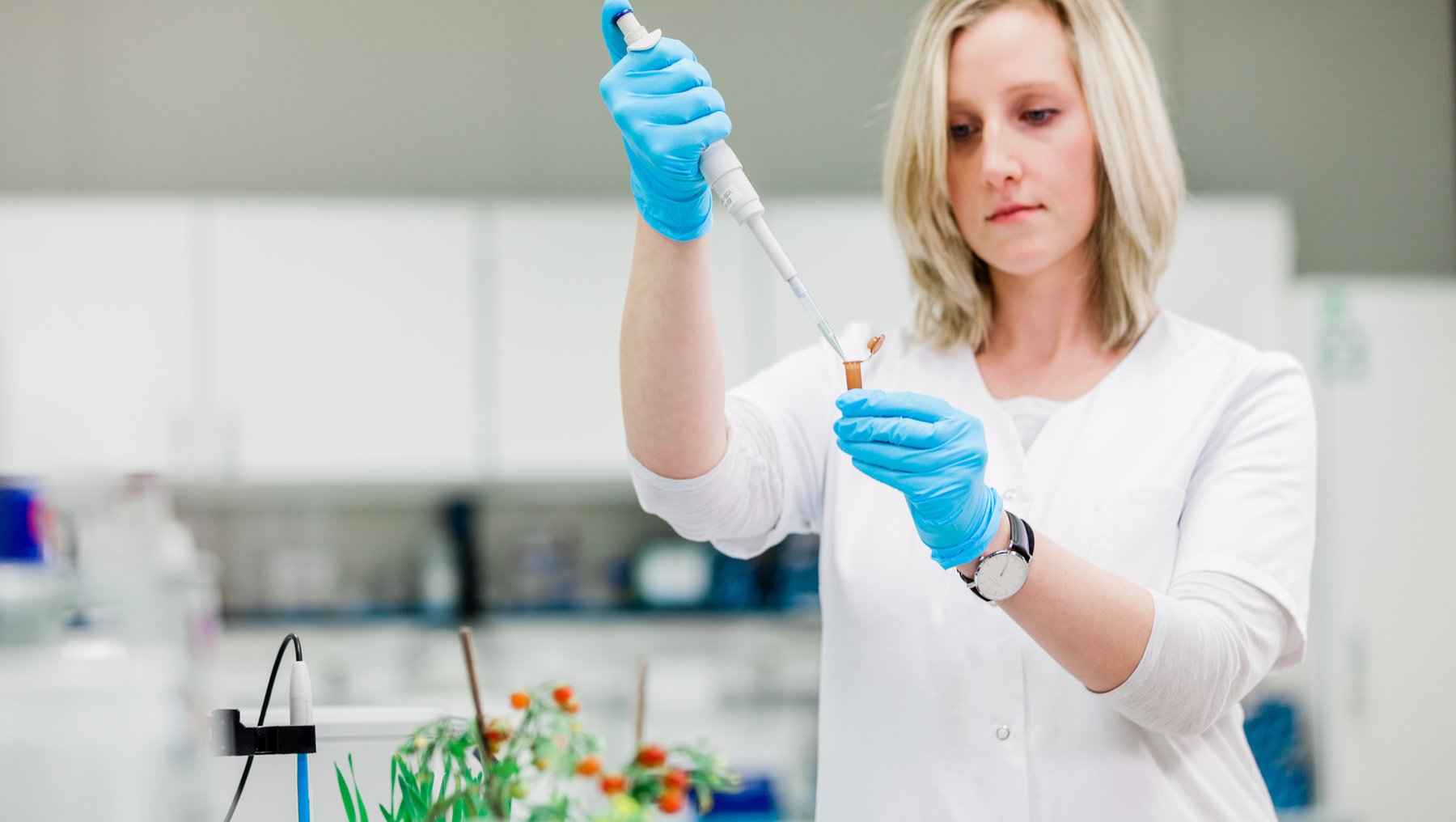
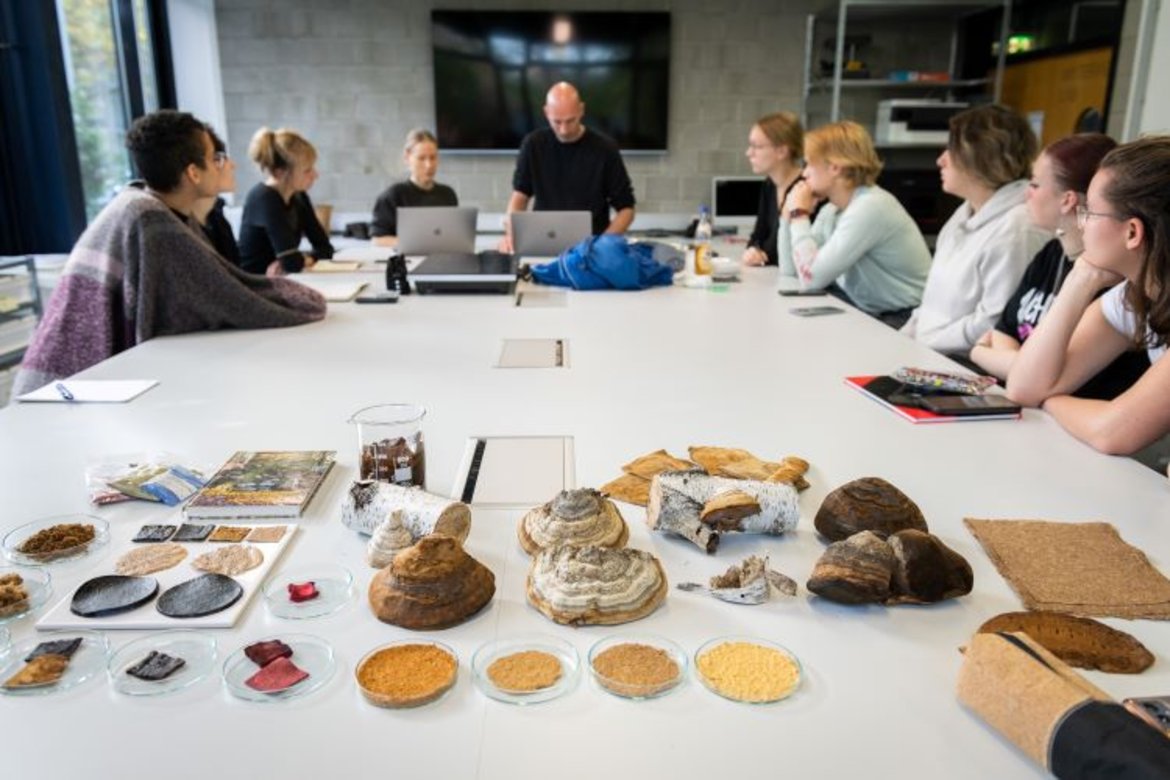
In our studies and teaching, we intensively investigate alternative plant species that can cope with the challenges of global warming, develop new foods from known raw materials and pay attention to natural materials in the planning of buildings. We are working on alternative drives for the transport transition or on the transition from fossil to renewable raw materials - and we use cloud technology for our interdisciplinary collaboration in order to save valuable computing capacity. In our more than 70 degree programs, we experiment, design and optimize together for a more sustainable world.

Sustainability in research

In research, we find answers to the big questions of the future: in many projects, we work in an interdisciplinary, resource-conserving and energy-efficient manner. We do not hide our findings behind walls - we play with open cards and create access to knowledge and innovations in order to find innovative solutions for the challenges of tomorrow. In this way, we are making important contributions to a successful and socially acceptable energy transition, to tackling climate change with innovative ideas and to overcoming the biodiversity crisis

International networking

Global challenges require global solutions. With more than 220 partnerships with colleges and universities worldwide, we are committed to close cooperation and an effective exchange of knowledge. As a partner university in the Erasmus program, we offer exchange semesters and encourage our students to consider more environmentally friendly travel options such as rail or car sharing rather than jumping on the next plane. We design international degree programs with double degrees and rely on almost paperless application processes.

Sustainable operation of the university

Our goal is for our university to become greenhouse gas neutral in the long term. We are taking various measures to achieve this: We are constructing and renovating our buildings in an energy-efficient manner, purchasing "green electricity", investing in high-quality thermal insulation and implementing modern heating management wherever possible. In the buildings, we plan to renew our ventilation systems and use them to recover heat and control heating cycles. We are also developing measures for the efficient use of rainwater.

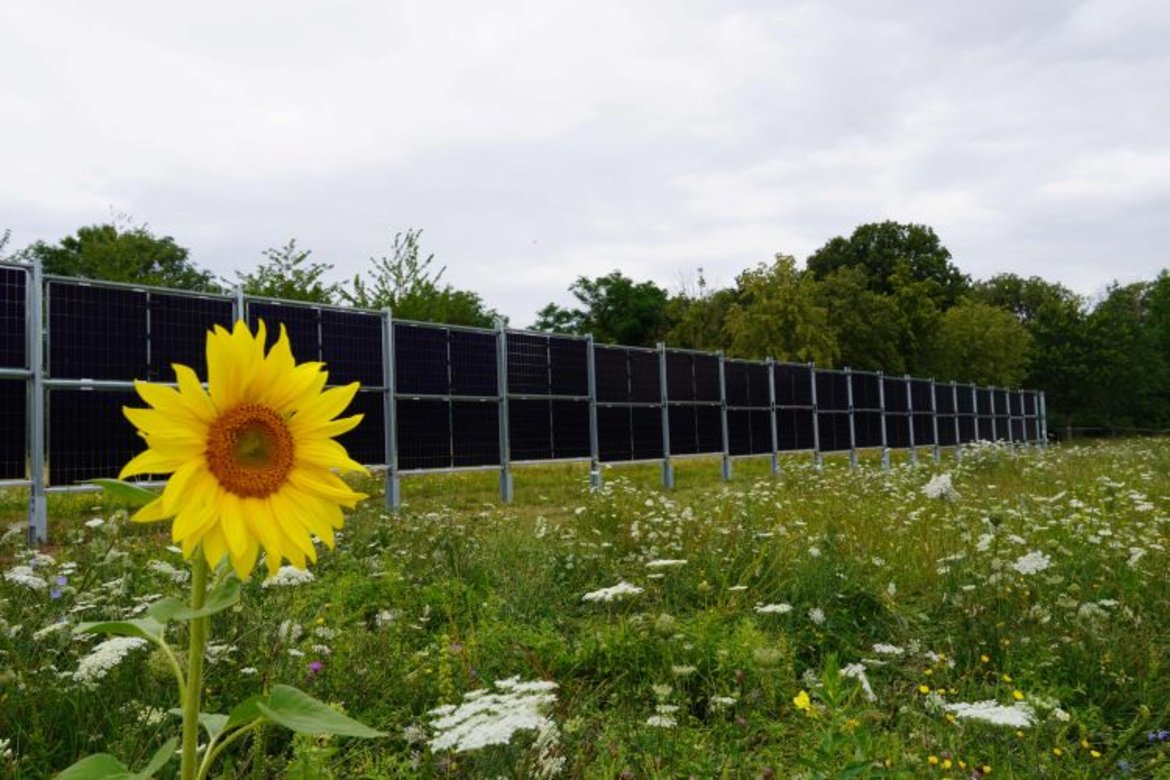
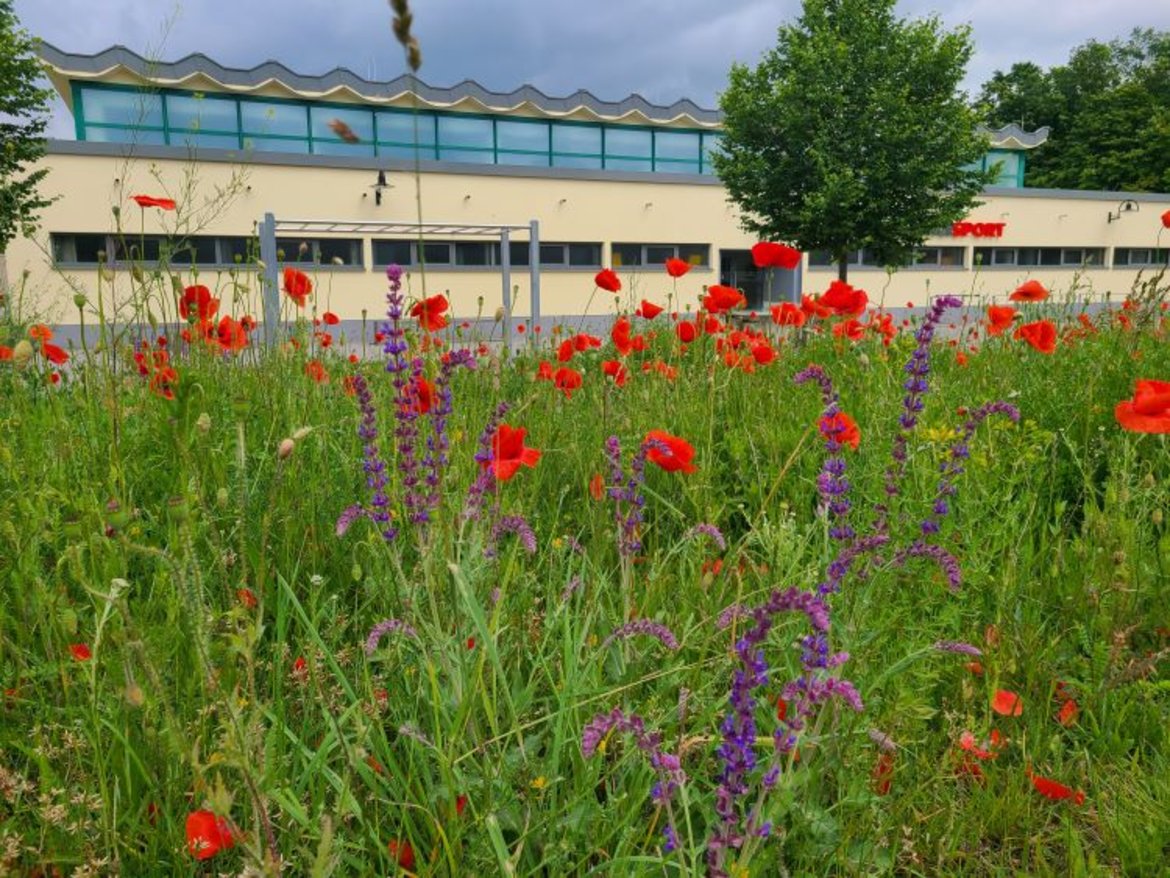
We create green roofs & plant flowering and insect meadows.

Dr. Sabine Tischew

Green Campus

Looking at the optimal use of water also gives us the idea for our next steps: We are creating green roofs and planting flowering and insect meadows. It is important to us that our campus is not only a place of learning for students, but also a place of active engagement for the environment. Student associations such as the Wurzelwerk and the COI at Campus Bernburg, the Vor-Ort-Haus in Dessau and the Study Lounge at Campus Köthen show how good this works. They offer opportunities to get actively involved and are committed to sustainability.

Sustainable mobility

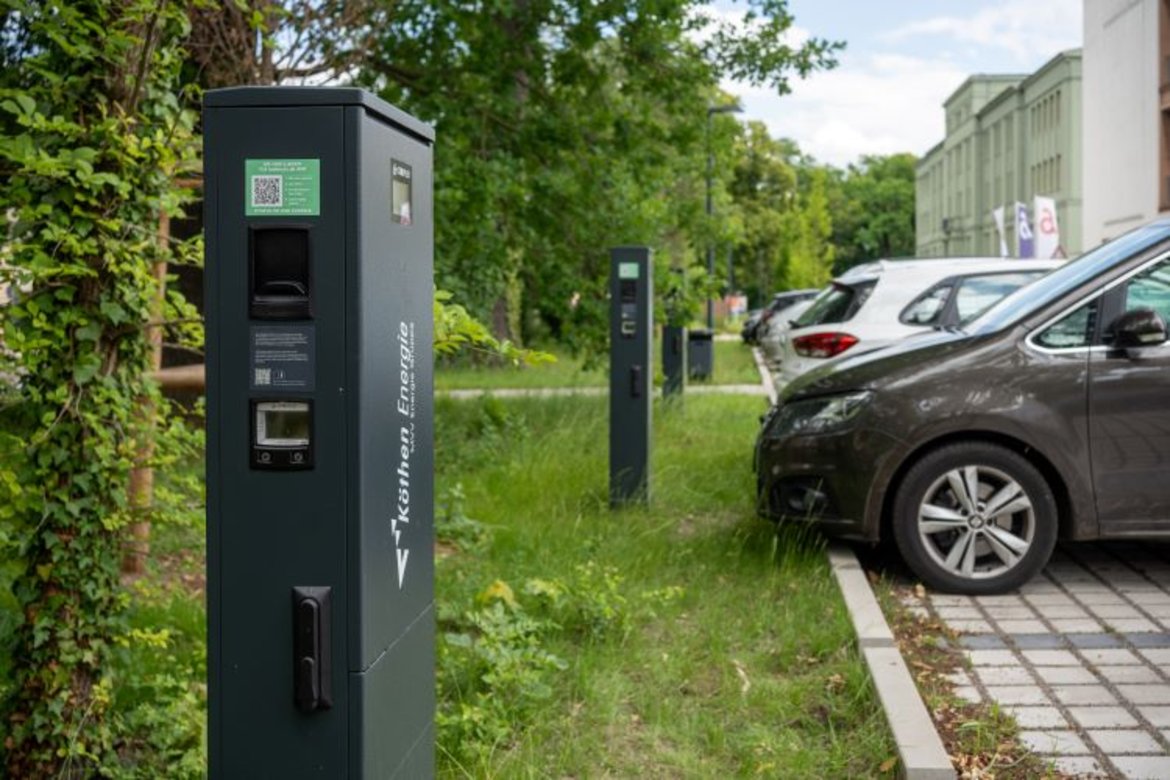
For a more sustainable future, we are already starting with the mobility of our students, lecturers and employees. In the future, we want to promote carpooling, provide charging stations and offer rental bikes at Campus Bernburg. In order to gain a more precise overview of our own mobility consumption, we are recording the data from the central vehicle fleet so that we can use this knowledge to improve our carbon footprint step by step.

Publicity and cooperation

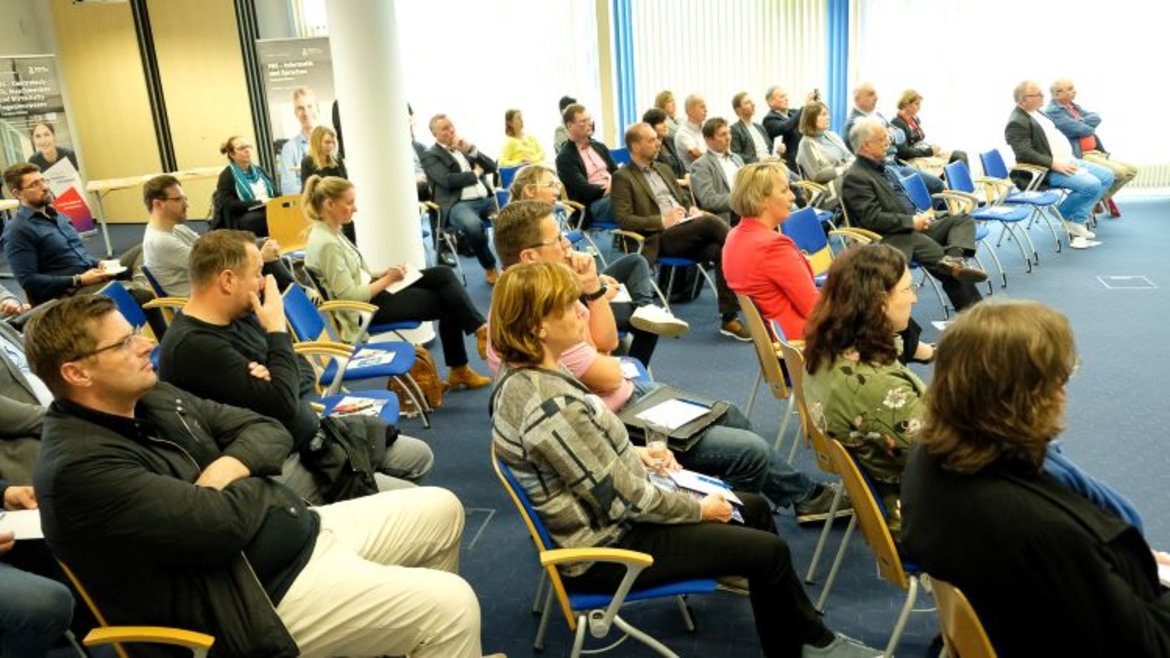
We transfer our innovations to the city, the region and even beyond national borders. We open up our lecture halls for this purpose: we invite people to attend further training courses, for example on the opportunities of hydrogen as an energy source and fuel. We organize events such as the "Sustainability" lecture series, in which pioneering technologies and environmentally friendly initiatives are openly debated - also on the basis of our scientific research.

Social and cultural sustainability

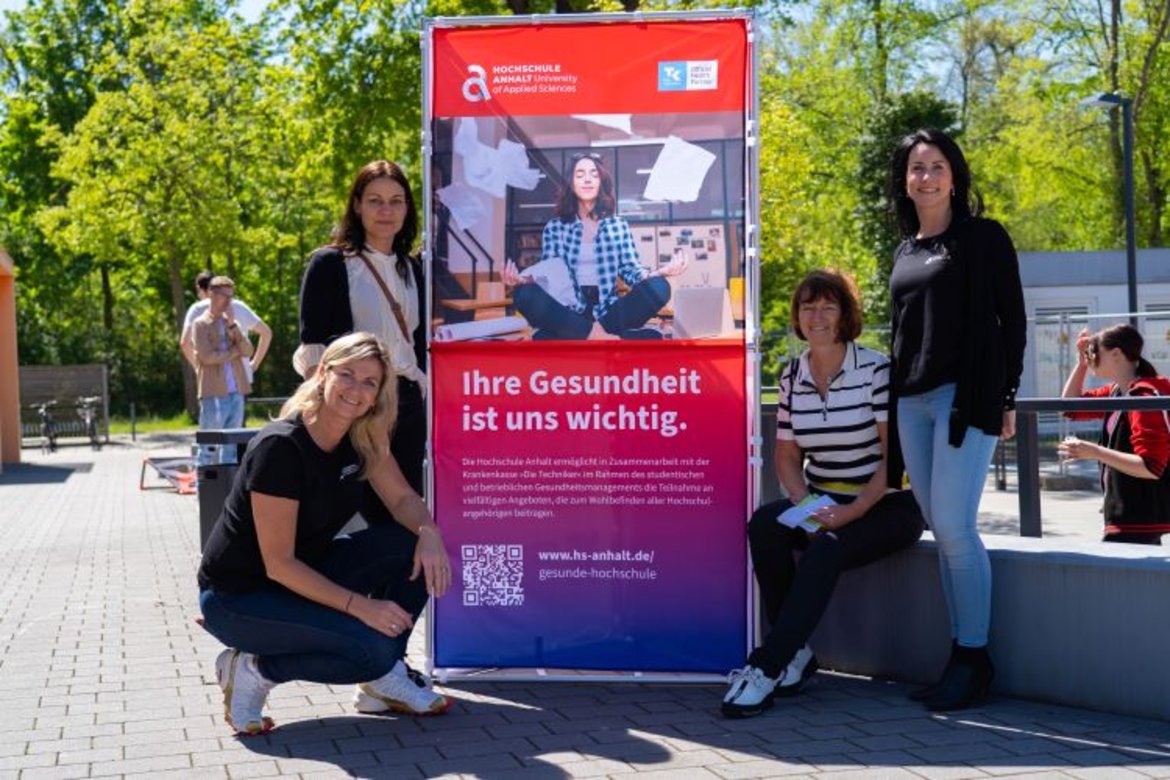
Environmental protection is not only important to us. Treating each other with respect and care is just as important to us. Everyone should feel welcome and supported by us and at the same time be able to combine their studies, work and private life. Nutrition and exercise are important building blocks for this - our "Healthy University" program is wide-ranging and offers something for everyone.