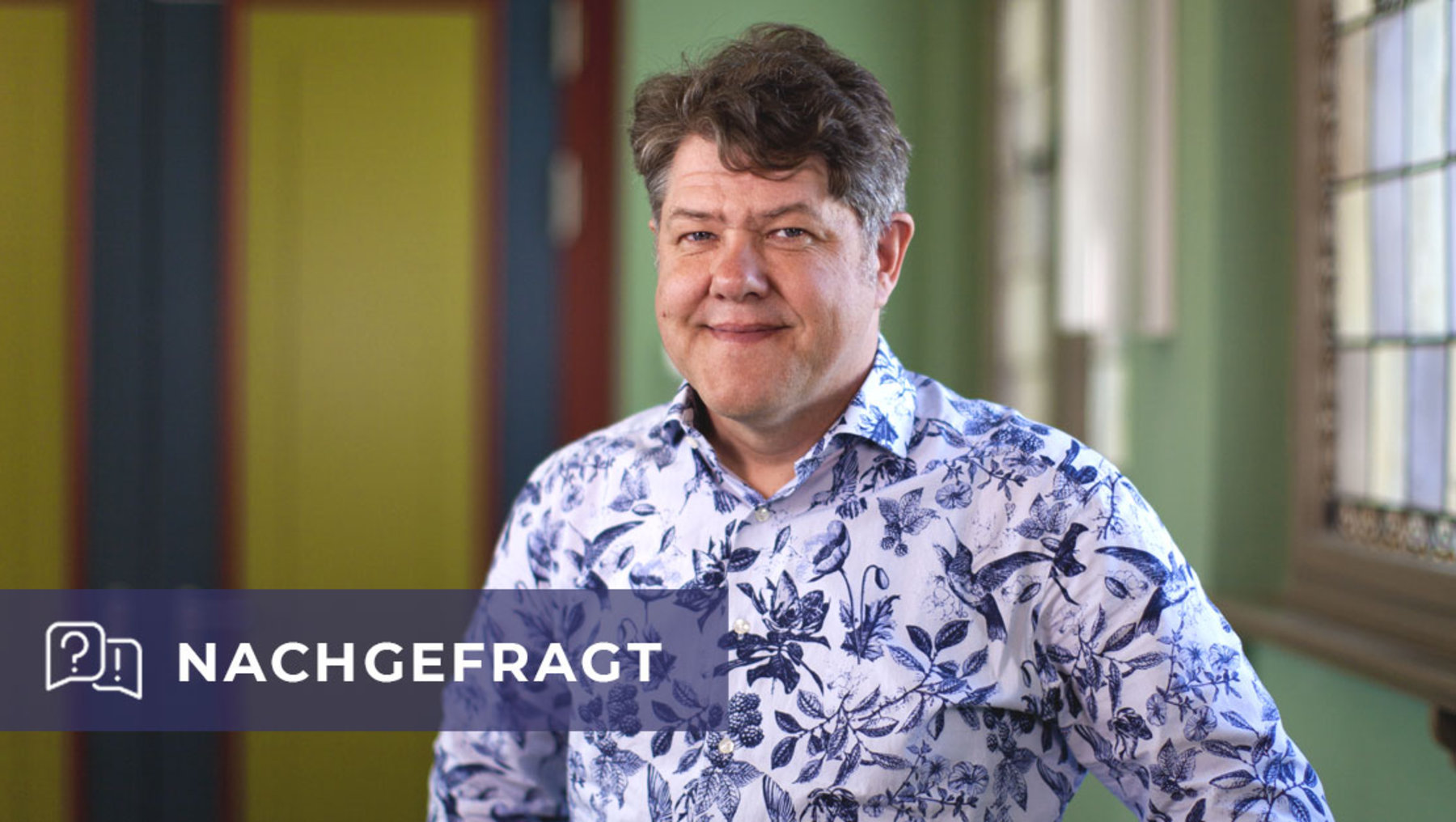
Prof. Dr. Steffen Sommer is Dean of the Department of Applied Biosciences and Process Engineering (FB7) at Anhalt University of Applied Sciences. A conversation about the enthusiasm for complex processes
Professor Sommer, what is FB7 all about? Do engineers play their part in making the world a better place?
Prof. Steffen Sommer (smiling): Nothing less than that. But yes, even if we are normally modest - our knowledge creates high-quality processes and products that make the world healthier and more attractive every day.
What can young engineers expect during their studies? And what does the job market want?
The digitalization and networking of people, systems and media in Industry 4.0 requires clever minds. Students need to have a very good knowledge of Applied Biosciences and Process Engineering and Automation Technology. We design and digitalize systems - and develop technologies, procedures and processes for the future. Whether in Food or Biotechnology or in Pharmaceutical or Process Engineering - the main focus in our Department is on combining knowledge from the classical engineering sciences with that of modern life sciences.
Those who think in a networked way are in great demand on the job market. How would you describe the atmosphere at FB7?
The tradition of training specialists in technical and technological issues at the cutting edge in Köthen dates back to 1891. We always talk about the Campus of Engineers - we offer a familiar learning atmosphere, many instructors for small internship groups, plus a good network with industrial partners and interdisciplinary research institutes. The technical equipment on campus is excellent, as is the student-to-staff ratio.
At the same time, you are preparing for the future by restructuring degree programs.
The flexible entry phase allows first-year students to study almost one hundred percent of the same subjects and only decide to specialize later. This is also a reaction to the fact that school leavers don't always know exactly what to expect - although we have very good offers for this target group in particular to look around in advance. Not everyone has an idea of what "applied biosciences" means, and school students are generally attracted by the keyword "bio" - without knowing that it involves hard technical processes.
A word about the next generation of academics...
It cannot be denied that students do not start their first semester fully prepared. We offer a variety of preparatory courses in math, chemistry and physics, including the Science, Technology, Engineering and Math-Orientation Program (STEM). The proportion of female students in Process Engineering could be higher; in the Biotechnology, Food Technology and Pharmaceutical Engineering degree programs, women make up almost fifty percent, which is impressive. We present our range of courses at trade fairs and similar events using specific examples. For example, students have designed a drinks mixing plant, which has been well received.
Take a look into the future for us. Will teaching concepts change?
I could imagine that teaching will modernize. Teaching concepts where someone stands at the front and lectures for 1.5 hours per week per semester will presumably become less common. Instead, e-learning courses will be in demand and there will also be new software tools for imparting knowledge. We will probably put small films online and possibly divide the courses on offer into even smaller portions so that students have the opportunity to access them at any time and in many places.
