In November 2020, Professor Dr. Stephan Schilling was welcomed to the Department of Applied Biosciences and Process Engineering at the Köthen site for the field of drug biochemistry. In this interview, he gives an overview of his responsibilities as head of the Fraunhofer Branch Office "Drug Biochemistry" as well as the content of his teaching and research.
Professor Schilling, welcome to Anhalt University of Applied Sciences. After studying biochemistry at Martin Luther University in Halle, you defended your doctorate in 2004. What career path did you take afterwards?
Professor Schilling: After my doctorate, I initially worked as a research assistant at Probiodrug AG in Halle, where I became head of the Enzymology department in 2007. In 2013, I moved to the newly founded Fraunhofer branch in Halle as head of the Protein and Drug Biochemistry working group. This working group researches the use of small molecules and natural substances to treat various diseases. My tasks include the examination of the efficacy of active substances (enzyme inhibitors and antibodies). Since January 2020, I have headed the Fraunhofer branch office, initially on an interim basis, and my appointment at the university is linked to the management of the branch office.
You have now been appointed Professor of Drug Biochemistry at the Department of Applied Biosciences and Process Engineering. What will be your responsibilities?
At the moment, I am giving lectures on instrumental analysis, enzymology and metabolism (as a substitute for Professor Griehl) as well as project management in the Molecular Biotechnology (all courses taught in English) degree program. Carola Griehl and I are also setting up the joint research laboratory "Center for Natural Product-Based Therapeutics", which focuses on research into natural products as medicinal substances.
What goals are you pursuing here?
I have always been interested in the search for new active substances for the treatment of neurodegenerative and inflammatory diseases. We are looking for new active substances to address known target proteins. However, I am also very interested in identifying new strategies for treating diseases. Based on the knowledge gained, patents will then be created and, if necessary, licensed. Translation, i.e. the transfer of new scientific findings into an application, plays an important role. That's why I was involved in founding a biotech company in 2018, for example.
What challenges might there be?
Drug discovery has always been a very competitive field. It's a big challenge to turn ideas into patents before someone else does. It is equally difficult to then transfer the new approaches into applications, i.e. to convince industrial partners or investors to implement the ideas together. Drug development is also a lengthy process, you have to be persistent and make sure you don't run out of breath.
How can students benefit from this?
From my own experience, I can say that work placements, bachelor's and master's theses can be very important in order to have a good start to your professional life. My aim is to offer research topics that arouse an interest in research, that are fun to work on and that can open up career prospects. And if I can't get students excited about my topics, then I'm happy to use my cooperation contacts to help them find their topic.
Professor Schilling, thank you very much for the interview.
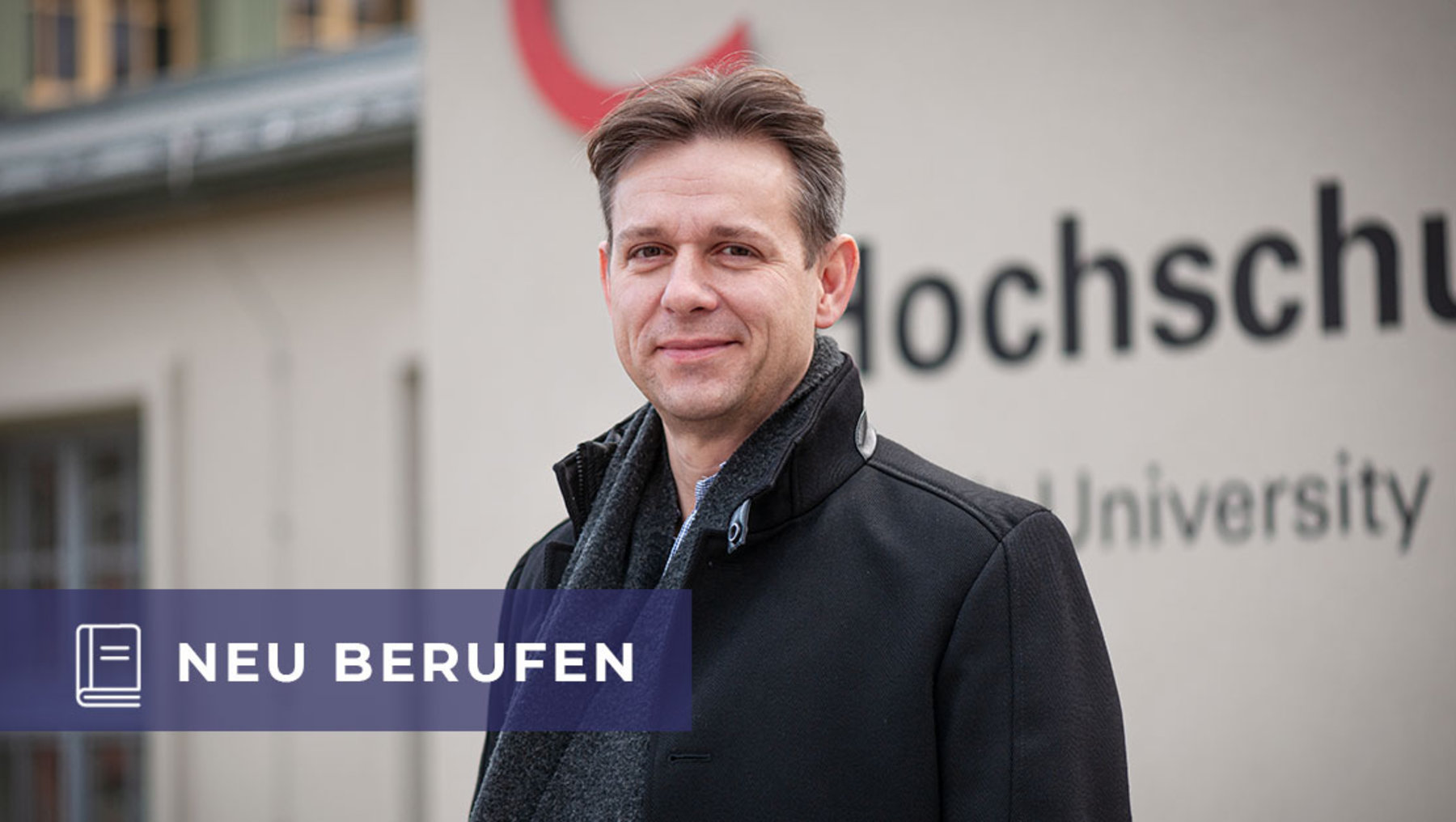
Prof. Dr. Stephan Schilling
-
 © Zerina Kaps
