Research on forest monitoring shows that drought does not affect every protected forest type to the same degree. This is the key finding of a study conducted by Anhalt University of Applied Sciences in collaboration with the Technical University of Munich, which was recently published in the journal *Forest Ecology and Management*. This provides important guidance for climate adaptation in protected areas: Where is closer monitoring needed first? Where are management measures required?
Forest Monitoring: Drought Does Not Affect Every Forest Equally
-
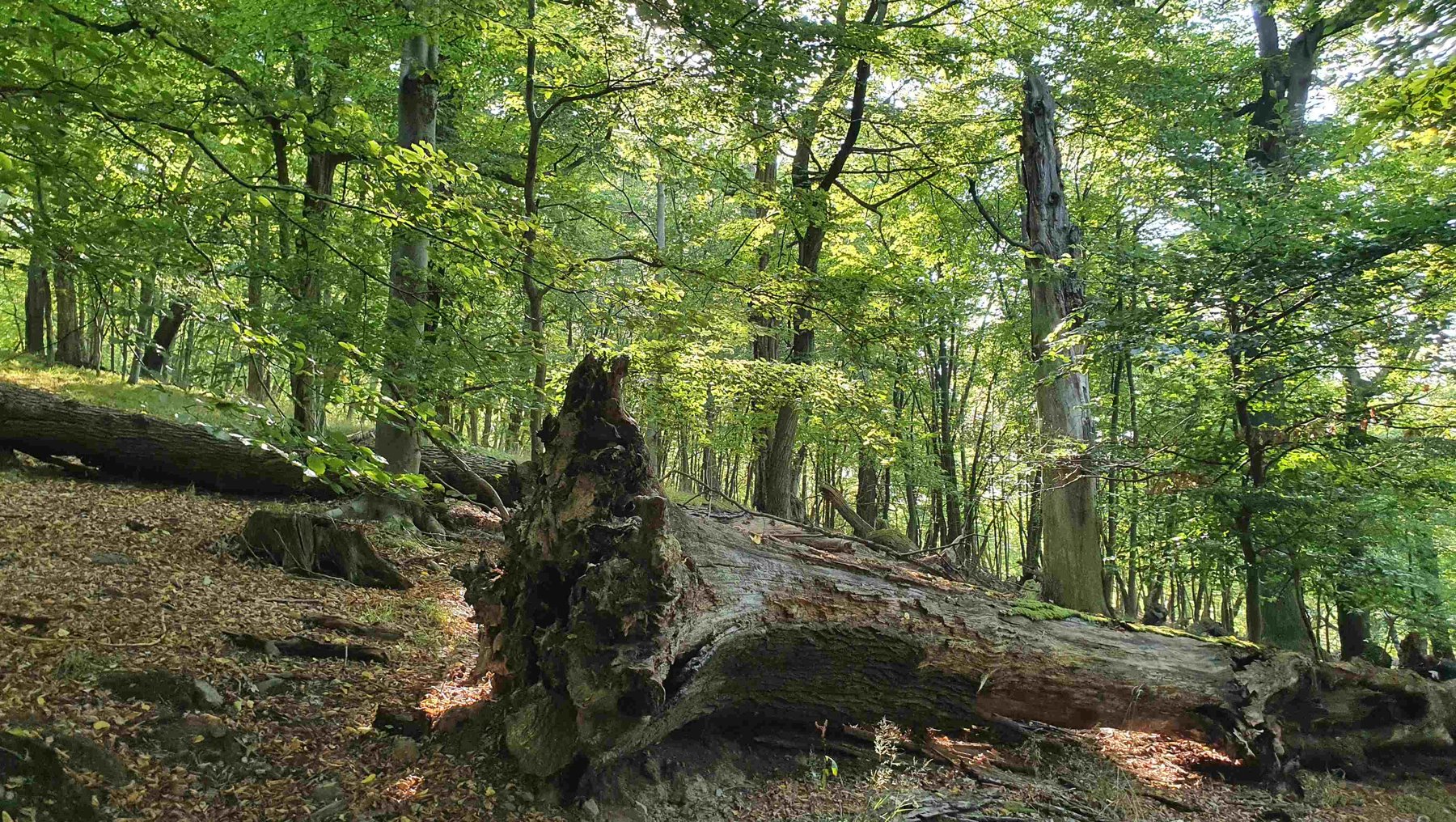 © hochschule anhalt | Dorit Oelschläger
Auch Laubwälder leiden unter der Dürre. Wie sollten Monitoring und Management aussehen?
What the study shows
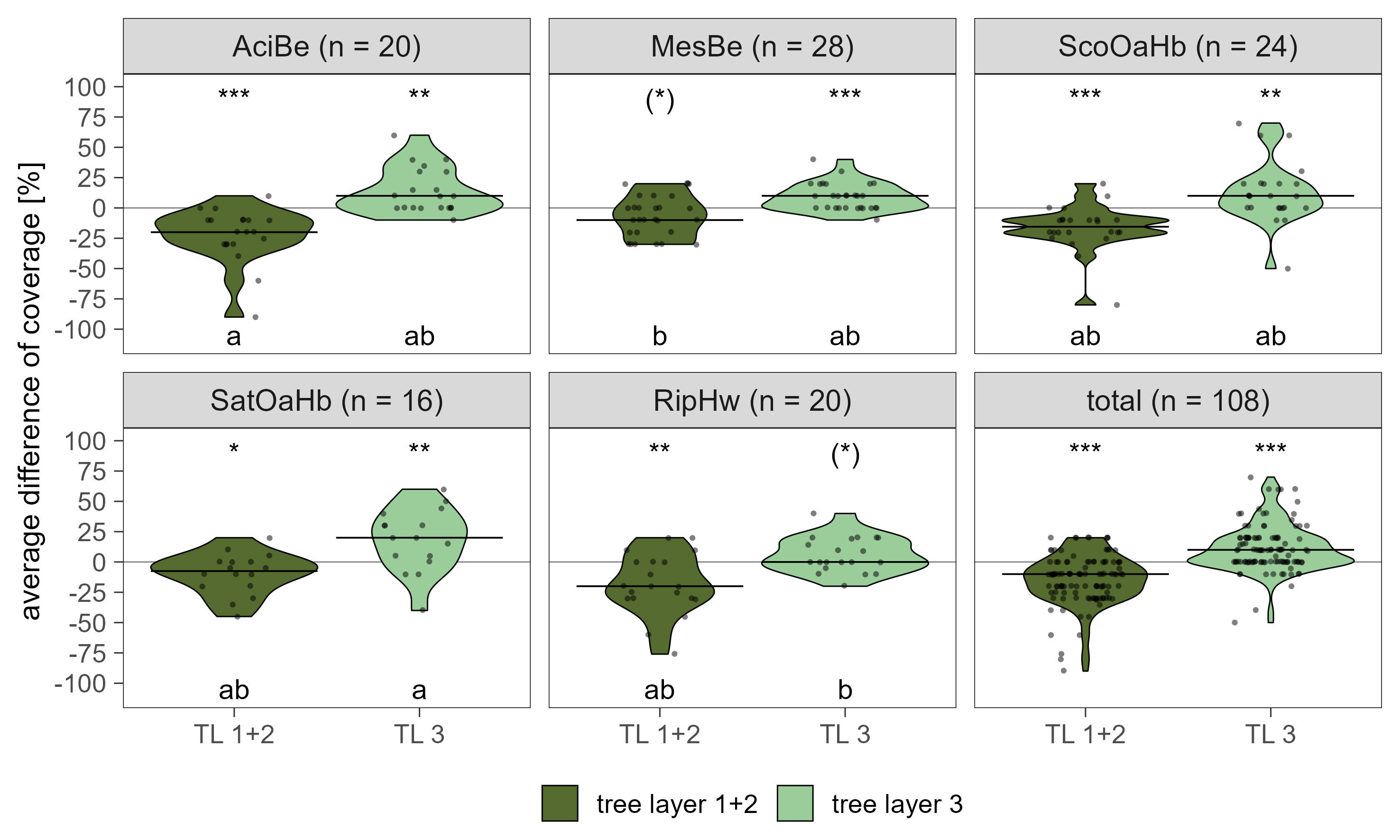
The researchers compared seven forest types in the Saxony-Anhalt portion of the European Natura 2000 network of protected areas: two beech forests, three oak forests, riparian forests, and high-mountain spruce forests. To do this, they compared recent field surveys of 108 forest stands with data from before the drought years. The results were similar across all forest types: canopy cover in the upper tree layer declined, while at the same time more young trees regrew, including those of the respective dominant tree species.
In addition, the researchers analyzed satellite data from the European Forest Condition Monitor at the Technical University of Munich. They examined data from 2003 to 2024 for a total of 6,595 forest stands. This data is based on the “NDVI” vegetation index, which derives the greenness of plants from satellite images. Here, too, a clear pattern emerged: canopy greenness declined noticeably during the drought years of 2018 through 2020 and recovered by 2024.
 © hochschule anhalt | henrike wild
Different Responses Depending on Forest Type
A closer look at the individual forest types reveals differences. Floodplain forests and high-altitude spruce forests were most severely affected by the drought. Beech and oak forests, on the other hand, showed more moderate changes. Particular attention was paid to protected deciduous forest types, as the public debate on forest drought has so far focused mainly on large-scale die-offs in spruce stands. The fact that mixed deciduous forests are also affected—albeit to varying degrees—is often overlooked.
Henrike Wild conducted the study at the Doctoral Center Life Sciences at Anhalt University of Applied Sciences. She interprets the results as follows: “This integrated approach could be used in the future to good effect to monitor protected forest habitats, to develop conservation and management strategies, and to address the challenges of climate change,” said the doctoral candidate, who is supervised by Prof. Dr. Annett Baasch at Anhalt University of Applied Sciences.
How the method works—and how it helps with forest monitoring
Satellite data and field surveys complement each other in the study, much like a blood test during a doctor’s visit provides a quick overview, while a targeted on-site examination supplements the detailed diagnosis. Satellite data cover large areas and can be efficiently analyzed over long periods of time. Field surveys, on the other hand, provide more precise information on the structure of individual stands, such as tree species composition and regeneration.
Both methods showed similar trends in the study but did not agree on every detail. The researchers therefore emphasize in their publication that a critical evaluation of each individual method remains necessary. Satellite data can thus support and supplement field surveys, but cannot completely replace them.
 © marco warmuth
Importance for Nature Conservation and Climate Adaptation
For local governments and wildlife management agencies, this combined approach provides a practical foundation and helps set priorities for further fieldwork and plan management measures in a more targeted manner.
The authors note that further research is needed to determine how good the approach is for forest types found in small areas. In addition to Henrike Wild, Dr. Allan Buras from the Technical University of Munich, as well as Prof. Dr. Friederike Paetz and Prof. Dr. Annett Baasch from Anhalt University of Applied Sciences, contributed to the publication as co-authors. The current study thus provides an initial design concept for a transferable, satellite-based monitoring protocol for forest habitat types in Natura 2000 sites.
Links & Contacts
Click here for the open-access article: www.sciencedirect.com/science/article/pii/S0378112726005608
Learn more about the researchers at Anhalt University of Applied Sciences on their personal pages:
Henrike Wild: https://www.hs-anhalt.de/hochschule-anhalt/service/personenverzeichnis/person/henrike-wild.html
Prof. Dr. Friederike Paetz: https://www.hs-anhalt.de/hochschule-anhalt/service/personenverzeichnis/person/prof-dr-friederike-paetz.html
Prof. Dr. Annett Baasch: https://www.hs-anhalt.de/hochschule-anhalt/service/personenverzeichnis/person/prof-dr-annett-baasch.html
Redaktion
Claudia Aldinger
The study was recently published in the journal *Forest Ecology and Management*. Click here for the open-access article: https://www.sciencedirect.com/science/article/pii/S0378112726005608?via%3Dihub
