Pharmaceutical Engineering (Master's program, full-time program, dual study option)
Pharmaceutical Engineering is a specialization within the intersection of Process Engineering and Life Sciences. The use of these engineers is focused on the industrial healthcare sector, particularly the pharmaceutical industry. Why? Drug substances are very special products. Their ingredients, called active ingredients, interact selectively with parts of the human body. Therefore, these active ingredients must have special quality characteristics in terms of content, purity and overall application. And this begins with the raw material and its first processing stage and continues through special dosage forms to the packaged product, which reaches patients and consumers via pharmacies.
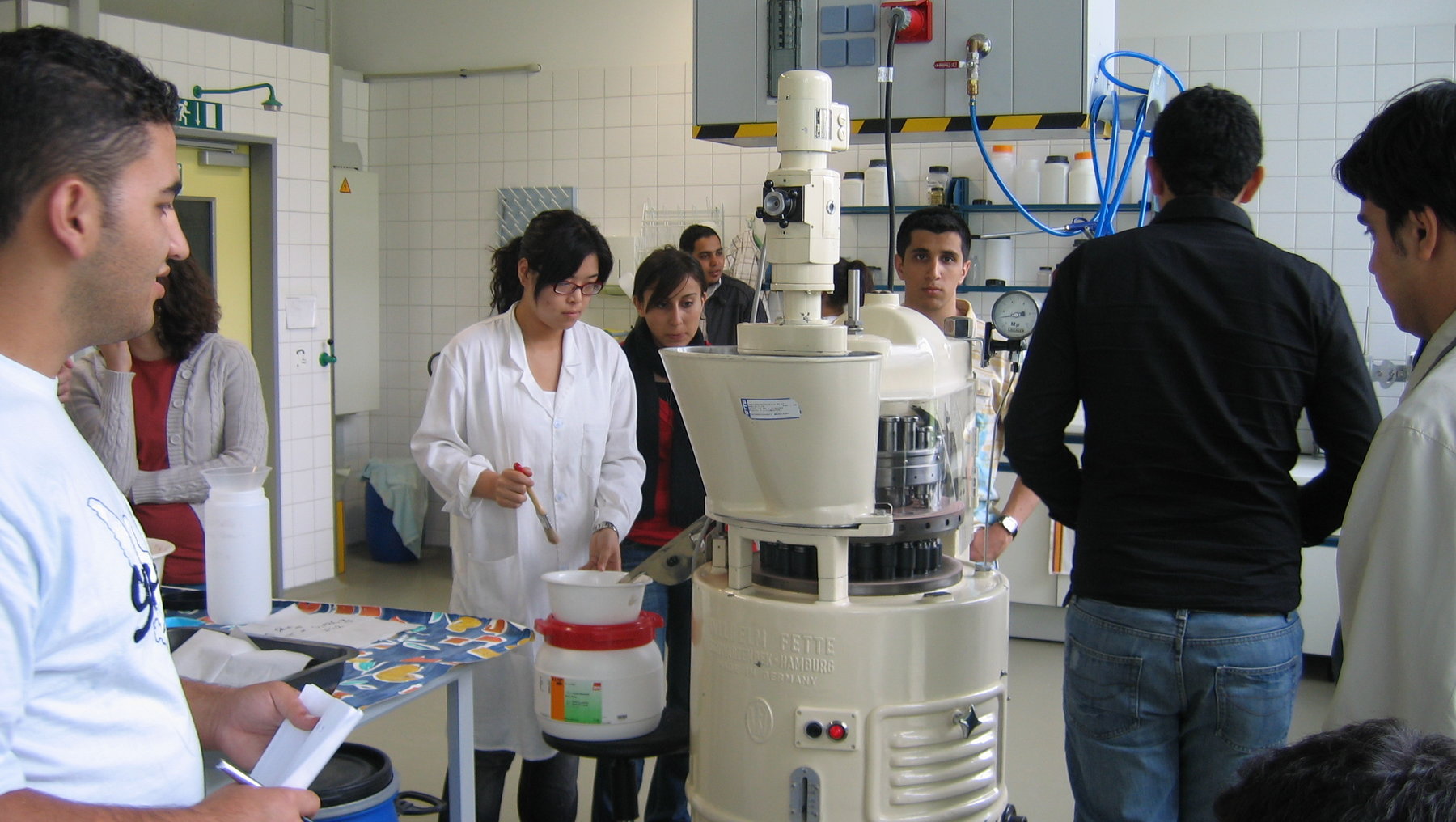
The Master's degree program in Pharmaceutical Engineering deepens the mathematical, scientific and technical knowledge from the Bachelor's degree program. A manageable number of compulsory and elective modules are offered for this purpose. As in the Bachelor's program, the content is very much geared towards the current requirements of the modern pharmaceutical industry. In addition to the university's instructors, guest lecturers give lectures on topics from their areas of work and invite students on excursions to their companies. As part of projects and labs, students are increasingly required to carry out their own literature research, project planning, execution of investigations, evaluation and presentation in the form of written reports and oral presentations. The project work can be carried out either at the university or in industry during the current semester or during the lecture-free period, thus establishing contact with industry at an early stage. For the Master's thesis, topics are offered in the research groups at the university as well as internships in industry.
Graduates of the Master's degree program in Pharmaceutical Engineering are qualified for all departments in a pharmaceutical company: Production and packaging, galenic development, project management, control department, quality management (validation and qualification) and technology. Larger pharmaceutical companies have independent research departments. The professional activity often begins with a trainee program to familiarize the newcomers with the operational processes. After the induction period, they are increasingly assigned independent tasks and projects. Typical positions of responsibility include project manager, group leader, production assistant and research & development assistant. In all cases, the basic mathematical, scientific and technical training received during their studies provides the ideal prerequisites for mastering the wide range of tasks in the pharmaceutical industry.
The right preparation
Achievements from a first degree program and/or after a change of degree program or university and/or stays abroad that were completed at another university can be credited upon application after enrolment.
The examinations committee of the respective Department is responsible for this in consultation with the relevant Degree Program Advisor/lecturers.
A Bachelor's degree in Pharmaceutical Engineering or a closely related field of study with at least 210 credits offers unrestricted professional suitability for admission to the Master's degree program in Pharmaceutical Engineering. In addition to the STEM subjects taught at undergraduate level in most relevant fields of study, pharmaceutical, Process Engineering, analytical and pharmabiotechnological modules as well as quality assurance are mandatory prerequisites.
Individual adaptation and bridging semesters or modules are offered at Department 7 of Anhalt University of Applied Sciences for career changers who have a Bachelor's degree in another scientific or technical field of study.
Together with the Degree Program Advisor, the existing knowledge deficits in relation to the Master's degree in Pharmaceutical Engineering are analyzed and advised. Based on this, modules from the Bachelor's degree course that need to be made up for and their organizational implementation are determined.
In May or June each year, the Campus Köthen of Anhalt University of Applied Sciences organizes a university information day.
All interested parties are cordially invited to this day to get to know the university, instructors and students as well as our degree programs. Get a personal impression of our facilities and the campus on site and receive individual advice.
The dates of the next University Information Day in Köthen and at our other locations in Dessau and Bernburg can be found here.
Study program & course content
Biopharmacy and pharmacokineticsModern dosage forms
Lectures, practical courses and labs
Selected topics in mathematics, statistics and numerics
Lectures and practical courses
Quality management and marketing authorization
Lectures
Research project
The project work can be a literature paper (theoretical) or a laboratory project (practical).
Elective modules 1
Elective modules 2Biopharmacy and Pharmacokinetics
Biopharmacy and pharmacokinetics
Lectures and practical courses
Process modeling and simulation
Lectures, practical courses and labs
Process control and analysis
Lectures, practical courses and labs
Biopharmaceuticals
Lectures and labs
Elective modules 3
Elective module 4
Master's thesis with colloquium (=defense)
20 weeks
 © Sebastian Köhler


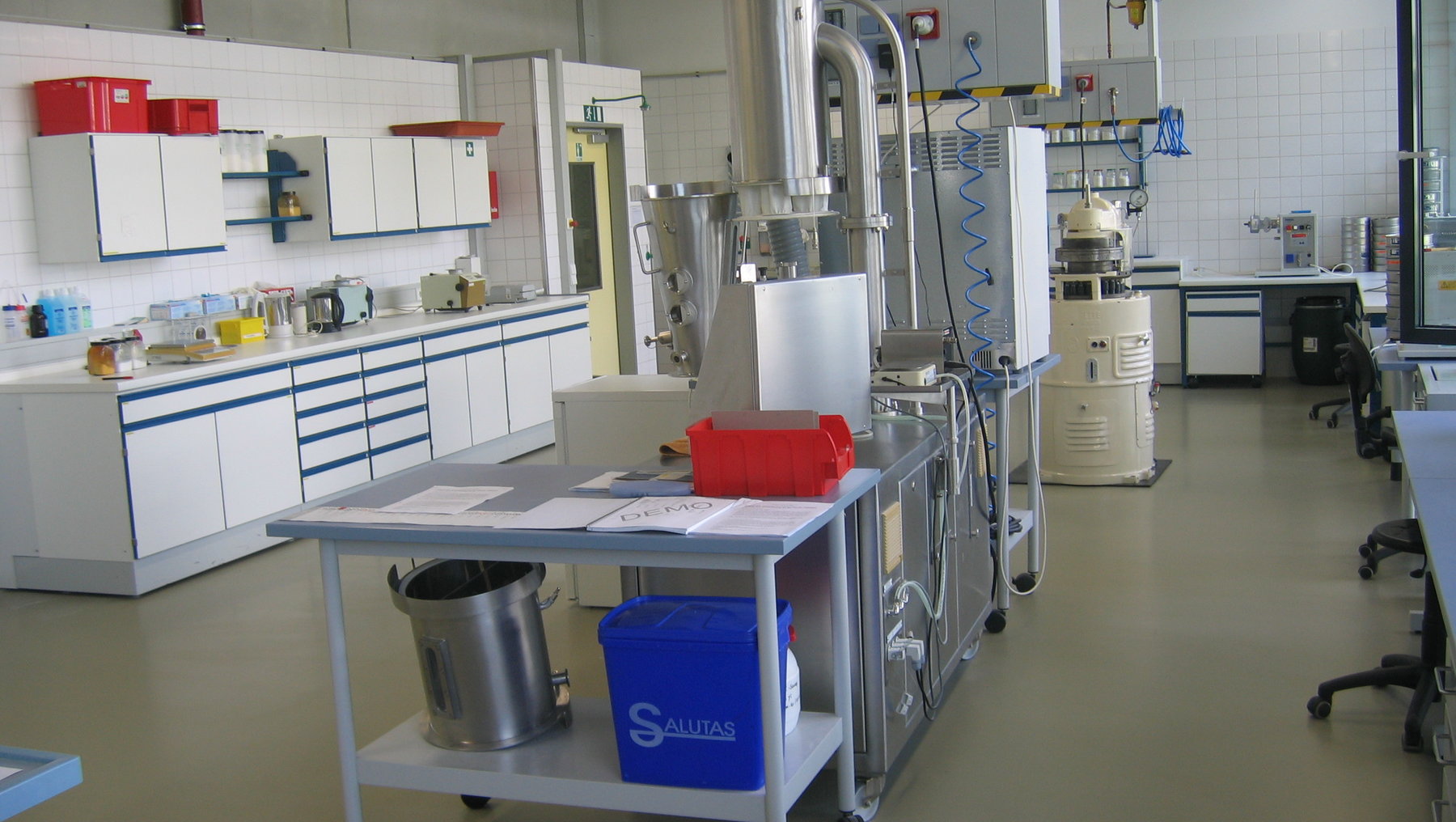
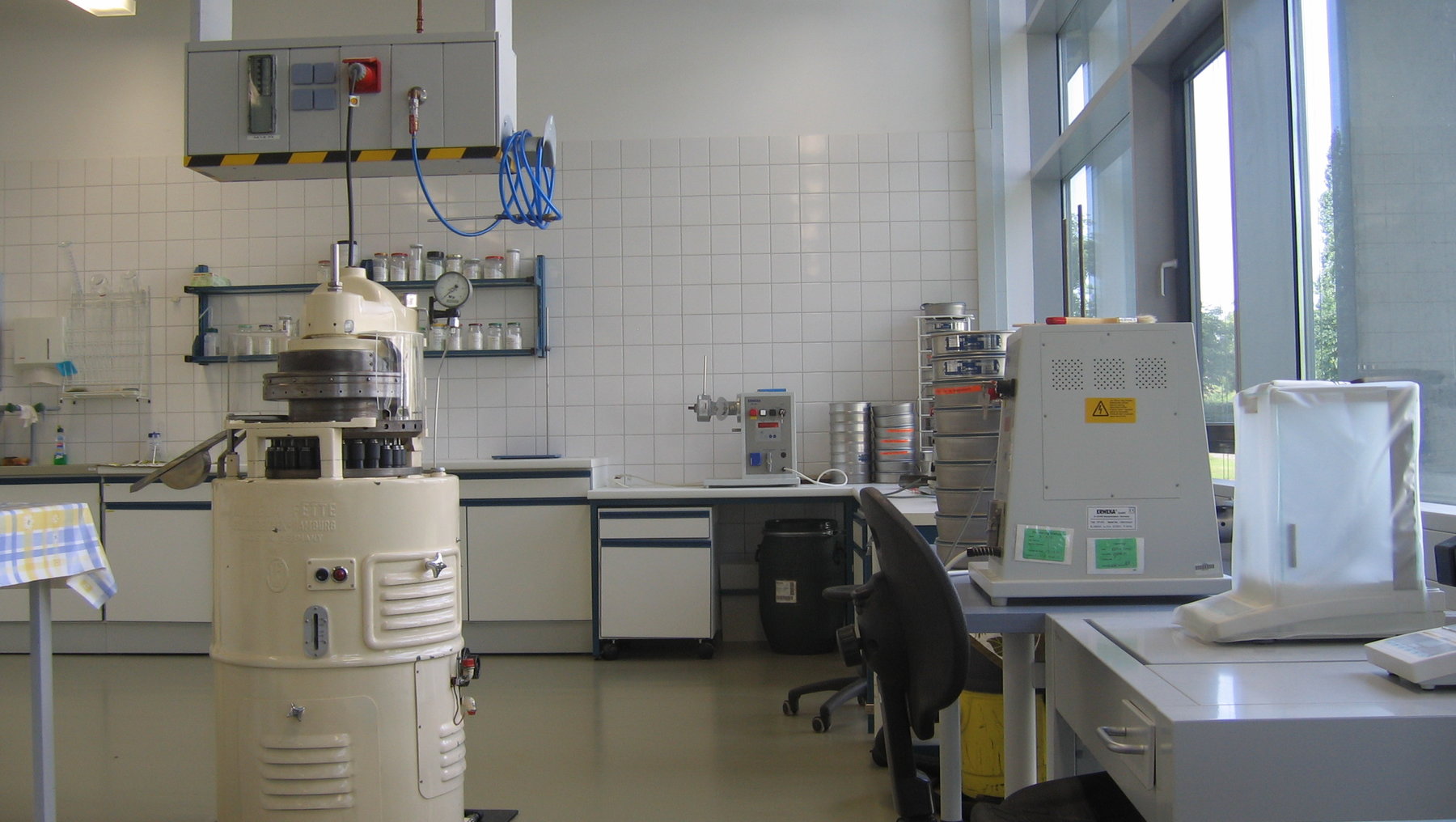
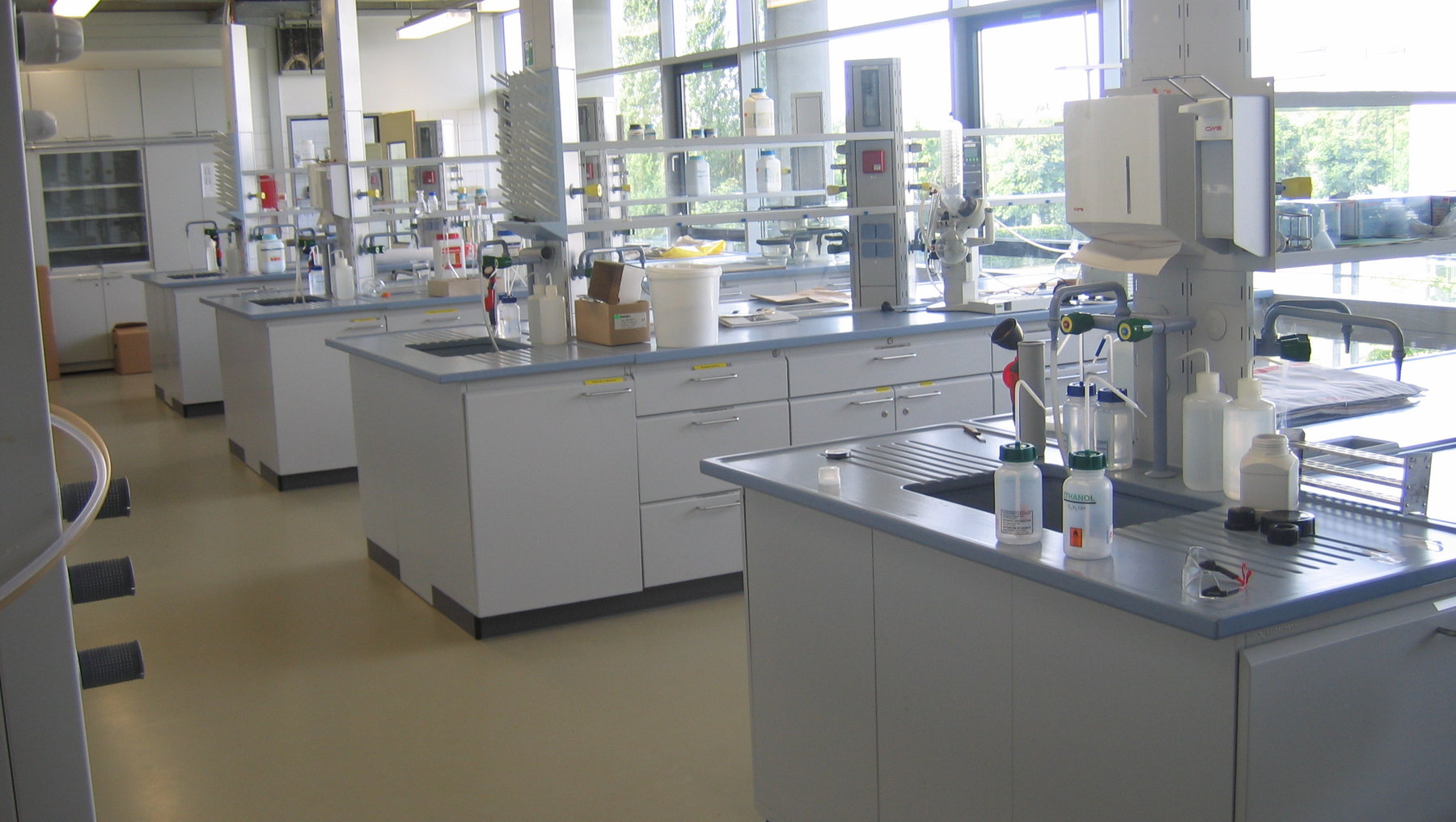
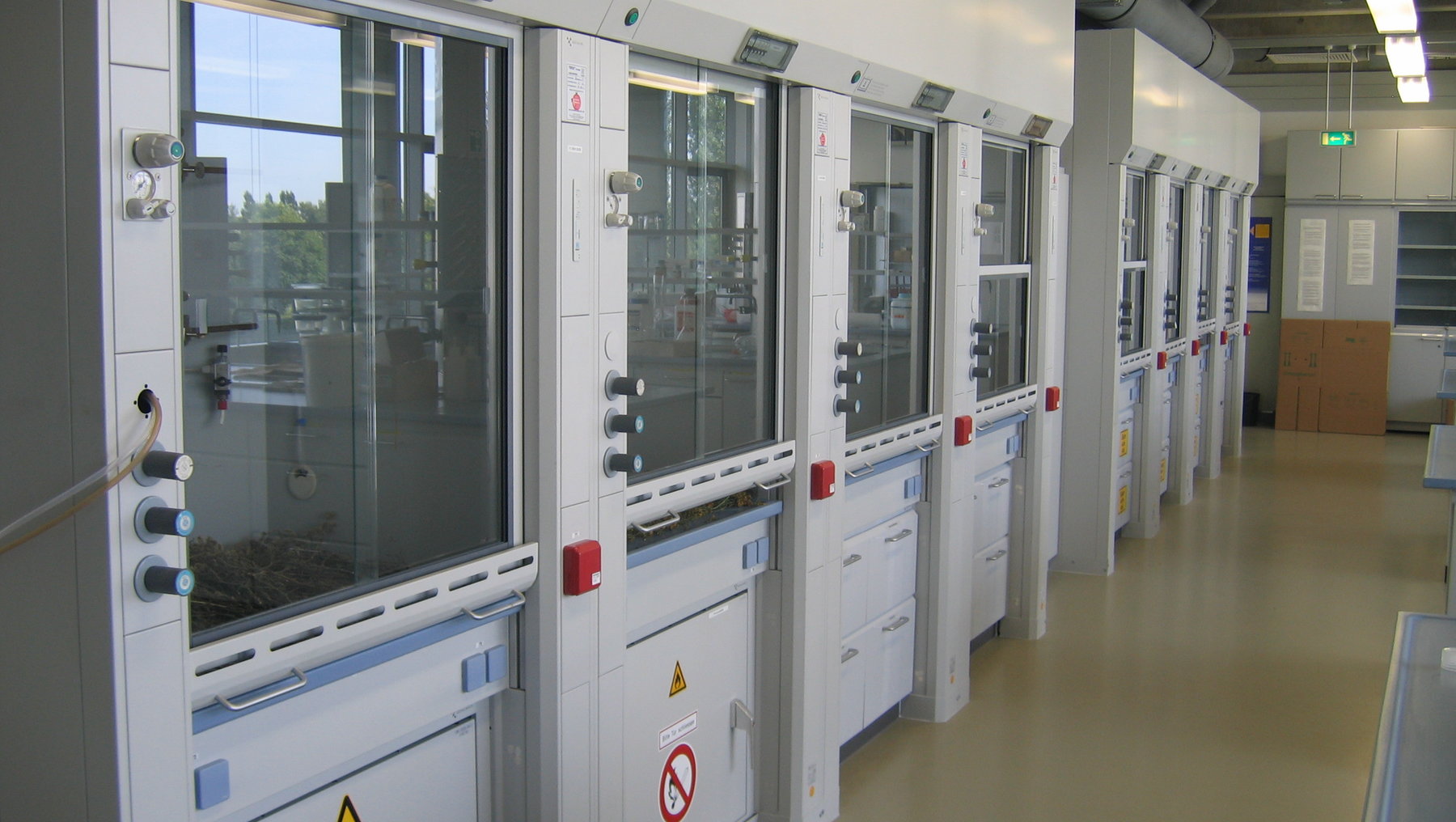
Impressions from the degree program
-
 © Prof. Wolf
-
 © Prof. Wolf
-
 © Prof. Wolf
-
 © Prof. Wolf
-
 © Prof. Wolf
-
 © Prof. Wolf
-
 © Prof. Wolf
-
 © Prof. Wolf
-
 © Prof. Wolf
-
 © Prof. Wolf
-
 © Prof. Wolf
