Our specialist topics at the DLG Field Days 2026
Anhalt University of Applied Sciences uses the Field Days to show how diverse and relevant modern plant cultivation is by presenting current research topics. These include the question of how soil water can be used for sustainable farming, the opportunities offered by regional protein production using grain legumes and how crop cultivation can adapt to global warming. Innovative approaches such as agri-photovoltaics (Agri-PV+) to increase ecosystem services will also be presented. At the same time, digitalization will become tangible: With modern sensor technology, agricultural drones and the AI-supported tool "AgriChat", which was developed at Anhalt University of Applied Sciences, visitors can experience how technology is changing crop farming. Another focus is on biodiversity and climate adaptation. Local wild plants show how beneficial insects can be promoted and Agriculture systems can be made more resilient.
 © OL, Hochschule Anhalt
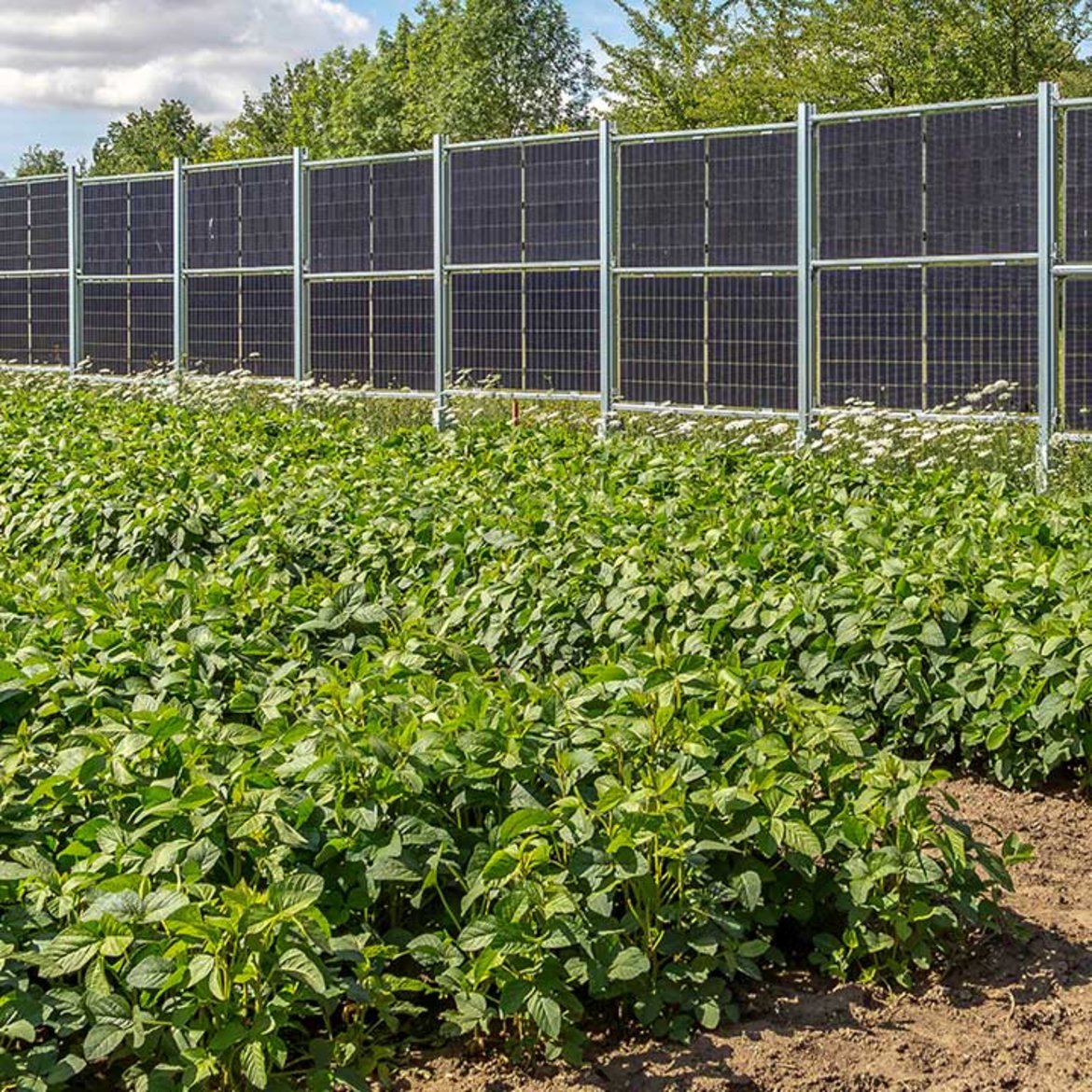
The positive effects of grain legumes in arable farming have been known for a long time. As early as 1886, Prof. Hellriegel described the symbiosis between pea plants and nodule bacteria at the Bernburg site. Nevertheless, cultivation areas have so far remained limited, as yields often fluctuate and imported protein sources influence the market.
As part of the state-wide joint project "DiPisum", the aim is to establish Saxony-Anhalt as a center for the production of pea protein. Studies on winter forms, climate-adapted varieties and the use of biostimulants will be presented. Initial results from Bernburg indicate possibilities for increasing the attractiveness of pea cultivation.
In addition, other grain legumes that could become more important under changing climatic conditions are being examined. This also includes approaches for greater integration of soybeans into Agriculture practice. Results from multi-year trials and cooperation with the LLG Bernburg are included in the presentation.
 © OL, Hochschule Anhalt
Global warming is leading to changes in the stress phases in the vegetation cycle of Agriculture crops. In spring in particular, an increasingly dry period is becoming apparent in the central German arid region.
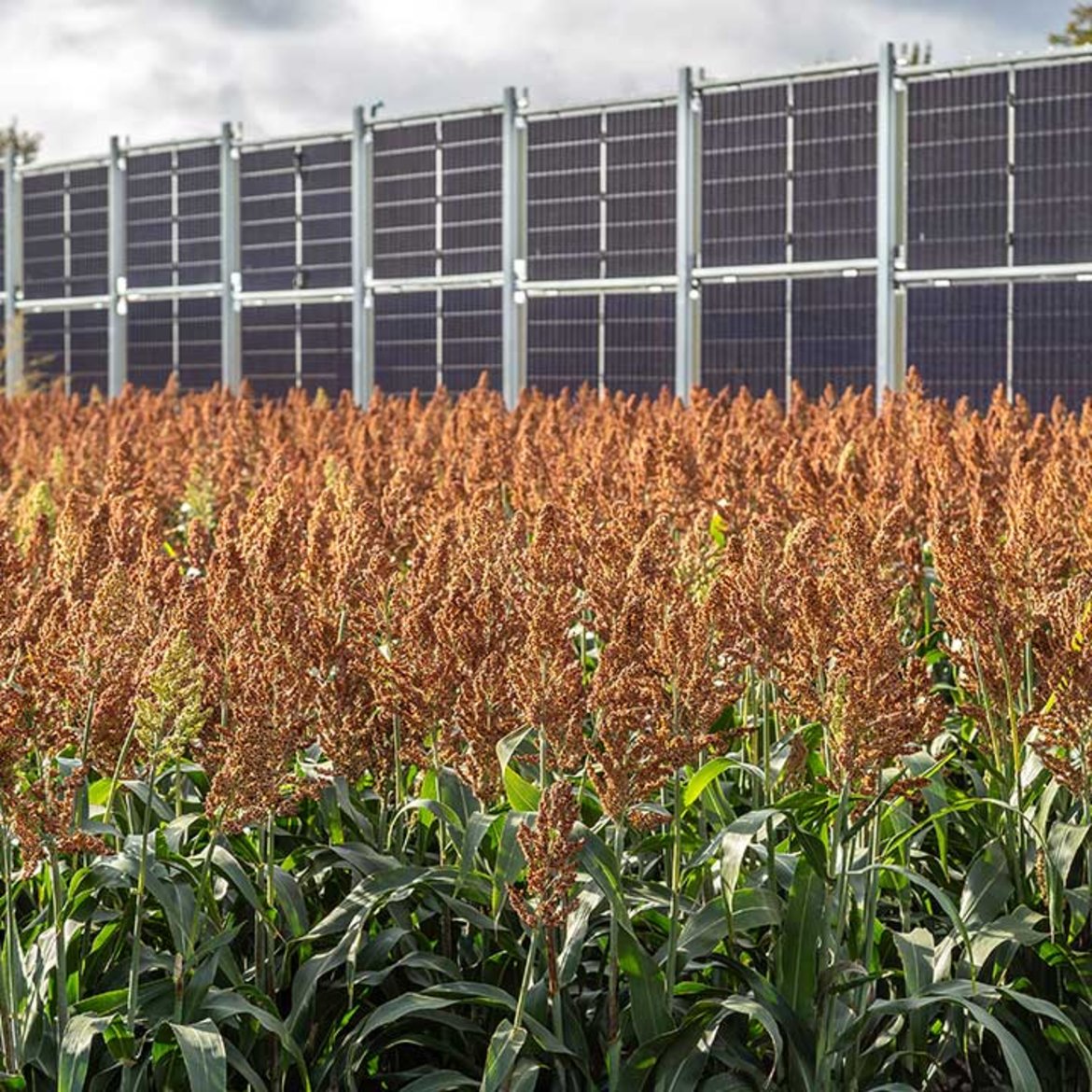
Possible adaptation strategies include the increased cultivation of winter crops, the use of later developing species and generally crops with lower water requirements. The results of the "Aklimat" (BMEL) and "VegPro Millet" (ERDF) projects form the basis for this.
The focus is on climate-adapted crops such as winter durum and grain millet. Initial trial results, also in cooperation with Agriculture companies, show positive prospects. In addition, niche crops are presented that can contribute to the diversification of crop rotations and strengthen the resilience of Agriculture systems.
 © OL, Hochschule Anhalt
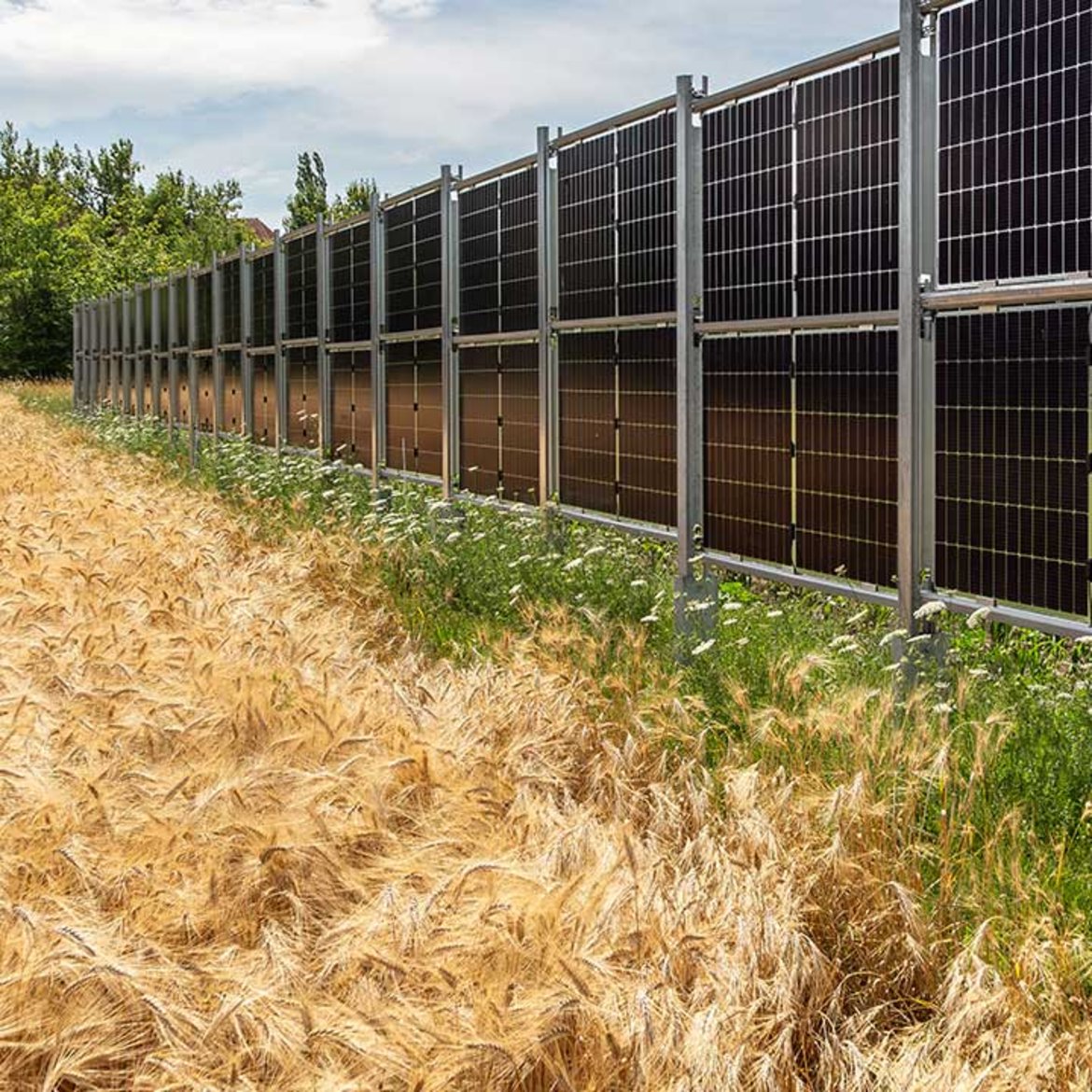
The combination of Agriculture with the generation of renewable energies raises numerous questions for farms, municipalities and energy companies. Appropriate solutions are being developed in the ERDF project "Research Center for Agri-PV".
The aim is to combine Agriculture production with the generation of green electricity and at the same time promote biodiversity through targeted measures such as flower strips. Initial results show that lower yields due to shading effects can be offset economically by electricity production.
Additional strips with adapted wild herb mixtures have been proven to promote flora and fauna. In addition, there is the opportunity to visit the Anhalt University of Applied Sciences' experimental facilities as part of an excursion.
 © OL, Hochschule Anhalt
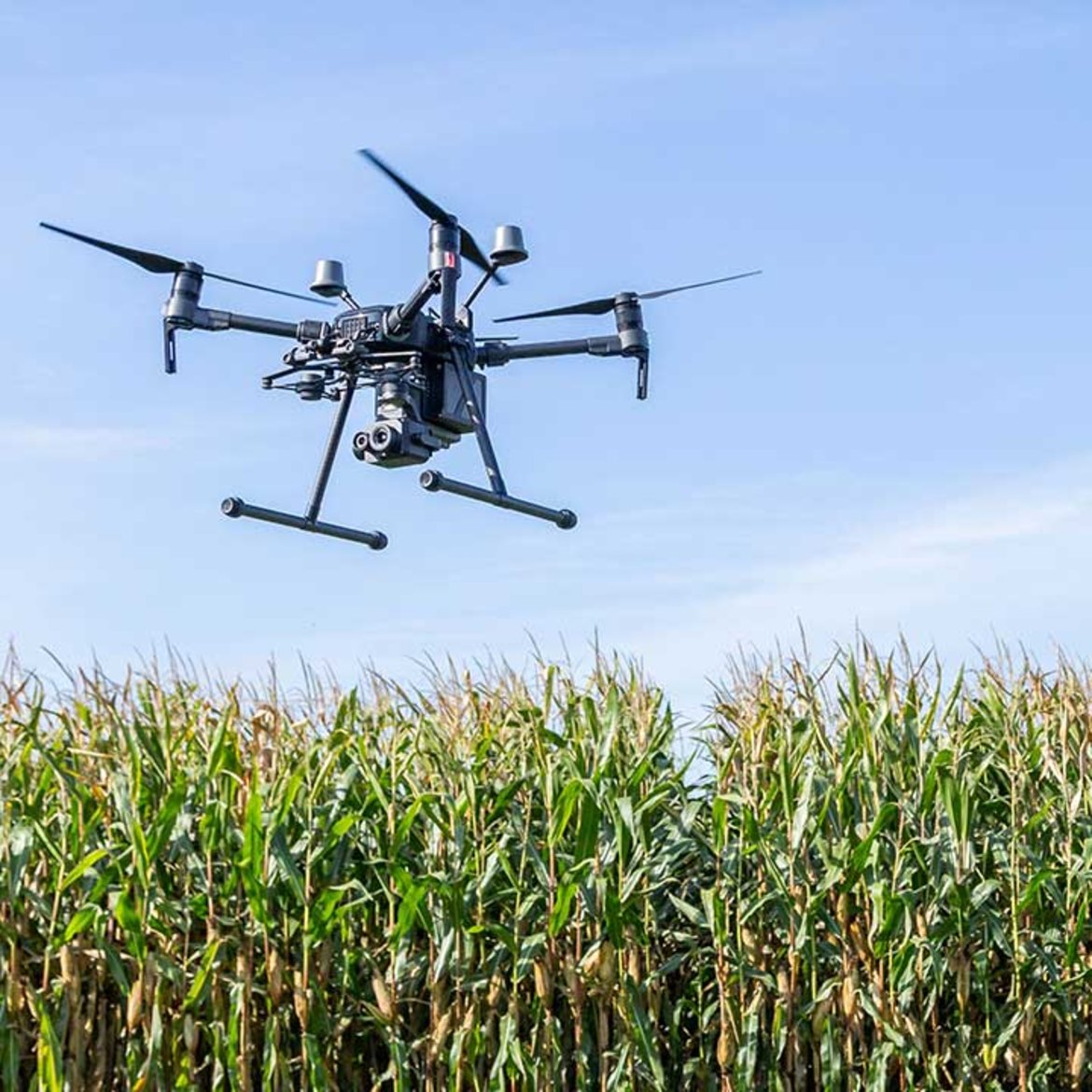
Digital technologies, modern sensor technology and artificial intelligence are increasingly shaping the plant cultivation of the future. The content presented is based on the "DiPredict" (ERDF) and "Transform" (BMLEH) projects.
The central exhibits include drones, the Phenotruck-AI as a mobile, digitally equipped laboratory and a modular technology carrier for sensor use in the field. The exhibition is complemented by applications of modern AI technologies and a field test that illustrates data collection and evaluation.
Virtual technologies will also be used to demonstrate possibilities in planning and knowledge transfer. The digital workflow - from data collection and analysis to decision support and automated implementation - is presented in a comprehensible way at several stations.
At the same time, the content provides an insight into study modules such as "Digital Technologies in Plant Production", "Precision Farming" and "Agricultural Engineering". The AI tool AgriChat is an example of the skills that can be acquired in the AI Engineering degree program with an agricultural specialization.
 © OL, Hochschule Anhalt
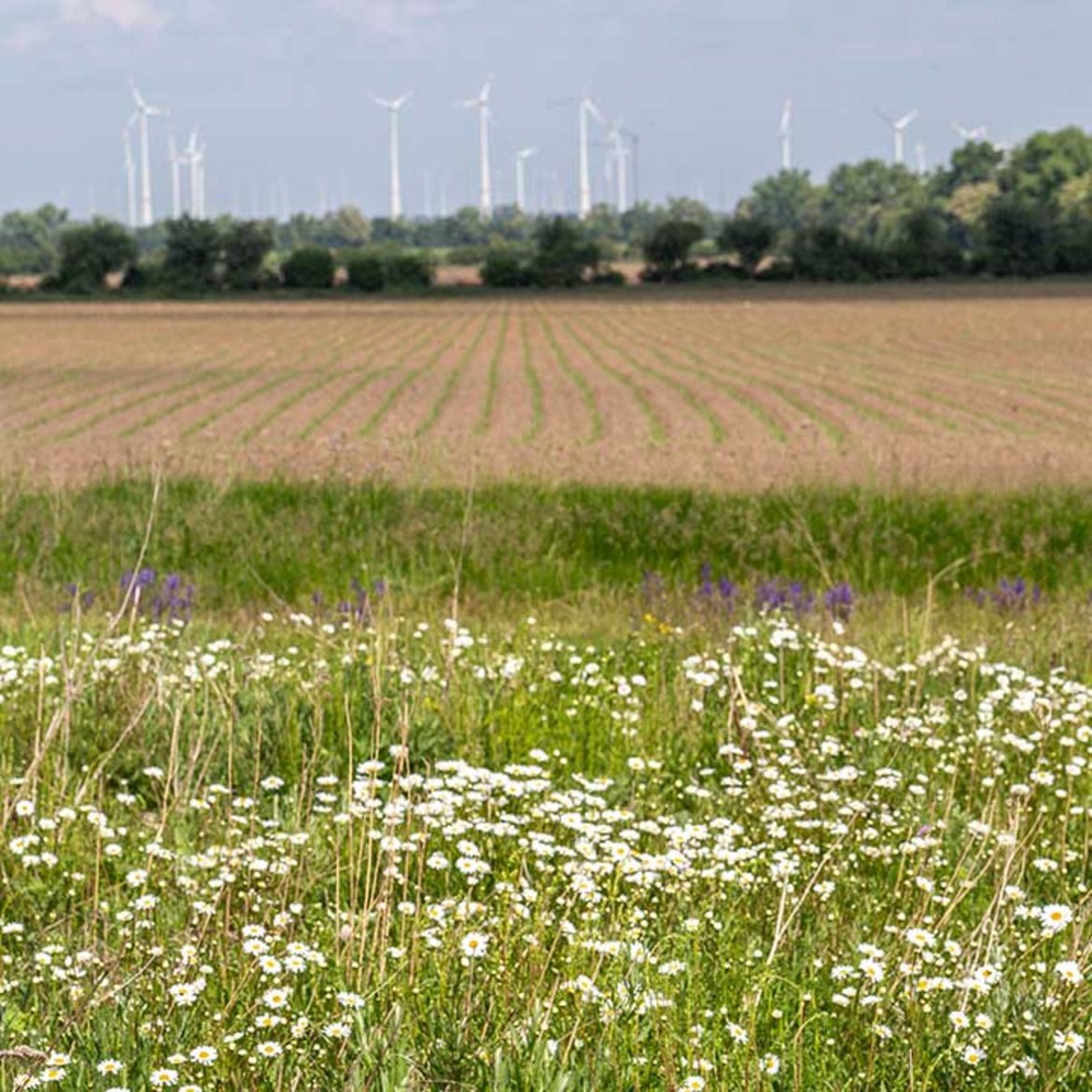
Indigenous wild plants make an important contribution to promoting biodiversity in agricultural landscapes. Perennial flowering mixtures are presented for use on arable land, which support pollinators and beneficial insects and at the same time improve erosion control.
The measures were developed in cooperation with the Saxony-Anhalt State Institute for Agriculture and Horticulture and will be continuously monitored. In addition, approaches for vineyards, species-rich roadside verges and extensive grassland are presented.
Such measures not only contribute to biodiversity, but also increase the climate resilience of Agriculture land. A demonstration show garden offers the opportunity to deepen plant knowledge and get to know different species. In addition, information is available on suitable measures and plant selection for different utilization systems, also with regard to requirements such as eco-regulation 5 (result-oriented extensive management of permanent grassland - proof of regional indicator species).
The availability of water is a key challenge for future crop production in the drylands of central Germany. Increasing evaporation rates and decreasing precipitation as a result of global warming are further exacerbating the situation.
Soil probes are used to visualize the course of soil moisture for different types of crops and cultivation methods. Typical developments in usable field capacity during the vegetation period illustrate how risks due to dry phases can be reduced with the help of adapted crop rotations.
In addition, various approaches for water-saving crop cultivation are shown on the basis of different water consumption rates. Intercropping under dry site conditions is also included. The presentation is based on six variants that illustrate the progression of usable field capacity on the trial field.
