Anhalt University of Applied Sciences with innovative topics at the start
The next AGRITECHNICA 2025 will take place as scheduled from November 15 to 21, 2025
Anhalt University of Applied Sciences and Arts will be represented in the Campus & Career area [Hall 24/ Stand E 15] in Hanover, making it one of 1,700 exhibitors from 48 countries.
The Department of Agriculture, Ecotrophology and Landscape Development will be at the start with the following innovative topics:
Contact:
 © HS Anhalt/LOEL/AG Prof. Tischew + Kirmer
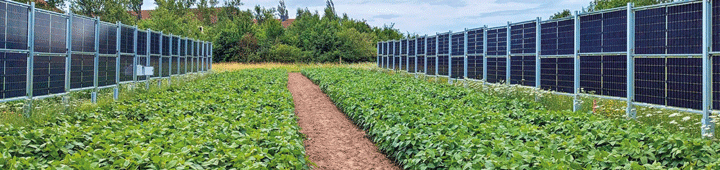
The Research Center for Agri-Photovoltaics develops practical demonstrators in which the production of food and animal feed is coupled with photovoltaic systems and biodiversity elements. Agriculture production remains at the forefront, with a simultaneous increase in economic efficiency and ecosystem services.
Research questions on triple use: Agriculture - photovoltaics - biodiversity
AgriPVplus develops innovative concepts to create maximum synergies for sustainable agriculture in the Central German drylands.
- What yields and operating results can be achieved in different system configurations?
- How can measures to promote biodiversity be integrated and what effects do these have on coupled ecosystem services?
- What findings from the analysis of abiotic, economic and ecological parameters can contribute to evidence-based decision-making?
Demonstrators
In order to answer these questions, three practical test systems will be used to investigate the effects of mounting systems, PV module types and biodiversity measures on Feldbau (Building 26 - Bernburg) and grassland.
Two systems are testing a vertical and a tracker system in combination with field crops and the integration of insect-friendly wild plants.
Another system couples photovoltaics with grassland use. The production of animal feed and the promotion of biodiversity are being investigated simultaneously.
Contact:
 © Hochschule Anhalt/LOEL/Lucas Beseler
Background
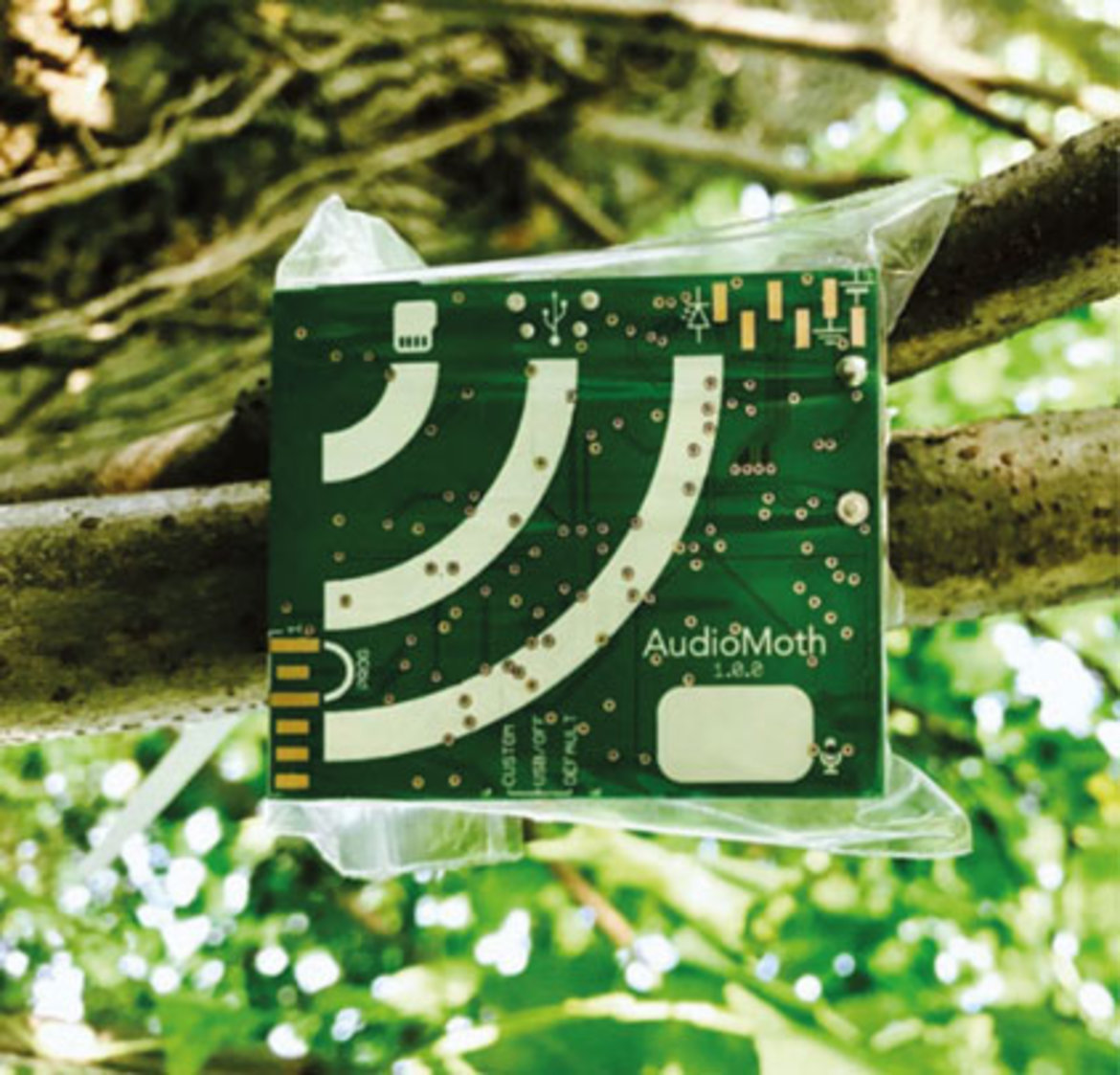
Recording bird diversity in agricultural landscapes is essential for environmental assessments and nature conservation. However, traditional point counts are labor-intensive and time-limited. Passive Acoustic Monitoring (PAM) with low-cost AudioMoth sensors offers a promising alternative for 24/7 long-term monitoring.
Objective
The project systematically validates an optimized AudioMoth workflow in direct comparison to traditional point counts. The methodological reliability of digital monitoring is examined to ensure correct data interpretation.
Results
The project shows that AudioMoth records up to 50% more species through continuous monitoring than traditional point counts. The validated methodology greatly reduces labor costs while maintaining comparable data quality. This enables farmers to evaluate their biodiversity measures cost-effectively.
Further information on the project
Funding
Project: TRANSFORM - Smart Transformation Labs
FKZ: 28DE205A21
Duration: 01.07.2023 - 31.12.2025
Contact
Prof. Dr. Christina Fischer
Lucas Beseler
 © HS Anhalt/LOEL/AG Deubel
Background
State-of-the-art breeding methods, optimized cultivation methods using digital technologies and the development of innovative processing techniques in the food industry are intended to make the pea a sustainable source of protein in Saxony-Anhalt's value chain.
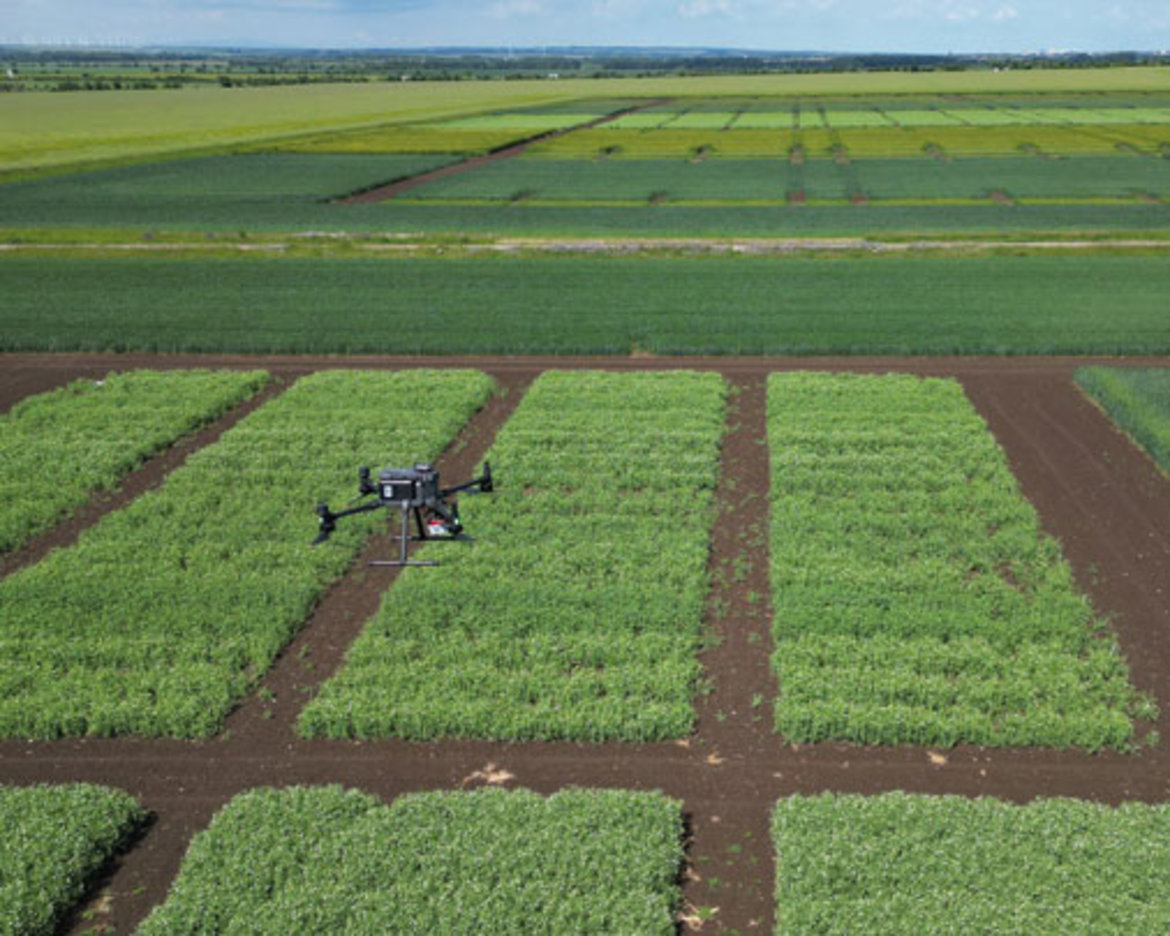
Extensive cultivation trials are underway at Anhalt University of Applied Sciences in Bernburg to improve the regional cultivation security of the pea. At the same time, single-variety starting material is being produced for processing trials. Digital phenotyping and stress detection using modern sensor technology is carried out in regular drone flights.
First results
The cultivation suitability of 15 varieties was tested in the dry Central German region, including 5 winter varieties. These offer advantages in dry years, partly also with regard to disease and pest infestation, and they are interesting in terms of labor economics due to early harvest dates. Long-term conservation tillage produced largely comparable results to ploughing with restrictions in the case of high weed pressure.
Further trials are investigating methods of weed control, the influence of catch crops, yield stability and preceding crop effect in comparison to other grain legumes. Biostimulants for seed treatment showed some positive trends in root growth and yield.
Contact:
 © HS Anhalt/LOEL/AG Prof. Deubel
Background
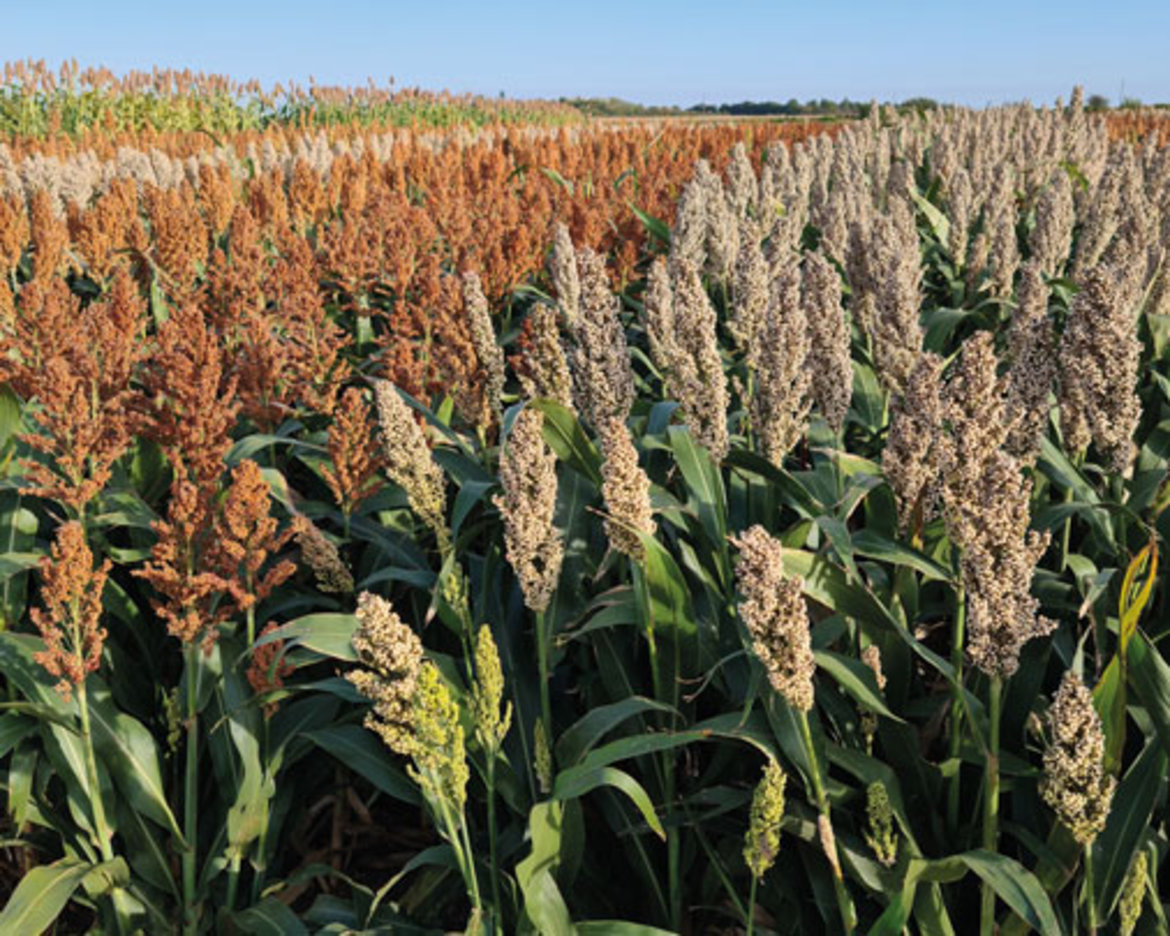
The project is examining a package of strategies to make arable farming systems more resilient to climate change, particularly in arid regions of Germany. The focus is on risk diversification through crop diversification. The main focus is on durum and grain millet, but niche crops such as quinoa, amaranth and chia are also being tested. Sensor technology is used to record the effects of water-saving processing methods. One focus is on the examination of biostimulants to improve nutrient supply and stress tolerance. Both molecular biological and digital methods are being developed to test their effectiveness.
Initial results
Winter durum achieved an average yield of 74 dt/ha in Bernburg, 82 % of an identically managed E-wheat. Significant varietal differences were noticeable (67-83 dt/ha). Microbial biostimulants tested in two varieties showed no yield effects. Sommerdurum achieved an average of 55 dt/ha with a range between the varieties of 46-60 dt/ha.
Conservation tillage showed yield advantages after extreme spring drought, especially in winter barley. In winter wheat, crop rotation was more decisive.
Contact:
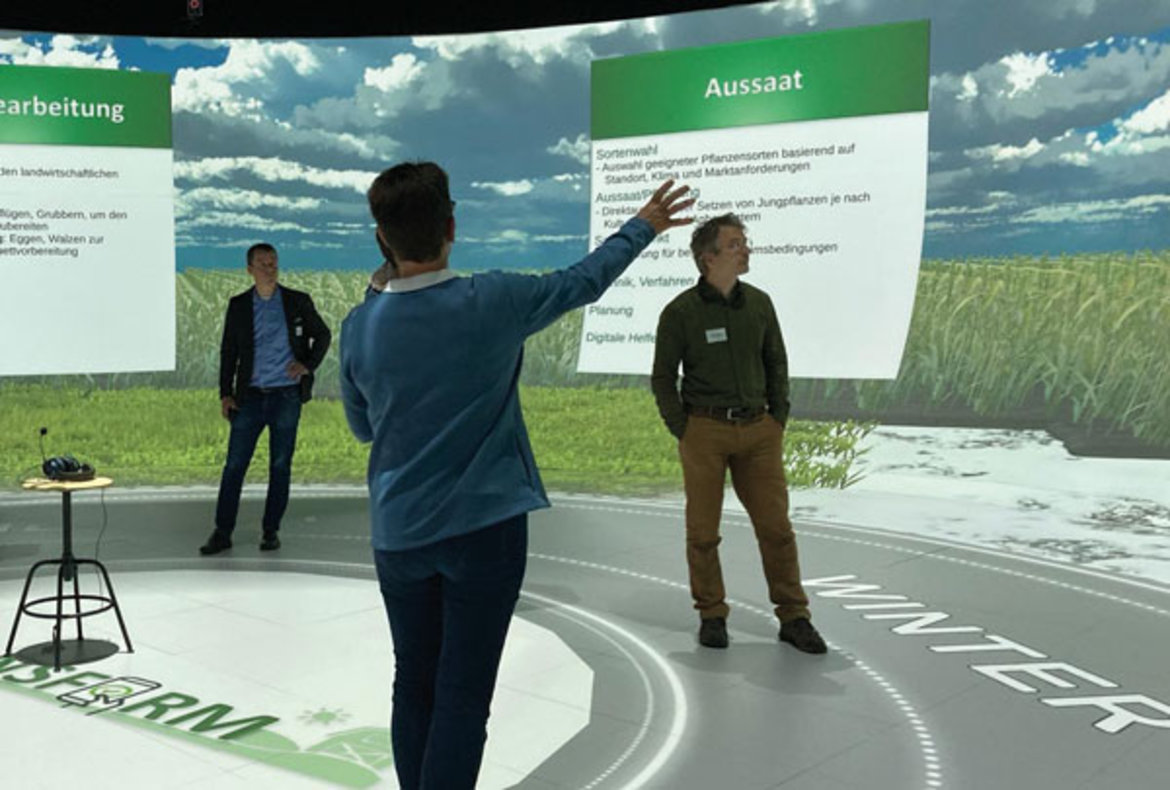 © HS Anhalt/LOEL/AG Prof. Knauer
Water is becoming scarcer, the weather more volatile, fertilizer more expensive, bureaucracy more time-consuming and international competition tougher: Agriculture in Germany is facing immense challenges, which new digital tools can help to overcome. The agricultural business of the future must therefore use digital technologies throughout and be comprehensively networked with upstream and downstream production areas.
The TRANSFORM research project aims to smoothly transform existing operating systems into a business of the future. The focus is on the close interlinking of economic and ecological perspectives, the regionally particularly relevant question of innovative irrigation strategies, the further development of crop protection using digital technologies, the logistical optimization of processes and the promotion of biodiversity and the associated increase in the effectiveness of ecosystem services. Smart Transformation Labs at the Magdeburg and Bernburg sites serve to transfer knowledge and bring digital technologies to life in Agriculture.
Contact:
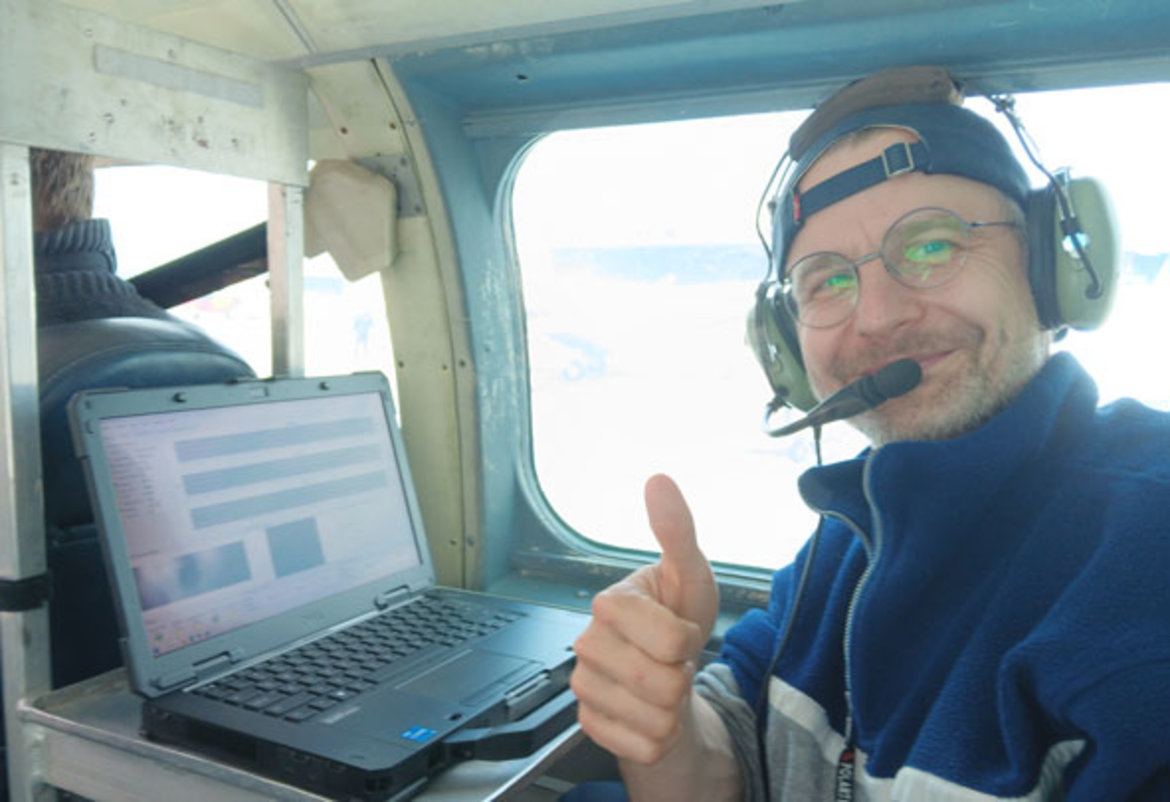 © HS Anhalt/LOEL/AG Prof. Knauer
Thermal fingerprint from the air
Anhalt University of Applied Sciences has an almost unique imaging hyperspectral camera for the thermal infrared range ("Hyper-Cam Airborne Mini") for examining the land surface and the lower atmosphere. The Hyper-Cam has high spatial and spectral resolution, making it ideal for remote sensing from an aircraft.
The Hyper-Cam is used to precisely record environmental changes and the spectral signature of the surface and gases, i.e. the fingerprint of their thermal radiation and absorption, from the air. Some research questions include monitoring the health of Agriculture crops, soil surveys and heat island detection in urban areas. In addition, the Hyper-Cam can detect the emission of gases and determine the amount of gas, which enables the investigation of sources and sinks of climate-active gases.
Other potential applications where testing is still pending include archaeological prospection, the detection of microplastics and the early detection of landfill fires. Overall, the Hyper-Cam offers a wide range of potential applications for credits and monitoring the Earth's surface.
Contact:
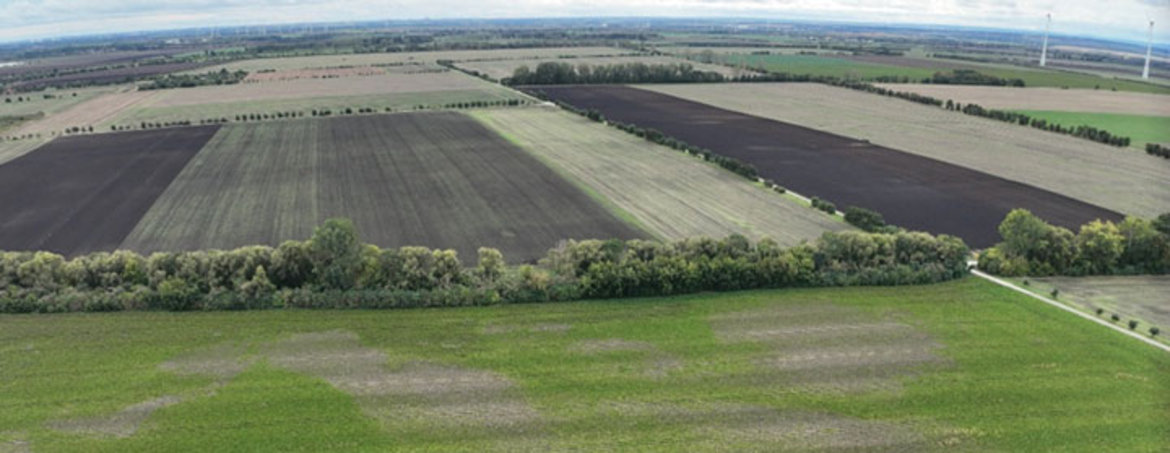 © HS Anhalt/LOEL/AG Prof. Pietsch
Synergies between agroforestry systems and coppice management
Coppices can provide a variety of ecosystem services (ES), are subject to biotope protection depending on their characteristics, are currently suffering from the effects of climate change and require continuous management. Selected species such as poplar stands or existing fruit trees have increasingly declined in recent years. As a result, the structures are losing certain services (e.g. natural carbon sinks) but other services are being increased (habitat function through deadwood). Agroforestry systems that are established on agricultural land are predicted to have a high potential for value creation for Agriculture and for increasing ecosystem services.
A combination of the use of existing groves with newly established agroforestry systems of different types on agricultural land increases the potentially usable resources. If these are optimized in terms of their spatial location with regard to the existing natural potential, positive effects and the urgently needed maintenance of the existing copses can be realized.
In order to achieve Economics, potentially usable quantities and their qualities must be determined, taking into account nature conservation and social requirements (e.g. landscape). On this basis, overall balances can be derived that enable management concepts to be developed within the specific area over defined periods of time.
Using a multifunctional approach that takes into account spatio-temporal aspects, the AgroPot project is testing methods for deriving overall balances at district level and developing utilization concepts with regional partners (Agriculture / municipal utilities) using the example of the Salzland district.
Contact:
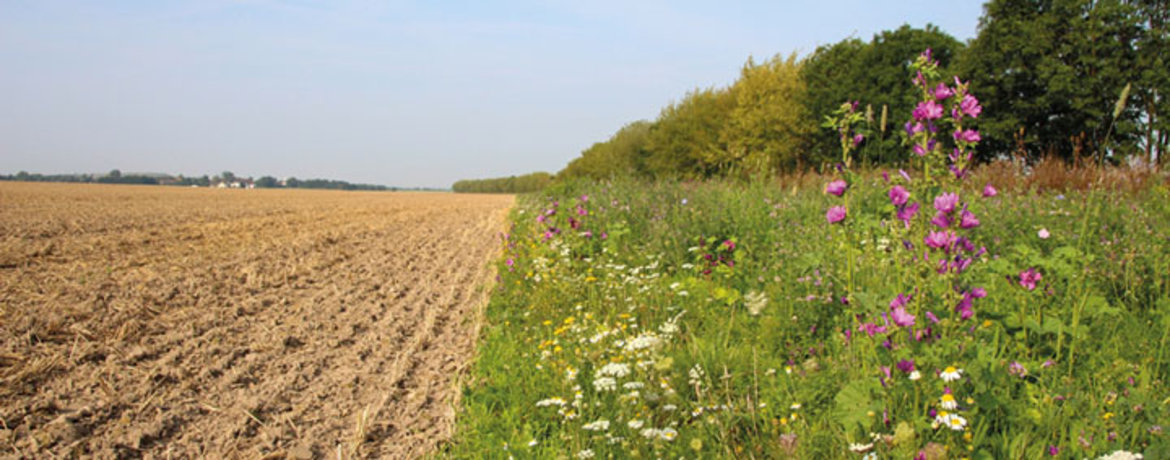 © HS Anhalt/LOEL/AG Prof. Pietsch
Production-integrated compensation measures (PIK) are nature conservation measures on agricultural land that serve to compensate for interventions in nature and the landscape and are integrated into farm operations. They are privileged under Section 15 (3) BNatSchG, but even more than 10 years after its introduction, PIK measures are rarely implemented.
Background
Every day in Germany, more than 60 hectares of land are designated for settlements or traffic. In the municipalities around Leipzig, for example, agricultural land was reduced by almost 17% between 2000 and 2012 - that's over 3,000 hectares. But farmland is not only disappearing due to the designation of new building areas and traffic areas. More land is needed to compensate for the resulting impact on nature and the landscape. Although significantly smaller in scale, this additional loss of land is nevertheless noticeable for Agriculture.
At the same time, a continuing decline in species has been observed in the intensively used agricultural landscape for years. Against this backdrop, selected measures in the Leipzig area were tested together with local farms and subjected to ecological monitoring as part of the stadt PARTHE land research project from 2015 to 2019. It was found that PIK measures have considerable potential for enhancing agricultural land if maintenance requirements are consistently adhered to, can be implemented in a practicable and legally compliant manner and thus complement and enrich the range of existing compensation measures. However, there are also numerous challenges that need to be considered during implementation.
In the working aid 'Produktionsintegrierte Kompensation' (Etterer et al. 2020 - free of charge at www.qucosa.de), relevant technical and legal aspects are examined in detail and solutions for the implementation of PIK are presented.
Contact:
Further information on the project
 © HS Anhalt/LOEL/AG Prof. Tanneberger
Objective
The aim of the study is to analyze the application and dissemination of management methods in agricultural businesses in Germany. In particular, the factors influencing the implementation of financial and liquidity planning, profitability planning and the preparation of annual financial statements are to be investigated. In addition, the study aims to assess the satisfaction of Agriculture businesses with their current and future financial situation and to identify possible correlations. Ultimately, the study is intended to provide a deeper understanding of management practices within the agricultural sector and identify optimization potential that can contribute to improving economic stability and securing the future of farms.
First results
The study uses a structured survey to analyze the implementation of
financial management practices of German agricultural businesses. Initial results show the implementation of liquidity planning, profitability controlling and the preparation of annual financial statements.
If you are interested in our work and our current study, as well as upcoming surveys, please do not hesitate to contact us.
Contact:
Further information on the project
