Anhalt University of Applied Sciences represented with innovative topics
What will tomorrow's crop cultivation look like? What solutions are there for climate change, biodiversity loss and sustainable nutrition? And how can young people become part of this development? Anhalt University of Applied Sciences will provide answers to these questions at the DLG Field Days, which will take place from June 16 to 18, 2026 on the grounds of the International DLG Crop Production Center next to Campus Bernburg. Under the guiding theme "Crop production out of the box", everything will revolve around new ideas, innovative technologies and sustainable solutions for the Agriculture of tomorrow.
Our specialist topics at the DLG Field Days 2026
Anhalt University of Applied Sciences uses the Field Days to show how diverse and relevant modern crop production is by presenting current research topics. These include the question of how soil water can be used for sustainable farming, the opportunities offered by regional protein production using grain legumes and how crop production can adapt to global warming. Innovative approaches such as agri-photovoltaics (Agri-PV+) to increase ecosystem services will also be presented. At the same time, digitalization will become tangible: With modern sensor technology, agricultural drones and the AI-supported tool "AgriChat", which was developed at Anhalt University of Applied Sciences, visitors can experience how technology is changing crop farming. Another focus is on biodiversity and climate adaptation. Local wild plants show how beneficial insects can be promoted and Agriculture systems can be made more resilient.
 © OL, Hochschule Anhalt
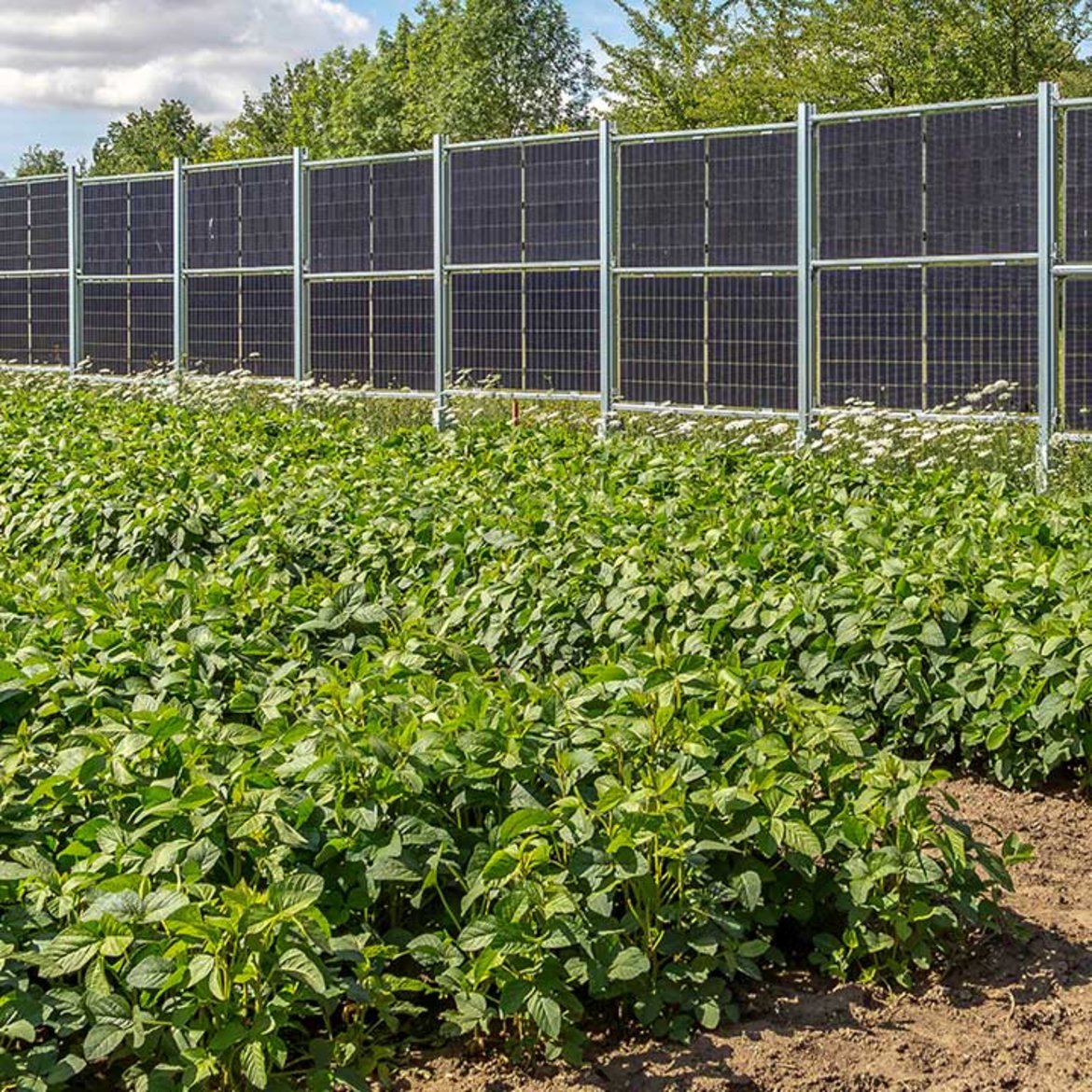
The positive effects of grain legumes in arable farming have been known for a long time. As early as 1886, Prof. Hellriegel described the symbiosis between pea plants and nodule bacteria at the Bernburg site. Nevertheless, cultivation areas have so far remained limited, as yields often fluctuate and imported protein sources influence the market.
As part of the state-wide joint project "DiPisum", the aim is to establish Saxony-Anhalt as a center for the production of pea protein. Studies on winter forms, climate-adapted varieties and the use of biostimulants will be presented. Initial results from Bernburg indicate possibilities for increasing the attractiveness of pea cultivation.
In addition, other grain legumes that could become more important under changing climatic conditions are being examined. This also includes approaches for greater integration of soybeans into agricultural practice. Results from multi-year trials and cooperation with the LLG Bernburg are included in the presentation.
Contact:
 © OL, Hochschule Anhalt
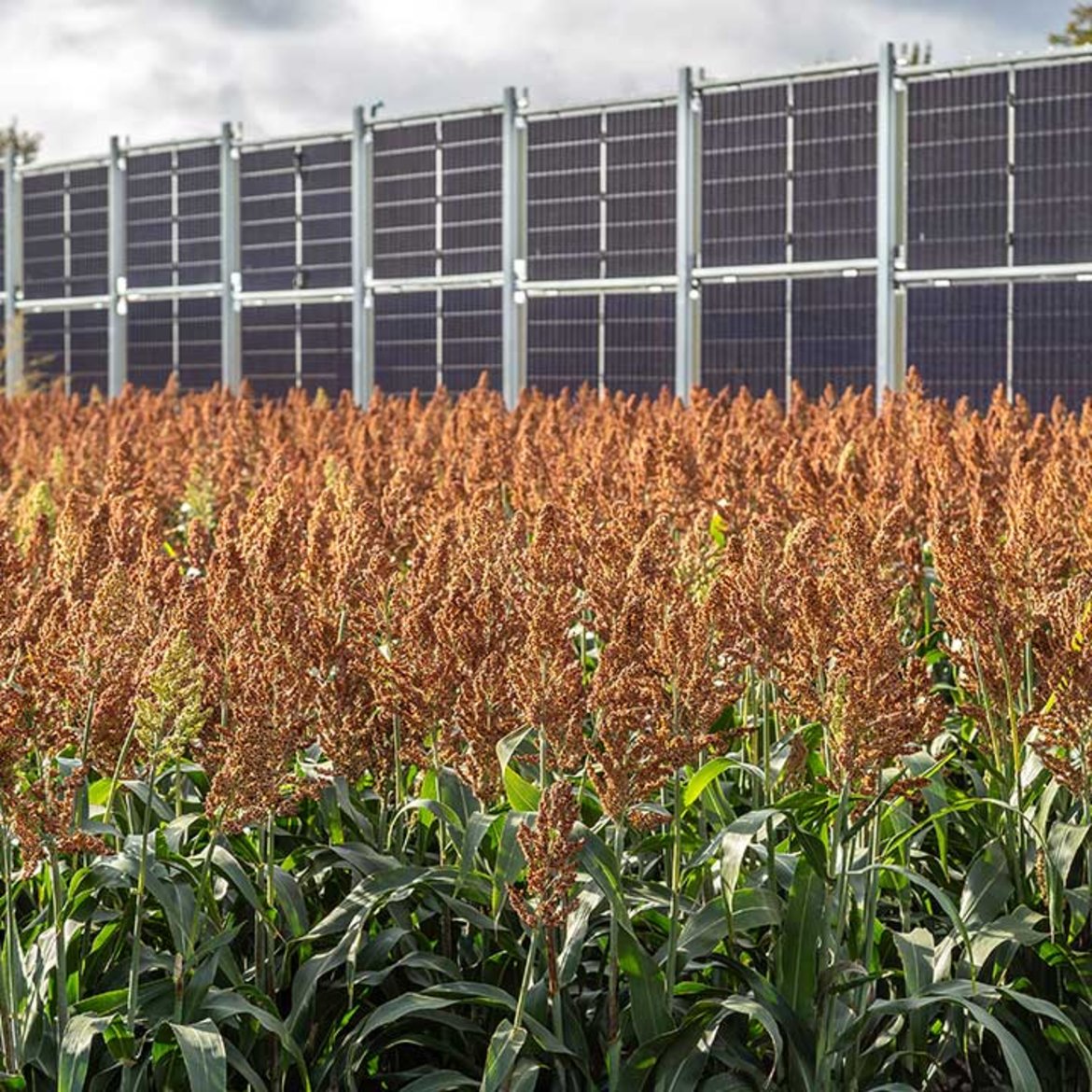
Global warming is leading to changes in the stress phases in the vegetation cycle of Agriculture crops. In spring in particular, an increasingly dry period is becoming apparent in the central German arid region.
Possible adaptation strategies include the increased cultivation of winter crops, the use of later developing species and generally crops with lower water requirements. The results of the "Aklimat" (BMEL) and "VegPro Millet" (ERDF) projects form the basis for this.
The focus is on climate-adapted crops such as winter durum and grain millet. Initial trial results, also in cooperation with Agriculture companies, show positive prospects. In addition, niche crops are presented that can contribute to the diversification of crop rotations and strengthen the resilience of Agriculture systems.
 © OL, Hochschule Anhalt
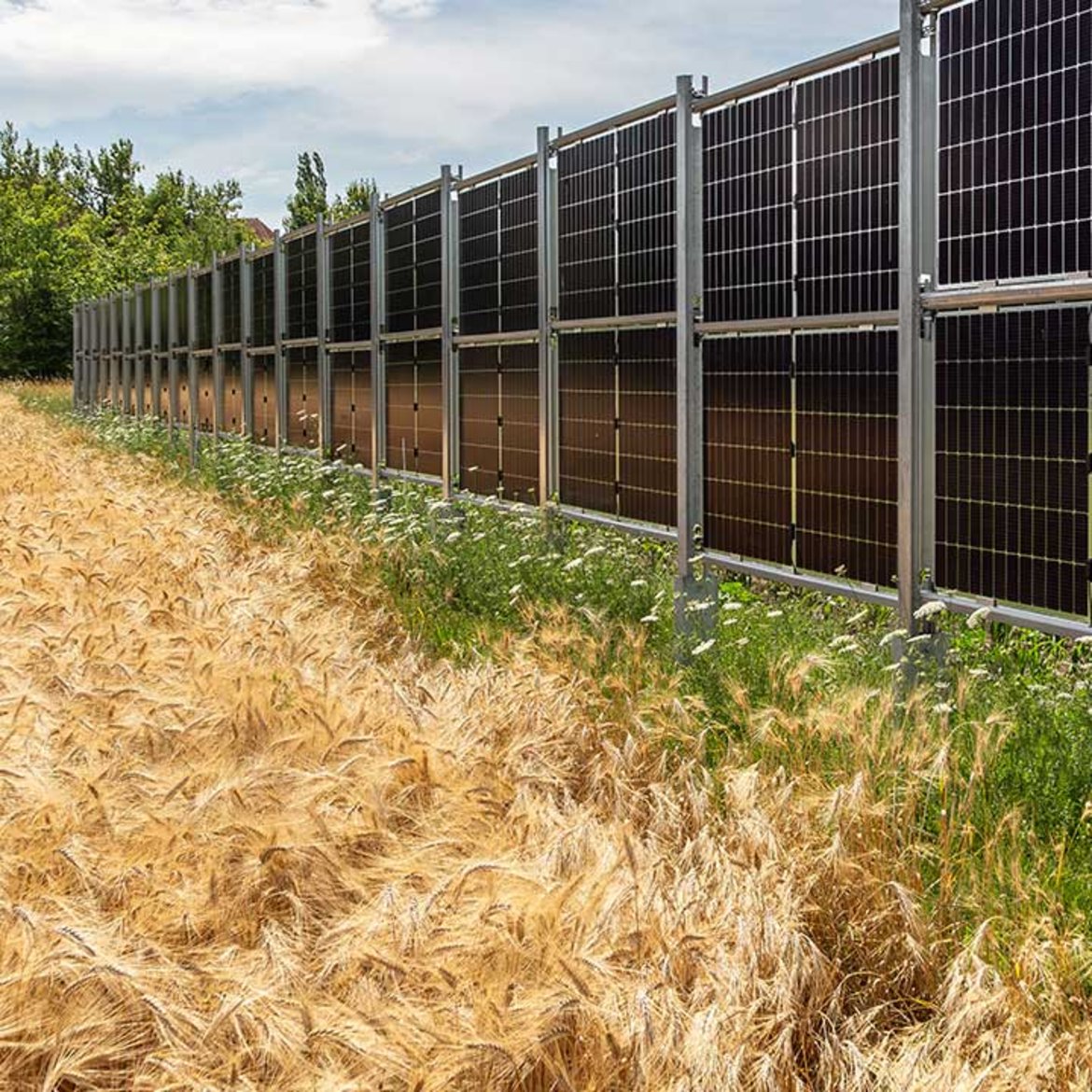
The combination of Agriculture with the generation of renewable energies raises numerous questions for farms, municipalities and energy companies. Appropriate solutions are being developed in the ERDF project "Research Center for Agri-PV".
The aim is to combine Agriculture production with the generation of green electricity and at the same time promote biodiversity through targeted measures such as flower strips. Initial results show that lower yields due to shading effects can be offset economically by electricity production.
Additional strips with adapted wild herb mixtures have been proven to promote flora and fauna. In addition, there is the opportunity to visit the Anhalt University of Applied Sciences' experimental facilities as part of an excursion.
 © OL, Hochschule Anhalt
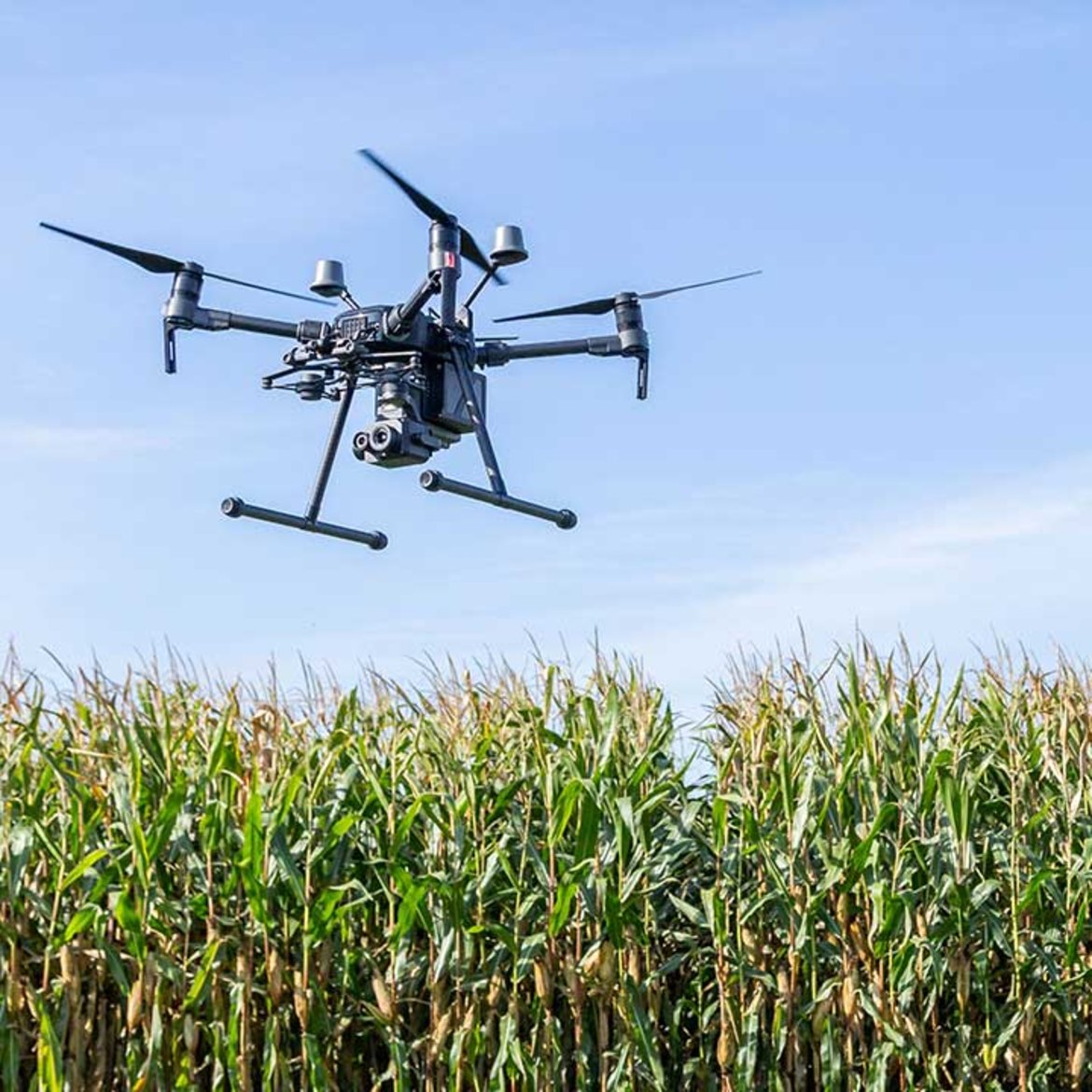
Digital technologies, modern sensor technology and artificial intelligence are increasingly shaping the plant cultivation of the future. The content presented is based on the "DiPredict" (ERDF) and "Transform" (BMLEH) projects.
The central exhibits include drones, the Phenotruck-AI as a mobile, digitally equipped laboratory and a modular technology carrier for sensor use in the field. The exhibition is complemented by applications of modern AI technologies and a field test that illustrates data collection and evaluation.
Virtual technologies will also be used to demonstrate possibilities in planning and knowledge transfer. The digital workflow - from data collection and analysis to decision support and automated implementation - is presented in a comprehensible way at several stations.
At the same time, the content provides an insight into study modules such as "Digital Technologies in Plant Production", "Precision Farming" and "Agricultural Engineering". The AI tool AgriChat is an example of the skills that can be acquired in the AI Engineering degree program with an agricultural specialization.
 © OL, Hochschule Anhalt
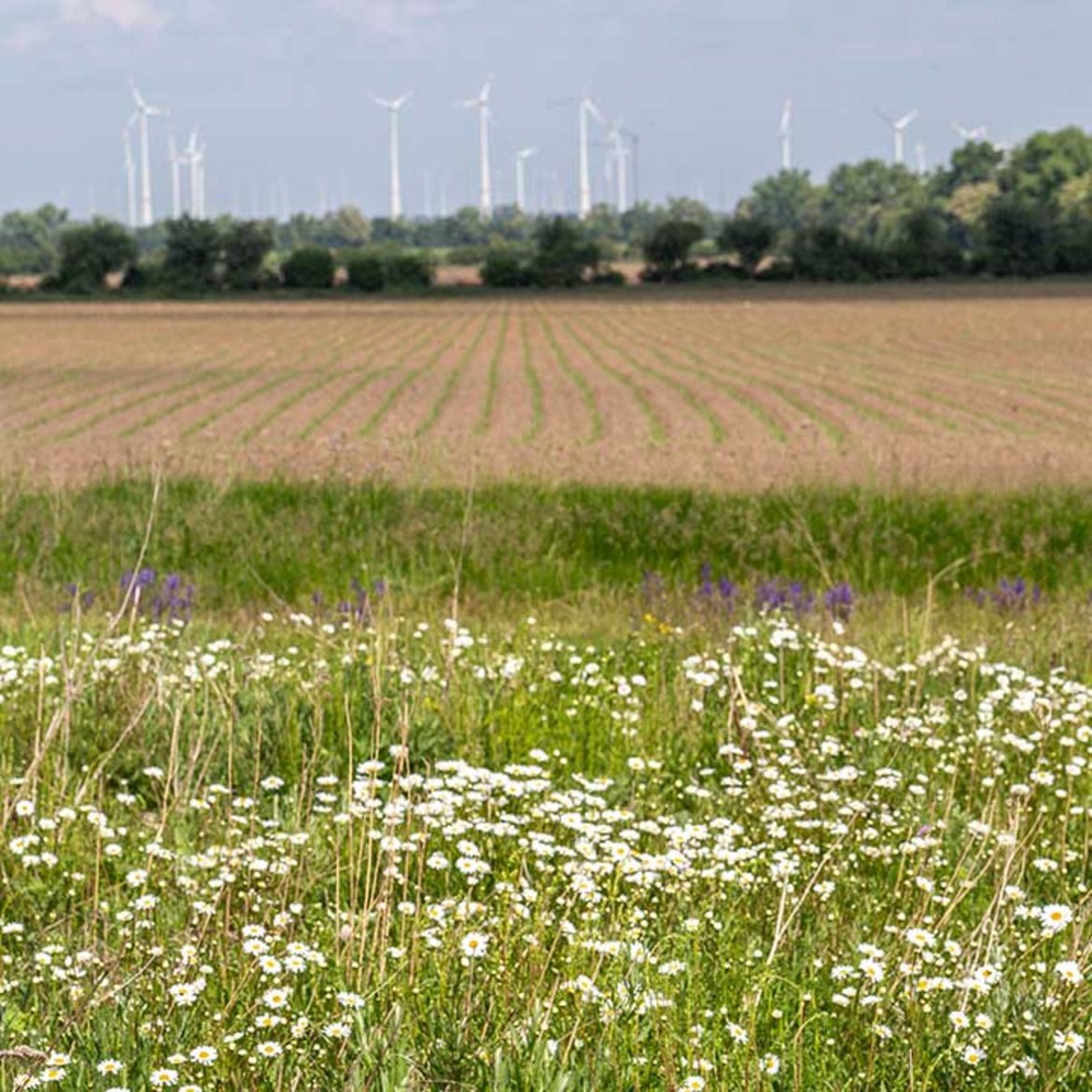
Indigenous wild plants make an important contribution to promoting biodiversity in agricultural landscapes. Perennial flowering mixtures for use on arable land are presented, which support pollinators and beneficial insects and at the same time improve erosion control.
The measures were developed in cooperation with the Saxony-Anhalt State Institute for Agriculture and Horticulture and will be continuously monitored. In addition, approaches for vineyards, species-rich roadside verges and extensive grassland are presented.
Such measures not only contribute to biodiversity, but also increase the climate resilience of Agriculture land. A demonstration show garden offers the opportunity to deepen plant knowledge and get to know different species. In addition, information is available on suitable measures and plant selection for different utilization systems, also with regard to requirements such as eco-regulation 5 (result-oriented extensive management of permanent grassland - proof of regional indicator species).
The availability of water is a key challenge for future crop production in the drylands of central Germany. Increasing evaporation rates and decreasing precipitation as a result of global warming are further exacerbating the situation.
Soil probes are used to visualize the course of soil moisture for different types of crops and cultivation methods. Typical developments in usable field capacity during the vegetation period illustrate how risks due to dry phases can be reduced with the help of adapted crop rotations.
In addition, various approaches for water-saving crop cultivation are shown on the basis of different water consumption rates. Intercropping under dry site conditions is also included. The presentation is based on six variants that illustrate the progression of usable field capacity on the trial field.
Orientation in the range of courses: Anhalt University of Applied Sciences at Bildungspunkt 5
At Bildungspunkt 5, pupils interested in Agriculture, Nutrition, Nature Conservation or Landscape Architecture are given a practical and interactive insight into the degree programs offered by Anhalt University of Applied Sciences. The green Campus Bernburg with its 55 hectares of experimental fields, project gardens and modern Life Sciences laboratories is presented in a vivid way. There will also be an opportunity to explore your own interests by means of small experiments.
Information on courses of study and dual degree programs in cooperation with the Ministry of Agriculture will also be available. In addition, visitors can test their knowledge in the Japan quiz on international agricultural markets or find out what contribution digital landscape planning makes to climate adaptation. The personal exchange also offers the opportunity to find a suitable course of study.
Our educational points at the DLG Field Days 2026
From grain to bread: understanding nutrition
The creation of bread from grain and the background to our food are vividly explained here. At the stand, visitors can get a practical understanding of how food is made from plant-based raw materials. For example, visitors can observe the role that gluten plays in the baking properties of dough as it is washed out independently. The properties of starch can also be experienced when it appears to solidify under pressure and then liquefies again.
In addition, an insight into the world of bees and honey is provided: differences between types of honey and the interaction between plants and pollinators become clear. The interplay of tasting, measuring and comparing creates a lively understanding of the connections between nature, food and technology and thus also for the study of Ecotrophology.
Digitizing plant cultivation with sensor technology and AI
An interactive tour shows how decisions are made in modern plant cultivation. The starting point is data collection: sensors provide information on soil moisture or record bird calls and thus create the basis for sustainable cultivation. The mobile laboratory then shows how pathogens are analyzed directly on site and how AI models are trained.
Later on, the focus will be on drones and a measuring vehicle, which open up new perspectives on plant populations. Aerial images provide valuable additional information that goes beyond the human eye. Finally, it will be demonstrated how an AI tool combines different data sources in order to make the use of pesticides more efficient and resource-saving, for example. Modern agricultural drones for spreading fertilizer or seeds are also part of the presentation.
This makes it clear how closely interlinked technology, the environment and Agriculture are. At the same time, the content provides an insight into the structure of the degree programs in AI engineering with a specialization in agricultural economics and technology as well as the agricultural studies at Anhalt University of Applied Sciences.
Local wild plants to increase biodiversity, promote beneficial insects and improve climate resilience
Despite the dominance of individual crops in Agriculture, there are many ways to promote biodiversity in a targeted manner. The educational point shows how flower strips and native wild plants create habitats and support beneficial insects. Specific examples illustrate which plants are particularly relevant for pollinators and how they can be used sensibly.
Personal observations and discussions encourage participants to recognize connections and develop new ideas. This makes it clear that Agriculture and biodiversity do not have to be mutually exclusive. On the contrary, approaches are opened up to ecologically enhance agricultural landscapes and at the same time make them more resilient to climate change. The Nature Conservation and Landscape Planning course takes up these perspectives.
Cultivation strategies in crop production
Central questions of modern Agriculture and the effects of climate change are the focus here. It shows which crops are grown in Germany, what uses they have and why diverse crop rotations play an important role.
Another focus is on the nutrient supply of plants: The importance of individual nutrients, the need for precise fertilization and new approaches such as biostimulants are explained in an understandable way. Plant protection is also discussed: from tried and tested methods to current challenges due to changing climatic conditions.
Finally, clear examples and interactive elements illustrate the close interaction between research and practice. The aim is to secure yields while sustainably protecting the environment and resources. At the same time, a concrete picture emerges of what can be expected from the Agriculture degree program at Anhalt University of Applied Sciences.
 © Staatskanzlei ST/MWU
Participation of Anhalt University of Applied Sciences in the DLG Field Days 2026 at the International Crop Production Center Bernburg-Strenzfeld
FKZ: I308
