Anhalt University of Applied Sciences with several innovative topics in the campus area
EuroTier is the world's leading trade fair for professional animal husbandry and livestock management. The leading innovation platform for the global livestock sector offers an overview of innovations and established standards. It provides answers and solutions for current and future challenges.
The Department of Agriculture, Ecotrophology and Landscape Development at Anhalt University of Applied Sciences will be represented with several exhibits in the campus area in Hall 13/F55:
 © HS Anhalt/LOEL/AG Prof. Scholz
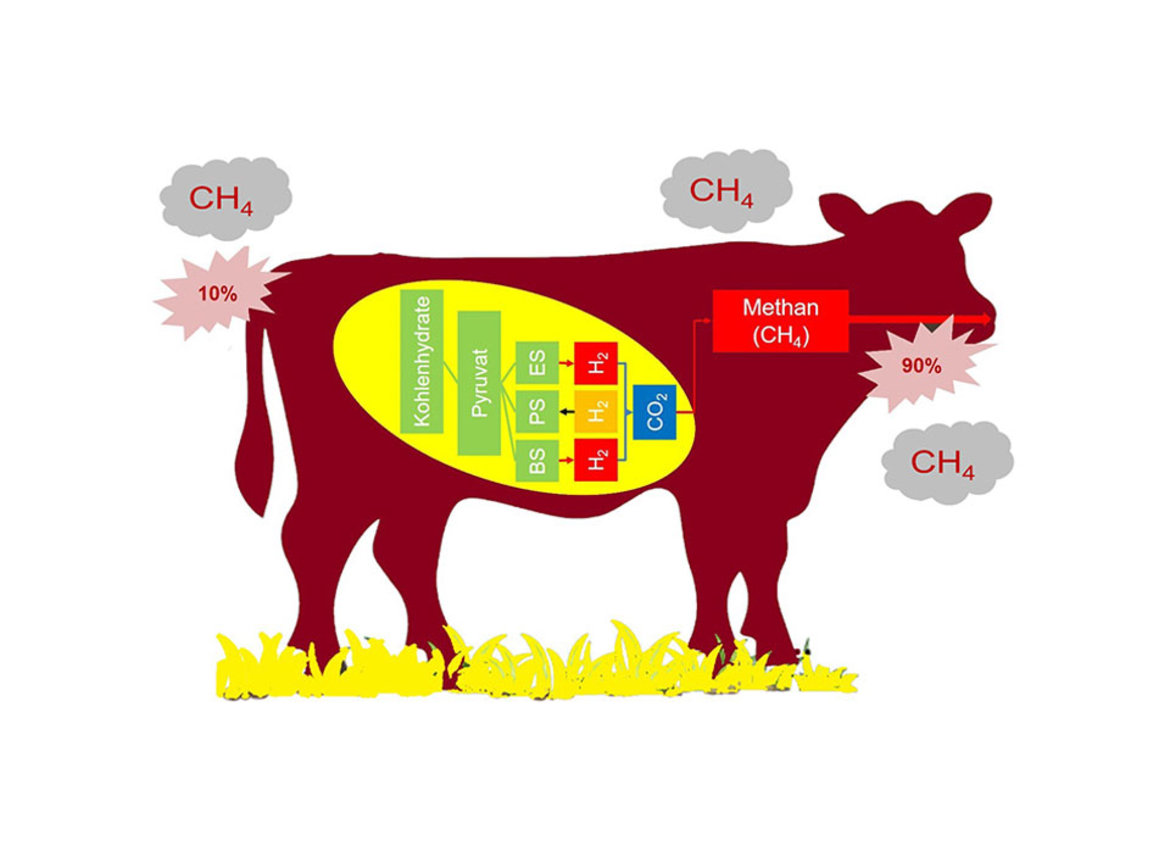
Methane Emissions from Suckler Cows
Background
Methane is a greenhouse gas, with up to 11% of anthropogenic methane originating from livestock production. Beef cattle production is attributed the largest share worldwide (PICKERING et al., 2015). Under German conditions, methane emissions can be reduced in two ways: [1] by reducing livestock populations or [2] by lowering methane emissions per animal per unit of time. As a direct emission from agricultural operations (Scope 1), these emissions must be accounted for and optimized, which has been the approach in recent years.
Results
Measurements in recent years have always been taken using a methane detector. To identify areas for operational optimization, a suckler cow herd was selected that undergoes a 3-month dry period, is then kept under winter feeding conditions (TMR diet) for 4 months, and grazes on pasture from May through September (5 months). Between the various phases of reproduction, daily methane emissions are classified as low .
In total, this indicates a methane emission of approxima-tely 90 kg per cow per year. The next step is to examine various levels of grassland extensification and their effects on methane emissions from suckler cows. Ultimately, this will allow for the development of farm-level strategies or approaches to reduce these emissions.
Contact:
 © HS Anhalt/LOEL/AG Prof. Scholz
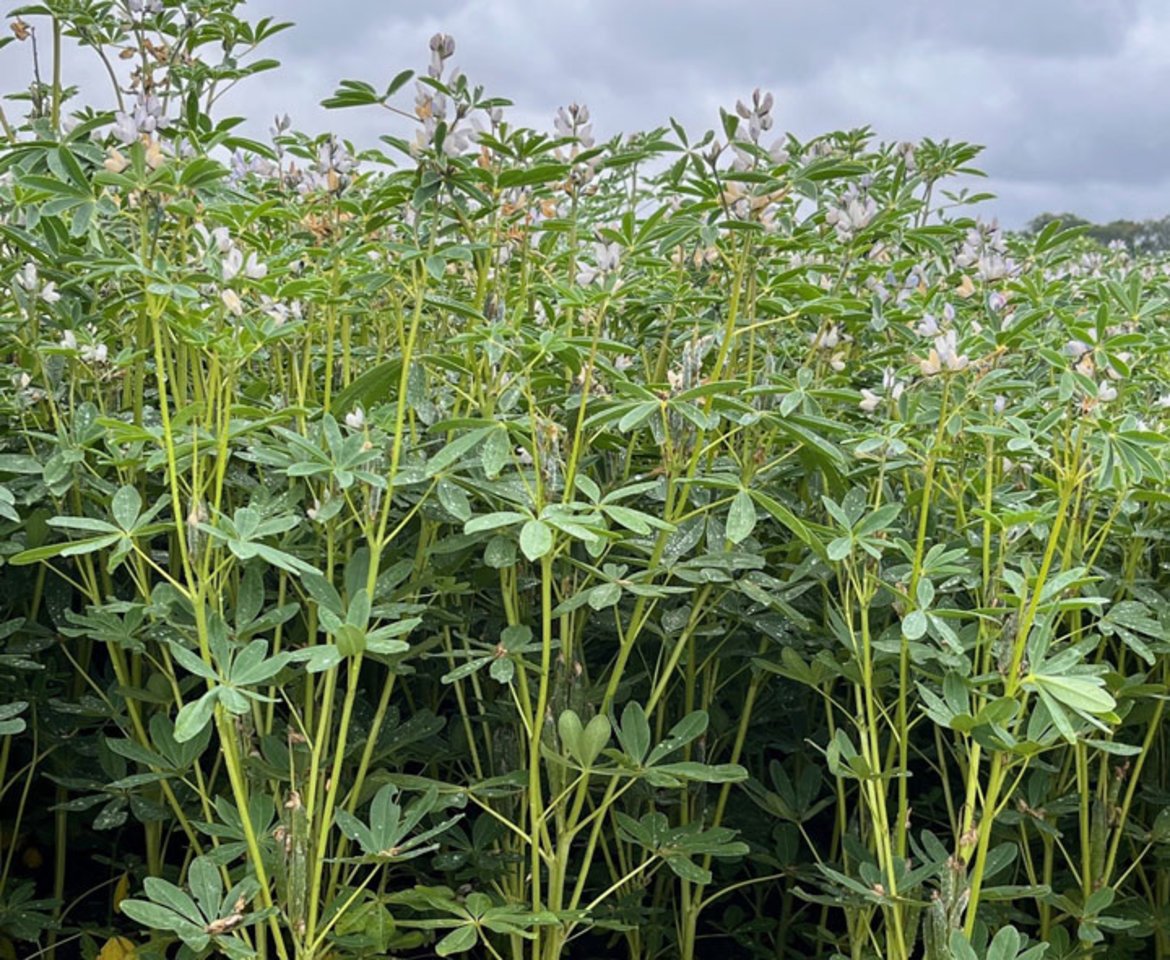
Whole-Plant Silage from Grain Legumes
Background
High forage intake by dairy cows from grass and corn silage is essential for the health, economic viability, and sustainability of the system. In addition, protein-rich silage made from alfalfa or clover-grass mixtures is used to reduce the need to purchase supplemental protein feeds. In recent years, interest has also grown in whole-plant silage (WPS) made from grain legumes (peas, field beans, lupins, etc.). When grain legumes are used for silage, they must be harvested using a direct-cut harvester (without wilting). This makes the optimal dry matter (DM) content at harvest particularly important. This was the starting point for the project, which aimed to generate further insights into the development of dry matter content, yield, energy and nutrient content, as well as suitability for silage.
Results
In 2024, peas, field beans, and white lupins were sampled and ensiled at two-week intervals from June until the plants reached maturity. The results from the first year showed that the optimal time for harvest and ensiling should be when the dry matter content of the whole plants is between 30–50%. For white lupins, a dry matter yield of 121 dt DM per ha and an average protein yield of 23.8 dt protein per ha were determined. After ensiling for more than 100 days, a dry matter loss of less than 5% was observed.
Feeding Trial with Dairy Cows
A feeding trial conducted with the ZTT Iden (LLG Saxony-Anhalt) showed that, when 4–5 kg of dry matter (DM) alfalfa was replaced with a comparable amount of lupine-WPS, there were no differences among the tested variants in terms of DM intake and key performance and animal health indicators. It was also found that NDF digestibility was at the same level between the TMR with alfalfa (73.8%) and the TMR with lupine-WPS (74.3%).
Contact:
 © Prof. Dr. Kathleen Schlegel
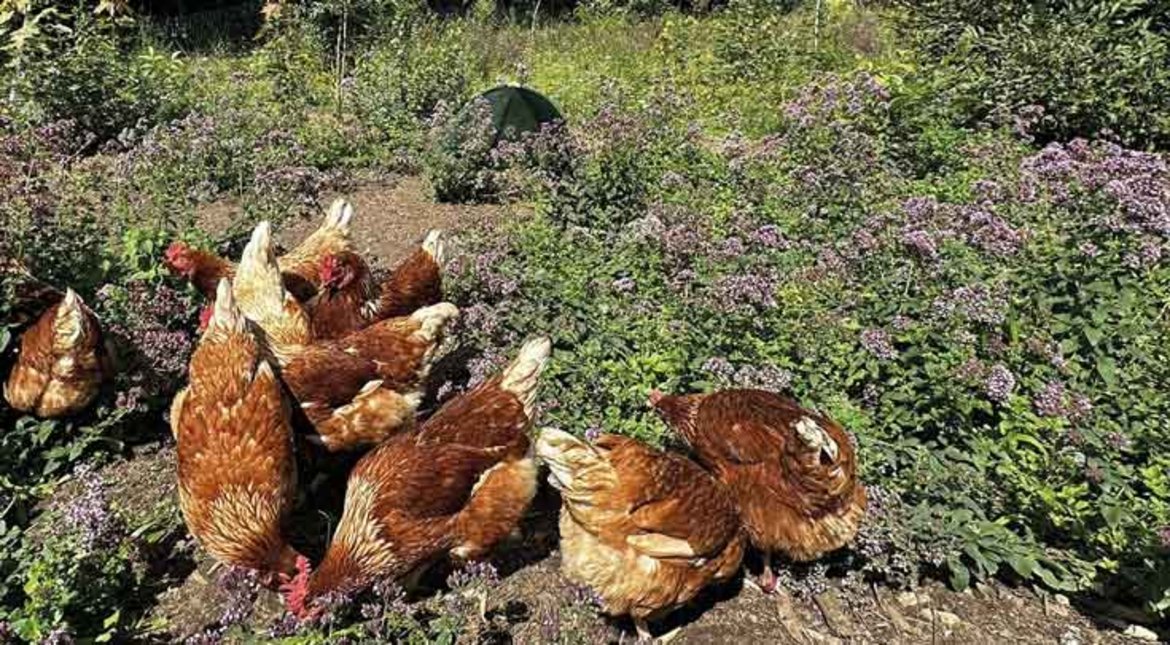
Evaluation of Egg Quality Across the Laying Period Based on Albumen Characterization
Background
Egg quality parameters undergo distinct physiological shifts throughout the laying period. While overall egg production volume gradually declines, individual egg weights concurrently increase. Albumen height is similarly subject to chronological changes, displaying a downward trend as hens age. Egg freshness is standardized internationally using Haugh Units (HU), which serve as the benchmark metric for assessing albumen quality. The HU calculation formula primarily incorporates total egg weight and the thick albumen height measured 1cm lateral to the yolk. According to USDA grading standards, HU values above 72 are classified as Grade AA, while values between 60 and 71 represent Grade A. Eggs falling below a threshold of 60 HU are legally barred from commercial retail distribution. In 2025, two distinct hen genetics (Lohmann Tradition and ÖTZ Coffee) were housed in a mobile coop system at Anhalt University of Applied Sciences. To evaluate product quality, five eggs per genetic line were sampled weekly and analyzed in the university laboratory exactly 1 day post-laying.
Results and key findings
Egg weight increased progressively over the course of the laying period, rising from 52.6 g in laying week (LW) 24 to 69.3 g in LW 55. The mean albumen height was recorded at 6.8 mm, though it deteriorated from an initial 8.1 mm (LW 21) down to 4.9 mm (LW 55). This decline did not follow a strictly linear trajectory; rather, it appeared to correlate closely with the flock's health status. Internal egg freshness decreased with advancing flock age, albeit non-continuously. The overall mean freshness was 79 HU, fluctuating from a peak of 100 HU at the onset of laying to a low of 62 HU toward the end of the production cycle. The direct correlation between albumen height and calculated Haugh Units is clearly demonstrated.
Outlook and further research
Haugh Unit values exhibited notable volatility within the laying period. Severe infestations of the poultry red mite (Dermanyssus gallinae) were identified as a primary underlying cause for these fluctuations. This indicates a direct physiological link between albumen structural quality - and thus albumen height - and overall animal health. Conducting a more granular investigation into these qualitative dynamics forms the core focus of our ongoing research
Contact:
Prof. Dr. Kathleen Schlegel
