Anhalt University of Applied Sciences at Green Week 2026 in Berlin
The Green Week Berlin (GW) is the world's largest trade fair for food, agriculture and horticulture and has already established itself as a traditional event. It will take place from January 16 - 25, 2026.
As part of the RESEARCH FOR THE FUTURE initiative, there will once again be a SCIENCE stand (no. 241) in the Saxony-Anhalt Hall (23b), where exhibitors from Anhalt University of Applied Sciences, Harz University of Applied Sciences, Magdeburg-Stendal University of Applied Sciences, Merseburg University of Applied Sciences and Otto von Guericke University Magdeburg will be participating in the DiP project with partners Martin Luther University Halle-Wittenberg, Leibniz Institute of Plant Biochemistry (IPB) Halle and Fraunhofer IKTS Halle.
The topics presented change daily.
The participation of universities in Saxony-Anhalt at the Green Week is supported by the
Ministry for Science, Energy, Climate Protection and the Environment
FKZ: I 267
 © HS Anhalt/ AG Prof. Tischew
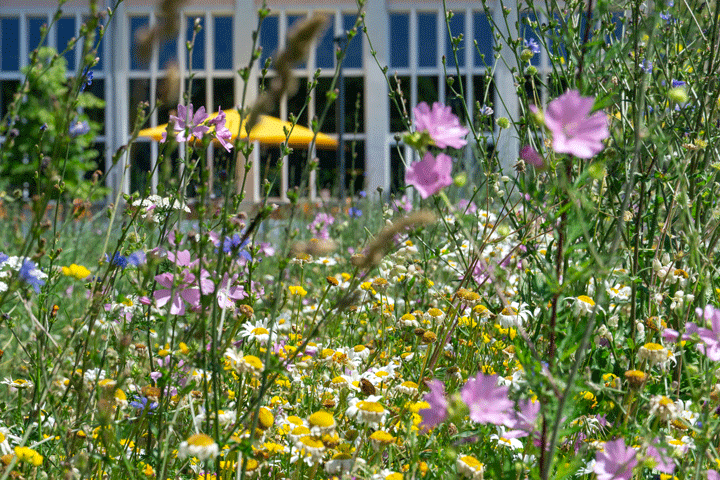
Green Infrastructure
Protecting the climate and biodiversity through the expansion of high-quality green
As a network of natural and near-natural ecosystems, green infrastructure is a sound investment in the future, offering a decisive way forward to improve climate resilience in both urban and rural areas. Species-rich flowering areas featuring regional wild plants, as well as solar parks that promote biodiversity, can form part of such infrastructure. Not only are they an ecological asset, they are a plus for local recreation and simply for experiencing nature
At Anhalt University of Applied Sciences, the research groups led by Professors Sabine Tischew, Anita Kirmer and Annett Baasch have been developing numerous innovations in the fields of ecological restoration, habitat management and multifunctional land use over the past three decades. To put this knowledge into practice, the KompetenzGrün project is establishing a centre of excellence for green infrastructure in the Saxony-Anhalt districts of Anhalt-Bitterfeld and Burgenlandkreis, areas particularly affected by structural change.
Key focus areas
Expert advice on biodiversity-enhancing and climate-resilient green infrastructure
Skills development through further education and training programmes
Implementation of demonstration sites in collaboration with the stakeholder network
Contact
 © Janet Krickmeier
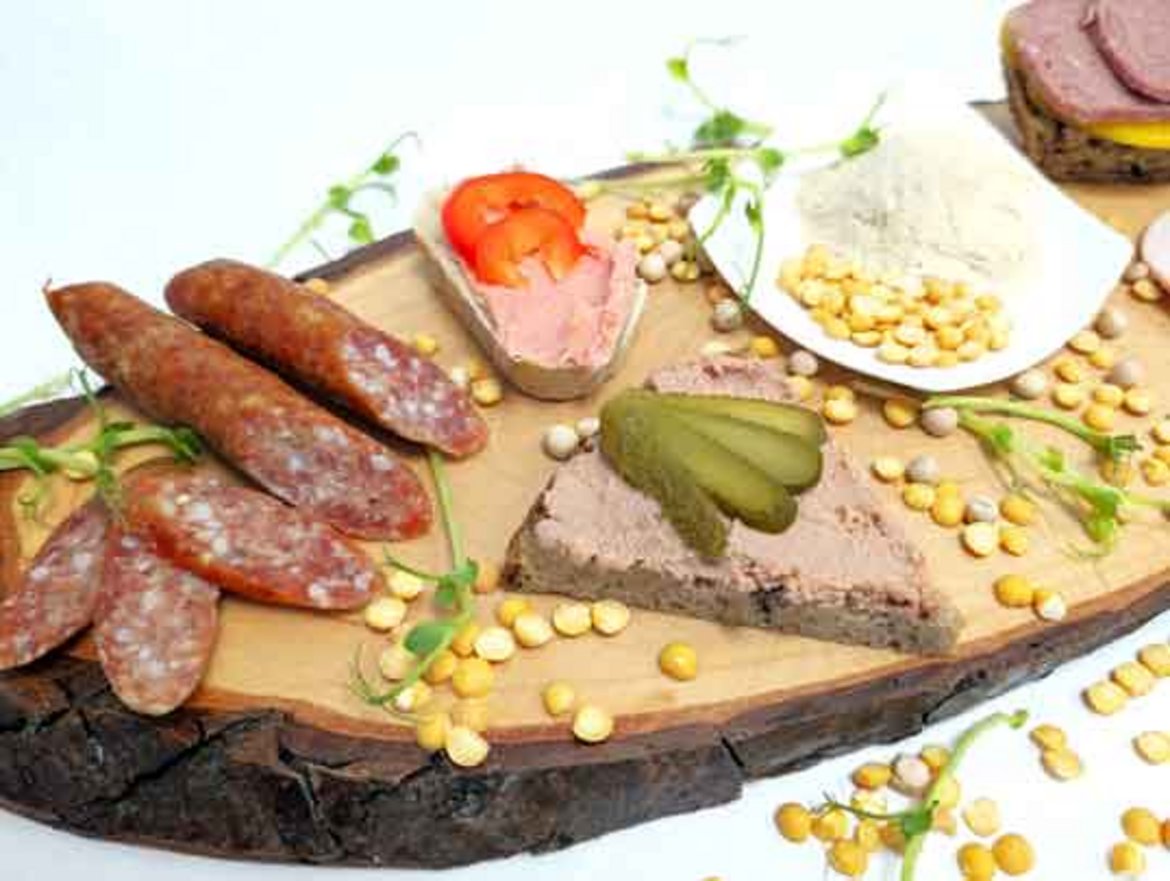
Yellow peas as a high-quality protein source
Thanks to their high content of valuable proteins, regionally produced and processed yellow split peas have the potential of making an important contribution to a future sustainable and healthy diet.
Their use in vegetarian and vegan meat and sausage products tends to be rather limited, because the processes for obtaining concentrates and isolates from pea flour are often not suitable for reducing the typical “beany” flavor while maintaining the techno-functional properties (water and oil binding capacity). At the same time, hybrid products containing pea protein to increase the protein content, such as enriched conventional meat and sausage products, are not yet commonly available.
At the DiPiSum project, we aim at making regional peas fit for the future by:
- defining specific requirements for concentrates and isolates − on the basis of newly bred pea varieties (improved sensory properties, higher nutritional value) and by applying new processes for extracting and concentrating proteins (optimum techno-functionality), as well as
- developing protein-rich hybrid products based on conventional resources as well as protein-based alternative meat and sausage products, fish products, ready-made meals and delicatessen products.
Further Information
 © Kathleen Schlegel
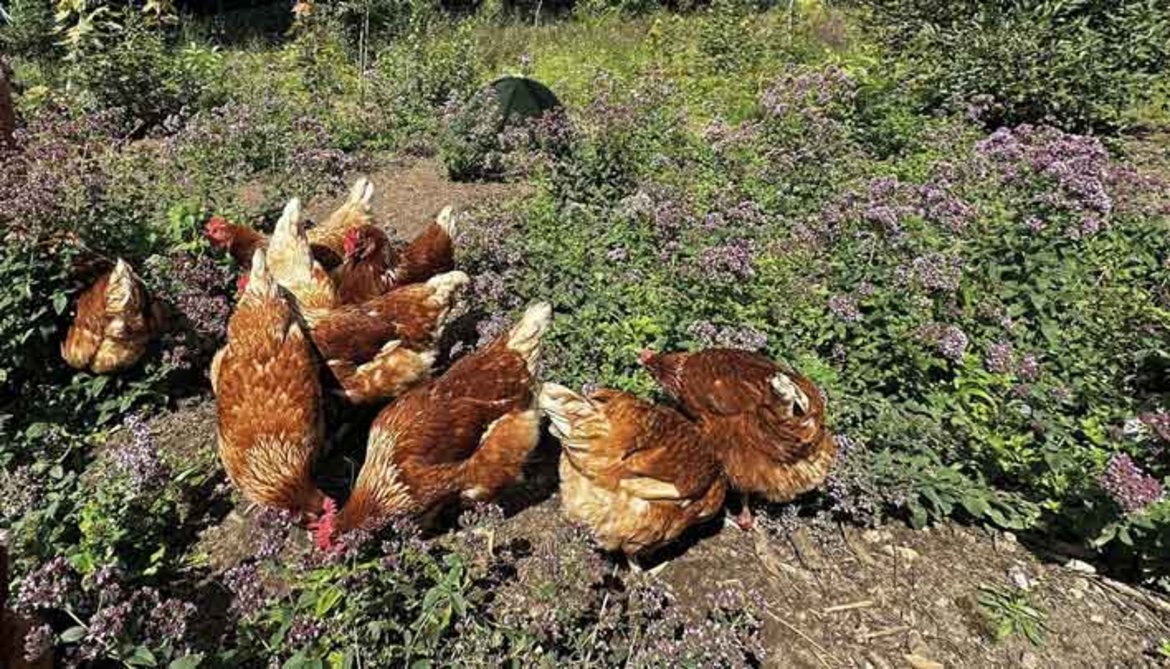
How to tell if an egg is still fresh - and how long eggs stay fresh
Once laid, eggs undergo changes – almost invisible from the outside, but measurable inside.
How to tell if an egg is still fresh
In a fresh egg, the albumen – the egg white – has a thick and viscous consistency firmly surrounding the yolk. With increasing ‘age’, the albumen of an egg develops a more and more watery consistency. This causes eggs to go runny when they are cracked open in a frying pan.
Through the pores in its shell, an egg loses moisture. As a result, the air cell inside the egg increases in size. When using a flashlight on an egg that is kept in an upright position the air cell is clearly visible and also the position of the egg yolk. The further down the yolk is located inside the egg, the older the egg.
What’s the scientific way of describing an egg’s freshness?
Scientifically, freshness is described using the Haugh Unit (HU). A fresh egg reaches HU values between 100 and 72. After 3 weeks of storage, the value should not have dropped below a value of 65.
In a storage experiment at Anhalt University of Applied Sciences, eggs from both young and older hens were stored at a temperature of 20°C. The differences in HU values were quite remarkable.
Older hens tend to lay eggs that have a comparably liquid albumen from the start; they also age faster than those of younger hens. Legislation stipulates, that eggs for sale in supermarkets do not need to be refrigerated for the first 21 days. Since the consumer does not have any information on the age of the hens responsible for eggs they bought, it is safer and commonly recommended to store eggs in a refrigerator at home. An egg with an HU value of 16 still smells completely ‘normal’, but, biologically, it is considered ‘old’. It is recommended to use these eggs for baking only or in dishes in which they are completely cooked.
Contact:
Prof. Dr. Kathleen Schlegel
 © post@marcowarmuthfotografie.de
Let’s Work Together for Our Forests
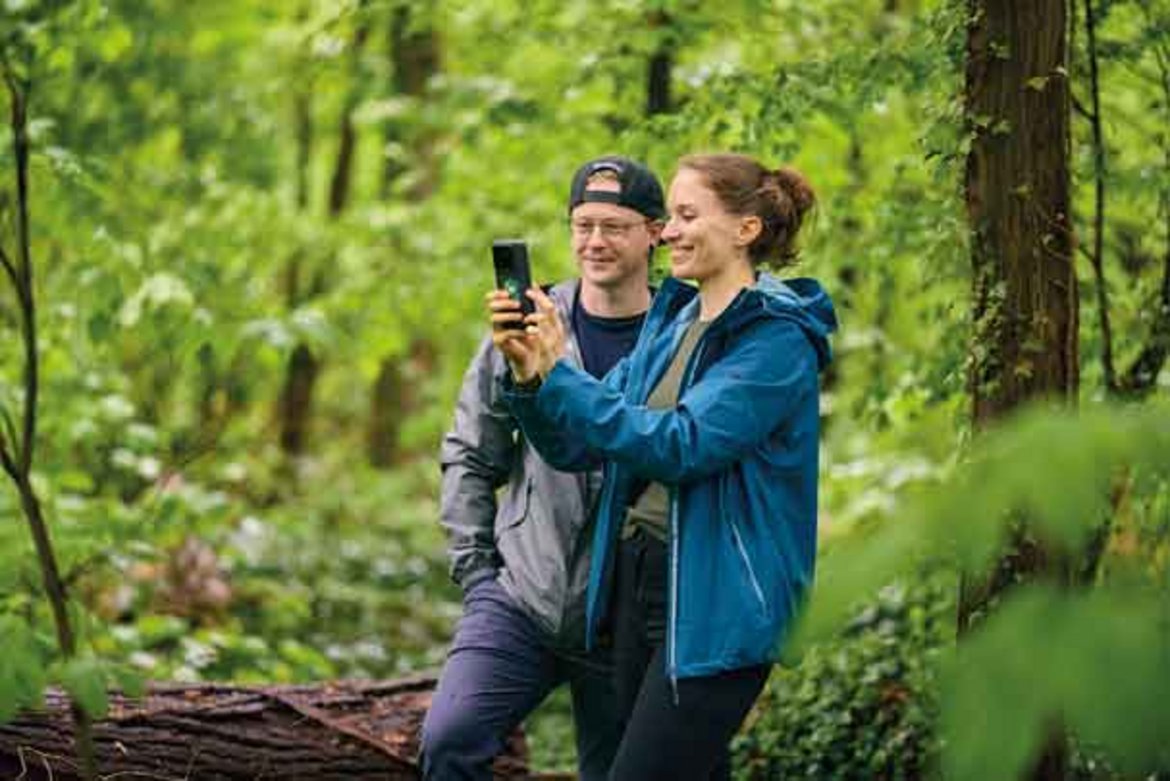
Extra Forest Monitoring Data via Citizen Science & AI-Models. You care about our forests? So do we. Join our project to contribute to forest monitoring.
Forests are currently undergoing significant change — driven both by climate change and active conversion towards more resilient mixed-species stands. With MeineWaldKI, anyone interested in forests can help document these changes by uploading photos, while also expanding their knowledge of forest ecosystems.
What is it about?
MeineWaldKI is a research project at Anhalt University of Applied Sciences, conducted by the research groups of Prof. Dr. Baasch (Landscape Management and Dendrology), Prof. Dr. Hänig (Artificial Intelligence), Prof. Dr. Meyer (National and International Nature Conservation), and Prof. Dr. Groß (Database Systems / Programming). We are exploring the suitability of citizen science and AI-models to record forest structure parameters. We also aim to encourage public engagement and spark interest in forest knowledge. Continuous forest monitoring is essential to keep track of ongoing changes and to ensure this knowledge can be incorporated into forest-related decision-making. Various programmes already provide valuable data on forest developments, but tend to be carried out at relatively long intervals and/or are spatially limited on the base of sample plots. Together, we want to explore if our approach can support existing forest monitoring with additional citizen-science generated data, while also raising awareness of current forest issues.
How to get involved? ?
The MeineWaldKI app guides step by step through taking and uploading forest photos while offering fascinating insights into the forest ecosystem. MeineWaldKI is available free of charge for Android on the Google Play Store (iOS version planned). The app is intended for users aged 16 and over; from age 14 in supervised educational settings. Initial releases will launch with a limited feature set. Over the course of the project, the app will be gradually expanded with additional AI, gamification, and forest-knowledge features.
Contact:
 © Hochschule Anhalt / Uwe Jacobshagen
From Peatland to Building Material
Paludiculture as an agricultural and value-creation strategy
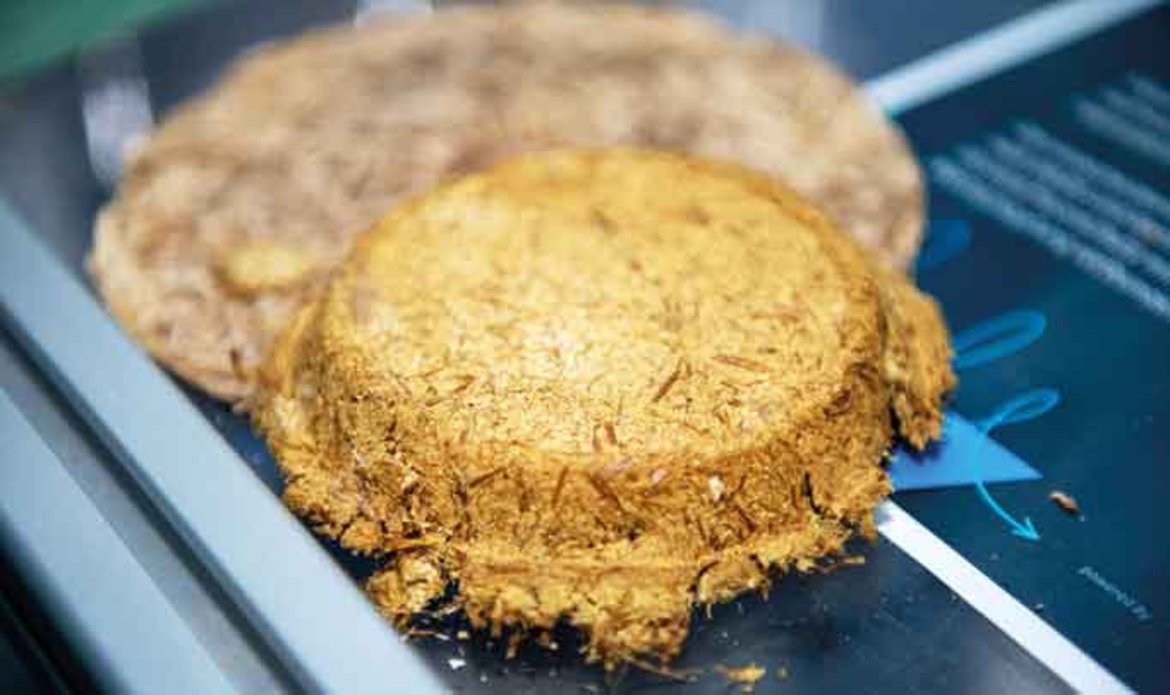
The PALUDI MEDIA LAB explores how biomass from wet and rewetted peatlands can be developed into new raw materials and products. The aim is to combine peatland protection, productive land use and regional value creation.
From Wet Land to Raw Material
Paludiculture enables the productive use of wet peatlands and creates new opportunities for agriculture. Plants such as cattail, reed, sedges and wet grassland species provide renewable biomass that can be processed into fibres, semi-finished products and biobased materials.
From Raw Material to Product
At the PALUDI MEDIA LAB, biomass processing, fibre preparation, material development and testing are considered as one integrated pathway. Applications range from building and insulation materials to substrates and other biobased products.
Outlook
The goal is to establish an integrated value chain: from the peatland through harvesting and biomass processing to market-ready products. In this way, rewetting can be linked to new markets, regional processing and new economic opportunities for rural areas.
Contact