Fuad Ismailzade, 23, is studying "Food and Agribusiness" at the Campus Bernburg of Anhalt University of Applied Sciences and has developed a market strategy for Japan for Wikana. He explains why German cookies need to be advertised differently there and why packaging design determines success or failure.
"Japanese eat cookies differently"
-
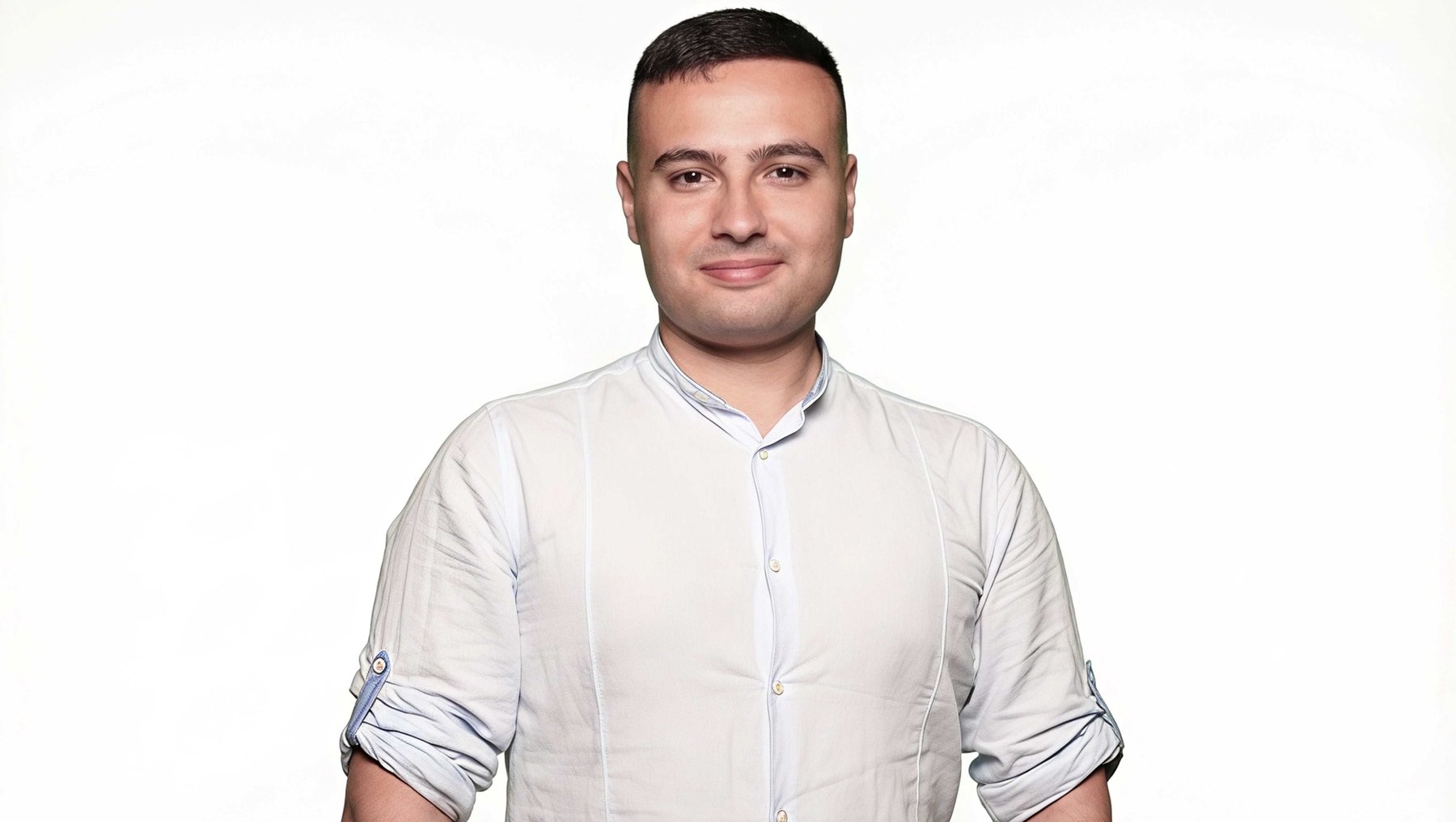 © privat
Fuad Ismailzade, you analyzed the Japanese market for Wikana cookies as part of a project in your third semester. What was your first insight?
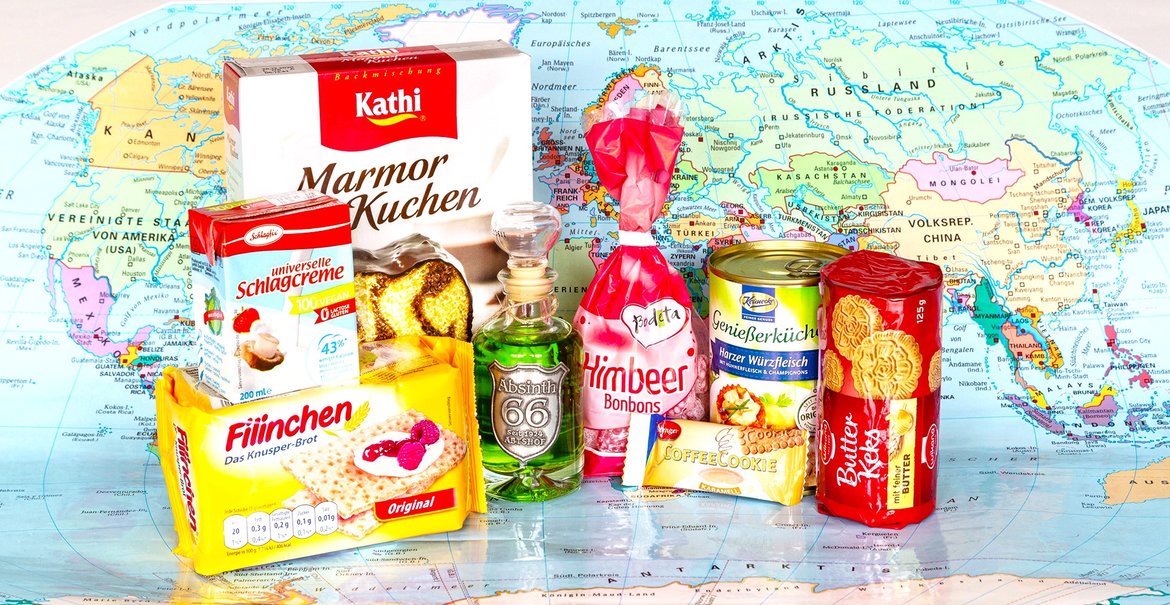
How big the cultural differences are between Germany and Japan. Japan is an economically highly developed country, similar to Germany, but with completely different consumer habits in terms of flavors, packaging sizes and packaging design. The Japanese eat cookies differently. And the competition is strong with brands such as Shiroi Koibito, Glico and Lotte.
What specifically distinguishes the Japanese from the German cookie market?
The Japanese like to eat sweets, but they also value healthy eating and aesthetics. Hygiene also plays a major role, so they prefer small packages made from environmentally friendly materials. The design must be minimalist and exude quality. Food regulations are strict in terms of labeling and ingredients, so the packaging must be carefully examined. And when it comes to taste, the Japanese prefer flavors such as matcha, yuzu, black sesame and adzuki bean.
 © Hochschule Anhalt
Fuad Ismailzade's project work is one of many being produced by students on the international master's degree program "Food and Agribusiness". Anhalt University of Applied Sciences will also be presenting some of the studies and products at the Green Week in Berlin from January 16.
Wikana has been advertising in Germany with tradition since 1906. Does that also work in Japan?
Yes, it certainly does. Consumers in Japan trust foreign brands if they guarantee quality and safety. This is also supported by more than 100 years of tradition.
What practical hurdles did you encounter during your research?
When negotiating, politeness and respect are important. Criticism is formulated very carefully and indirectly. It also takes time and patience to build trust. You have to take into account that decisions often take longer than in Europe.
Hand on heart: Should Wikana export to Japan or should it stay there?
Definitely yes. The potential for imported confectionery is huge, and we have developed a strategy to overcome the hurdles and risks that Wikana faces. It is not only the tradition and quality of Wikana's products that speak in its favor, but also its ability to adapt to new products.
Information and contact
Fuad Ismailzade, 23, comes from Russia and at the time of the project work was studying in the 3rd semester of the Masters "Food and Agribusiness" at Anhalt University of Applied Sciences. He speaks several languages of instruction and can imagine a career in a company exporting, for example, animal feed from Germany to Eastern European or Asian markets.
More information can be found on the website of the "Food and Agribusiness" degree program: https: //www.hs-anhalt.de/studiengaenge/mfa.html
The degree program was shaped by Prof. Dr. Elena Kashtanova. For more than 25 years, she has been putting together "Global Team Projects" to develop export strategies for regional companies and introduce students to global markets. A portrait: https://www.hs-anhalt.de/hochschule-anhalt/aktuelles/neuigkeit/zwischen-campus-und-weltmarkt-1.html
You can find out which projects will be presented at the Green Week in Berlin on the Anhalt University of Applied Sciences trade fair website: https: //www.hs-anhalt.de/hochschule-anhalt/aktuelles/fachmessen/gruene-woche.html
Kontakt
Bettina Kranhold
RedaktionClaudia Aldinger
Information on the "Food and Agribusiness" degree program: https: //www.hs-anhalt.de/mfa
"Between campus and world market". Portrait of Prof. Dr. Elena Kashtanova: https://www.hs-anhalt.de/hochschule-anhalt/aktuelles/neuigkeit/zwischen-campus-und-weltmarkt-1.html
