Data from Anhalt University of Applied Sciences shows when heat becomes a source of stress for grazing cows. The respiratory rate of cows grazing in pastures was highest during the afternoon hours. Prof. Dr. Heiko Scholz of Anhalt University of Applied Sciences determined this using digital technologies.* His central question was: How good are pasture-raised cows at coping with the new climatic conditions, and at what point do they begin to feel uncomfortable?
Agriculture in the Era of Climate Change: Heat Stress in Suckler Cows on Pasture
-
 © ZAKIR/stock.adobe.com
How Do Mother Cows React to Heat? The Project at a Glance
Why This Research Topic Is Important
Heat waves are set to increase in Europe. As a result, grazing animals will be exposed to stronger solar radiation and more frequent temperatures above 30 degrees. To date, there have been only a few studies on this topic under German climatic conditions. Farmers, however, rely on concrete data to recognize stress in a timely manner and respond appropriately—especially since they are increasingly faced with demands to prioritize pasture grazing for the sake of animal welfare. Such scientific findings also provide an important basis for regulatory inspections.
What the research has shown (so far)
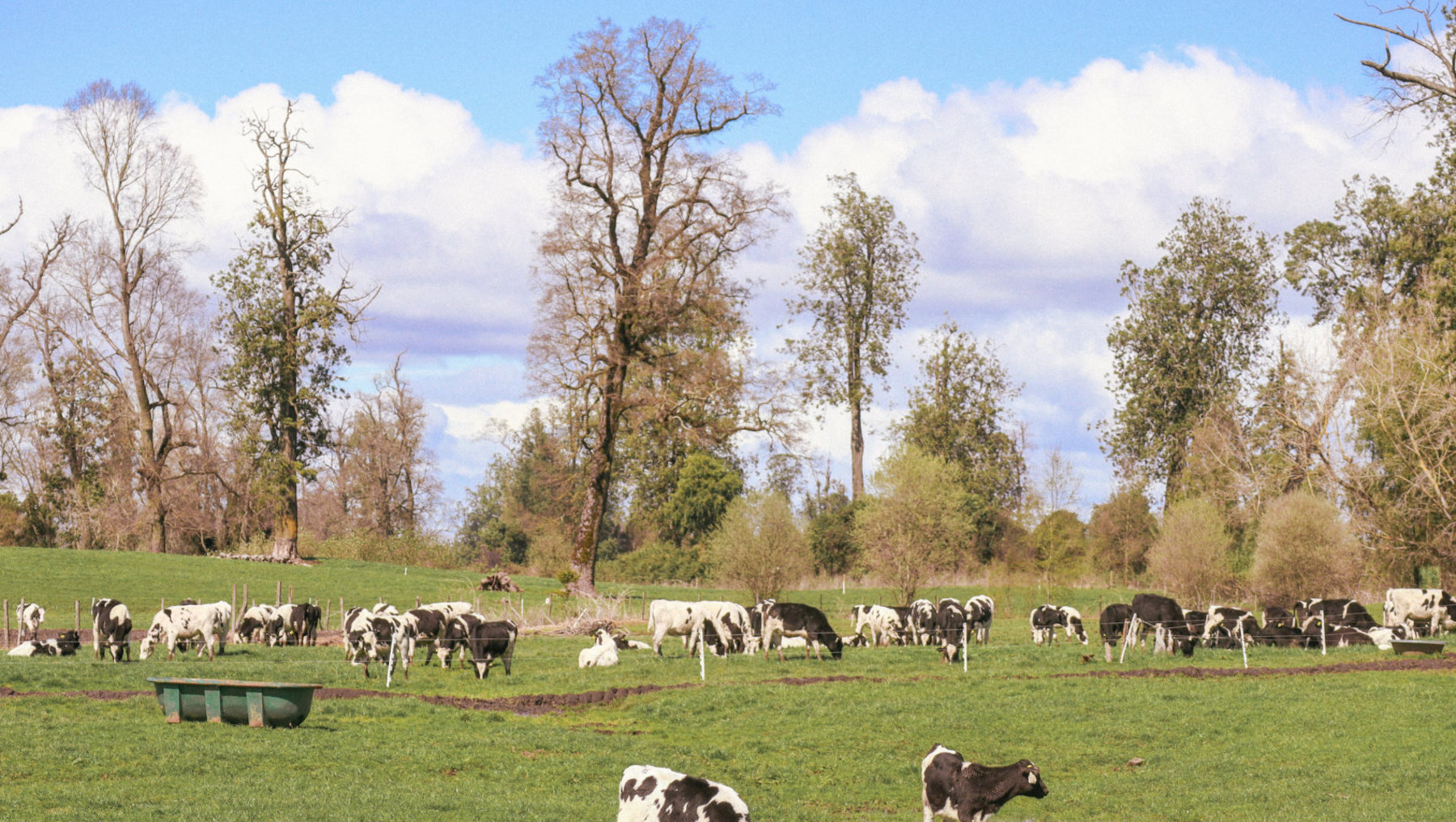
Between May and September 2024, Prof. Dr. Heiko Scholz conducted the first-ever study of 45 mother cows and their calves on pasture using various indicators: from body surface temperature and grazing behavior to fecal and urinary parameters. Respiratory rate was the key indicator for detecting heat stress. It was highest during the afternoon hours, meaning the animals struggled most with the heat at that time. This was evident both from direct observation of the animals at various times of day and from monitoring data collected by digital sensors. Ten cows were additionally monitored for 24 hours using a sensor collar.* Among other things, this revealed that they altered their feeding behavior during periods of heat and increasingly grazed on the pastures even at night.
How the Results Can Be Used
The study already points to important indicators and consequences of heat stress. The research will continue next year, and the findings will be supplemented with additional data. To reduce heat stress for grazing animals, the following measures for adapted pasture management can be formulated:
- young forage, which allows the cow to produce less heat during rumination
- an adequate water supply with short distances for the cows to reach it
- airy areas with plenty of wind circulation for cooling
Prof. Dr. Heiko Scholz will present his results and findings for the first time at the “Eurotier” trade fair, taking place November 12–15, 2024, in Hanover: https://www.hs-anhalt.de/hochschule-anhalt/aktuelles/fachmessen/eurotier-2022.html
-
 © hs anhalt
-
 © HS Anhalt
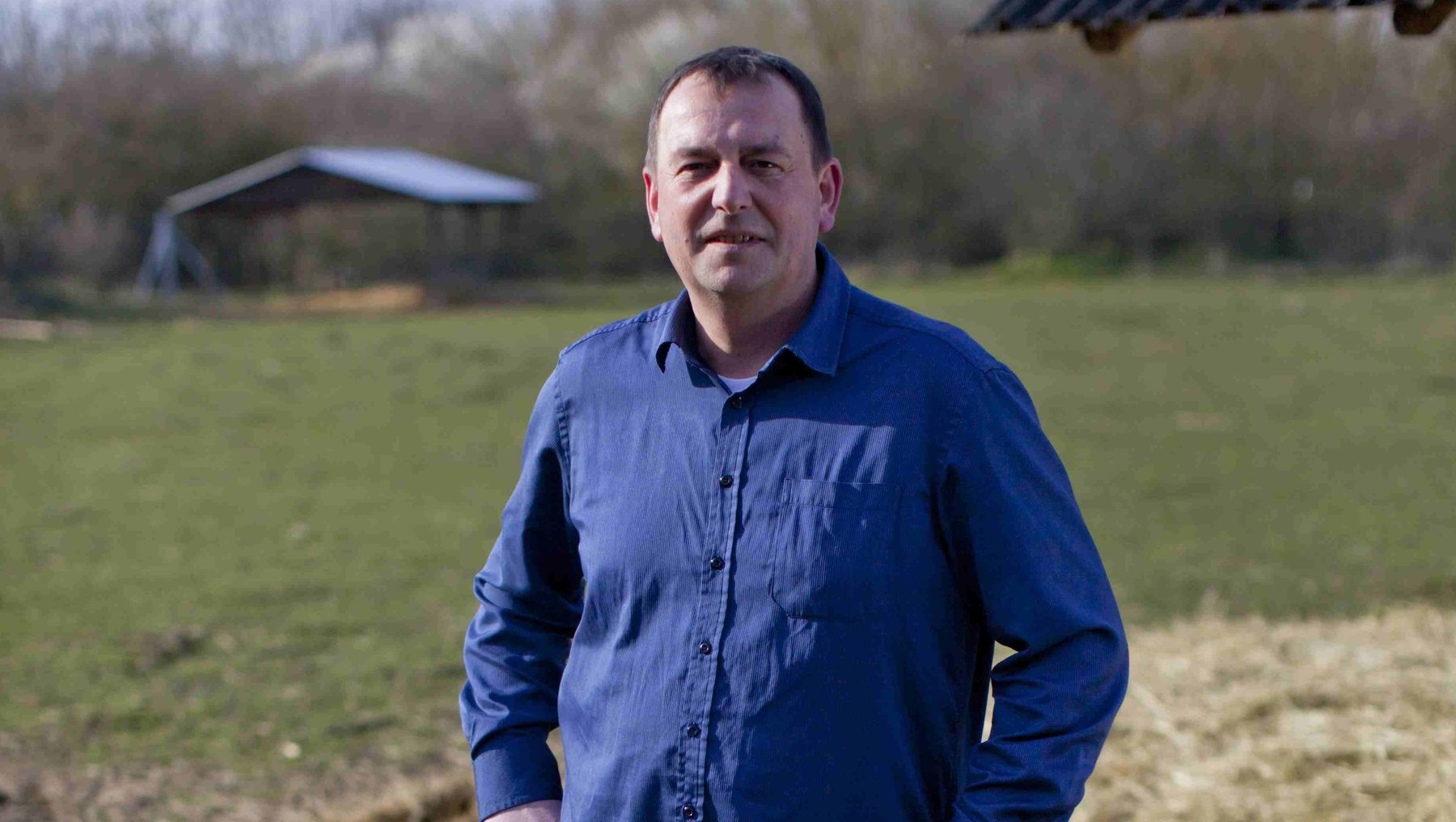
Prof. Dr. Heiko Scholz is actively involved in teaching, research, and knowledge transfer at Anhalt University of Applied Sciences. He shares the findings from his projects through lectures, workshops, and at trade shows.
Research on Agriculture: An Outlook with Prof. Dr. Heiko Scholz
Professor Scholz, how did you come up with the topic for your study?
The questions came directly from the field. Anhalt University of Applied Sciences is one of the few institutions conducting research on beef cattle at all. And since I give many lectures in German-speaking countries, the topic was brought directly to me.
Why is it so important to collect sufficient data on cows? Isn’t there enough practical experience regarding animal welfare?
No serious farmer would let his animals suffer. He wants to know what he can do to prevent that. The question is: at what point do the cows start to experience stress, and do I need to go out to the pasture at 9 a.m., noon, 3 p.m., or 6 p.m. to check if the cows are doing well? And this under new conditions for which there is hardly any empirical data. We want to help ensure that well-informed decisions can be made—and, if necessary, justified.
Do you think that, with the right measures, pasture-based farming will still be possible despite climate change?
Yes, I do. I’ve often discussed the key measures needed to achieve this in my presentations. In light of climate change, the pressure to implement them is growing. Adaptation is the crucial step toward ensuring that ruminant farming can continue as a vital component of preserving our cultural landscape.
Prof. Dr. Heiko Scholz...
- He has been teaching and conducting research at Anhalt University of Applied Sciences since 2008 in the field of animal production and the economics of animal production.
- He has close ties to both the academic and practical aspects of agricultural economics: as a skilled worker in crop production, a state-certified technician in agricultural science, and a graduate of the agricultural studies program at Anhalt University of Applied Sciences.
- After a three-year research fellowship at the Saxony-Anhalt State Teaching and Research Institute for Animal Production and Technology in Iden-Rohrbeck, he earned his Ph.D. in Agricultural Sciences at the Institute for Animal Breeding and Animal Husbandry with Veterinary Clinic at the Faculty of Agriculture of Martin Luther University Halle-Wittenberg.
- For his current research, he also works closely with the State of Saxony-Anhalt’s Teaching and Research Institute for Animal Production and Technology in Iden-Rohrbeck, including on the project regarding heat stress in dairy cows.
- He will also present study results on these topics at this year’s “Eurotier” trade fair:
- Assessment of the LCS in dairy cows (effects of animal- and environment-related factors on lameness in cows)
- Winter outdoor housing of suckler cows
- Mineral supplementation in sows
Further articles on Prof. Dr. Heiko Scholz’s research on the Anhalt University of Applied Sciences’ Climate Blog:
Agriculture and Climate Adaptation: Why Farms Need Holistic Solutions for Livestock Management
How much methane does a cow emit?
Redaktion
Prof. Dr. Heiko Scholz
... can be reached for questions and inquiries by phone at +49 (0) 3471 355 1178 or by email at heiko.scholz(at)hs-anhalt.de
Cover image: ZAKIR/stock.adobe.com
*The research was part of a project funded in 2024 by the Ministry of Science, Energy, Climate Protection, and the Environment.
