She is a foodie, but has always been interested in the Business Studies aspects of food. Jana Oehler gives an insight into the Master's degree program Food and Agribusiness (courses taught in English and German) at possibly the most beautiful campus in Germany.
About the love of food
-
 © Hochschule Anhalt/Uwe Jacobshagen
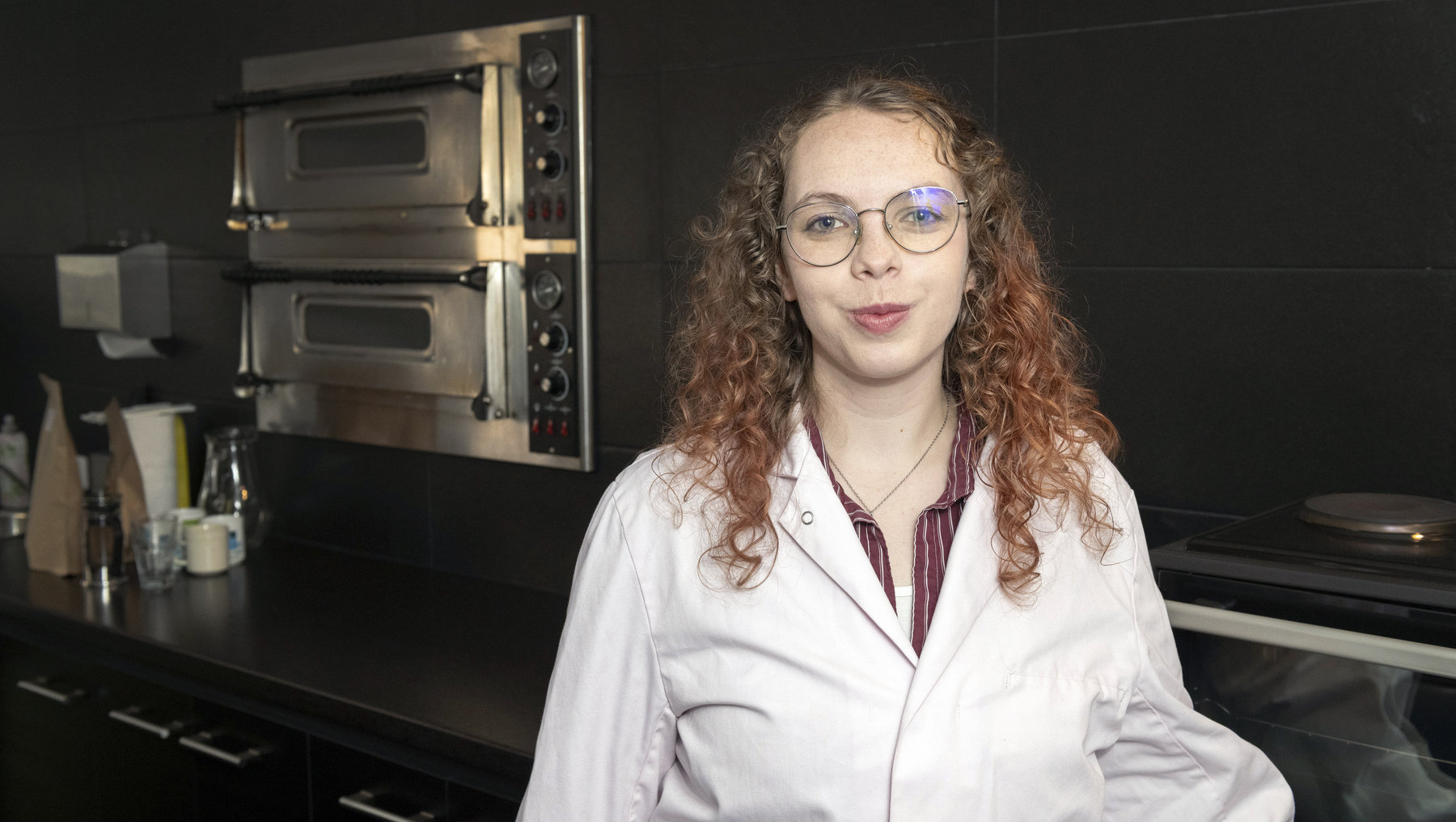
Food has always been her thing. She likes baking and eating, preferably healthy food. However, Jana Oehler (23) is not only interested in how the body processes food, but also in Economics and social aspects: How can you earn money with food? How can it be processed gently so that it remains healthy? How do food trends emerge and how can cool marketing be achieved without greenwashing? This is what she studied on her Master's degree in Food and Agribusiness (courses taught English and German) at Anhalt University of Applied Sciences. Now she can put her know-how into practice. Among other things, she is working on expanding the product range for a company in Halle.
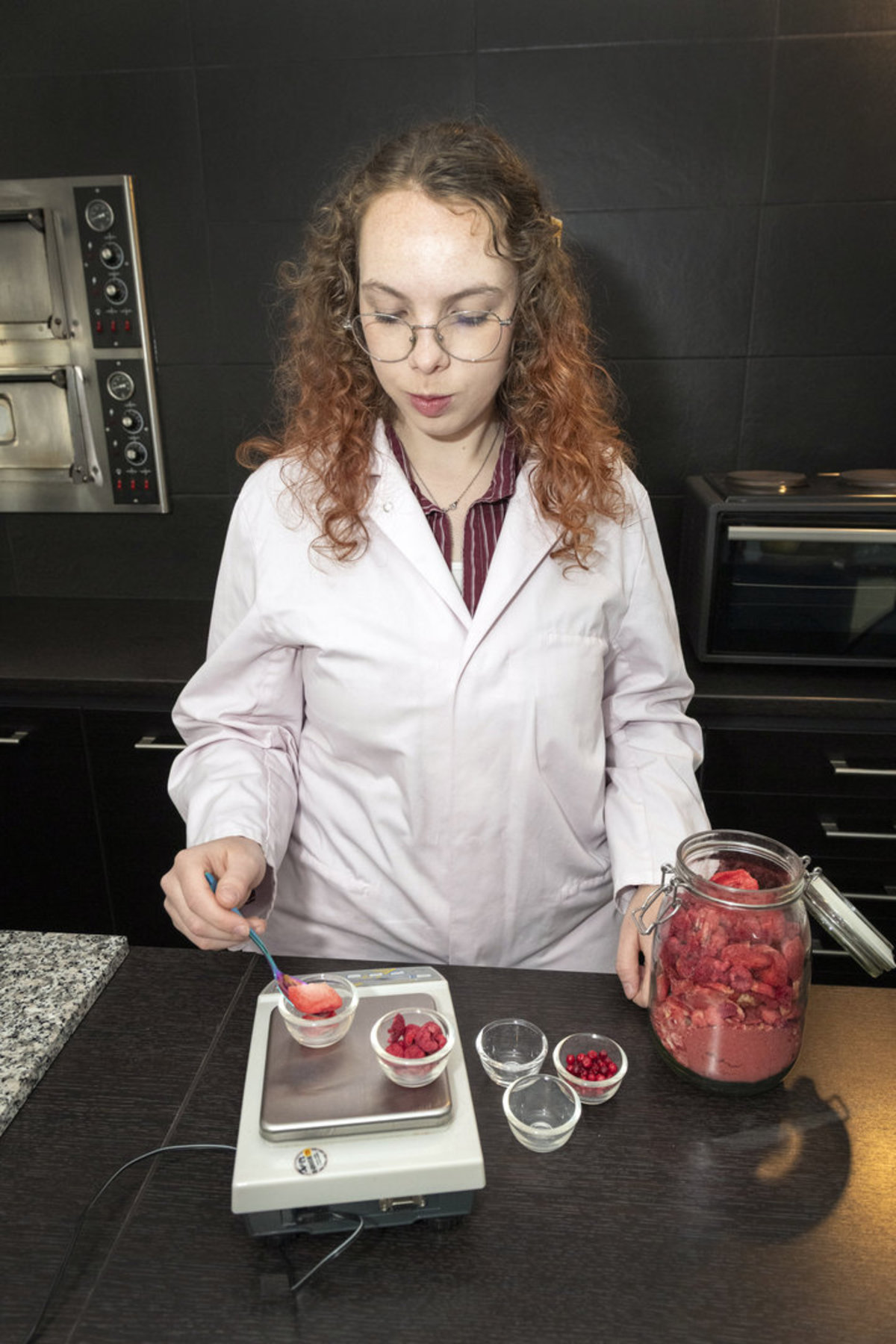
It offers freeze-dried fruits such as strawberries and raspberries as ingredients for muesli, smoothies etc. The company aims to set a counter-trend to refined foods with its products, largely dispensing with preservatives, colorants and, above all, sugar. The products have long since ceased to be an insider tip and have conquered the shelves of food retailers. They are now also available in discount stores and Jana Oehler has experienced at first hand what it means for a relatively small company to negotiate gigantic margins. "Exciting, but also stressful!" she sums it up.

"The course is international, my fellow students came from Ukraine, Iran, Indonesia and the Philippines - that was good for me."
Jana Oehler
Green campus, inspiring teaching staff
A love of food combined with business studies - these two factors were the deciding factors in her decision to study "Agriculture and Nutrition - Food Management" at the University of Cooperative Education in Dresden after graduating from high school. "The mix of theory and practice was great for me, and I also thought it was great to earn money while studying," says Jana. For her Master's degree, she came to Anhalt University of Applied Sciences, probably the most idyllic campus in Germany.
Where the Ducal Anhalt Experimental Station was founded at the end of the 19th century to improve beet cultivation and the beautiful Campus Bernburg-Strenzfeld Gardens were laid out in the 20th century, is home to the green Department of Agriculture, Ecotrophology and Landscape Development. "Everyone knows everyone there, there's a friendly, informal atmosphere," enthuses Jana. "The course is international, my fellow students came from Ukraine, Iran, Indonesia and the Philippines - I liked that. We were a small group of just under twenty people and we motivated each other." Because yes, the Master's course was definitely demanding. "However, we received great support from the teaching staff. I was inspired by my professor Elena Kashtanova - sometimes my head was spinning in the seminars, but she is so overwhelming with her expertise. An inspiring role model for many and for me too."
Out of the cozy corner and into the wide world
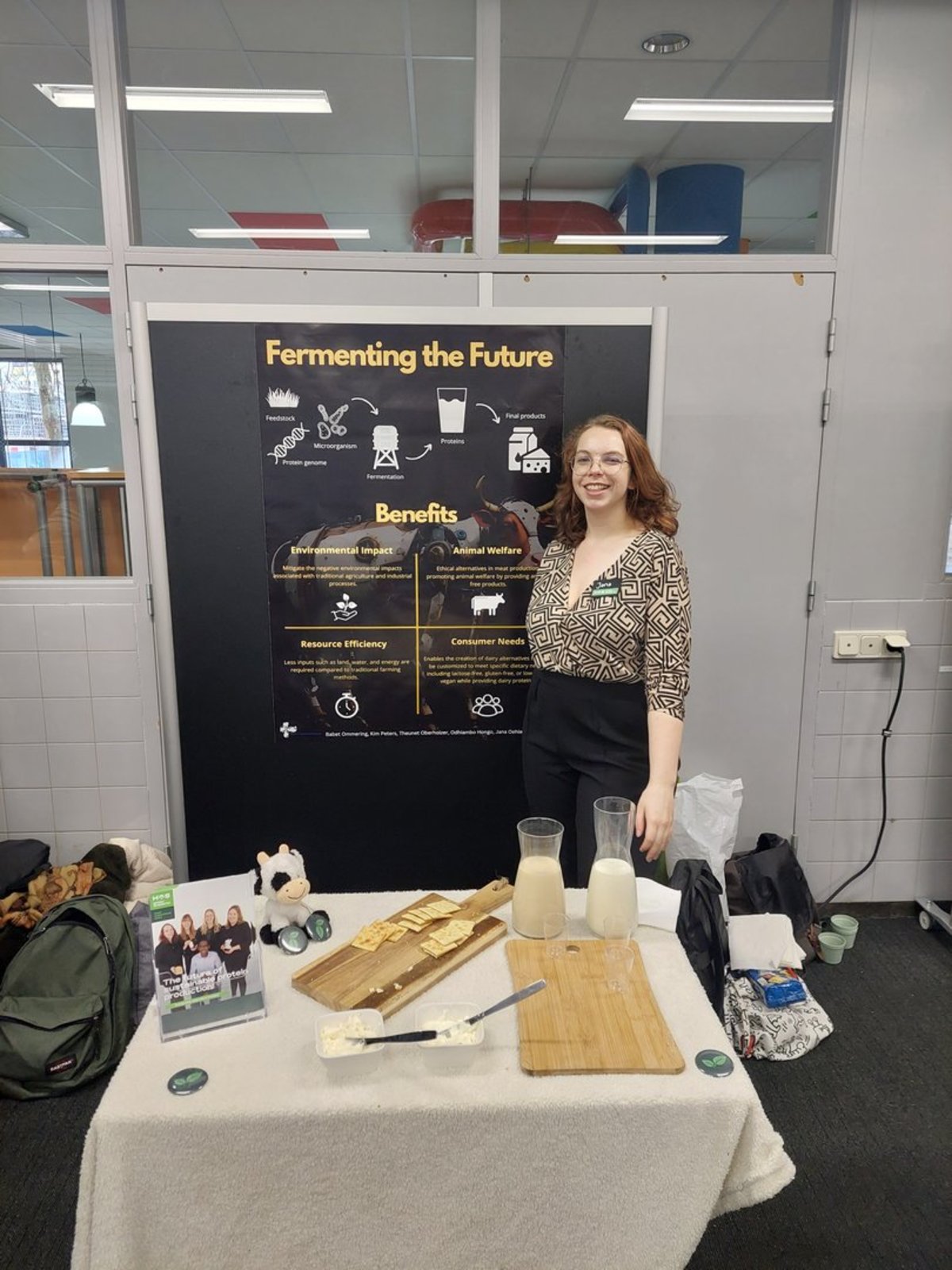
As cozy as it was for Jana to study in Bernburg, she was drawn out into the world. She spent an ERASMUS semester in 's-Hertogenbosch in the Netherlands. There she studied at the HAS Green Academy, a university with a mission: healthy and sustainable food. "It was quite an adventure to organize this stay abroad," she says. Together with a fellow student from Bernburg, she looked for an apartment in 's-Hertogenbosch. "Unfortunately, we had to learn the hard way, we fell for a scam and when we ended up in a real apartment, we didn't really feel comfortable. Luckily, we ended up living with fellow students in a shared flat with 16 people, which was also a special experience that I look back on with great fondness."
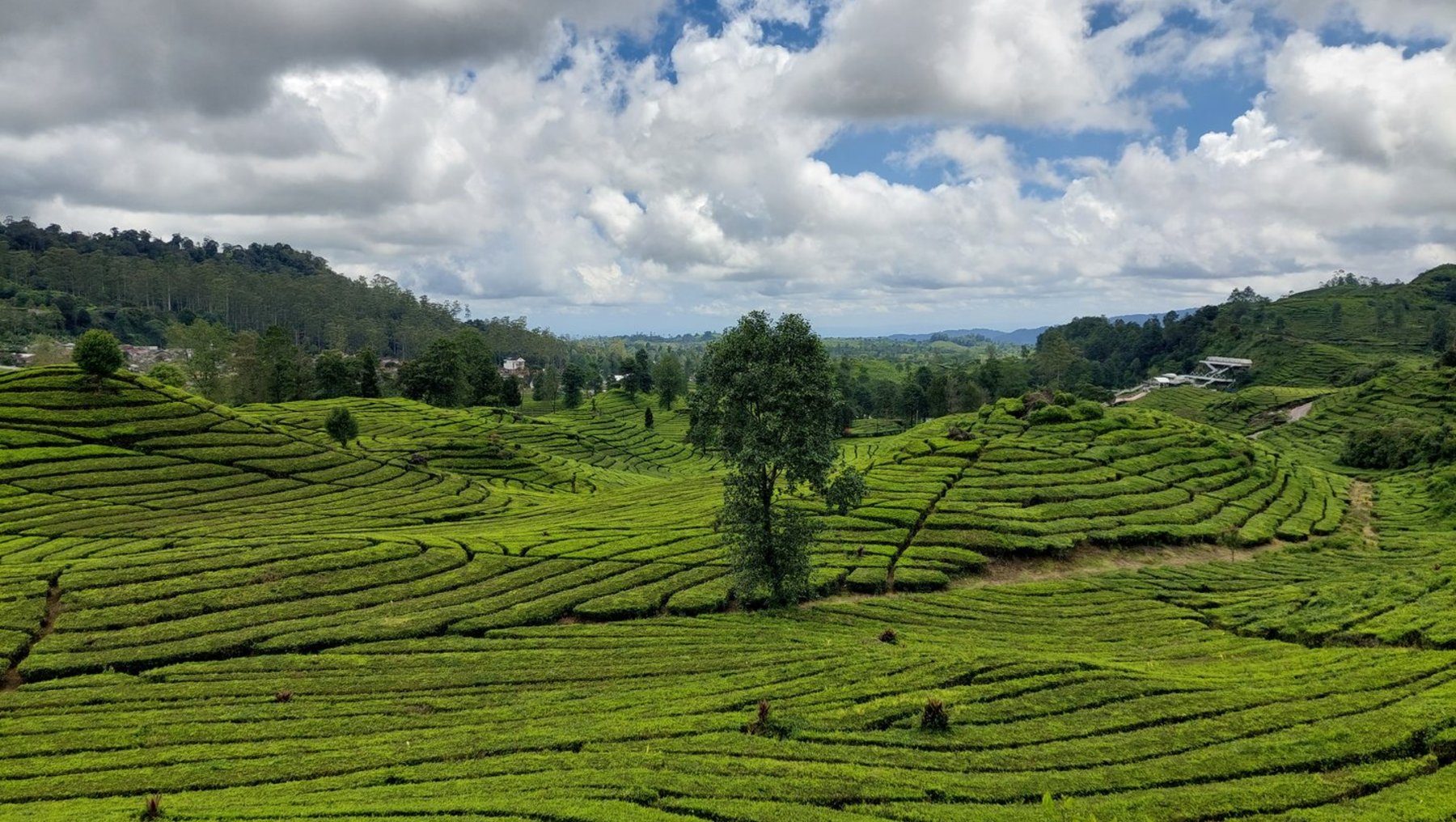
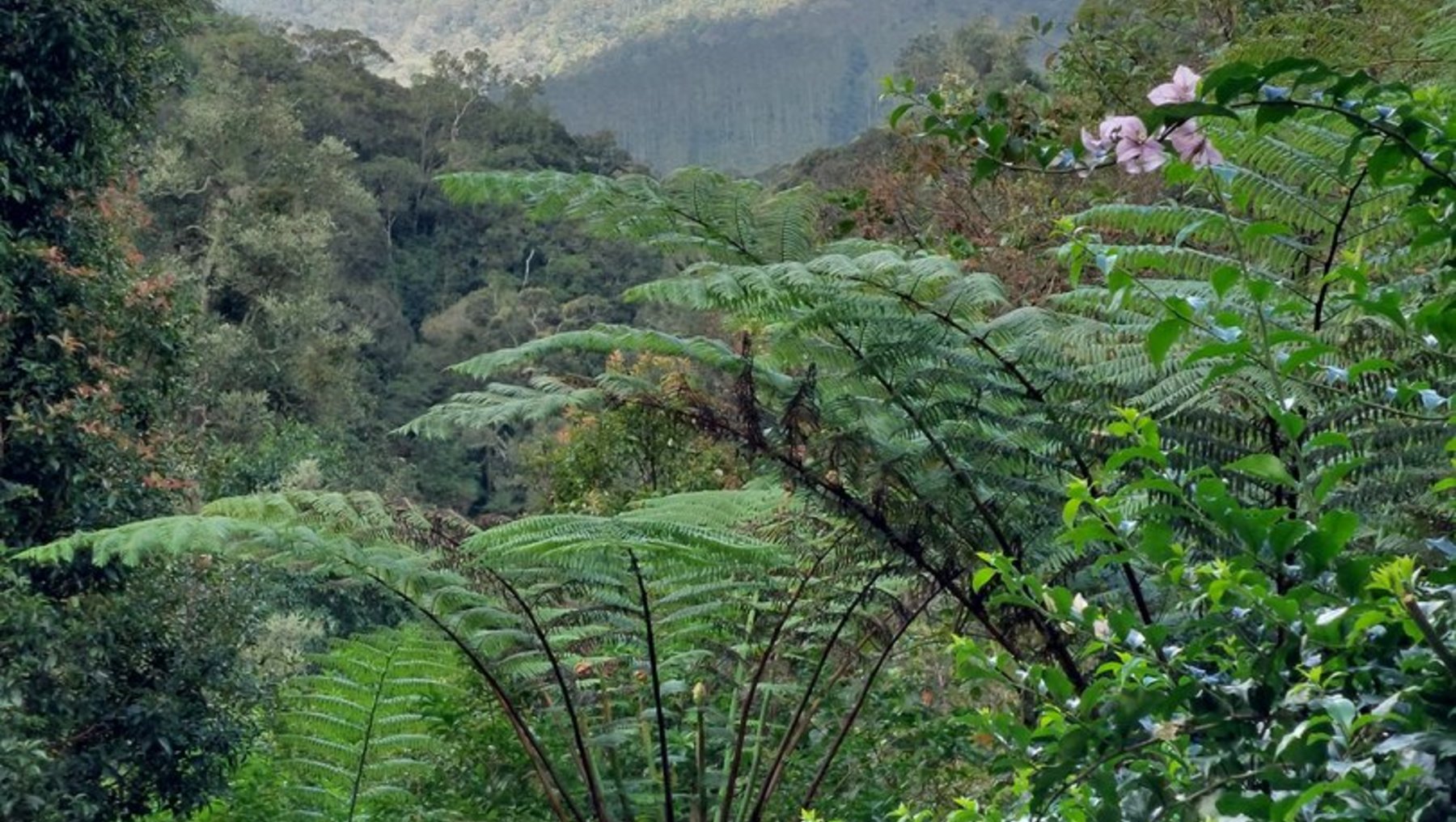
Jana packed her bags again for her Master's thesis. She found out about a stay in the USA from Professor Marcus Marktanner at the Future of Food conference, an annual event organized by students on the Food and Agribusiness (courses taught in English and German) master's degree program. Marktanner teaches economics and international conflict management at Kennesaw State University in the USA, but is also involved in Indonesia, where he holds seminars on market economics. However, he recommended the economic and cultural center of Indonesia, the metropolis of Jakarta, to her. She did some research and liked the idea of discovering a new cultural environment in a mega-city. She wrote her Master's thesis in the field of food security at Universitas Prasetiya Mulya, supported by a PROMOS scholarship. The 23-year-old also has fond memories of her time in Southeast Asia: "I found society in Indonesia to be very helpful and friendly. I also found it interesting how traditions play a role in everyday life in a very relaxed way. I was there when a new professor was appointed - there was a spectacular ceremony with traditional dances and gamelan music. I've never experienced anything like it here."
Back from the big wide world, Jana set about finding a good job in the food industry. For her, good means products that are not highly processed, ideally without sugar and additives. "Delicious things can also be healthy," she says. "We're a small team, I'm not a number here, if I have any questions, I just knock on my boss's door - everything is uncomplicated and respectful. I have the feeling that I can make a difference here."
-
 © Hochschule Anhalt/Jana Oehler
-
 © Hochschule Anhalt/Jana Oehler
-
 © Hochschule Anhalt/Jana Oehler
-
 © Hochschule Anhalt/Jana Oehler
Kontakt
Redaktion
Katja Wallrafen
The application phase for the Master Food and Agribusiness (courses taught in English and German) begins on March 15.
