News-Detail

Algal Biotechnology in College: Working as a Student Research Assistant

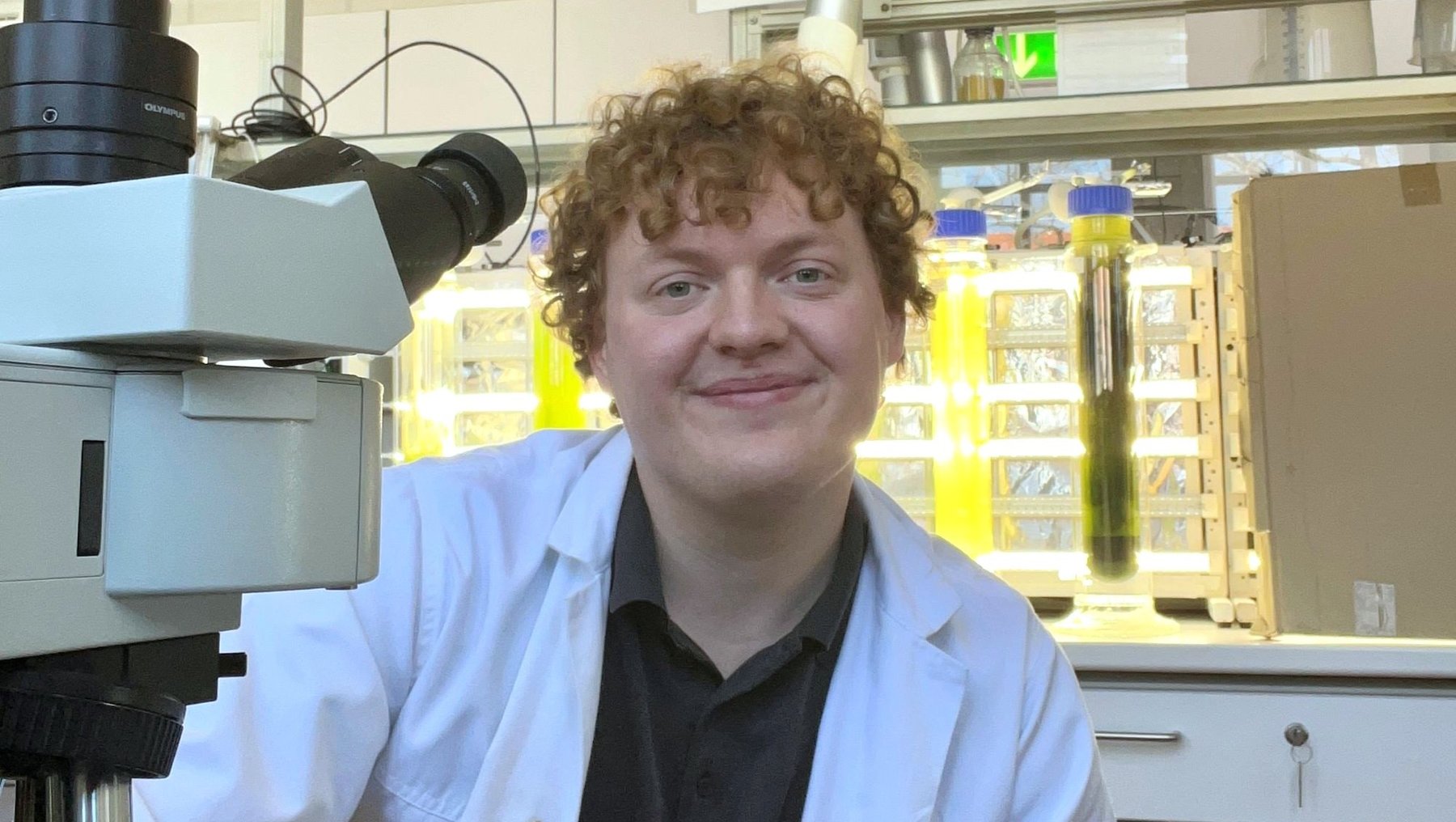
  • Ein lächelnder Mensch mit kurzem lockigen Haar und weißem Laborkittel steht vor einem Mikroskop in einem Labor. Im Hintergrund sind Regale mit Algenröhren und Laborgeräte zu sehen. © hochschule anhalt
    Max Weidemann im Labor der Algenbiotechnologie an der Hochschule Anhalt in Köthen.

Anyone looking for a degree program that combines biology with engineering will quickly find themselves in the Biotechnology degree program at Anhalt University of Applied Sciences. At the Center of Excellence for Algal Biotechnology within the Department of Applied Biosciences and Process Engineering, students can engage in hands-on research even while they’re still in school, tackling topics ranging from food production to the extraction of natural dyes.

Max Weidemann is about to graduate in his eighth semester of Biotechnology. For the past two years, he has been working as a student assistant in Prof. Dr. Carola Griehl’s research group. In this interview, he explains how he got started, what motivates him every day, and why he hopes that algae will also shape his future career path.
Mr. Weidemann, what led you to study Biotechnology at Anhalt University of Applied Sciences?

After graduating from high school, I was looking for a degree program that would both match my interests and offer good career prospects. While searching for a program that combined biology with an engineering focus, I came across the Anhalt University of Applied Sciences website relatively quickly. This was probably also because I’m from Saxony-Anhalt. Since it was already September at that point, I was especially pleased that the application period lasted until just before the start of the semester. This allowed me to apply on short notice, and just a few weeks later, I was sitting in my first lecture without any problems.

How did you come to work as a student assistant at the Algal Biotechnology Competence Center?

I was interested in this kind of work right from the start of my studies. When Prof. Dr. Carola Griehl mentioned in a class during my fourth semester that there was an opening in her research group, I spoke to her about it right away. What I found particularly interesting even at that early stage was that they did a lot of work with algae there. After a brief conversation and further discussions with her staff, I was hired two weeks later.

Describe a typical workday. What exactly happens during that time?

My workdays are very varied and have continued to evolve over time. While I initially focused mainly on cleaning, sorting, and tidying up, I was gradually trained to take on more challenging tasks. These included preparing culture media, setting up culture vessels, and monitoring ongoing cultures. Later, I began operating various measuring instruments and performing different analytical methods.

What surprised you?

I was particularly surprised by how diverse the properties and components of algae are and by the numerous possible applications that result from them.

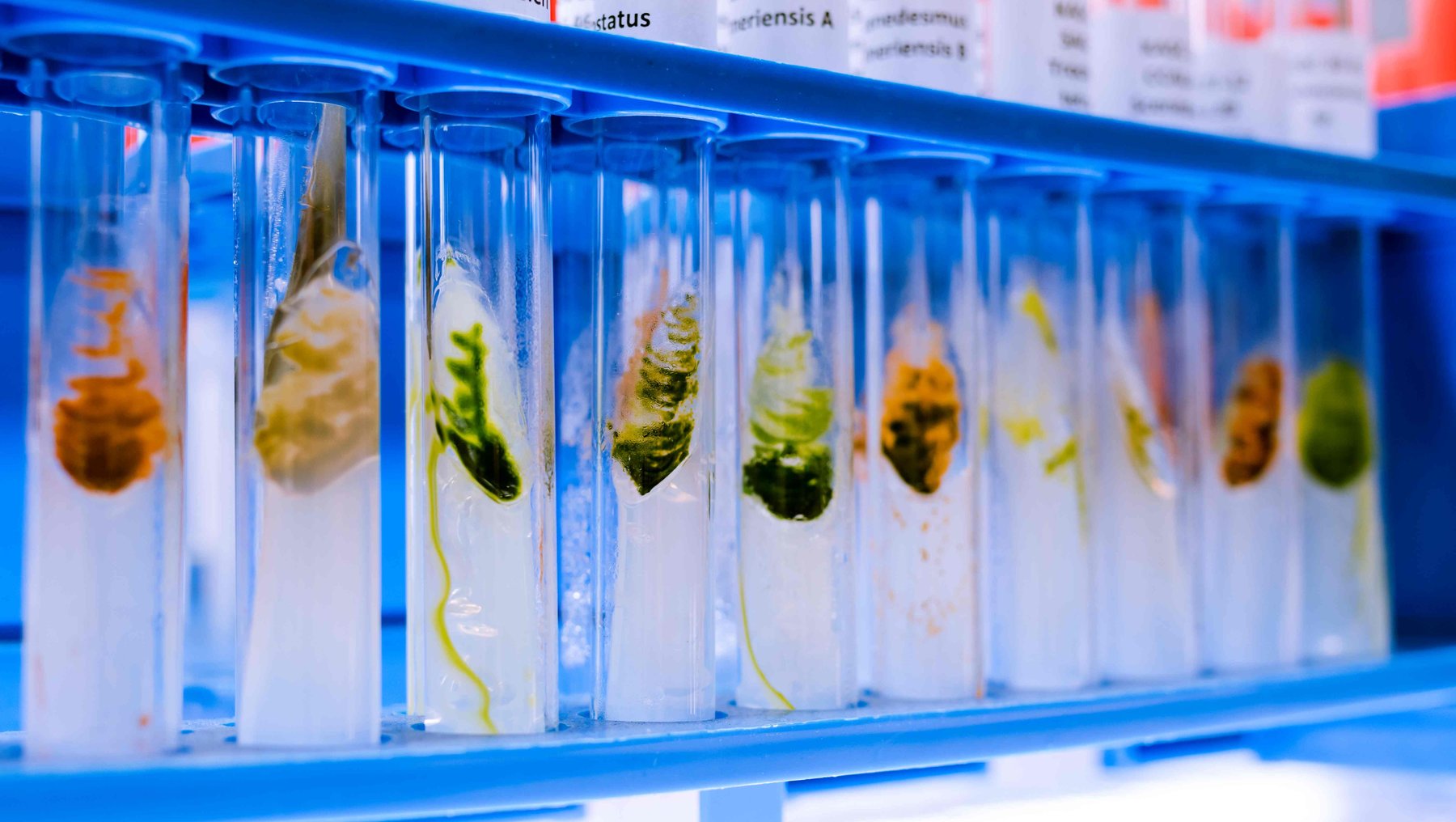
  • Symbolbild Algen in Wissenschaft und Wirtschaft zeigt Reagenzgläser mit verschiedenfarbigen Inhalten aus der Algenbiotechnologie der Hochschule Anhalt © HS Anhalt
    Microalgae in Research, Teaching, and Technology Transfer: This topic plays an important role for Anhalt University of Applied Sciences both now and in the future.
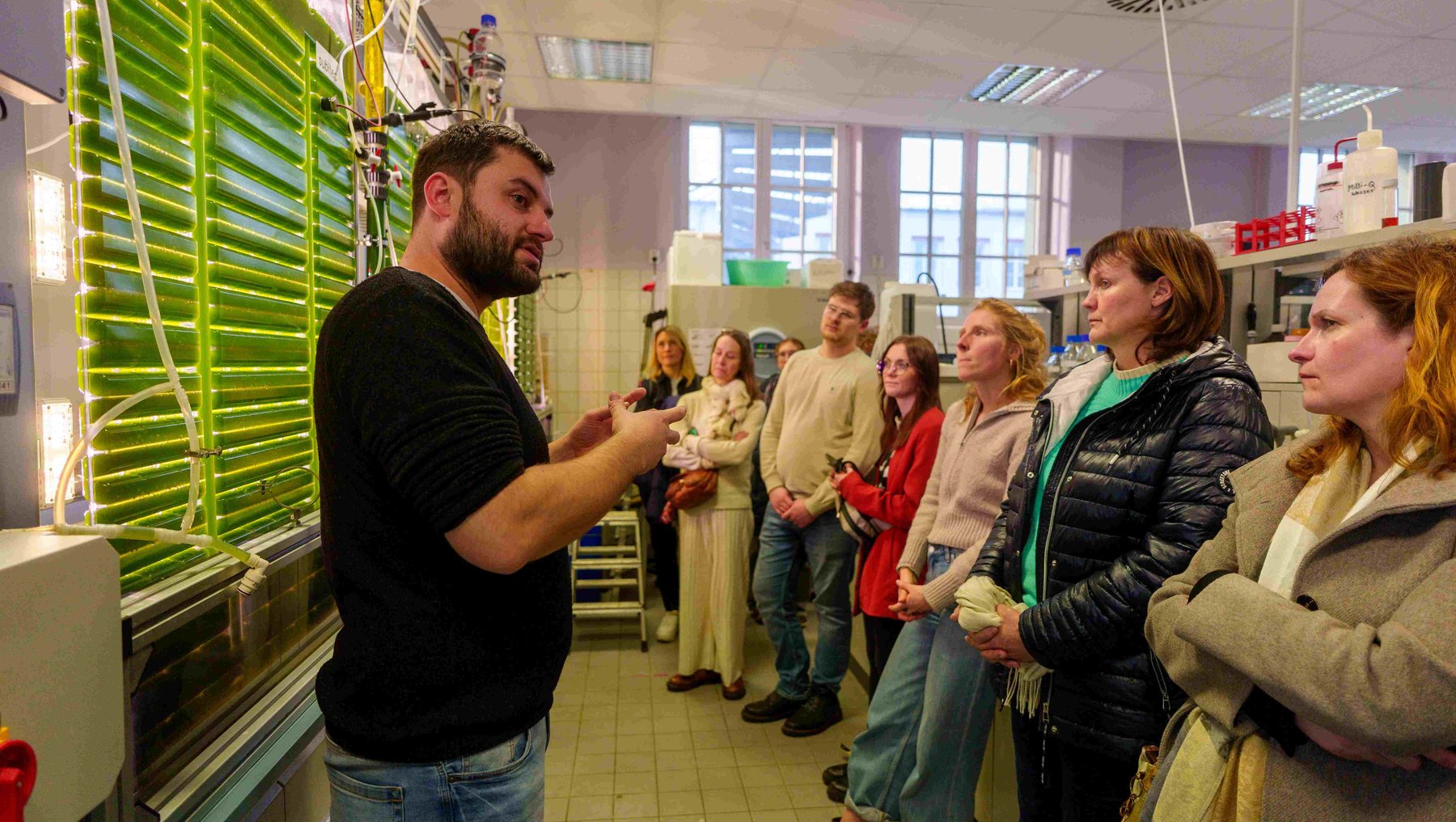
  • Gruppe von Personen in einem Labor zeigt Auftakt des Netzwerks Algahub und Präsentation eines Algenbioreaktors zur Produktion von Algen-Öl © hs anhalt
    Dr. Christian Kleinert erklärt das an der Hochschule Anhalt entwickelte "Milking-Verfahren" zur Gewinnung erdölähnlicher Stoffe aus Algen.
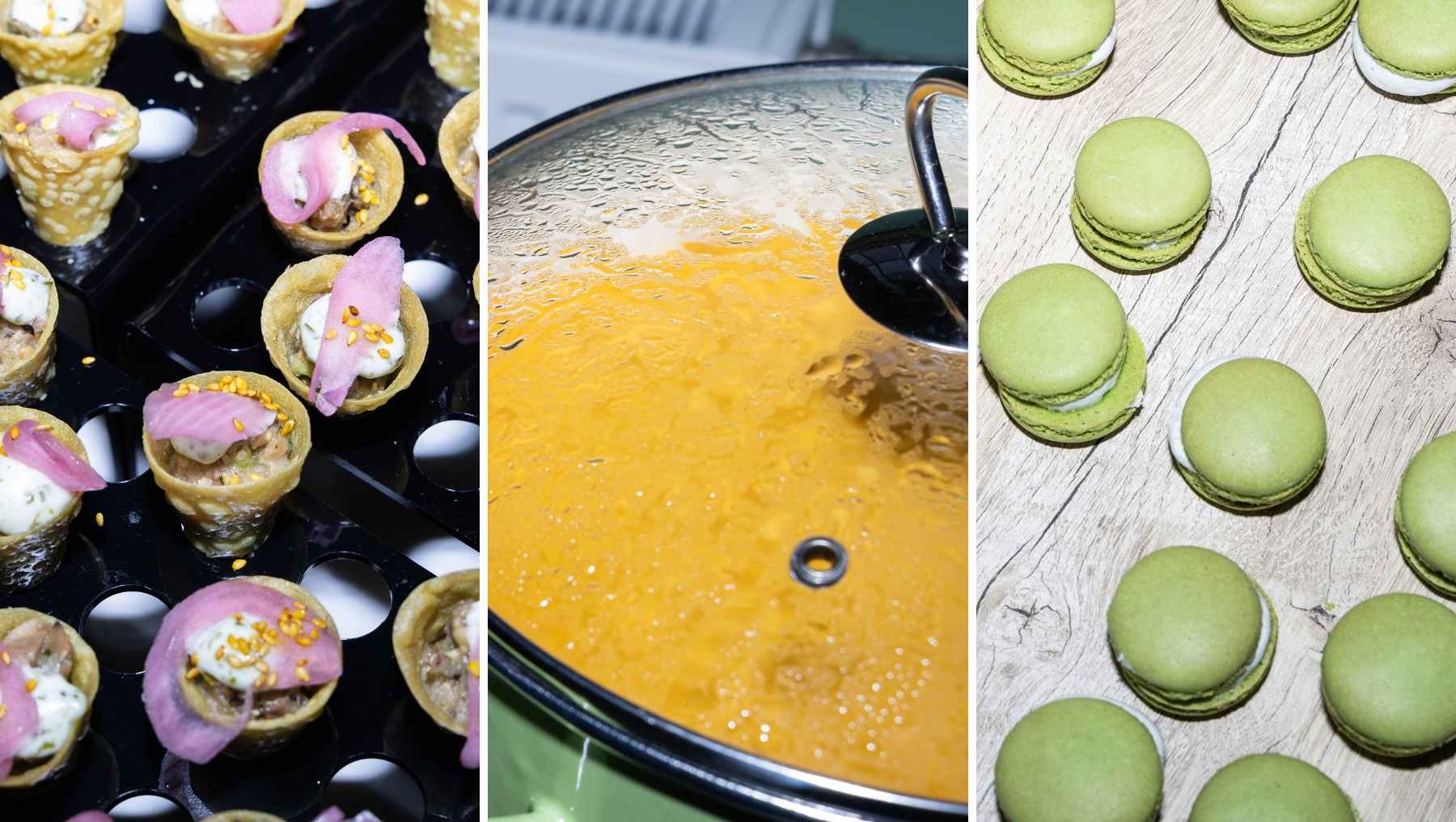
  • Foto zeigt verschiedene Gerichte auf der Basis von Algen © HS Anhalt
    Kulinarik aus Algen: fester Bestandteil der Mitteldeutschen Algenstammtische.
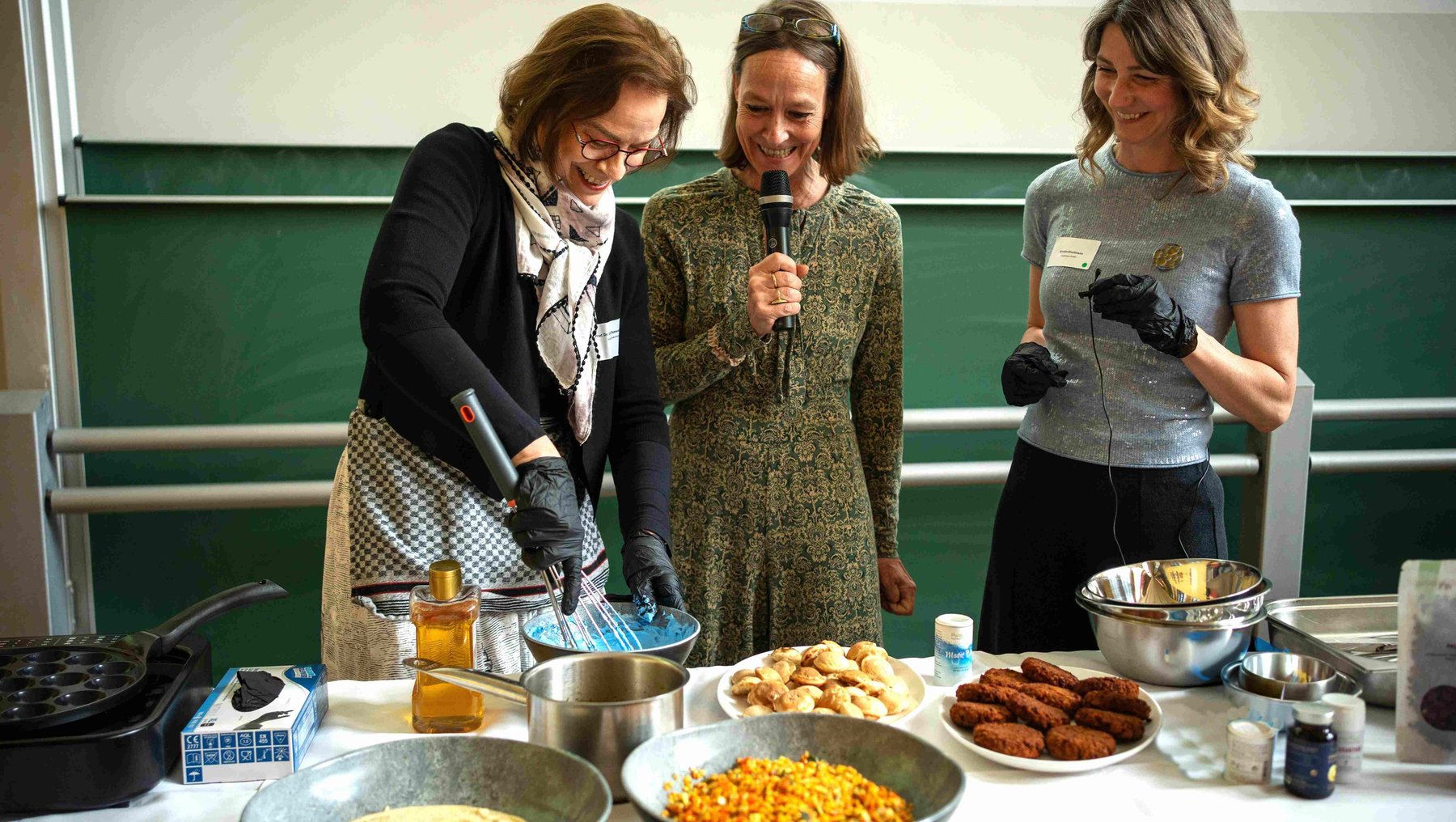
  • Drei Frauen stehen in einem Hörsaal der Hochschule Anhalt und bereiten gemeinsam ein Buffet vor: eine hält ein Mikrofon und spricht, eine rührt in einem Topf, die dritte hält ein Tablett mit kleinen Snacks. Auf dem Tisch liegen verschiedene Speisen wie Nudeln, Käse und Gebäck. © hsanhalt | sascha perten
    Prof. Dr. Uta Seewald-Heeg (l.) und Kirstin Knufmann (r.) beim Algen-Kochkurs des 4. Mitteldeutschen Algenstammtischs. Ilka Bickmann, science2public – Gesellschaft für Wissenschaftskommunikation e.V., Halle, moderierte die Session „Zukunft auf dem Teller“.
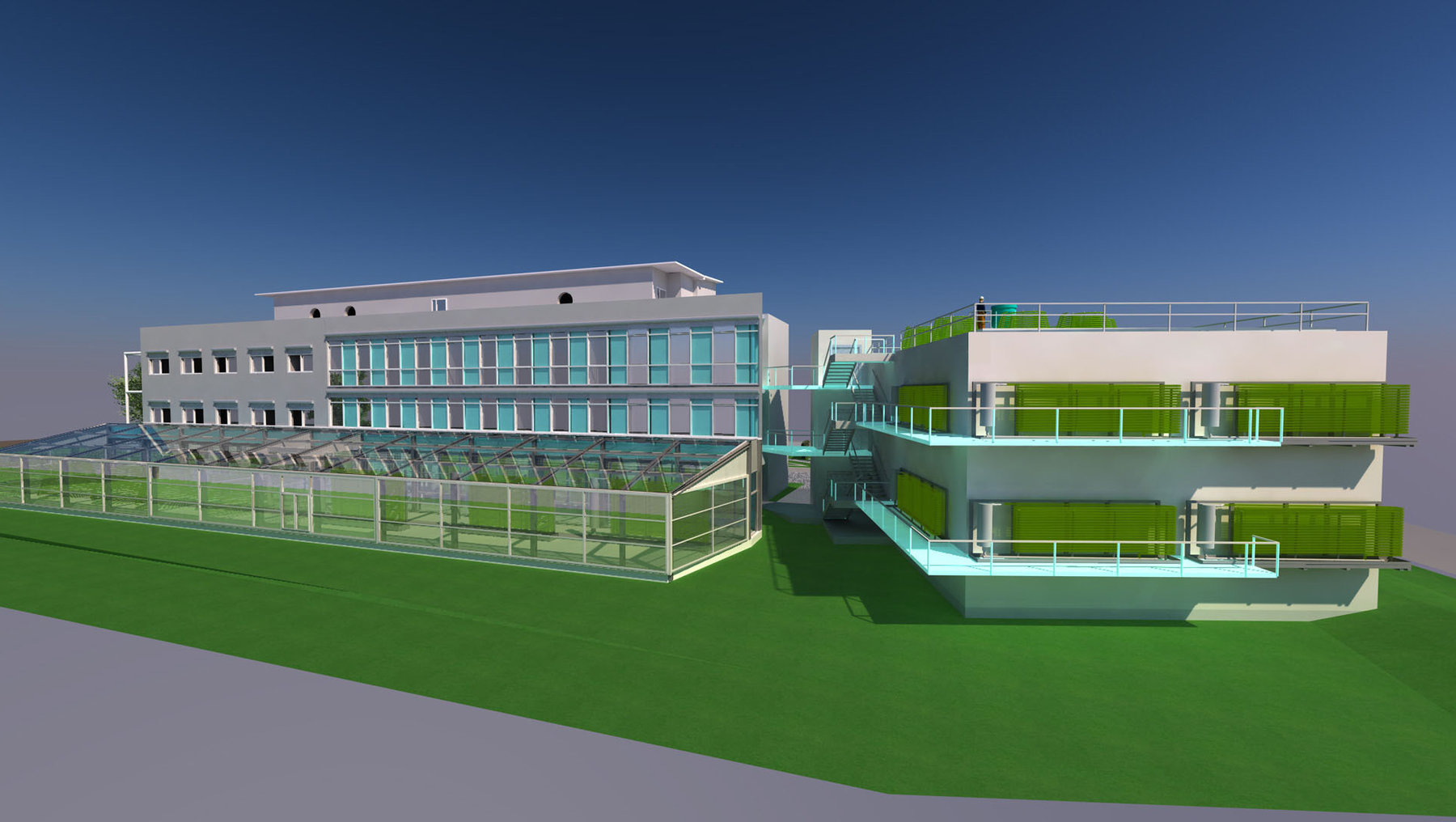
  • Moderne, mehrstöckige Gebäudearchitektur mit weißer Fassade, grünen Flachdächern und überdachten Balkonen, umgeben von Geländern. Im Vordergrund ein ebenerdiger Bereich mit begrüntem Vorplatz. Zeigt Entwurf des Mitteldeutschen Algenzentrums an der Hochschule Anhalt. © hochschule anhalt | richard schmitt
    Das Mitteldeutsche Algenzentrum soll in den nächsten Jahren entstehen, um wichtige Forschungsfragen zu klären.

What do you like to do most?

What I enjoy most is working on algae cultivation. This involves many different steps to create optimal growing conditions. I find it particularly motivating that I can immediately see the results of my work and end up with a tangible outcome.

Has working in the lab changed the way you handle food?

My personal approach to food has changed only slightly, because we often focus on potential new ingredients—in other words, we do foundational research. However, my studies and work in the lab have significantly expanded my knowledge of additives, preservatives, and colorings. Since then, I’ve been paying closer attention to the ingredients in the foods I eat.

What role will algae play in your future career?

I would be delighted if algae were to play a major role in my future career as well. Since I’ve been working with them for two years now, I’ve been able to gain solid prior knowledge and build an initial professional network. Whether I’ll actually find a suitable position in the industry later on remains to be seen. I’d like to stay in the region, and the algae industry is still in its infancy here.

Algal Biotechnology at Anhalt University of Applied Sciences

Anhalt University of Applied Sciences is working to develop this algae industry. For years, the Center of Excellence for Algal Biotechnology has been researching how microalgae can be used industrially as a source of natural dyes, vitamins, and dietary supplements. With the help of the AlgaHub research and innovation network, Saxony-Anhalt aims to establish a structure that brings together academia, industry, and Administration, with the goal of building the economy in which Max Weidemann hopes to work. However, this requires further research, which will be conducted in part by the Central German Algae Center.

The Biotechnology degree program at Anhalt University of Applied Sciences typically lasts seven semesters for the bachelor’s degree. Further information about the degree program and opportunities to work as a student assistant is available from the Department of Applied Biosciences and Process Engineering:

https://www.hs-anhalt.de/studiengaenge/bt.html

https://www.hs-anhalt.de/hochschule-anhalt/applied-biosciences-and-process-engineering/research/research groups/competence centre for algenbiotechnologie/current news.html

More articles on algal biotechnology at Anhalt University of Applied Sciences on the KlimaBlog:

Redaktion

Claudia Aldinger

Want to study Biotechnology at Anhalt University of Applied Sciences and become a student assistant? Here are some important tips:

https://www.hs-anhalt.de/studiengaenge/bt.html

https://www.hs-anhalt.de/hochschule-anhalt/applied-biosciences-and-process-engineering/research/research groups/competence centre for algenbiotechnologie/current news.html