A photovoltaic system is operating flawlessly from a technical standpoint, but is producing less electricity than originally calculated. Why is that? And what can be done about it? These were key questions addressed at the SUMMED-PV School, which took place in September 2026 at the Campus Dessau of Anhalt University of Applied Sciences. Dr. Carlos Meza, professor of “Dynamics and Control of Photovoltaic Systems” and local project manager for the event, explains which factors determine the economic viability of a solar power system over its entire lifespan.
Photovoltaics Over the Decades: How Can the Levelized Cost of Electricity Be Reduced in a Targeted Manner?
-
 © hochschule anhalt | sascha perten
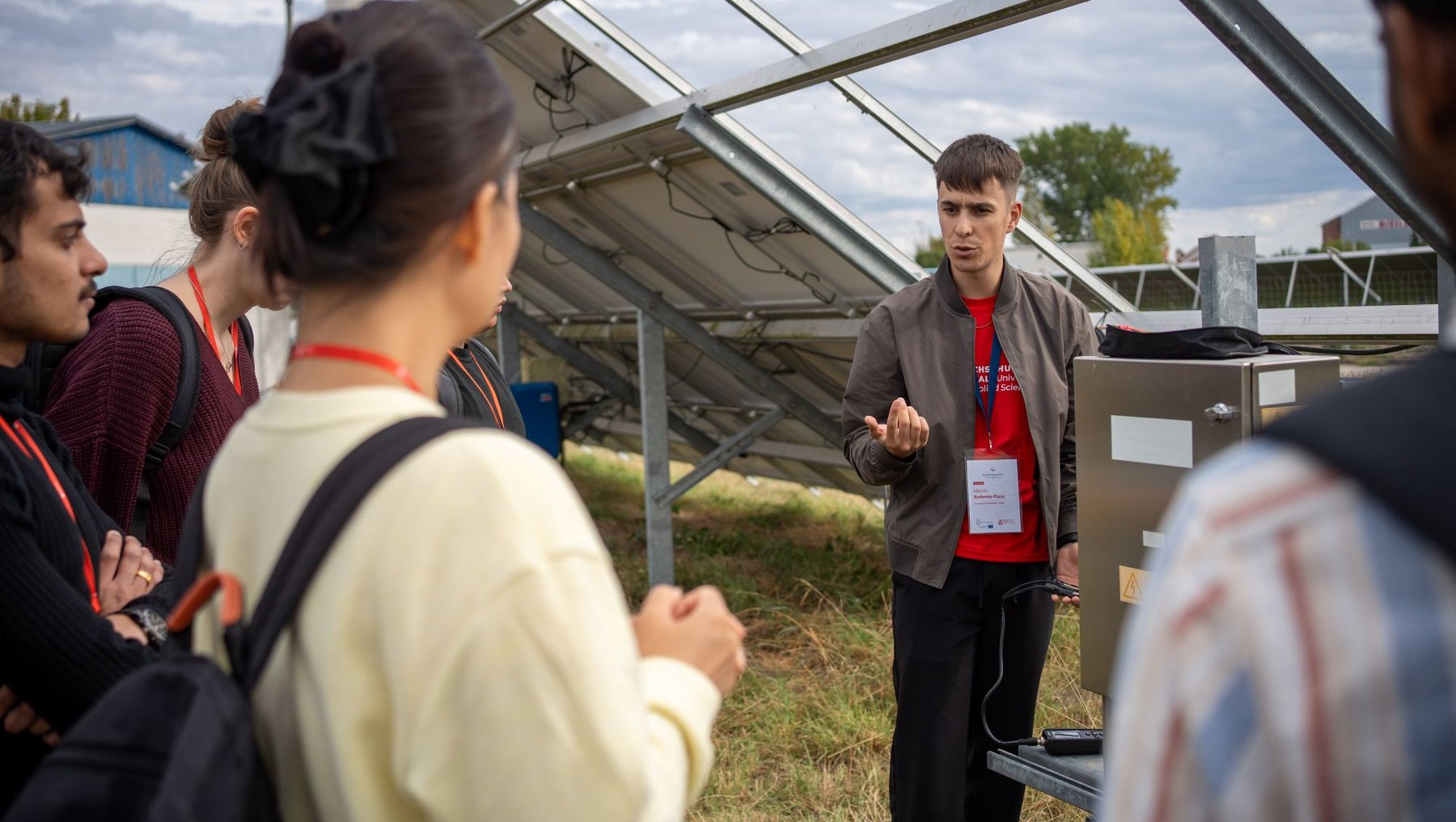
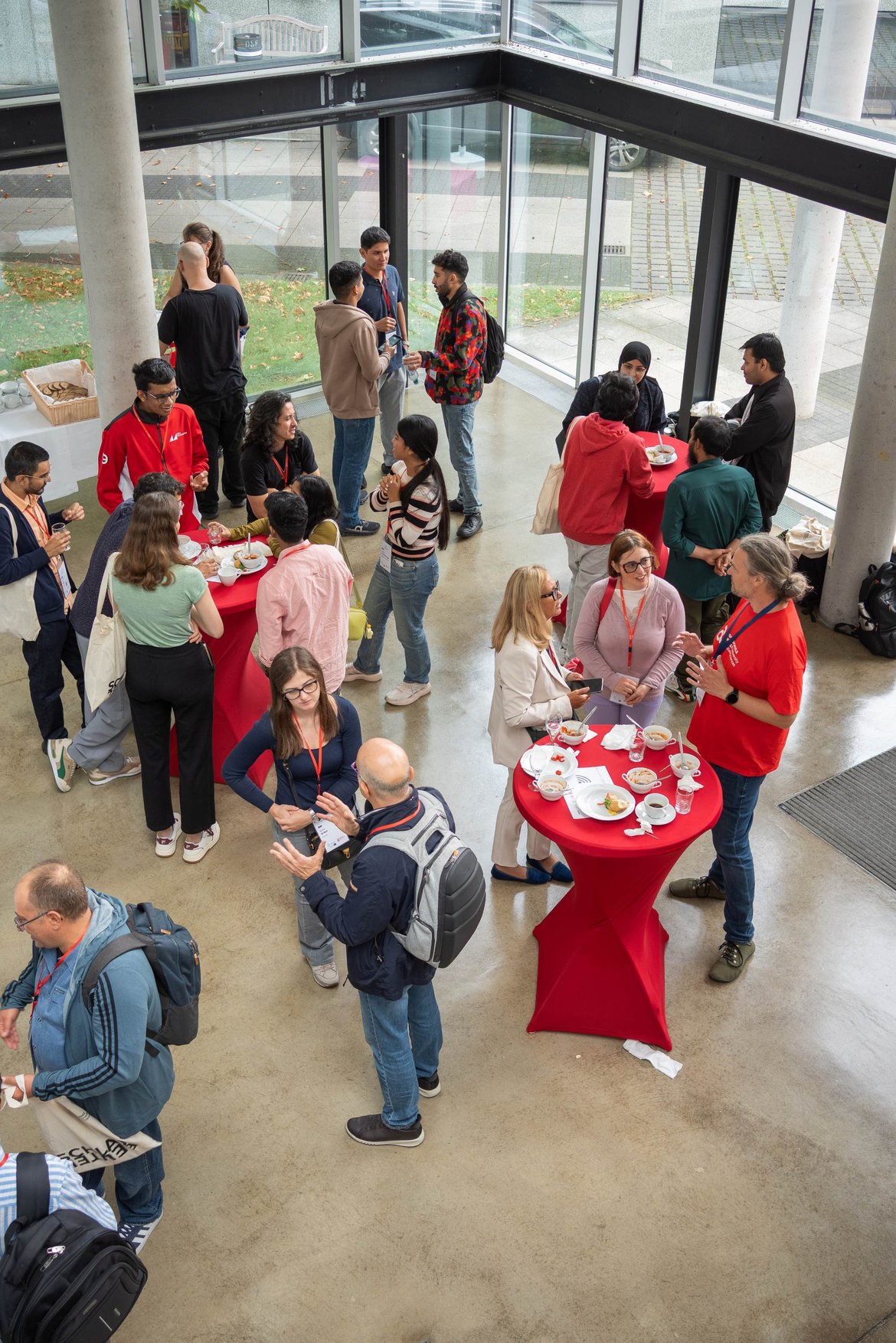
Theorie und Praxis der Photovoltaik: In der SUMMED-PV-School stand die Wirtschaftlichkeit im Mittelpunkt.
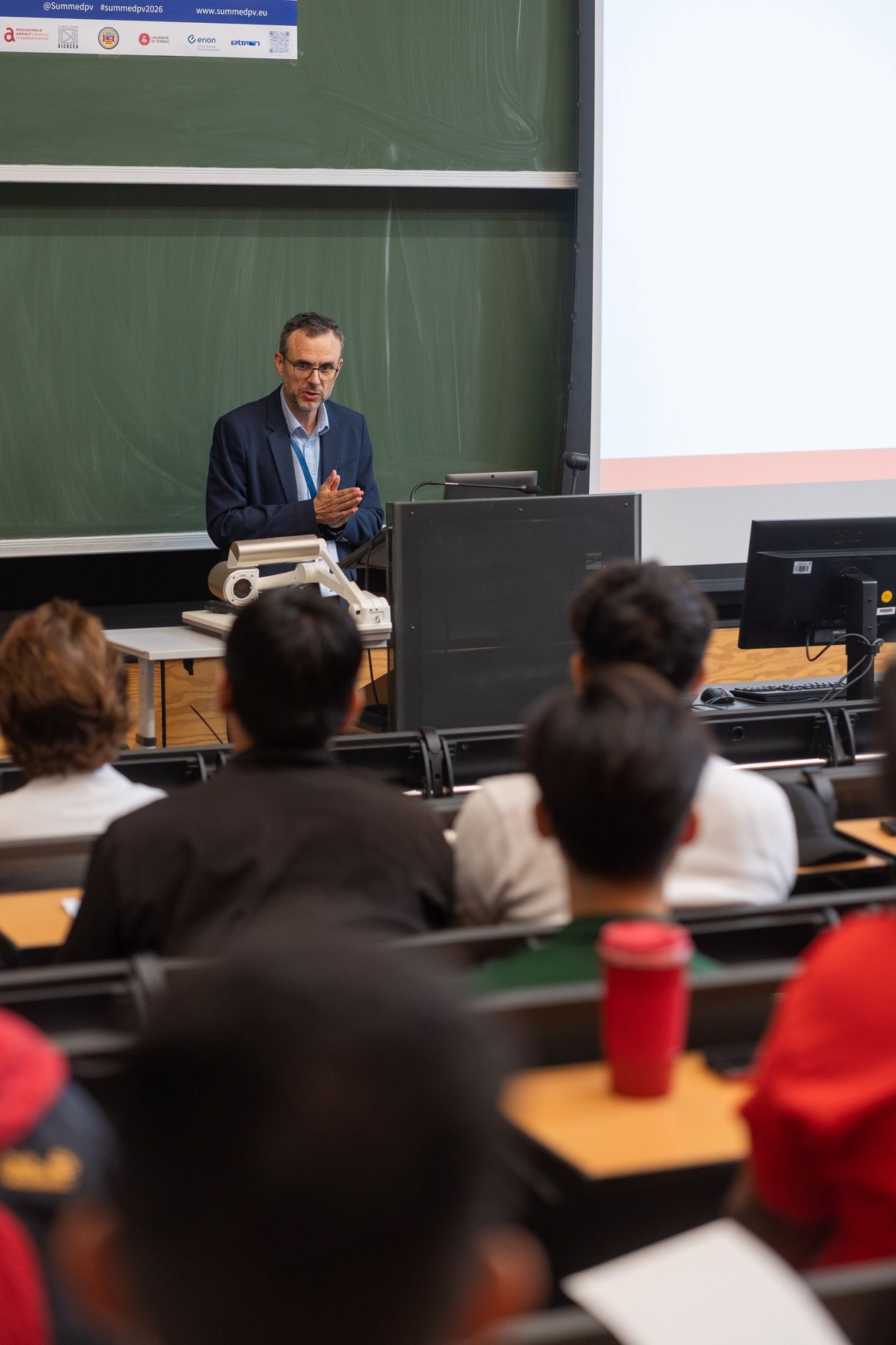
Professor Meza, what exactly does LCOE mean, and why is this metric more important for operations than simply considering the upfront costs?
Levelized Cost of Energy (LCOE) describes the average cost of generating one kilowatt-hour of electricity over the entire lifespan of a photovoltaic system. To calculate it, all costs incurred during the system’s lifespan are divided by the total amount of energy generated.
This metric is more important than the initial purchase cost alone because it also takes into account maintenance costs, component aging, repairs, and the system’s reliability. This allows for an objective comparison of different energy systems and an assessment of their actual cost-effectiveness.
 © hochschule anhalt | sascha perten
Which technical factors have the greatest impact on the levelized cost of electricity over the plant's lifetime?
The most important technical factors are the system’s performance and efficiency, the annual degradation of its components, and their reliability. Material-level defects, such as potential-induced degradation (PID), microcracks, or structural damage, can significantly reduce power production over the system’s lifespan. The durability of the other system components and their resistance to extreme weather conditions also influence maintenance and repair costs.
In addition, end-of-life recycling plays a role. If materials can be recovered in a good way, the residual value of the system is higher and the total life-cycle costs are lower.
What role do maintenance and diagnostics play—and what have the SUMMED-PV-School’s lab exercises shown in practice?
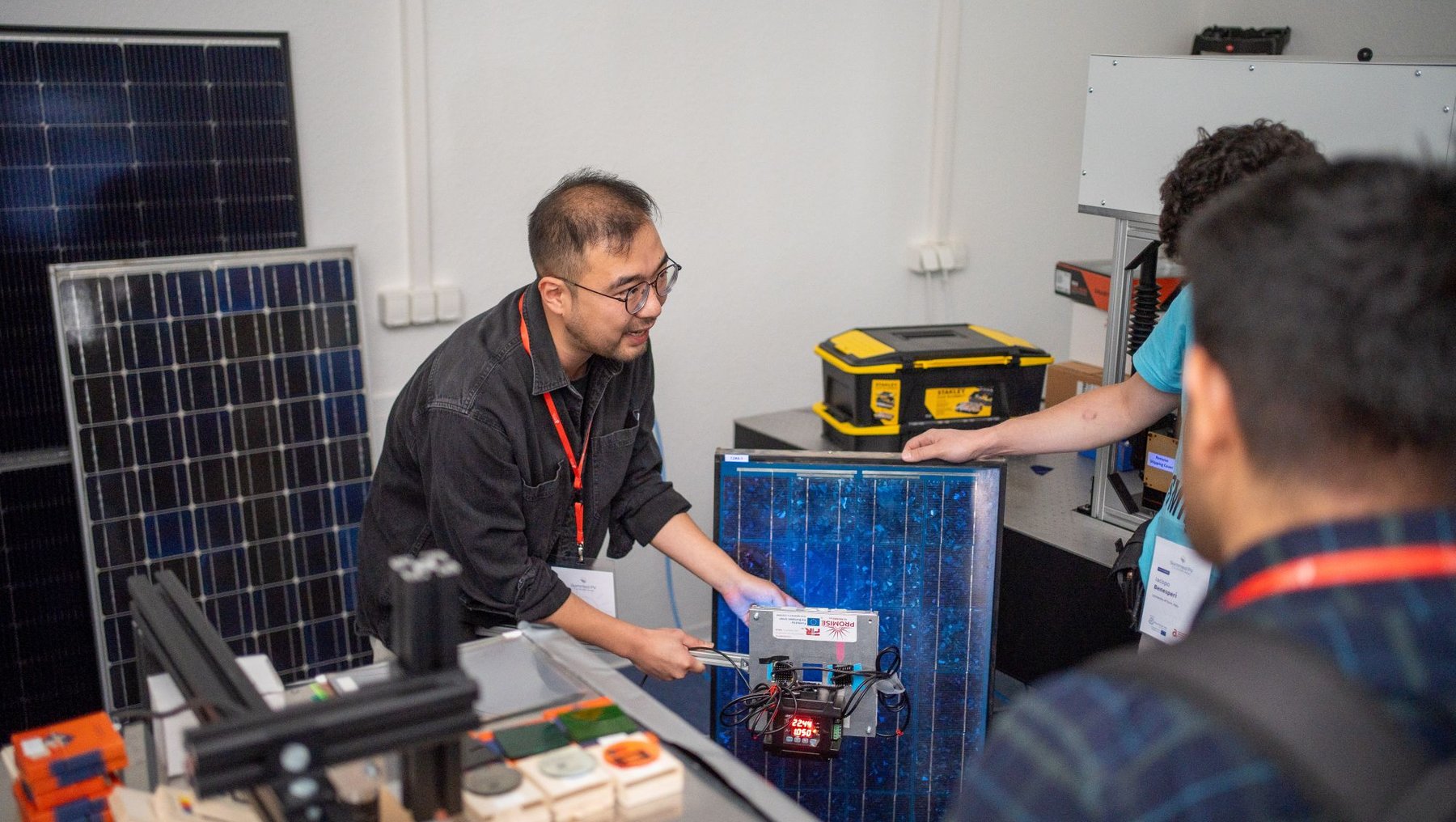
Maintenance and diagnostics are important for preventing performance losses and detecting costly failures early on. At the SUMMED-PV-School, participants learned these methods through practical courses. In the laboratories on the Campus Köthen, they worked with solar simulators and measuring instruments to investigate the degradation of PV modules.
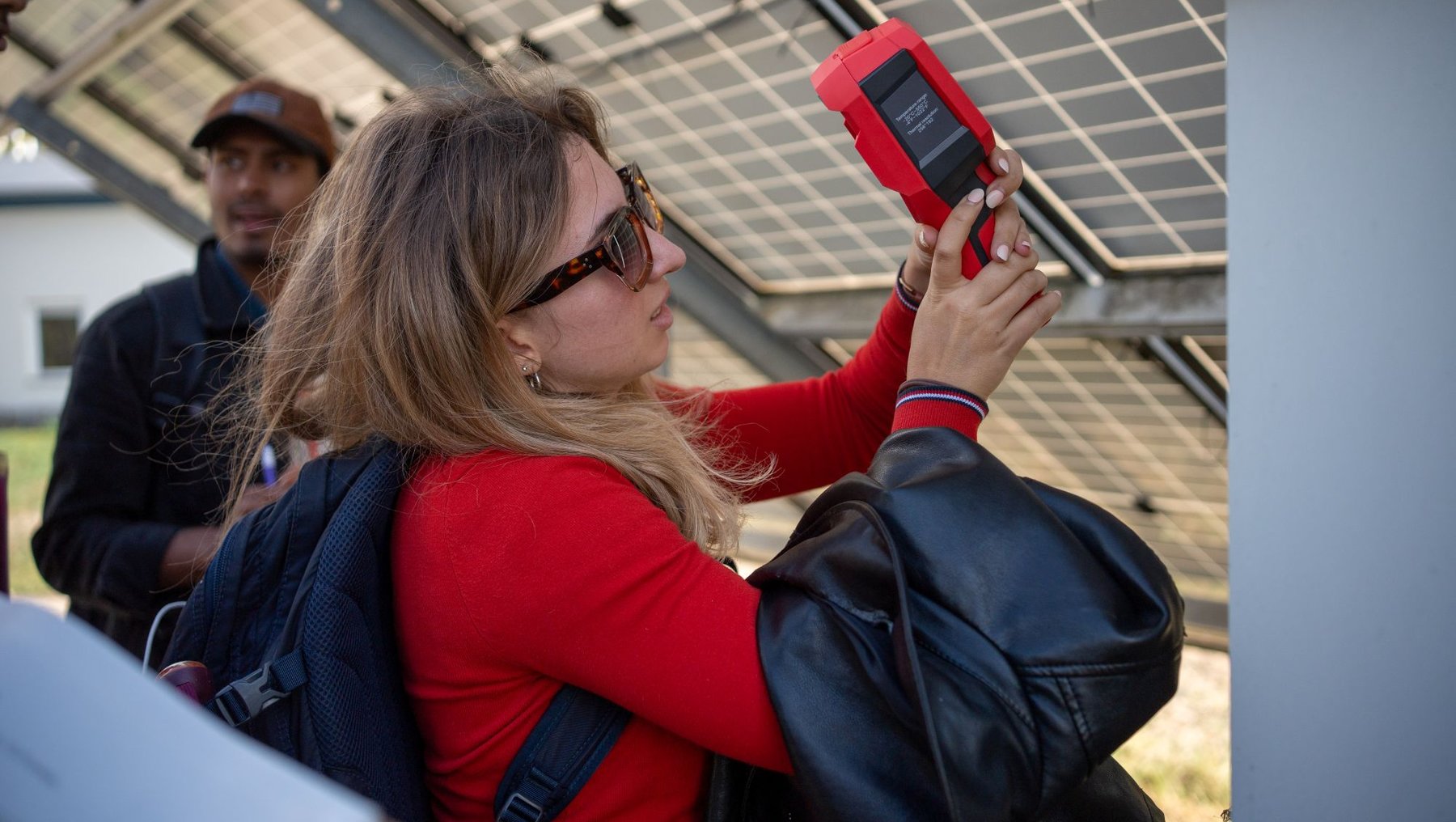
In addition, practical courses took place on the Campus Bernburg. There, participants learned about methods such as infrared thermography and electrical fault diagnosis. The goal of these methods is to detect problems early, before they affect the system’s energy production.
-
 © hochschule anhalt | sascha perten
Technische Details im Photovoltaik-Labor der Hochschule Anhalt in Köthen. -
 © hochschule anhalt | sascha perten
Agri-Photovoltaik am Campus Bernburg der Hochschule Anhalt: Die SUMMED-PV-School machte hier Station, um die Auswirkungen spezieller Standorte kennenzulernen.
What can we learn from the case study challenge that can be applied to real-world business decisions?
The case study shows that technical and economic aspects must always be considered together. An analysis of failures and their impact on the levelized cost of electricity makes it clear that low upfront costs do not automatically equate to the most economical solution. If component reliability is low, long-term costs can rise significantly.
Therefore, companies should consider not only the investment costs but also the total costs over the system’s service life. The case study also shows that good operational management, early fault detection, and a well-thought-out recycling plan are key factors for the economic success of large PV systems.
 © hochschule anhalt | sascha perten
How does a location such as a farm field affect the profitability analysis for agri-PV?
Such systems usually require special substructures and tracking systems so that agricultural machinery can continue to be used. As a result, the investment costs are often higher than for conventional ground-mounted systems.
At the same time, however, two potential sources of income arise: from agriculture and from the sale of electricity. In addition, the plants can influence the local microclimate, for example by lowering temperatures or altering shading patterns. This can affect the efficiency, degradation, and long-term performance of the PV system.
Therefore, both energy generation and agricultural yields must be taken into account in the economic evaluation.
Information & Links
The SUMMED-PV-School took place from September 7 to 11, 2026, at Anhalt University of Applied Sciences. We featured the program on the KlimaBlog: https://www.hs-anhalt.de/hochschule-anhalt/aktuelles/neuigkeit-1/eine-woche-die-ganze-wertschoepfungskette-der-photovoltaik-summed-pv-school-in-dessau.html
Learn more about the teaching and research of Prof. Dr. Carlos Meza and his team on his personal page: https://www.hs-anhalt.de/hochschule-anhalt/service/personenverzeichnis/person/prof-dr-carlos-meza.html
Part of the SUMMED-PV School was also a visit to the agri-PV systems at the Campus Bernburg of Anhalt University of Applied Sciences, which the KlimaBlog explains in more detail here: https://www.hs-anhalt.de/hochschule-anhalt/aktuelles/neuigkeit-1/solarstrom-vom-acker-und-was-dafuer-noetig-ist.html
Redaktion
Claudia Aldinger
Find everything you need to know about the program and how to contact us on this website: https://www.summedpv.eu/programme-2026/
