News-Detail

Regional protein supply: What peas and soy from Saxony-Anhalt could achieve

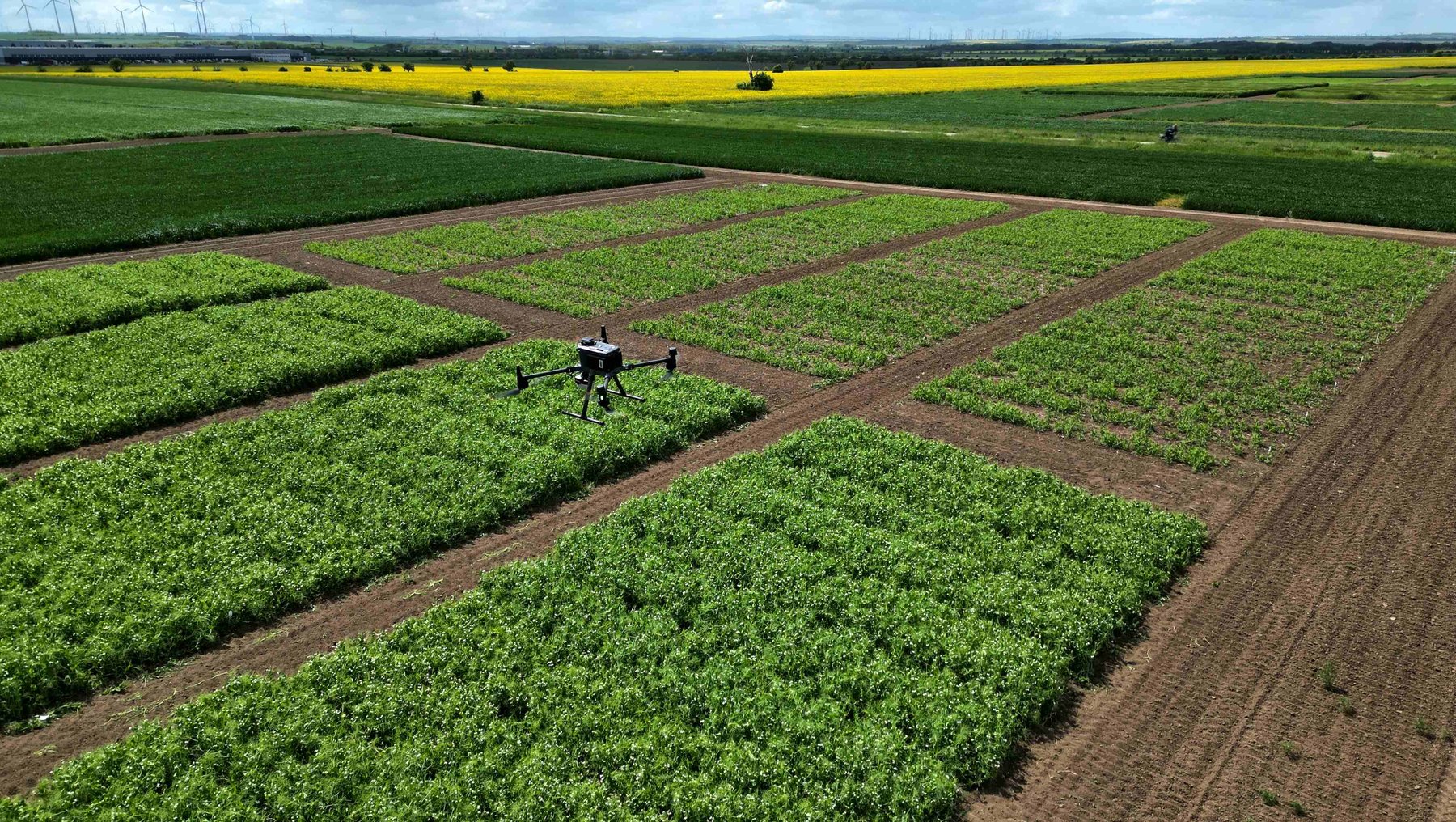
  • Luftaufnahme eines landwirtschaftlichen Feldes mit geordneten Reihen junger Pflanzen, im Hintergrund große gelbe Blumenfelder, eine Person steuert ein Drohnenmodell über dem Feld. © hochschule anhalt
    Feldversuche zu Leguminosen an der Hochschule Anhalt

Europe imports a large proportion of its protein, as domestic alternatives are rarely competitive on the market. Plants that bind nitrogen from the air, protect the soil and could be used as a source of protein are growing on fields in Saxony-Anhalt. This is shown by field trials at Anhalt University of Applied Sciences with grain legumes such as peas, soybeans and chickpeas.

The results are being incorporated into the joint DiP-DiPisum project. It is researching how a stronger regional protein supply can be established using these crops.
Why peas have remained a marginal crop on German fields

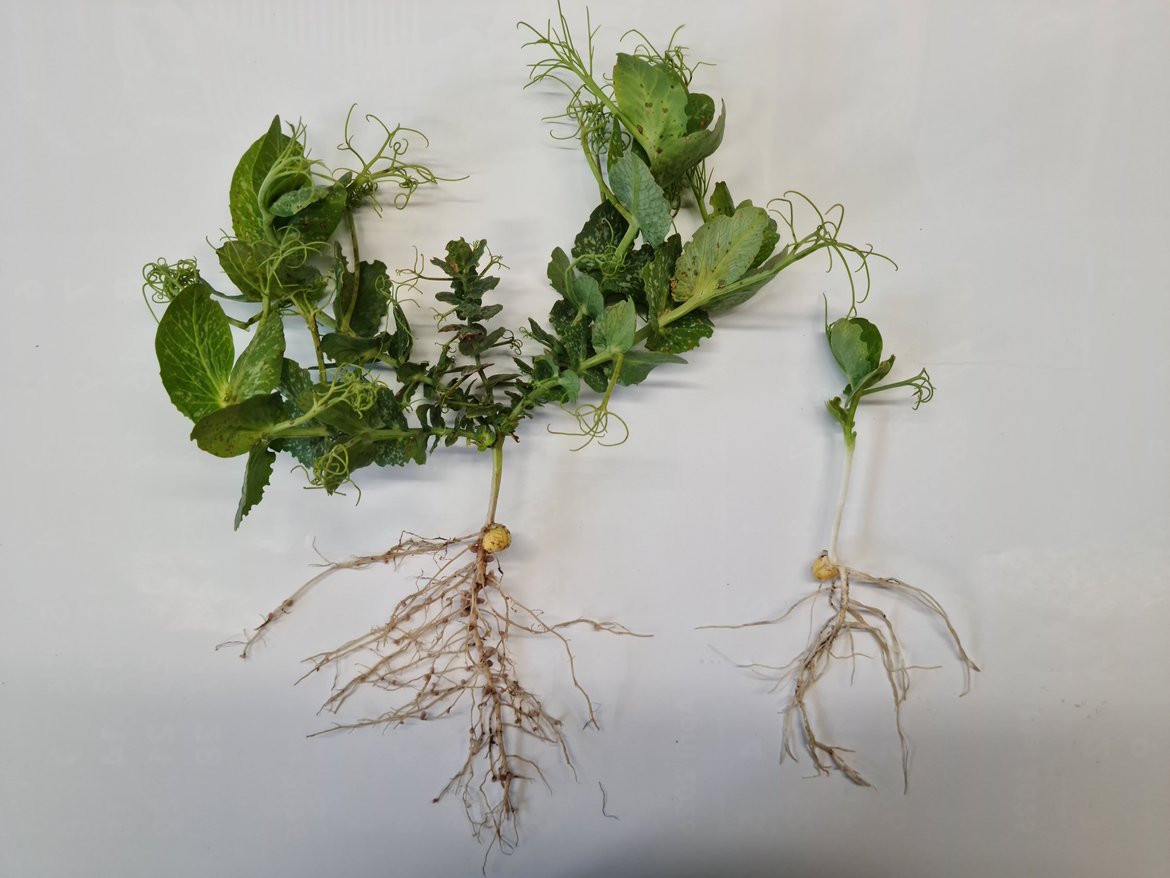
In 1886, Hermann Hellriegel described how peas absorb nitrogen from the air in symbiosis with soil bacteria at the Bernburg site. The bacteria settle in small nodules on the roots and feed the plant without the need for fertilizer. This discovery has changed Agriculture.

Nevertheless, peas only cover a fraction of the arable land in Germany today. The reasons are of an Economics nature. Pea yields fluctuate greatly from year to year, from location to location. Cheap protein imports, especially soybean meal from overseas, are putting pressure on the market. For many farms, cultivation is hardly worthwhile under these conditions.

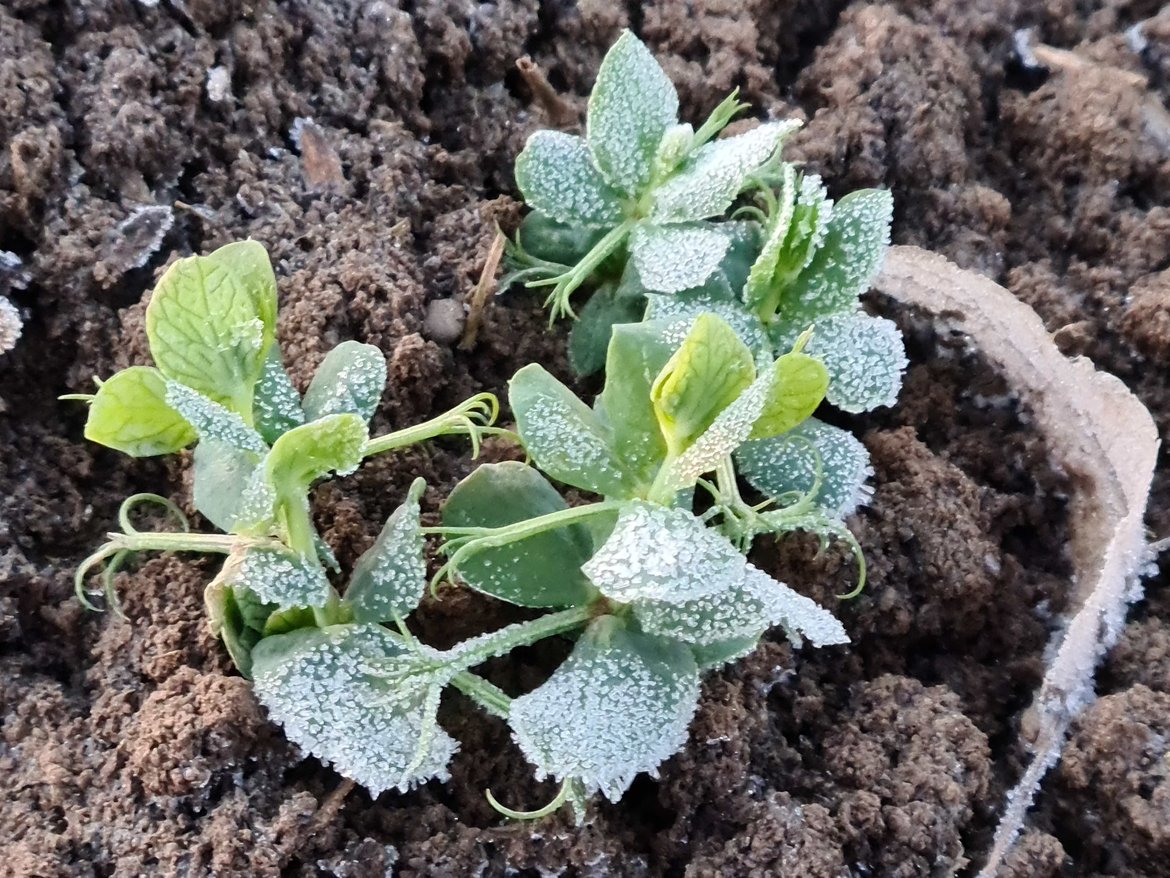
In addition, the range of varieties has long been limited. Winter forms, which make better use of the growing season and promise more stable yields, hardly played a role in practice. Climate-adapted varieties were largely absent. This is one of the starting points of DiP-DiPisum.

What research at Anhalt University of Applied Sciences shows

Trials on winter peas have been running for 15 years at the same site where Hellriegel once conducted his research. Since 2024, extensive variety tests and trials on the use of biostimulants have been added. These are agents that promote plant growth without replacing conventional fertilizers. They can support the activity of nitrogen-fixing bacteria and stimulate root growth.

Initial results from Bernburg indicate that this can improve yield security. "In multi-year trials, the yields of climate-adapted winter peas averaged 43.9 dt/ha, compared to 40.1 dt/ha for conventional summer forms," says Prof. Dr. Annette Deubel. (Deubel et al. 2024, www.hs-anhalt.de/fileadmin/Dateien/FB1/Forschung/Feldversuche/Projekte/DIP_DiPisum/EWS_2024.pdf)

Soy as a complementary crop under changing climatic conditions

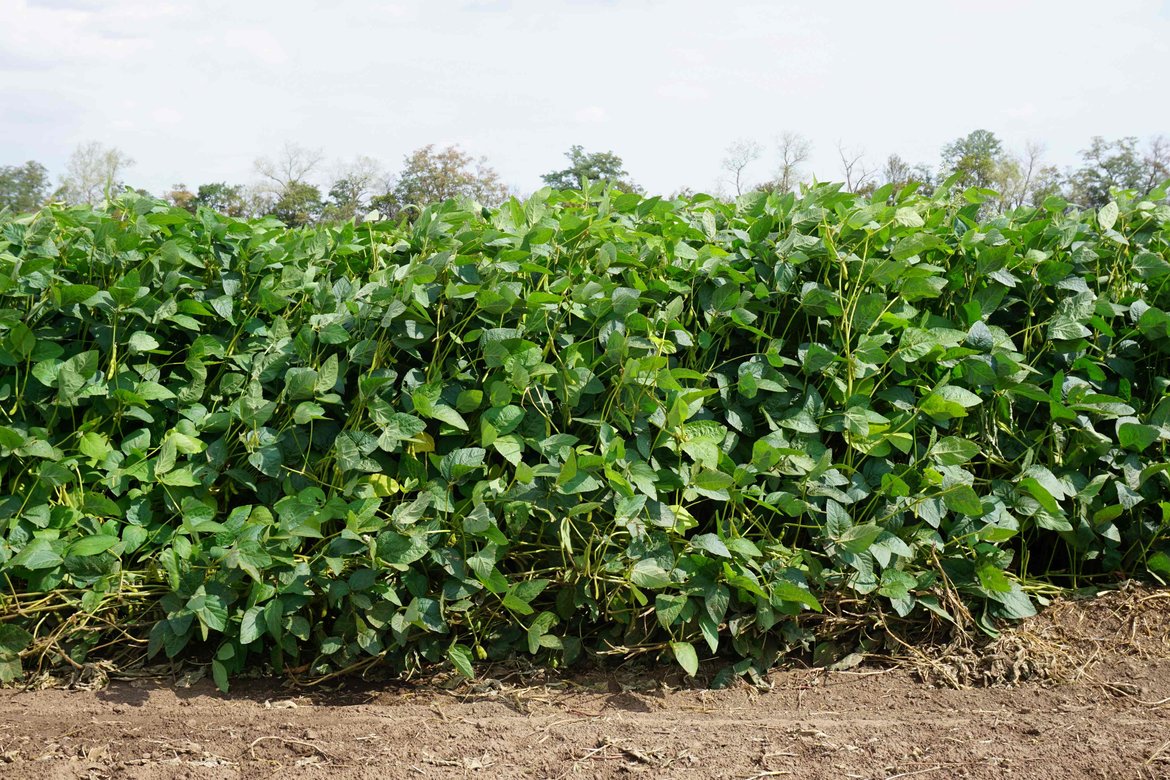
Protein crops in Germany are not limited to the pea. Soybeans are increasingly coming into focus, also in Saxony-Anhalt. For a long time, it was considered too risky here because of its high demands on heat and water supply. Climate change and advances in breeding are shifting these conditions.

In multi-year trials, Anhalt University of Applied Sciences is investigating the prerequisites under which soy can be grown economically. The results so far show that soybeans do not require less water than other legumes. As the highest demand only arises at the end of June and beginning of July, their cultivation nevertheless contributes to risk diversification in crop rotation. "Yields still fluctuate greatly depending on the annual weather conditions, but show potential," says Annette Deubel.

The trials, particularly on soy, are being carried out in collaboration with the State Institute for Agriculture and Horticulture (LLG) in Bernburg. The aim is for results from the trials to flow directly into Agriculture practice.

What regional protein supply actually needs

The research results from Bernburg are one building block. A broader regional protein supply from grain legumes requires movement on three levels.

Reliable cultivation data: Multi-year trials such as those in Bernburg create the basis on which farmers can make calculable decisions. One-off results are not enough.

Regional processing capacities: Protein crops from Germany must also be processed here, into animal feed, food ingredients or industrial raw materials. This requires investment along the entire value chain.

Broader crop rotations: Wheat and rapeseed dominate many arable areas in the region. Legumes could make these rotations more stable because they enrich the soil with nitrogen and interrupt pest cycles, both ecologically and economically.

Saxony-Anhalt has the research infrastructure for this and, in Bernburg, a location that has been important in agricultural science for more than a century.

Prof. Dr. Annette Deubel teaches and researches plant cultivation at the Campus Bernburg of Anhalt University of Applied Sciences. Among other things, a 55-hectare field trial area is available for this purpose. The DiP-DiPisum project is an interdisciplinary research network and is funded by the Federal Ministry of Research, Technology and Space. "Why the pea is a good idea for Central Germany": She has already given an interview on this question on the KlimaBlog: https: //www.hs-anhalt.de/hochschule-anhalt/aktuelles/neuigkeit-1/regionale-biooekonomie-warum-die-erbse-fuer-mitteldeutschland-eine-gute-idee-ist.html

More about the DiP-DiPisum project: https: //www.hs-anhalt.de/projekte/projekt/dipdipisum-digitalisierungsgetriebene-entwicklung-sachsen-anhalts-zu-einem-innovationszentrum-fuer-erbsenzucht-anbau-und-verwertung-teilprojekt-d-prof-dr-annette-deubel.html

Redaktion

Claudia Aldinger

At the DLG Field Days from June 16 to 18, 2026 in Bernburg, Anhalt University of Applied Sciences will present current results from DiP-DiPisum at the Saxony-Anhalt state presentation. Contact: Prof. Dr. Annette Deubel and Prof. Dr. Dieter Orzessek with the field trials working group: https://www.hs-anhalt.de/hochschule-anhalt/aktuelles/fachmessen/dlg-feldtage.html